
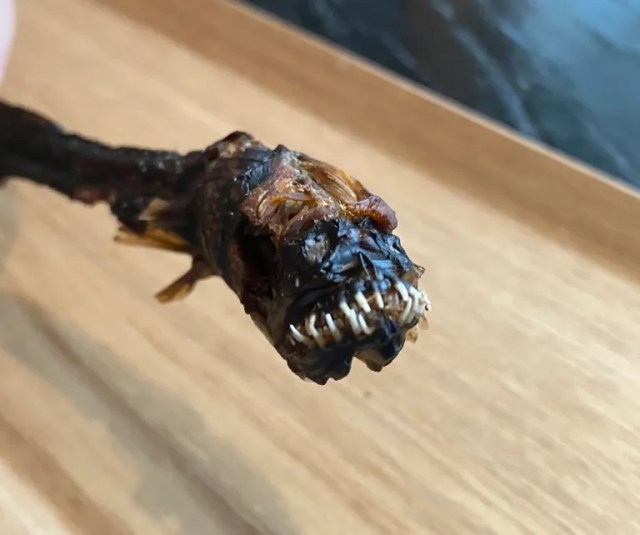
Facing our fears by eating warasubo and its amphibious cousin.
Like most major Japanese rail hubs, Hakata Station, where the Shinkansen bullet train comes into Fukuoka City, has a lot of souvenir shops. And like at most Japanese souvenir shops, a lot of the souvenirs are food, snacks and sweets indicative of the surrounding region.
So as he prepared to leave Fukuoka and head back to Tokyo, our Japanese-language Takashi Harada was perusing the edible offerings, looking for something tasty to enjoy once he was back home and reminiscing about his trip. Eventually, he settled on buying a pack of aliens.
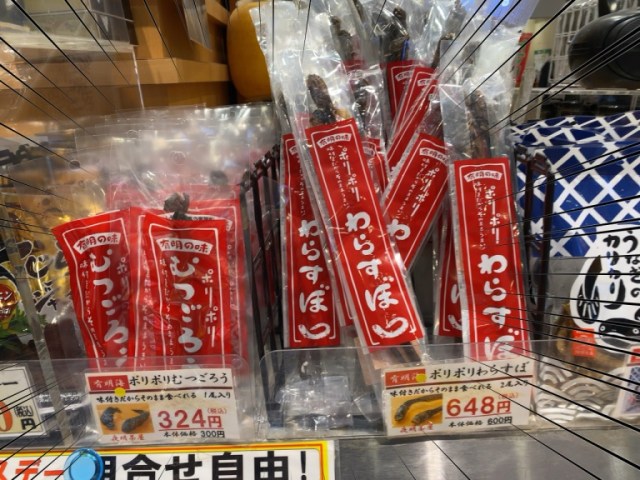
OK, so officially they’re called warasubo, which is what odontamblyopus lacepedii are called in Japanese. To a lot of people in Japan, though, they’re known as “the aliens of the Ariake Sea,” or maybe we should call the, “the Aliens of the Ariake Sea,” since their shockingly scary appearance brings to mind the xenomorphs of the Aliens science fiction franchise.
▼ The packaged warasubo
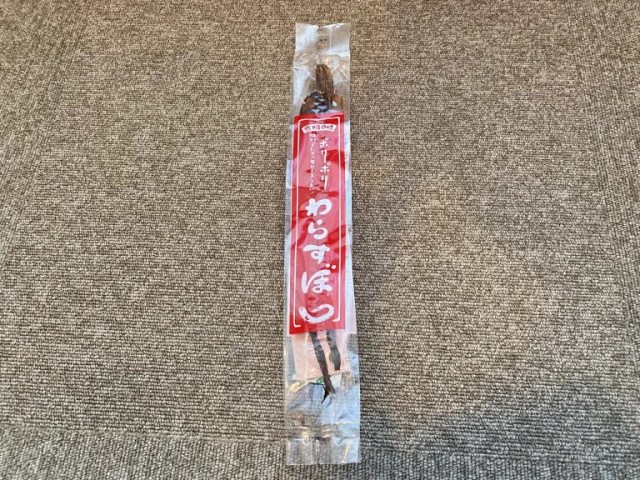
Despite their appearance, warasubo actually aren’t extraterrestrials. They’re a species of eel goby, a type of bony fish, found in the Ariake Sea, the largest bay of Japan’s southwestern island of Kyushu, which is bordered by Fukuoka, Saga, Nagasaki, and Kumamoto Prefectures.
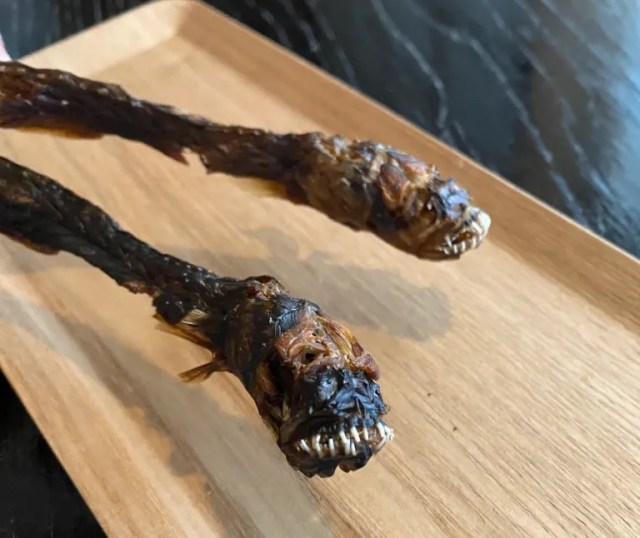
The shop where Takashi got his “aliens” was selling them in a pack of two for 648 yen (US$4.50), which, we have to say, is a pretty bold decision. Even in Japan, where you’ll sometimes find fish or other seafood served with the head still attached, most people feel that warasubo are grotesque to look at, what with their bony bodies and fang-filled mouths. Though sometimes eaten in Ariake Sea-adjacent areas, for most people that appearance is a high hurdle to overcome, so you need to be especially adventurous to buy two at once if you’re a first-timer.
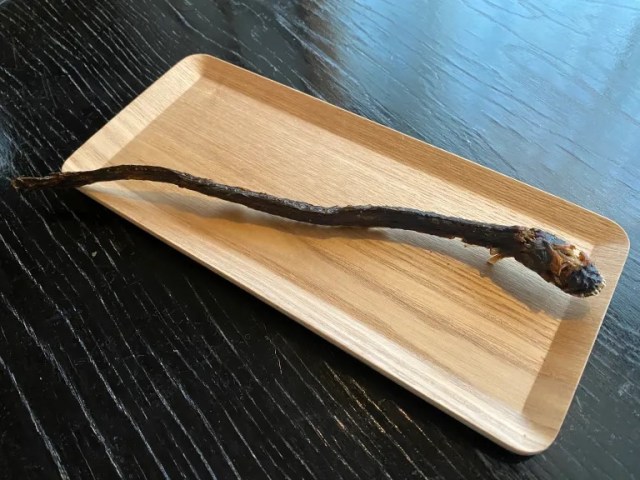
Fully removing one of the warasubo from the package, Takashi was startled all over again to see how long they are. When eating visually intimidating food, the standard strategy is to pop the whole thing into your mouth at once, the culinary equivalent of ripping a bandage off in one quick motion, grinding it down with your molars and swallowing the indistinguishable mass as quickly as possible. The warasubo is big enough, though, that there’s no escaping a significant amount of mouthfeel as you eat it.

That mouthfeel tends to vary depending on which part of the warausbo you’re eating, Takashi discovered. The tail is the comparatively meatier part, but the closer you get to the head, the harder the texture becomes as the bones-and-teeth-to-flesh ratio increases.
As for the flavor, it’s, as you might expect, fishy. That said, Takashi didn’t find the taste unpleasant, though he thinks warausbo is less suited as a main dish to build a meal around, and more as a side or snack to munch on while drinking sake or beer (note: it’s been my personal experience that when food in Japan is described as something that “would pair well with alcohol,” it tends to be something that’s somewhat less than pleasant to eat unless you’re at least mildly drunk).
But warasubo wasn’t the only unusual foodstuff that Takashi came back from Fukuoka with. At the same souvenir shop he also picked up a mutsugoro, or mudskipper.
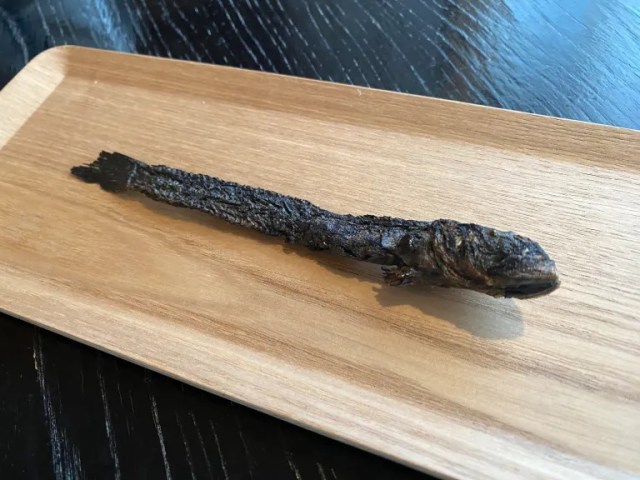
These were sold individually, at a price of 324 yen each, so he just got one. Like warasubo, mudskippers are gobies, part of the Oxudercidae family. Mudskippers, though, are amphibious, as you can tell from the charred little arms on the one Takashi bought.
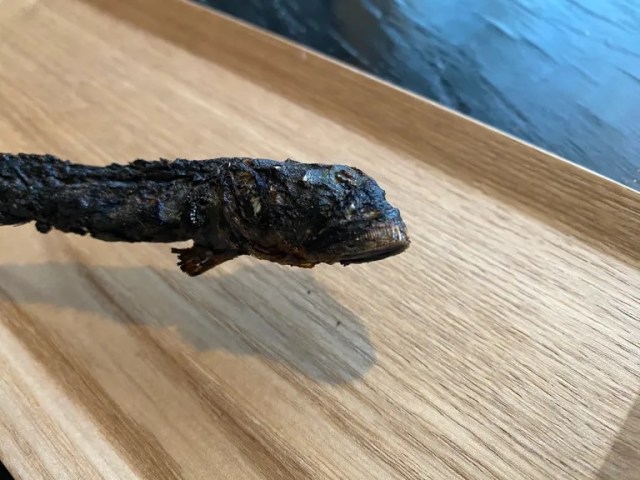
Compared to the warasubo, the mudskipper is a little shorter, making it a little easier to eat. It’s also not quite as bony or fang-filled as the warasubo, but still much more so than most things Takashi usually puts in his mouth. Taste-wise, it’s also got a noticeably fishy flavor, and reminded him a bit of dried squid too.
So if you were going to eat just one, warausbo or mudskipper, which should you eat? That’s a tough question. On the one hand, the mudskipper is marginally less terror-triggering to look at. On the other hand, it’s still nowhere close to easy on the eyes, and if you’re going to eat something that a solid 9 on a 1-to-10 scale of frightening foods, maybe you should just move the dial just a little farther and crank it all the way up to maximum with the warasubo. Either way, neither one of these is for the faint of heart, but if you’re up to the challenge this particular brand of packaged warasubo, Yoakedyaya, can be purchased online here.
Photos ©SoraNews24
● Want to hear about SoraNews24’s latest articles as soon as they’re published? Follow us on Facebook and Twitter!
[ Read in Japanese ]
 Try some Alien Soup from Japan, now with more alien!
 Alien Ramen: In space no one can hear you complain…
 Does eel ramen really taste like eel?
 You COULD eat a terrifying octopus egg in Japan, but SHOULD you? Let’s find out!【Taste test】
 We ate sushi made from Japan’s most expensive tuna ever【Taste test】
 Japanese onsen egg maker from 100-yen store Daiso needs to be on your shopping list
 Starbucks Japan releases new My Fruit³ Frappuccino at only 34 stores around the country
 Japanese man drives truck that’s on fire directly to fire station, drops flaming potatoes[Videos]
 Cherry blossoms begin blooming in Japan with record-early starts for sakura season
 TikTok releases its Year in Music 2025 – Japan’s Top 10 Songs ranking
 Expo 2025 mascot Myaku-Myaku to release tastefully erotic photo book
 Studio Ghibli adds new Mother’s Day gift sets to its anime collection in Japan
 Pizza Hut Japan’s new ie-kei ramen pizza is here and weird, but is it tasty too? [Taste test]
 Studio Ghibli director Hayao Miyazaki is still drawing…and walking in his Vans
 Make apple pies on the stovetop with new cooking gadget from Japan
 Train station platform ramen store closes its doors on half a century of history in Tokyo
 Studio Ghibli releases Catbus pullback keychain that runs like the anime character
 Virtual idol Hatsune Miku redesigned with look that adds new elements and brings back old ones
 The next time you’re feeling stressed out, you could relax on a Pokémon Psyduck chair from Japan
 Komachi Shokudo: Japanese mum’s-style cooking for breakfast, lunch and dinner in Tokyo
 Starbucks Japan opens new cafe and art gallery in top Tokyo tourist neighbourhood
 The top 10 graduation songs in Japan as chosen by current Japanese high school students
 7-Eleven Japan’s giant fried chicken skewer would be too big to eat, so it’s really for cuddling
 Starbucks Japan unveils new sakura cherry blossom collection for hanami season 2026
 The 10 most annoying things foreign tourists do on Japanese trains, according to locals
 Starbucks Japan releases new sakura goods and drinkware for cherry blossom season 2026
 Nine great places to see spring flowers in Japan, as chosen by travelers (with almost no sakura)
 Naruto and Converse team up for new line of shinobi sneakers[Photos]
 Starbucks Japan releases first-ever Hinamatsuri Girls’ Day Frappuccino
 Japan’s cherry blossom season predicted to start earlier than we’d thought, especially in Tokyo
 Starbucks Japan releases a new Cream Puff Frappuccino for a limited time
 Survey asks foreign tourists what bothered them in Japan, more than half gave same answer
 Japan’s human washing machines will go on sale to general public, demos to be held in Tokyo
 Starbucks Japan releases new drinkware and goods for Valentine’s Day
 We deeply regret going into this tunnel on our walk in the mountains of Japan
 Studio Ghibli releases Kodama forest spirits from Princess Mononoke to light up your home
 Japan’s newest Shinkansen has no seats…or passengers [Video]
 Major Japanese hotel chain says reservations via overseas booking sites may not be valid
 Put sesame oil in your coffee? Japanese maker says it’s the best way to start your day【Taste test】
 No more using real katana for tourism activities, Japan’s National Police Agency says
 Japan now has special matcha green tea cookies you’re supposed to eat for breakfast【Taste test】
 Do you know what this caterpillar-like food is? We had no idea!【Taste test】