
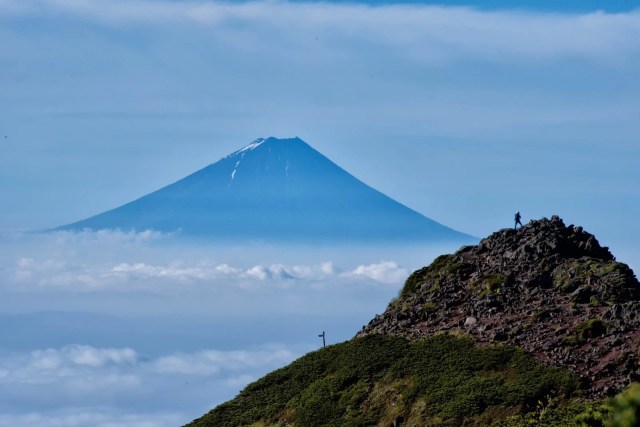
New reinforced shelters are designed to protect climbers from volcanic eruptions, falling rocks and lightning.
As Mt Fuji prepares for the start of the 2026 climbing season on 1 July, two new emergency shelters have been installed on the Yoshida Trail, improving climber safety in the event of a volcanic eruption or other mountain hazards.
The reinforced concrete shelters have been built along the Yoshida descent route near the seventh and eighth stations, and are designed to withstand volcanic debris. Inside, rubber flooring has been installed to help reduce the risk of electric shock during lightning strikes.
The shelters have been built into the mountainside to minimise their visual impact on the World Heritage-listed site. Each shelter measures around 2 metres (6.6 feet) high, 2.5 metres wide and 5.4 metres deep, and can accommodate up to 135 people during an emergency.
The two shelters were completed in December after construction began last September, making them the first purpose-built volcanic evacuation shelters on the Yamanashi side of Mt Fuji’s descent route. Despite being on Mt Fuji’s busiest climbing route, the downhill section previously had just five emergency shelter points, including restrooms and a mountain hut, compared with more than 10 on the uphill route.
Each shelter cost approximately 38 million yen (US$260,000) to build, with the project funded through climbing fees collected from visitors using Mt Fuji’s trails. Yamanashi Prefecture says it plans to install 13 emergency shelters on the mountain by the end of the 2031 financial year, further improving safety for the hundreds of thousands of people who climb Mt Fuji every year.
▼ Although Mt Fuji hasn’t erupted since 1707, it remains an active volcano, prompting the need for ongoing safety measures.
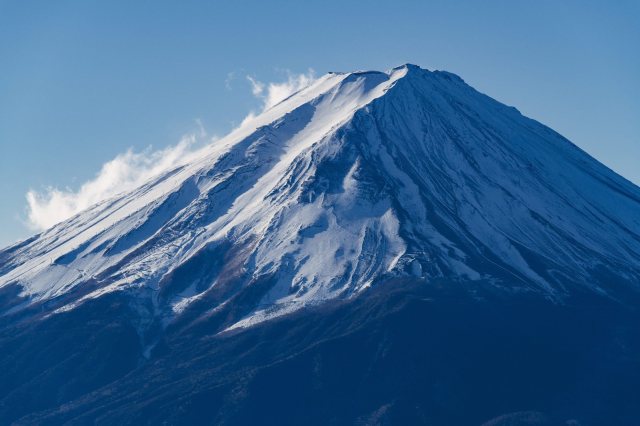
The shelters were unveiled following an annual inspection of Mount Fuji’s climbing routes by officials from Yamanashi Prefecture, Japan’s Ministry of the Environment, local police and neighbouring Shizuoka Prefecture. During the checks, it was confirmed that no snow remained on the summit trails that would prevent the Yoshida Trail from opening as scheduled on 1 July.
This year’s Yoshida Trail climbing season runs from 1 July to 10 September. Shizuoka Prefecture has brought forward the opening of the Subashiri Trail to 1 July to reduce the number of hikers accidentally descending on the wrong route, while the Fujinomiya and Gotemba trails are scheduled to open on 10 July.
Sources: FNN, YBS News, TV Asahi via Yahoo!News Japan
Top image: Pakutaso
Insert image: Pakutaso
● Want to hear about SoraNews24’s latest articles as soon as they’re published? Follow us on Facebook and Twitter!
 How to climb Mt. Fuji in 2025
 What’s it really like to climb Mt Fuji?
 Mt. Fuji climbing reservation website is now open, and here’s how to reserve your spot
 Barricades placed on Mt. Fuji as mountain officially closes because of coronavirus【Video】
 Foreign hiker on Mt. Fuji loses consciousness and dies, becoming climbing season’s second fatality
 Studio Ghibli unveils new anime calendars and diary planners for 2027
 Family Mart releases new Human Made Cup Noodle in Japan, with freebies for Nigo fans
 Japan’s final Penguin Suica train cards have already shipped, and when they’re gone, they’re gone
 Hobonichi unveils new 2027 planners, diaries and stationery with One Piece, Suica Penguin, Hello Kitty and a must-buy Mini Techo
 Hikaru Utada sings new song in Shinkansen commercial for Japan’s Supreme Class cabins
 Mister Donut releases new doughnuts that look and taste like Japanese sweet potatoes
 This Japanese 7-Eleven has the most expensive drinks, and item, we’ve even seen at the chain
 Farewell Final Ceremony announced for Tokyo’s life-size Gundam statue, will stream live
 Pizza Hut Japan creates moon-viewing sukiyaki chrysanthemum pizza for tsukimi season
 Foreign travelers arrested in Japan following smash-and-grab robbery in Tokyo shopping mall
 Japan approves foreign resident visa renewal fee increases of up to 967 percent, starts soon
 Japan tripled its departure tax to fund tourism but is using the money on cherry blossoms and bears
 Nike x One Piece collection brings Devil Fruits to sneakers and streetwear in Japan
 We recommend not buying one pack of Japan’s new convenience store corn soup-flavor fried chicken
 Police in Japan looking for who’s responsible for dumping 80 loaves of bread on side of road [Video]
 Japan’s double-decker portable rice cooker/bento maker is better than ever with new version
 Nephew of Studio Ghibli director Hayao Miyazaki serves up Totoro Shaved Ice in Tokyo
 12-year-old British girl who went missing in Tokyo found safe after visiting anime sites around Yokohama
 7-year-old boy left behind on Mt. Fuji by his own dad
 Air-conditioned dress shirts arrive in Japan to save working professionals from sweltering heat
 Sushi Bus: Japan’s first conveyor-belt bus lets you eat sushi while sightseeing around Tokyo
 Pokémon Center Online designates first Pokémon items that will require Japanese ID card to buy
 Japanese toilet aims to attract foreign tourists but not everybody is happy about it
 Tokyo’s newest viral dessert is like a Japanese parfait inside a bread bun [Taste test]
 New Japanese vending machine at Shinkansen station sells cups of ice on platform
 Study finds hundreds of people in Indonesia legally named after Naruto, Inuyasha, other anime stars
 Japan announces sudden 400-percent increase in visa fees for foreigners entering the country
 Japan’s human washing machines will go on sale to general public, demos to be held in Tokyo
 Studio Ghibli has a new anime out, and there’s only one place in the world where you can see it
 Starbucks Japan releases new drinkware and goods for Valentine’s Day
 Starbucks Japan releases new sakura goods and drinkware for cherry blossom season 2026
 Japan’s newest Shinkansen has no seats…or passengers [Video]
 Tokyo subway installing new ticket gates that don’t accept payment through Suica or other IC cards
 Japanese ninja certification exam attracts 131 candidates from Japan and abroad
 Salomon releases Japan-exclusive Mt. Fuji hiking gear that doubles as an amazing souvenir
 Put sesame oil in your coffee? Japanese maker says it’s the best way to start your day【Taste test】
 Fourth dead body found on Mt. Fuji in less than one week from climbing season start
 All Mt. Fuji summit trails are now closed as hiking season ends
 Toll fees officially added to Mt. Fuji hiking trail
 Price to climb Mt. Fuji will double, trail gates will close earlier if new plan is approved
 Entrance fee and gate closing at sundown may be coming to Mt. Fuji’s most popular hiking route
 Mt. Fuji hiking trail reservation system and advance payment details released
 Two Americans decide to hike Mt. Fuji before trails open, both need rescues on back-to-back days
 Three people die on Mt. Fuji less than 24 hours after official start of climbing season
 Mt Fuji climbers will now be refused entry if they don’t wear proper clothing
 Three dead bodies found near summit of Mt. Fuji
 99-year-old woman rescued while attempting to climb Mt. Fuji
 Mt. Fuji is officially closed for the year
 “They’ve got be kidding me.” – Mayor in Japan fed up with off-season Mt. Fuji hikers needing rescue
 New Mt. Fuji overnight bus takes travelers from downtown Tokyo straight to the most popular hiking trail
 Foreign tourist needs ambulance to pick him up at Mt. Fuji after hiking closed trail