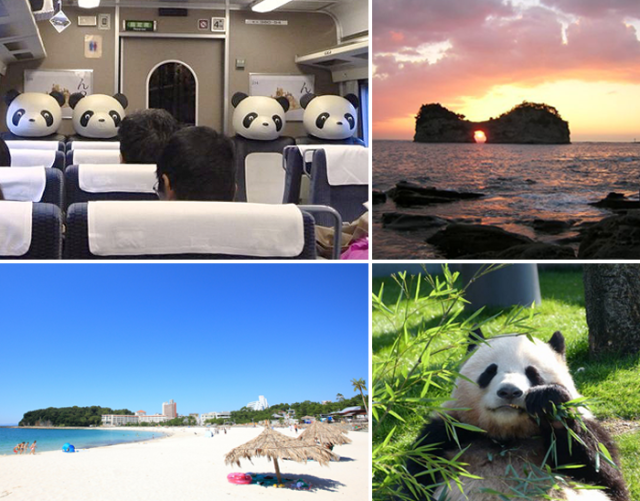
It’s time once again for travel website Trip Advisor’s list of the best places in Japan, as chosen by overseas visitors to the country. One of the things that makes Japan such a fascinated place to travel is its extreme mix of historical and modern attractions, both of which are represented in the top 30 which includes shrines, sharks, and super-sized robots.
travel (Page 122)
In some ways, the island of Okunoshima, in western Japan’s Setonaikai Inland Sea, seems like a terrible vacation spot. It’s already in an out-of-the-way region of the country, and with no connecting bridges, the only way to get there is by boat.
Then there’s its dark past. During the 1920s, ‘30s, and early ‘40s, Okunoshima was the site of a secret chemical weapons lab for the Japanese Imperial Army. The clandestine work being carried out there earned it the sinister nicknames Poison Gas Island and The Island Erased from the Maps.
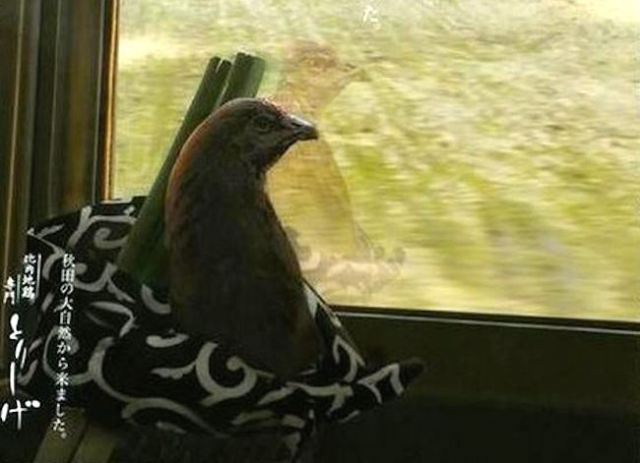
Happily, the postwar years have seen a return to more peaceful, benign activities on Okunoshima. As a matter of fact, in the last few years it’s become one of the area’s most beloved tourist destinations, and the reason why is easy to see from the other name Okunoshima is called by, Rabbit Island.
The world is a huge place, and where you spend your hard-earned money and time off is a big decision. With so many fabulous locations around the globe, how do you choose what is the best destination for you? The answer seems obvious: ask the people. With tools like Yelp and Wikitravel, crowd sourcing your best vacation spot is easier than ever.
One of the most popular travel sites, Trip Advisor, has released a survey asking its users to rank its top 37 cities, and Japan has something to celebrate before the World Cup even begins: coming in at #1 in the world!
Last spring, Japan Railways, operator of Japan’s fabled bullet trains, unveiled its design for a new Shinkansen that will whisk travelers to northeastern Japan as they relax at the onboard foot baths. Then came the announcement of an overnight train servicing Kyoto, Osaka, and Hiroshima with amenities rivaling those of a fancy hotel.
Now, it’s east Japan’s turn, as JR East has released new images of its upcoming luxury sleeper train for the region, plus its passenger suites that look genuinely large enough to live in.
Between the mentally satisfying sense of accomplishment and physical exhaustion of spending a whole day crossing three islands by bike, plus the after-dinner beer we treated ourselves to, we slept like babies after covering 30 kilometers of the Shimanami Kaido cycling course on day one. We still had more than half the distance to go before we were back on Japan’s main island of Honshu, though, and between us and our destination in Hiroshima Prefecture lay breathtaking vistas, historical artifacts, delicious food, and even a dinosaur.
We recently journeyed by rental bike across the beautiful Shimanami Kaido, the cycling road that island hops across Japan’s Inland Sea between Ehime and Hiroshima Prefectures. If you missed the first day of our 70-kilometer (45.5-mile) ride you can find it here, or read on for the second and final day of the trip.
Ask anyone in Japan if they love the shinkansen, and they’ll probably say yes. Commonly known as the bullet train, it’s convenient, handsomely designed, and the train’s aerodynamic nose is surprisingly an artisanal masterpiece, carefully formed by hand out of numerous metal plates in order to achieve the perfect curves.
Becoming a conductor of one is a typical kindergarten dream, and while a lot of kids grow out of that phase, some emerge as bona fide train fanatics who go by many monikers: tetsu-ota, tetchan, tetsu-kichi (as in “crazy”), you name it. Unfortunately, travel by shinkansen may be fast and luxurious, but it’s generally not cheap—for example, a three-hour one-way ride from Tokyo to Ōsaka can cost around 14,300 yen (US $140).
So what’s this about a 240-yen ticket in Nīgata Prefecture that has train enthusiasts all abuzz? A seasonal train station that’s actually part of a ski resort? A place called “Cowabunga” 125 miles north of Tokyo? Let comedian and self-declared train otaku, Ayako Suzukawa, be your guide today!
The Setonaikai Inland Sea is wedged between the north coast of the island of Shikoku and the southern edge of Japan’s main island of Honshu. Particularly in the island-dotted strait that separates Ehime and Hiroshima Prefectures, you’ll find some of the country’s most beautiful views and delicious seafood.
Unfortunately, there’s no train line that runs through the area, and bus service is infrequent. Ideally, you’d get around by boat, just like the merchants and pirates who used to sail the Setonaikai did, but sadly, the RocketNews24 company schooner is currently having its hull patched.
Fortunately, there’s one more way to get around the Inland Sea: the island-hopping 70-kilometer (43.5-mile) cycling road called the Shimanami Kaido.
A replica of the Statue of Liberty in Shenyang, Northeast China, has been making the rounds on Twitter this morning.But this isn’t the first time we’ve seen large-scale replicas of global tourist destinations in China.
The Asian giant with a rich cultural heritage of its own, has also incorporated architectural styles from around the world and in some instances tried to replicate Paris and towns in England.
Shanghai rolled out a “One city, Nine Towns” scheme with small towns built in a different international style.
We compiled 16 spots that China ripped off — admittedly, some of these are part of larger theme parks.
While the typical itinerary for visitors to Japan is Tokyo, Kyoto, and then home, western Japan has a lot to offer. As a matter of fact, as I type this, I’m just about to leave for a few days of enjoying the beautiful sights and delicious food of Hiroshima Prefecture.
In order to maximize my time there, I’m hopping on an overnight bus. But while that’ll get me there bright and early, it’s not nearly as stylish as the new sleeper train that was just announced by Japan Railways.
“Minecraft” is a huge, open-world sandbox game, which was released for the PC in 2009. Since then, it’s been released on other platforms, and as of February 2014, it has sold over 14 million copies on the PC, and 35 million across all the other platforms.There are various activities you perform in the game: combat, exploration, crafting, gathering items, and building things. There are no specific goals to accomplish, but there are different modes. For example, there’s Survival mode, where players have to craft items in order to build certain things. There are baddies that come out at night, and there’s a health bar that you need to check up on.
Then there’s Creative mode, in which players have the freedom to use their imaginations and build things, without worrying about health meters and bad guys.
Building in “Minecraft” is easy. You get tools, like shovels and axes, to chop down trees and cut through stone. And without a time limit or a place to go, some players have taken their creative freedom to the next level.
There’s a Japanese proverb, “Neko ni Koban,” that translates as “Giving a gold coin to a cat.” It’s a metaphor for offering something of worth that the recipient either doesn’t need or can’t understand the value of, but it’s also a telling example of how hard it is to win a cat’s favor. Cats have no use for our money, they’re not impressed by our fashion trends, and even if they appreciate our modern sense of humor they’re too proud to let it show by openly laughing.
With so few options, in an attempt to curry favor, some people offer stray cats food (although not, in fact, a bowl of curry). But might this be causing a problem to the residents of one of Japan’s famous cat islands?
We dispatched our Japanese-language correspondent, Meg, to find out (and also pet some kitties while she was at it).
Japan loves package tours. For many of them, you meet up with your tour guide and fellow travelers, hop on a bus for the countryside, then spend a few days relaxing in a hotel with some occasional shopping or sampling of local delicacies. It’s more or less the definition of safe and convenient, if not exactly exciting, travel.
If you’re looking for a trip with a little more adrenaline, though, there’s a tour next month that includes an activity set to get any anime fan’s pulse racing: helping to create the Attack on Titan live-action movie.
Nope, the above image isn’t a production still from a live-action version of The Pilot’s Love Song or Zelda: Skyward Sword. Rather, this glorious view can be seen from the popular “Sea of Clouds” (unkai) Terrace on Mount Tomamu, which is entering its ninth year of service.
Such a magnificent vista is generally the sole privilege of determined hikers, but this resort attraction in the heart of Hokkaidō delivers you to it in a mere 13 minutes, and you don’t even need an ounce of upsidasium! Whether you’re a nut for Laputa, a hardcore Bioshock Infinite cosplayer, or just a nature lover like me, you’ve got to check out this unique mountaintop experience.
It seems the Chinese countryside isn’t exactly a friendly place for people who are afraid of heights. We already talked about the horrifying Huashan path that winds up a cliff side and sometimes narrows to barely perceptible wooden planks hovering out of the fog, but it turns out life-endangering attractions involving great heights are all the rage in China.
This is the cliff-side Fangweng Restaurant, located just north of Yichang City.

Scientists at Southwest Jiaotong University in China have built a prototype testing platform for a near-vacuum high-speed maglev train that is theoretically capable of reaching speeds up to 2900 km/h or about 1,800 mph. Currently, the fastest commercially operated maglev reaches just 431 km/h and even the world record is just 581 km/hr.
Chances are, if you’ve ever had a conversation in Japanese – or even any other language – with a native Japanese person, you might have been slightly disconcerted by their constant interjections.
That’s because nodding along, saying things like “I see” (naruhodo), “Oh really?” (sou desu ka?) and just plain grunting is considered a polite way to indicate to a speaker that you’re following along in a conversation.
This technique is called “aizuchi” in Japanese and, sure, it seems common sense in any culture to occasionally give a nod of the head or look up from your riveting game of Candy Crush Saga to indicate you have at least a passing interest in what’s being said, but the Japanese really turn it into an art form.
For many visitors to Japan, their image of the city of Narita begins and ends with Narita International Airport. As such, most people plan their itineraries with the goal of spending as little time in the town as possible, unless they’re the type of odd sorts who just can’t get enough of waiting in airline check-in or customs lines.
In their rush to get into Tokyo or back home as soon as possible, though, they’re missing out on one of eastern Japan’s most visually impressive temples, Naritasan Shinshoji and its attached gardens.
For everyone dreaming of the chance to visit North Korea, you’re in luck. There is now an app for that.
The North Korea Travel app, released on Wednesday, promises to be the most comprehensive guide ever created for tourists to the Hermit Kingdom.
The app, which will be available through both the App Store and Google play, will feature information on over 350 locations throughout the country. Each location will feature “Tour Guide Tips” provided by Simon Cockerell, who works in the North Korea travel industry and has visited the country over 120 times.


Tokyo’s two most compelling yet conflicting traits, the energy from its sheer number of residents and the solitude of its back alleys, are both best appreciated from ground level. The metropolis’ scale can only truly be appreciated from high above, though, which is why Tokyo has no fewer than five major observation decks within the city limits.
As the newest and tallest of the group, the Tokyo Skytree, which opened in the spring of 2012, is by far the most prestigious of the group, and it has quickly become a more vibrant symbol of Japan’s capital than Tokyo Tower itself. But even with the millions of visitors the Skytree saw last year, the attendance was still below what was expected.


Tokyo subway installing new ticket gates that don’t accept payment through Suica or other IC cards
New Shinkansen luggage drop-off system begins in Japan, making train travel even easier
99-year-old woman rescued while attempting to climb Mt. Fuji
Which country’s foreign tourists spend the most money per-person in Japan? Hint: Not the U..S. or China
Starbucks Japan adds a new summer Frappuccino to the menu, but is it as refreshing as it looks?
Kodama Shinkansen trains on popular Japan route get a whole new look this winter
Starbucks Japan releases a miniature display rack so you can create your very own store at home
Foreign hiker on Mt. Fuji loses consciousness and dies, becoming climbing season’s second fatality
Eight great words for talking about summer in Japan in Japanese
Studio Ghibli releases anime T-shirts that pay homage to one of Hayao Miyazaki’s most personal films
Japan now has human refrigerators inspired by Japanese vending machines
Hatsune Miku collaborates with Hokusai’s art in new Vocaloid ukiyo-e illustration series [Pics]
Japanese convenience store releases Japanese convenience store-flavor fried chicken
Family Mart’s new Tokyo flagship convenience store doesn’t feel convenient, but is that a problem?
Starbucks Japan releases new Discovery Series collection celebrating local regions and traditions
Teen girl in Japan refuses to be victim, personally escorts train pervert to police for arrest
Is Japan’s tourism boom slowing down? Foreign visitor numbers fall for first time in five years
Starbucks Japan releases exclusive new Bearista collection…with beary cute details
Studio Ghibli has a new anime out, and there’s only one place in the world where you can see it
Japan announces sudden 400-percent increase in visa fees for foreigners entering the country
Salomon releases Japan-exclusive Mt. Fuji hiking gear that doubles as an amazing souvenir
Japan triples departure tax, foreign tourists and locals now must pay more to leave country
Japan launches first overnight Shinkansen bullet train between Tokyo and Osaka this summer
Family Mart opens new “Famima” flagship store in Tokyo that’s like a tourist attraction
Japan’s human washing machines will go on sale to general public, demos to be held in Tokyo
Starbucks Japan releases new drinkware and goods for Valentine’s Day
Starbucks Japan releases new sakura goods and drinkware for cherry blossom season 2026
Japan’s newest Shinkansen has no seats…or passengers [Video]
Japanese ninja certification exam attracts 131 candidates from Japan and abroad
Put sesame oil in your coffee? Japanese maker says it’s the best way to start your day【Taste test】
Japan reportedly adding Japanese language skill requirement to most common foreigner work visa
Kodama Shinkansen trains on popular Japan route get a whole new look this winter
Starbucks Japan releases a miniature display rack so you can create your very own store at home
Foreign hiker on Mt. Fuji loses consciousness and dies, becoming climbing season’s second fatality
Eight great words for talking about summer in Japan in Japanese
Studio Ghibli releases anime T-shirts that pay homage to one of Hayao Miyazaki’s most personal films
Brand new Shinkansen bullet train unveiled in Japan… but it won’t carry passengers
Cup Noodle and Columbia team up for a weird and wonderful T-shirt that’s very Japanese
Cup Noodle releases cold-water instant ramen in Japan, but can it really be made with just cold water?
Yakuza members arrested for building a road on mountain they don’t own
Japan now has human refrigerators inspired by Japanese vending machines
Hatsune Miku collaborates with Hokusai’s art in new Vocaloid ukiyo-e illustration series [Pics]
Tokyo subway and almost all Tokyo train lines now accepting credit card tap payments
Sanrio eco-friendly plushies are here for the earth-conscious lovers of all things kawaii
Yakuza members arrested for going to baseball game