Well, that’s one way to bring all the boys to your well-raked yard…
shrines (Page 10)
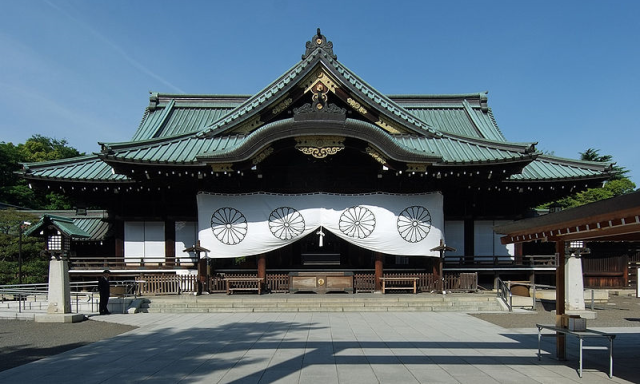
Bomb disposal unit finds remnants of suspected incendiary device at shrine for Japanese war dead in Chiyoda Ward.
There are many beautiful videos of Japan floating around on YouTube, but there’s one special channel that’s aiming to stand head and shoulders above the rest. Called TokyoStreetView – Japan The Beautiful, this is an ongoing project that’s working towards compiling a library of high definition 4K videos, showcasing unique aspects of Japanese culture and featuring beautiful locations all around the country.
We take a look at four of their stunning videos, filmed within the nation’s capital, at Akihabara and the famous Senso-ji temple in Asakusa, and in its more picturesque regional areas, at Nikko and Ise Grand Shrine in Mie Prefecture. The superb, high quality of the images is so remarkable, you’ll feel as if you’re seeing the country not through a lens but through your very own eyes!
Any proper itinerary for a trip across Japan should include stops in its three most famous Shinto shrines: Hiroshima’s Itsukushima Shrine, Kyoto’s Heian Shrine, and the Meiji Shrine in Tokyo. Those, however, are just the tip of Japan’s iceberg of breathtaking sacred Shinto spots.
Even if you’ve got no pressing interest in Japan’s indigenous religion, its shrines are often sites of breathtaking natural and architectural beauty, and here are four that, while off the beaten path, are not to be missed.

Deep in the forests of Takamorimachi, a small town in Kumamoto Prefecture on Japan’s southern island of Kyushu, hides a humble shrine shrouded by trees and moss-covered greenery. Hailed as a “power spot” by the Japanese, Kamishikimi Kumanoimasu Shrine (上色見熊野座神社) is a mystical destination for those looking to feel the earth’s energy and recharge their spirits, or to just take in the all the scenic beauty it has to offer. Even if you can’t make a visit in the near future, you can at least pacify yourself with these stunning images instead.

Every fall, parents in Japan who have children that are three, five, or seven years old celebrate something called Shichi-Go-San (literally “Seven-Five-Three”). The family heads to a Shinto shrine, where the priest performs a blessing for girls aged three and seven and boys aged five, praying for them to have long and healthy lives.
But since some pet owners will argue that their animal companions are their children, certain shrines now offer Shichi-Go-San blessings for pets, too, some of whom show up wearing delightful pet kimono!
Determining Japan’s most popular anime or manga franchise isn’t such a cut-and-dry thing, as different criteria suggest giving the crown to different series. For example, if you’re going by longevity, pirate saga One Piece has to be in the discussion, since its manga started in 1997 and its anime in 1999, with both still going strong.
However, you could also make a case that teen idol singer story Love Live! is a contender for the title, since currently no other show’s fanbase can hold a candle to the burning passion of the Love Livers, as Love Live! fans are called.
But while the main characters of both One Piece and Love Live! and friendly, forgiving, and work well in a team, the Love Livers are feeling quite a bit more animosity towards One Piece creator Eiichiro Oda for a remark he made that many interpreted as the famous manga artist throwing shade on the way Love Live! has become a pop cultural phenomenon.
Just in time for the peak summer travel season, website TripAdvisor has released its annual list of the highest-rated spots in Japan from its foreign users. With 30 amazing locations on the list, you’ll want to start your journey as soon as possible if your goal is to see them all, so let’s dive right in and take a look at this year’s picks.
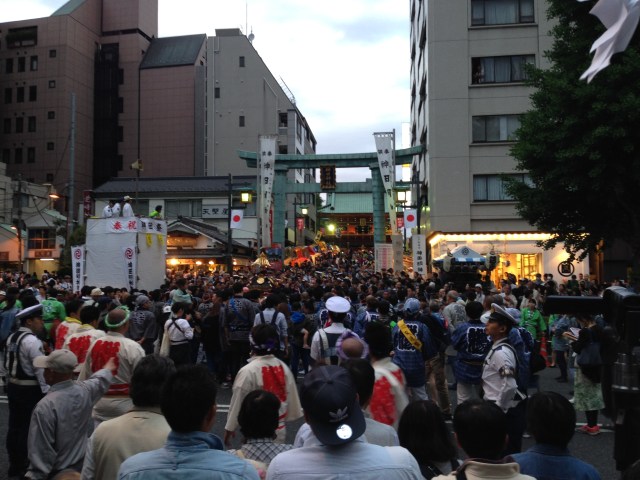
Even in a city as packed with people as Tokyo, some places, and times, are more crowded than others. So when and where can you find the largest, densest mass of humanity? Some would say the Yamanote loop line during the morning rush hour. Others would vote for Shibuya’s scramble crosswalk intersection on a Saturday night.
But before you go awarding the crown to either of those two candidates, take a look at the massive crowds that came out for the Kanda Matsuri festival last weekend.
When entering the grounds of a Shinto shrine in Japan, it’s customary to first stop by the water basin near the gate and rinse your hands, and sometimes your mouth, in order to cleanse them. Water isn’t the only classical element held to have purifying properties in Shintoism, though, since the same can be said about fire.
Obviously, worshippers aren’t called upon to put fire on their palms or inside their mouths. Instead, Shinto priests light pyres of charms and decorations during the Dondo Yaki ceremony, with the towering blazes regularly reaching 15 meters (49.2 feet) into the air.
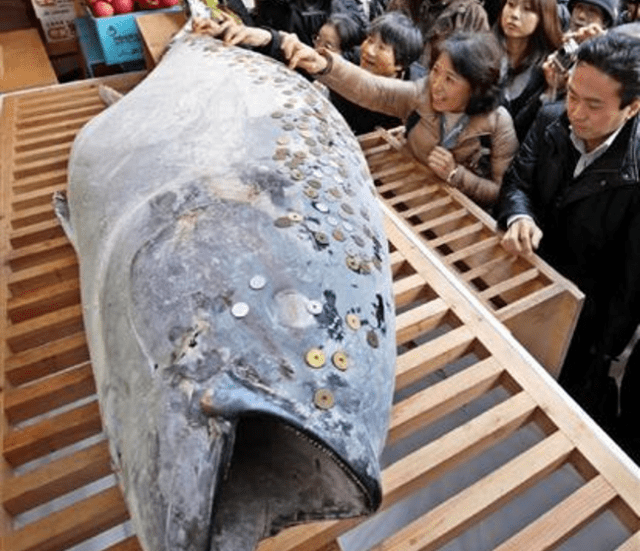
The start of a new year means it’s time for hatsumōde, the year’s first visit to a Shinto shrine or Buddhist temple. You pray for good luck in the new year, throw some spare yen into the saisenbako (big offering box), get some omamori (good luck charms), and hope that the omikuji (fortune) you get is dai-kichi (great luck) and not dai-kyō (you’re screwed).
While most people are satisfied donating a few yen coins in the donation box when they visit their shrine, the Nishinomiya shrine in Hyogo Prefecture does things a little differently. They want to make sure the gods hear them loud and clear, so they lug a massive frozen maguro onto the donation box and leave it there for three days.
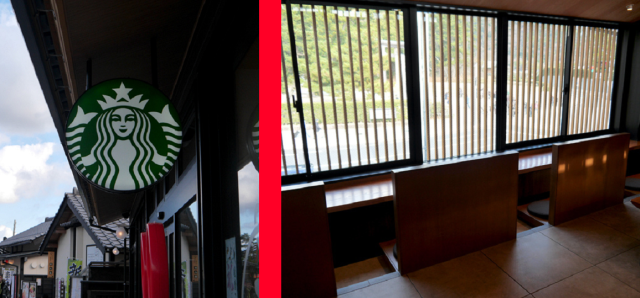
Shintoism has such a large pantheon of gods that the religion even has a structured way in which they all keep in touch with each other. Every October, the deities enshrined across the nation are said to gather in Shimane Prefecture’s Izumo Taisha Shrine, where they convene for their annual divine meeting.
We imagine it’s a busy conference, considering that some eight million deities are thought to attend. So we’re sure several of them were happy to find Izumo City now has a Starbucks, with the same tasty beverages the chain serves all over Japan, but with Japanese décor that’s unique to Izumo.
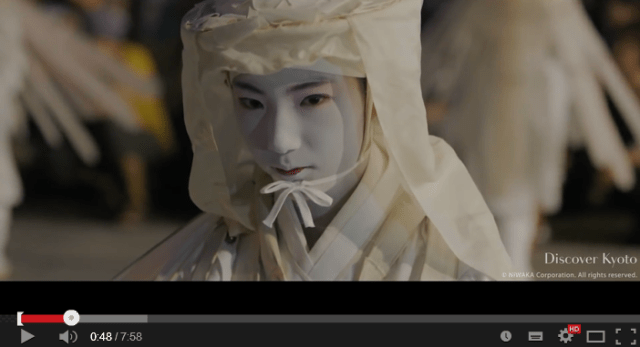
Many neighborhoods in Japan have festivals during the summer, often centered around the local shrine. They generally include processions, musical performances, and Shinto rituals, with the festivities lasting a day, or maybe two if they stretch throughout the weekend.
Kyoto’s Gion district, though, does things on a grander scale. The Gion Matsuri (Gion Festival) starts on July 1 and runs for the entire month, with some sort of event happening almost every day. And while most non-residents can’t clear out enough of their schedule to sped a few solid weeks in Japan’s former capital, this beautiful video gives the highlights of the event.
It’s time once again for travel website Trip Advisor’s list of the best places in Japan, as chosen by overseas visitors to the country. One of the things that makes Japan such a fascinated place to travel is its extreme mix of historical and modern attractions, both of which are represented in the top 30 which includes shrines, sharks, and super-sized robots.
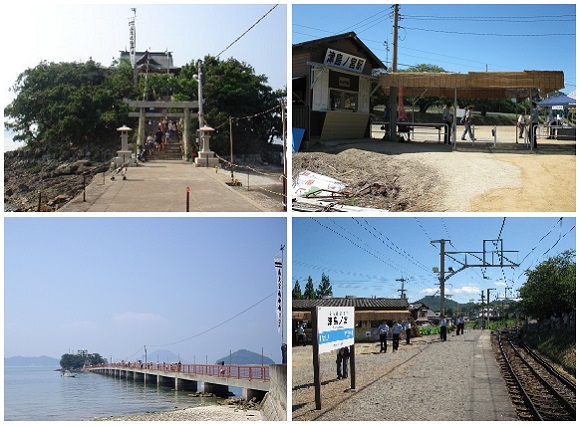
Without a doubt, one of the things Japan is best known for is trains. And it’s not just marketing hype either–public transportation is apparently good enough to accommodate the decreasing number of Japanese youth getting driver’s licenses. But while most trains can be counted on to run from 5 am to 1 am every day of the week in the cities, that’s not always the case in rural areas.
Take Tsushima no Miya station in Kagawa Prefecture, for example, where the train has the most limited schedule in the country: It’s only open two days out of the year!
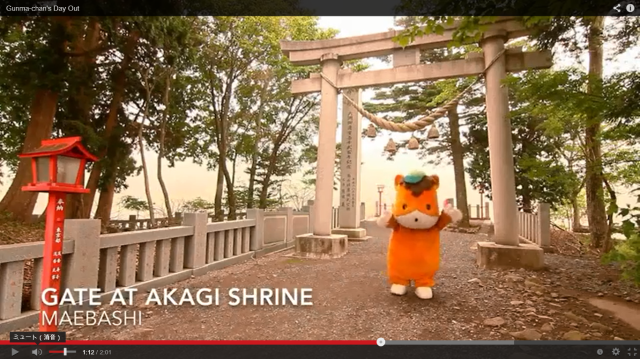
At first glance, Gunma may not seem to have a whole lot going for it. It’s one of Japan’s few landlocked prefectures, which means less access to Japan’s legendarily fresh seafood. The lack of a coastline also means Gunma doesn’t have a vibrant urban heart like Japan’s largest cities which grew out of its busiest ports, so economic and modern entertainment opportunities are limited compared to Tokyo, Osaka, or Fukuoka.
What Gunma does have is mountains, hot springs, and shrines, though. It’s also got Gunma-chan, its lovable horse mascot who shows off the prefecture’s attractions and some adorable dance moves in this new video.
Japan loves its cats. When feline fans here aren’t going online to swap trivia about their favorite members of the animal kingdom, they’re playing with cute kitties between sips of coffee at one of the nation’s many cat cafes.
At times, it even seems like “love” doesn’t properly convey the depths of their emption, and that it would be more appropriate to say some people worship the creatures, which is exactly what you can do at these nine shrines and temples dedicated to cats.
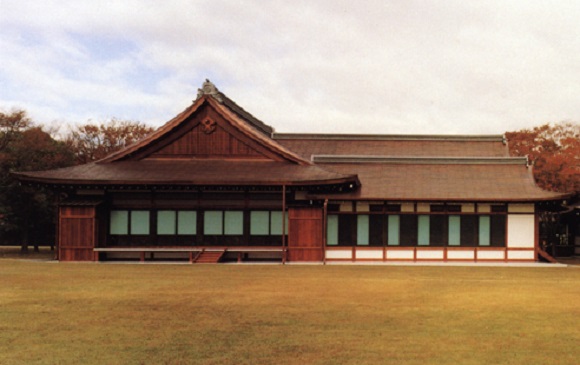
As you’re probably aware, Japan has quite the lengthy history, stretching back thousands of years. And, as with any civilization, ancient Japan had need of commerce, which lead to the establishment of some of the oldest companies in the world.
Today, we bring you a list of our 10 favorite ancient Japanese companies. From sake to mountain-side inns to Buddhist temple construction companies, there’s something here for everyone!
MOST POPULAR
Today
 Eight low-key great places to spend the day (or half a day) in Japan this fall
 New Studio Ghibli stamps – Too cute to wait until New Year’s to use, so they’re available right now
 Tokyo bakery has a crazy expensive 10,000-yen bread loaf set, and we’ve tried it [Taste test]
 Osaka’s famous Glico Running Man will be removed and replaced with a new-look sign
 Voting begins for Japan’s next top kaiju
 The cheapest bento at this Osaka shop is only 200 yen, but is it actually any good?
 Studio Ghibli creates illustrated Kyoto sightseeing map, available at any 7-Eleven Japan store
 Man in Suzuka offered 9 million yen for his semen, conned out of 38 million yen
 Burger King Japan now selling hamburgers minus everything but the meat
 Family Mart releases 47 convenience store socks and stickers, one for every prefecture in Japan
Weekly
 What’s it like to stay in a Japanese container hotel?
- Studio Ghibli creates illustrated Kyoto sightseeing map, available at any 7-Eleven Japan store
- Osaka’s famous Glico Running Man will be removed and replaced with a new-look sign
 American man runs out of money in Japan, gets arrested for overstaying tourist visa
 Foreign travelers sitting on sidewalks of Tokyo’s Ginza are Japan’s latest tourism culture clash
- Family Mart releases 47 convenience store socks and stickers, one for every prefecture in Japan
 Studio Ghibli adds new Totoro and Jiji blanket socks to its merchandise store in Japan
 Studio Ghibli adds Totoro family goods to its anime merchandise store in Japan
 New Gundam plush goods mix cosplay and comfort for Char-custom-level coziness [Pics]
 We waited three hours to get into the new carb heaven all-you-can-eat bread restaurant in Osaka
Monthly
 Japan announces new permanent residency guidelines, foreigners must earn more than average Japanese person
 Starbucks Japan unveils new Pokémon collaboration with Pikachu Latte and exclusive goods
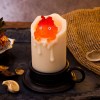 Studio Ghibli’s Calcifer is ready to light up your home as a magical-looking candle lamp [Photos]
- Family Mart releases 47 convenience store socks and stickers, one for every prefecture in Japan
 Lady Gaga and Family Mart team up for a Japanese convenience store work video [Video]
- What’s it like to stay in a Japanese container hotel?
 Studio Ghibli releases new plush mascot character collection with a focus on friendship
 Tokyo train station will play Godzilla theme song as new departure melody
 Do Japan’s new single-minded convenience store bento show depressing poverty or satisfying focus?
 Studio Ghibli unveils new anime stationery collection, with a Spirited Away River God memo stand
Yearly
 Japan announces sudden 400-percent increase in visa fees for foreigners entering the country
 Japan’s human washing machines will go on sale to general public, demos to be held in Tokyo
 Studio Ghibli has a new anime out, and there’s only one place in the world where you can see it
 Starbucks Japan releases new drinkware and goods for Valentine’s Day
 Starbucks Japan releases new sakura goods and drinkware for cherry blossom season 2026
 Japan’s newest Shinkansen has no seats…or passengers [Video]
 Tokyo subway installing new ticket gates that don’t accept payment through Suica or other IC cards
 Japanese ninja certification exam attracts 131 candidates from Japan and abroad
 Salomon releases Japan-exclusive Mt. Fuji hiking gear that doubles as an amazing souvenir
 Japan reportedly adding Japanese language skill requirement to most common foreigner work visa
RECOMMENDED STORIES
 The cheapest bento at this Osaka shop is only 200 yen, but is it actually any good?
 Studio Ghibli creates illustrated Kyoto sightseeing map, available at any 7-Eleven Japan store
 Man in Suzuka offered 9 million yen for his semen, conned out of 38 million yen
 Burger King Japan now selling hamburgers minus everything but the meat
 Family Mart releases 47 convenience store socks and stickers, one for every prefecture in Japan
 Studio Ghibli adds new Totoro and Jiji blanket socks to its merchandise store in Japan
 Free-flowing cocktails, natural onsen water, and custom pillows make this Osaka hotel a steal
 This shrine in Japan invites you to hit and kick its god of poverty statue for good luck [Photos]
 High-speed Japanese festival cart crashes cause two deaths on same day, ignite debate over tradition
 Japan announces new permanent residency guidelines, foreigners must earn more than average Japanese person
 Shibuya goes hard on Halloween, announces countermeasures to prevent chaos on the streets
 Dragon’s Maze: Japan’s built-by-hand giant labyrinth that gets bigger and harder every year
 New Gundam plush goods mix cosplay and comfort for Char-custom-level coziness [Pics]
 American man runs out of money in Japan, gets arrested for overstaying tourist visa
-
