If you’re planning to visit this Shinto shrine’s Gym, you might want to say some prayers first.
shrines (Page 9)
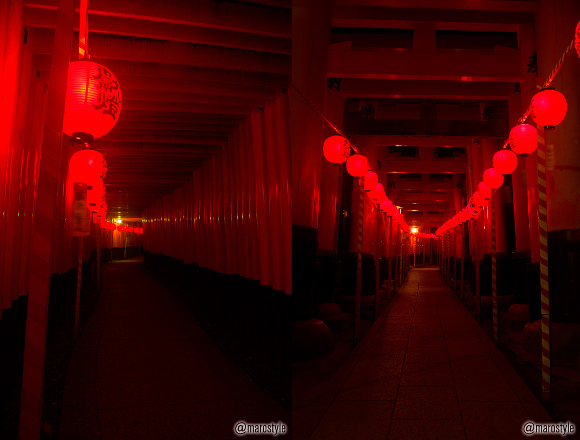
The Kyoto shrine famous for thousands of vermilion torii gates will spirit you away to a mystical world of beauty this weekend at its famous annual night-time festival.
Read More
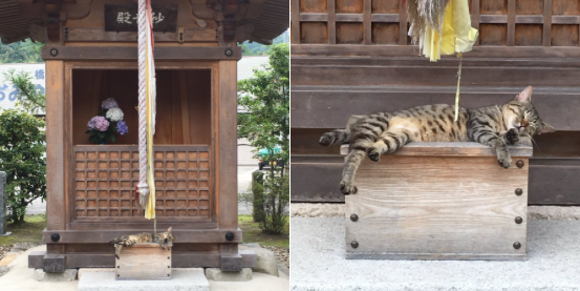
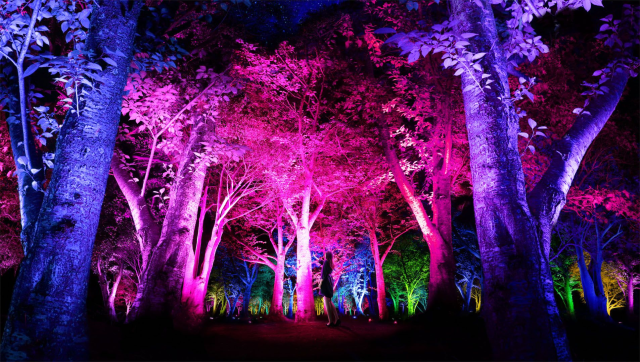
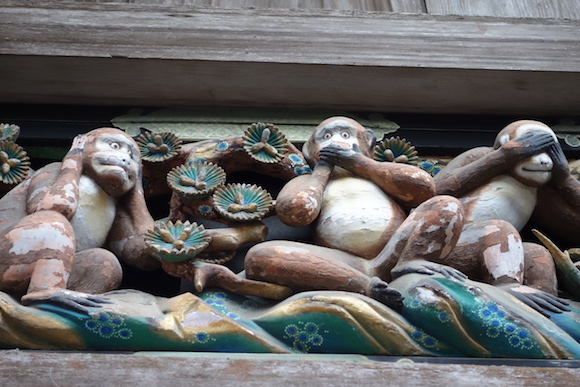
If you’re planning a trip to the UNESCO World Heritage sites at Nikko in the near future, you’ll be missing out on two of the most famous original wood carvings in the area.
Read More
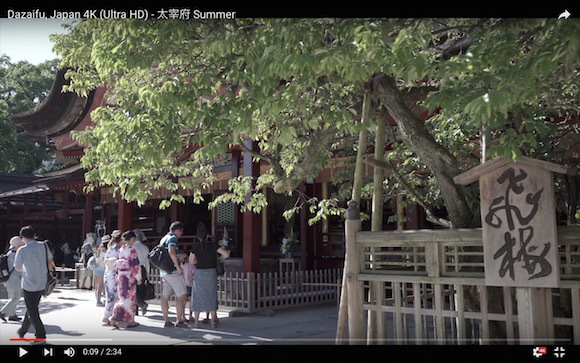
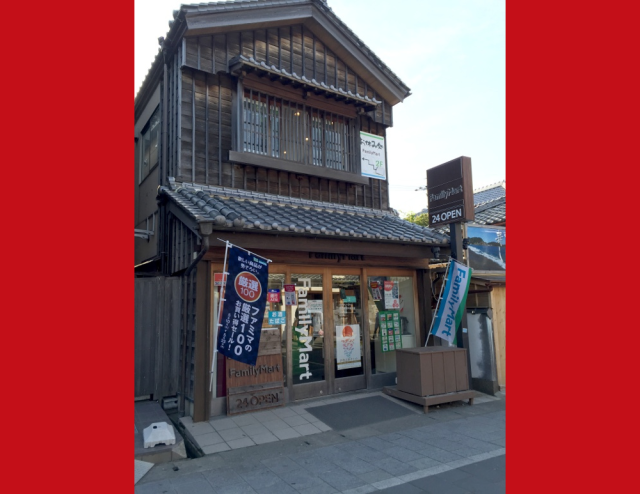
Convenience stores in Japan are often like mini supermarkets, but this one near one of Shinto’s holiest shrines also feels like a time machine.

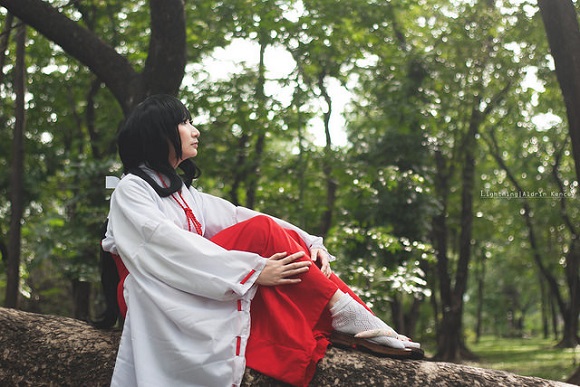
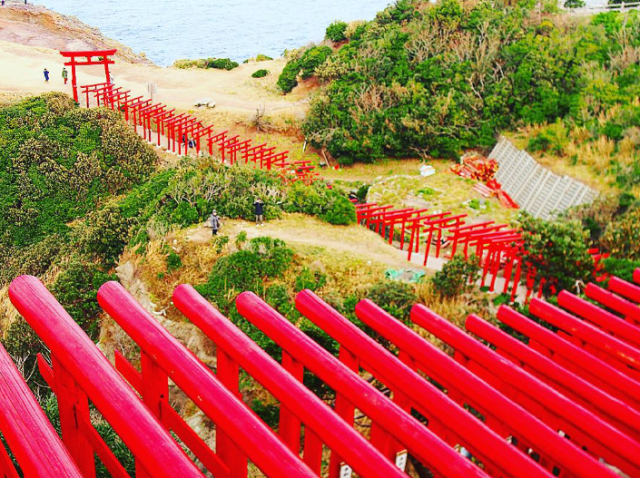
There’s more to this unusual shrine than its stunning red torii gates that lead down to the Sea of Japan.
Well, that’s one way to bring all the boys to your well-raked yard…
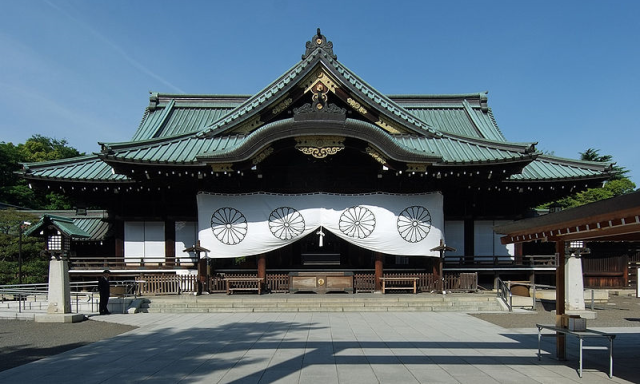
Bomb disposal unit finds remnants of suspected incendiary device at shrine for Japanese war dead in Chiyoda Ward.
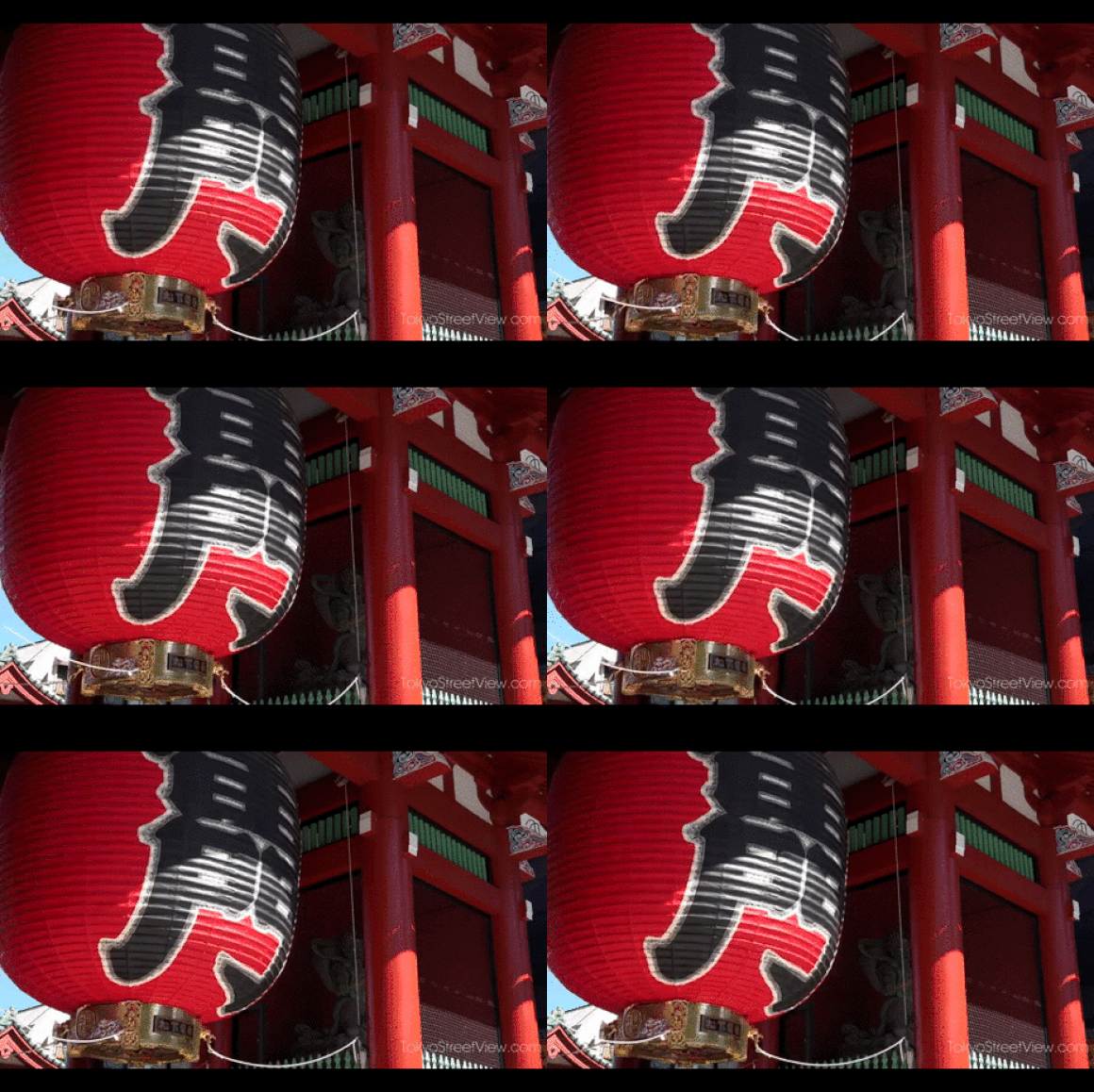
There are many beautiful videos of Japan floating around on YouTube, but there’s one special channel that’s aiming to stand head and shoulders above the rest. Called TokyoStreetView – Japan The Beautiful, this is an ongoing project that’s working towards compiling a library of high definition 4K videos, showcasing unique aspects of Japanese culture and featuring beautiful locations all around the country.
We take a look at four of their stunning videos, filmed within the nation’s capital, at Akihabara and the famous Senso-ji temple in Asakusa, and in its more picturesque regional areas, at Nikko and Ise Grand Shrine in Mie Prefecture. The superb, high quality of the images is so remarkable, you’ll feel as if you’re seeing the country not through a lens but through your very own eyes!
Any proper itinerary for a trip across Japan should include stops in its three most famous Shinto shrines: Hiroshima’s Itsukushima Shrine, Kyoto’s Heian Shrine, and the Meiji Shrine in Tokyo. Those, however, are just the tip of Japan’s iceberg of breathtaking sacred Shinto spots.
Even if you’ve got no pressing interest in Japan’s indigenous religion, its shrines are often sites of breathtaking natural and architectural beauty, and here are four that, while off the beaten path, are not to be missed.

Deep in the forests of Takamorimachi, a small town in Kumamoto Prefecture on Japan’s southern island of Kyushu, hides a humble shrine shrouded by trees and moss-covered greenery. Hailed as a “power spot” by the Japanese, Kamishikimi Kumanoimasu Shrine (上色見熊野座神社) is a mystical destination for those looking to feel the earth’s energy and recharge their spirits, or to just take in the all the scenic beauty it has to offer. Even if you can’t make a visit in the near future, you can at least pacify yourself with these stunning images instead.

Every fall, parents in Japan who have children that are three, five, or seven years old celebrate something called Shichi-Go-San (literally “Seven-Five-Three”). The family heads to a Shinto shrine, where the priest performs a blessing for girls aged three and seven and boys aged five, praying for them to have long and healthy lives.
But since some pet owners will argue that their animal companions are their children, certain shrines now offer Shichi-Go-San blessings for pets, too, some of whom show up wearing delightful pet kimono!
Determining Japan’s most popular anime or manga franchise isn’t such a cut-and-dry thing, as different criteria suggest giving the crown to different series. For example, if you’re going by longevity, pirate saga One Piece has to be in the discussion, since its manga started in 1997 and its anime in 1999, with both still going strong.
However, you could also make a case that teen idol singer story Love Live! is a contender for the title, since currently no other show’s fanbase can hold a candle to the burning passion of the Love Livers, as Love Live! fans are called.
But while the main characters of both One Piece and Love Live! and friendly, forgiving, and work well in a team, the Love Livers are feeling quite a bit more animosity towards One Piece creator Eiichiro Oda for a remark he made that many interpreted as the famous manga artist throwing shade on the way Love Live! has become a pop cultural phenomenon.
Just in time for the peak summer travel season, website TripAdvisor has released its annual list of the highest-rated spots in Japan from its foreign users. With 30 amazing locations on the list, you’ll want to start your journey as soon as possible if your goal is to see them all, so let’s dive right in and take a look at this year’s picks.
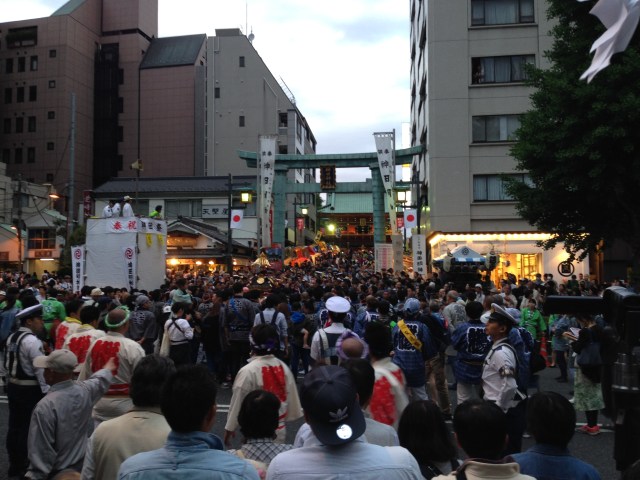
Even in a city as packed with people as Tokyo, some places, and times, are more crowded than others. So when and where can you find the largest, densest mass of humanity? Some would say the Yamanote loop line during the morning rush hour. Others would vote for Shibuya’s scramble crosswalk intersection on a Saturday night.
But before you go awarding the crown to either of those two candidates, take a look at the massive crowds that came out for the Kanda Matsuri festival last weekend.
MOST POPULAR
Now
 Japan’s most popular domestic burger chain adds 100-percent vegan burgers to menu
 Ramen restaurant in top Tokyo tourist neighborhood skips price gouging, but how does it taste?
 7-Eleven Japan releases a crazy new viral sandwich: Chocolate Sprinkles and Whipped Cream
 Drinkable pixels: 7-Eleven Japan creates new convenience store juice with “pixels” inside
 Fake police phone scam also highlights dumb stereotype about how foreigners speak Japanese[Video]
 Virtual idol Hatsune Miku redesigned with look that adds new elements and brings back old ones
 2,000 figures ready for their close-ups at toy exhibition in Ikebukuro – and oh, admission is free!
 These are Tokyo train lines people most want to live along【Survey】
 Studio Ghibli adds folding fans to its anime specialty store in Japan
 Hoisu: The phantom Japanese sake that can’t be purchased in stores
Weekly
 Japanese onsen egg maker from 100-yen store Daiso needs to be on your shopping list
 Starbucks Japan releases new My Fruit³ Frappuccino at only 34 stores around the country
 Tokyo government organizes food truck event to clear out delinquent/homeless teen gathering area
 Cherry blossoms begin blooming in Japan with record-early starts for sakura season
 Nine amazing off-the-beaten-path cherry blossom spots in Japan for yaezakura and shidarezakura
 Stunning central Japan wisteria festival is like a purple fantasy straight out of a Ghibli movie
 Create a tiny Ghibli anime world on your bookshelf with new miniature papercraft art kits
 Studio Ghibli releases the My Neighbour Totoro tea caddy, with a magical self-closing lid
 Japan now has a “for foreign tourists only” Mt. Fuji sightseeing train[Video]
 When will the cherry blossoms reach full bloom in Japan this year?[Forecast]
Monthly
 Starbucks Japan unveils new sakura cherry blossom collection for hanami season 2026
 Train station platform ramen store closes its doors on half a century of history in Tokyo
 Studio Ghibli releases Catbus pullback keychain that runs like the anime character
- Starbucks Japan releases new My Fruit³ Frappuccino at only 34 stores around the country
- Japanese onsen egg maker from 100-yen store Daiso needs to be on your shopping list
 Nine great places to see spring flowers in Japan, as chosen by travelers (with almost no sakura)
 Starbucks Japan releases first-ever Hinamatsuri Girls’ Day Frappuccino
- Cherry blossoms begin blooming in Japan with record-early starts for sakura season
 Studio Ghibli adds new Mother’s Day gift sets to its anime collection in Japan
- Virtual idol Hatsune Miku redesigned with look that adds new elements and brings back old ones
Yearly
 Survey asks foreign tourists what bothered them in Japan, more than half gave same answer
 Japan’s human washing machines will go on sale to general public, demos to be held in Tokyo
 Starbucks Japan releases new drinkware and goods for Valentine’s Day
 We deeply regret going into this tunnel on our walk in the mountains of Japan
 Studio Ghibli releases Kodama forest spirits from Princess Mononoke to light up your home
 Starbucks Japan releases new sakura goods and drinkware for cherry blossom season 2026
 Japan’s newest Shinkansen has no seats…or passengers [Video]
 Major Japanese hotel chain says reservations via overseas booking sites may not be valid
 Put sesame oil in your coffee? Japanese maker says it’s the best way to start your day【Taste test】
 No more using real katana for tourism activities, Japan’s National Police Agency says
RECOMMENDED STORIES
 Virtual idol Hatsune Miku redesigned with look that adds new elements and brings back old ones
 2,000 figures ready for their close-ups at toy exhibition in Ikebukuro – and oh, admission is free!
 These are Tokyo train lines people most want to live along【Survey】
 Studio Ghibli adds folding fans to its anime specialty store in Japan
 Hoisu: The phantom Japanese sake that can’t be purchased in stores
 A faster, easier way to make cake: Use a rice cooker【SoraKitchen】
 Umamusume food and drinks dash into real world at Family Mart convenience stores[Taste test]
 Japanese government says country needs more women’s room toilets to meet modern society’s needs
 Ghibli Museum building becomes a cuddly cushion
 “Online streamer” tops dream job poll for young Japanese kids, older kids not so interested
 Häagen-Dazs Japan releases new ASMR ice cream called “Rocky Crunchy!”
 We visit izakaya in Thailand billed as “Middle Aged Man’s Paradise”, try food that’s illegal in Japan
 How to make amazing sweet apple pancakes using a rice cooker 【RocketKitchen】
 New cat-friendly homes in Japan come specially designed for felines
-
