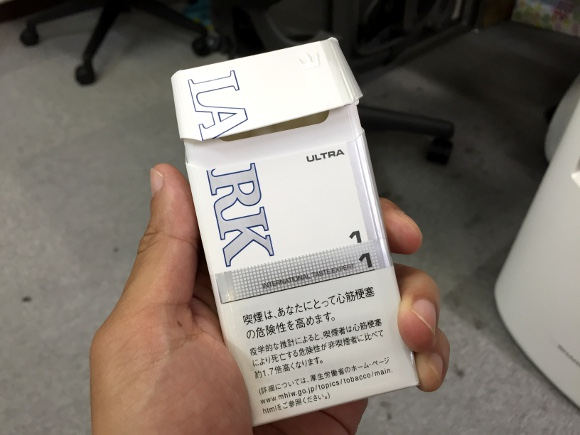
Proposed tax hike aims to reduce the number of people lighting up before the Olympic flame comes to Tokyo.
Bringing you yesterday's news from Japan and Asia, today.
government (Page 7)
Proposed tax hike aims to reduce the number of people lighting up before the Olympic flame comes to Tokyo.
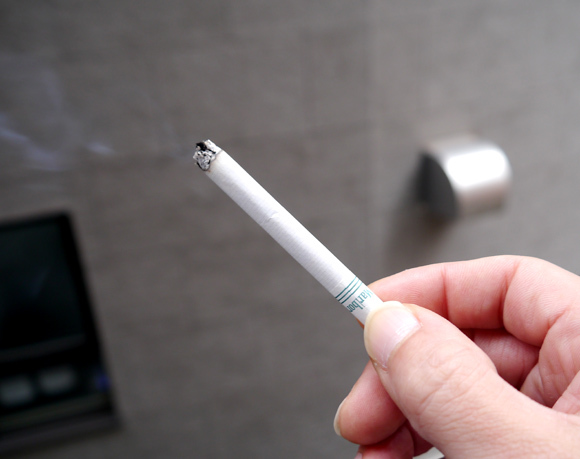
The pallor of smoke that covers so many restaurants and bars in Japan may become a thing of the past.
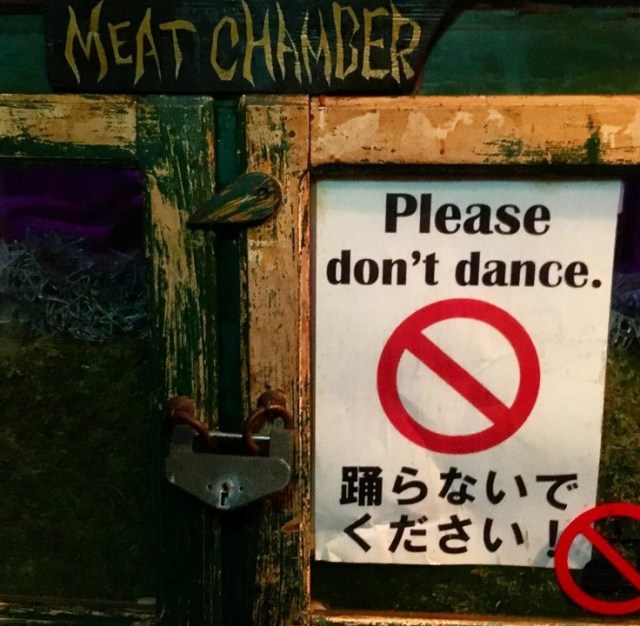
The Japanese government has passed a bill relaxing its decades old prohibition on dancing, but the new law may not be much better than the old one.

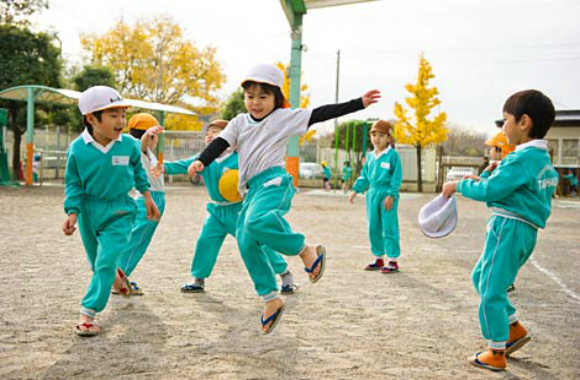
Perhaps unsurprisingly, Japan’s Ministry of Health, Labour and Welfare found that lower-income families consumed fewer vegetables and had fewer teeth.
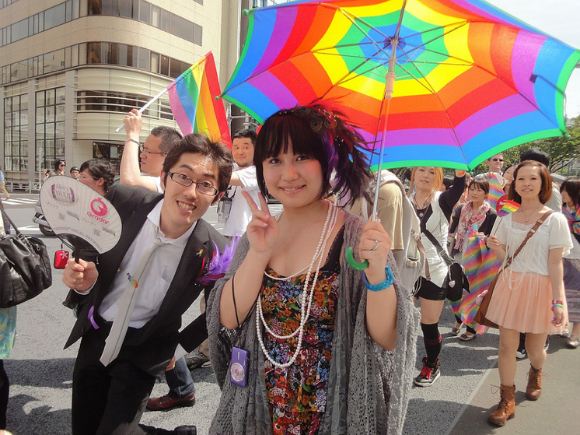
On November 28, the results of Japan’s first national survey about attitudes toward gay marriage were revealed. What kind of image did they paint of the people of Japan?

The Japanese government has asked the UN to retract its recent statement that claims 13 percent of girls in Japan are involved in compensated dating.

The above scene of Japanese elected officials climbing on top of each other like extras in a Pearl Jam music video made headlines worldwide much to the country’s chagrin. And it was in this way that Japan has officially reinterpreted its constitution to allow military deployment to other parts of the world for the first time since World War II.
Yes, rather than through persuasive speech and the rational debate that government was designed to produce, the future course of Japan had been steered by underhanded tricks, shoving matches, and even a decoy legislation made of a One Piece advert.
But were these uncivilized tactics motivated by honest passion and the sheer intensity of the situation, or were the elite of Japanese society simply showing their true nature of political impotence? To find out, let’s take a look at how the whole fracas started.

Over the past few weeks, the Japanese organization SEALDs, which stands for Students Emergency Action for Liberal Democracy, has been staging large-scale protests in opposition of those politicians who’ve proposed expanding the role of the Japan Self-Defense Forces. The gatherings have become regular features on news programs, with footage showing large groups of impassioned youths chanting for Prime Minister Shinzo Abe to step down.
So after such a show of conviction, it must have been surprising for followers of SEALDs’ English Twitter account to see a tweet that suddenly announced the group is calling it quits.

A huge victory in the metrosexual rights movement was made last week when the Japanese Ministry of Health, Labor, and Welfare decided to abolish a guideline which stated that “men should not be able to get haircuts at beauty salons.”
While visiting friends who were a part of the recent Naruto stage production, Japanese film and music star Gackt was left with a bad feeling. Having watched one of the overseas Naruto performances, the singer couldn’t help but notice the lack of people in the audience.
Gackt doesn’t rule out possible flaws with the play such as too much material crammed into a short time. However, as he wrote in a recent impassioned blog post, he thinks the real culprit may be the Japanese government and their Cool Japan promotional program, which he feels is anything but.

The word “hacker” might bring to mind the motley crew of the 1995 film Hackers, or else a number of high-profile cyberattacks resulting in everything from compromised email addresses to a massive Sony data leak. Recently, however, cybersecurity measures are proving that not all hackers are created equal.
Starting in early 2015, the Japanese government will begin recruiting personnel for a fledgling team of “white hat” hackers. Unlike their counterparts on the other side of the law, these computer experts will bring their skills to bear in identifying and protecting against potential security threats.
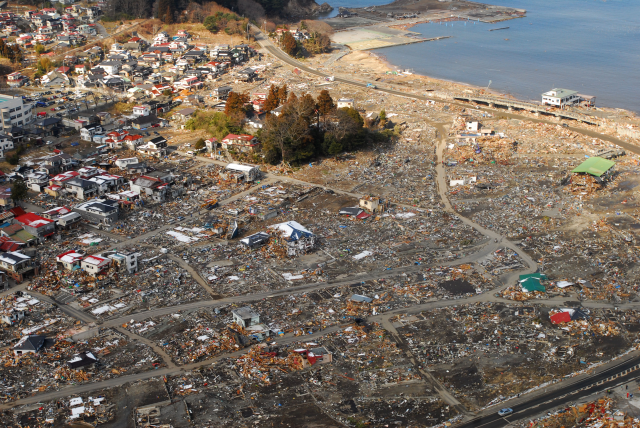
This coming spring will mark four years since the devastating earthquake and tsunami that struck Japan on March 11, 2011. While that’s not nearly long enough for the those who experienced the tragedy first-hand to forget about the destruction, sadness, and fear, some politicians are concerned that in time memories will fade, which is why a bill is being introduced in the Japanese Diet to establish March 11 as an official day of remembrance of the disaster.

Some people see things in black and white while others tend to judge each incident as a unique situation with its own parameters of right and wrong.
Take drunk driving for example. There are many who would say that under any circumstance getting behind the wheel of an automobile with significant levels of alcohol in the system deserves punishment. And then there are some that say there may be exceptions to the rule.
Luckily for some government workers who got picked up by police for drunk driving, more than a few district court judges appear to belong to the latter camp.
In Japan, work comes first. For most people, their professional life takes priority over their family, romantic, and personal lives, with long hours and short vacations being the norm.
Given that environment, it’s no surprise that after their shift ends, many people want to stop off at a bar for a cold beer to wash the taste of work out of their mouth. For a one-month period, though, that wasn’t an option for civil servants in Fukuoka City, due to a temporary ban on drinking outside their homes. Obviously, this wasn’t a popular rule among workers, and one man was so upset he’s now suing the city, asking for a single yen in compensation.
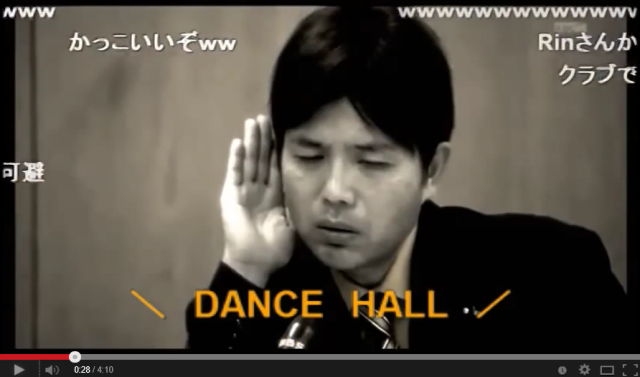
Until about a week ago, Ryutaro Nonomura was a relatively unknown prefectural assemblyman from Hyogo in Japan’s Kansai region. Name recognition is extremely important for politicians in Japan, where ballots often require voters to write in the name of the candidate they’re voting for, so under normal circumstances the fact that the whole country now knows who Nonomura is would be a major boon for his political career.
Unfortunately, “manically crying while responding to allegations of misuse of government funds” is anything but normal, but that’s exactly what has caused Nonomura’s sudden rise to fame. Aside from making citizens shake their heads at the conduct of public officials, Nonomura’s meltdown has caused people to both laugh and cringe.
And now, it’s ready to make them dance.
It’s only been a few months since Japan’s consumption tax jumped from five to eight percent, making everything consumers buy instantly at least three percent more expensive. Some sneaky retailers even took advantage of the opportunity by tacking an extra three percent onto their displayed, pre-tax prices.
Now comes a rumor of an entirely new revenue stream the Japanese government might be moving to secure: a tax on cell phones.

Even the most conscientious planners can be smacked upside the head by life sometimes. Whether from a medical situation, accident, or family tragedy, you could find yourself in need of financial assistance just to make ends meet. Luckily, social safety nets exist for just this reason.
Still, it can be hard to swallow one’s pride and ask for help, which is why staff at the welfare office should be especially sensitive to the feelings of applicants, but a recent investigation into practices at the Osaka welfare bureau have uncovered that many applicants encountered shocking insensitivity, sometimes so callous it crossed into sexual harassment.

Back in 2012 the Japanese government earmarked one billion yen (US$9.8 million) for the Kindigi project which grants subsidies to publishers so that they can digitize their works to sell online. The ebooks are intended to allow people in regions affected by the Tohoku Earthquake to get easier access to information. As an added bonus it was hoped this would give Japan’s ebook market a shot in the arm all over the country as well.
However, one year after the digitization of 64,833 works was completed with tax money having paid for half the cost, a group of people involved in the publishing industry have been distributing flyers and organizing meetings over the handling of Kindigi. They found that among the thousands of ebooks were several that they deemed controversial including 100 “erotic” works such as Aan… Ecchina Kaikan Ai (Ughnn… Dirty Pleasure Love).
 Umamusume anime concerts unable to obtain visas from U.S. government, cancels L.A. shows
 Tiny no-screen digital camera gives us near-instant nostalgia by making us wait to see our pics
 Man in Suzuka offered 9 million yen for his semen, conned out of 38 million yen
 Flying Mud Boat teahouse is a hidden gem in Japan that boggles the mind
 Tokyo bakery has a crazy expensive 10,000-yen bread loaf set, and we’ve tried it [Taste test]
 Eight low-key great places to spend the day (or half a day) in Japan this fall
 Umamusume anime concerts in U.S. may have to be cancelled over visa problems
 It’s time for the kokia to shine at this herb gardens and ropeway attraction in Kobe
 Robot matchmaking party in Japan has couples sit silently, techno cupids make small talk for them
 New Studio Ghibli stamps – Too cute to wait until New Year’s to use, so they’re available right now
 Studio Ghibli creates illustrated Kyoto sightseeing map, available at any 7-Eleven Japan store
 Osaka’s famous Glico Running Man will be removed and replaced with a new-look sign
 American man runs out of money in Japan, gets arrested for overstaying tourist visa
 Foreign travelers sitting on sidewalks of Tokyo’s Ginza are Japan’s latest tourism culture clash
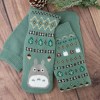 Studio Ghibli adds new Totoro and Jiji blanket socks to its merchandise store in Japan
 Family Mart releases 47 convenience store socks and stickers, one for every prefecture in JapanNew Studio Ghibli stamps – Too cute to wait until New Year’s to use, so they’re available right now
 Studio Ghibli adds Totoro family goods to its anime merchandise store in Japan
 We waited three hours to get into the new carb heaven all-you-can-eat bread restaurant in Osaka
 What’s it like to stay in a Japanese container hotel?
 Japan announces new permanent residency guidelines, foreigners must earn more than average Japanese person
 Starbucks Japan unveils new Pokémon collaboration with Pikachu Latte and exclusive goods
 Studio Ghibli’s Calcifer is ready to light up your home as a magical-looking candle lamp [Photos]Family Mart releases 47 convenience store socks and stickers, one for every prefecture in Japan
 Lady Gaga and Family Mart team up for a Japanese convenience store work video [Video]What’s it like to stay in a Japanese container hotel?
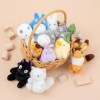 Studio Ghibli releases new plush mascot character collection with a focus on friendship
 Tokyo train station will play Godzilla theme song as new departure melody
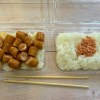 Do Japan’s new single-minded convenience store bento show depressing poverty or satisfying focus?
 Studio Ghibli unveils new anime stationery collection, with a Spirited Away River God memo stand
 Japan announces sudden 400-percent increase in visa fees for foreigners entering the country
 Japan’s human washing machines will go on sale to general public, demos to be held in Tokyo
 Studio Ghibli has a new anime out, and there’s only one place in the world where you can see it
 Starbucks Japan releases new drinkware and goods for Valentine’s Day
 Starbucks Japan releases new sakura goods and drinkware for cherry blossom season 2026
 Japan’s newest Shinkansen has no seats…or passengers [Video]
 Tokyo subway installing new ticket gates that don’t accept payment through Suica or other IC cards
 Japanese ninja certification exam attracts 131 candidates from Japan and abroad
 Salomon releases Japan-exclusive Mt. Fuji hiking gear that doubles as an amazing souvenir
 Japan reportedly adding Japanese language skill requirement to most common foreigner work visa
 Eight low-key great places to spend the day (or half a day) in Japan this fall
 Umamusume anime concerts in U.S. may have to be cancelled over visa problems
 It’s time for the kokia to shine at this herb gardens and ropeway attraction in Kobe
 Robot matchmaking party in Japan has couples sit silently, techno cupids make small talk for them
 New Studio Ghibli stamps – Too cute to wait until New Year’s to use, so they’re available right now
 There are goats spending every day in downtown Tokyo, but why? [Photos]
 Osaka’s famous Glico Running Man will be removed and replaced with a new-look sign
 Voting begins for Japan’s next top kaiju
 Family Mart releases 47 convenience store socks and stickers, one for every prefecture in Japan
 Studio Ghibli creates illustrated Kyoto sightseeing map, available at any 7-Eleven Japan store
 The cheapest bento at this Osaka shop is only 200 yen, but is it actually any good?
 Burger King Japan now selling hamburgers minus everything but the meat
 Japan now has a special desk for people who work at home with a pet cat[Photos]
 Final Fantasy and Dragon Quest Christmas celebration coming to Yokohama next month