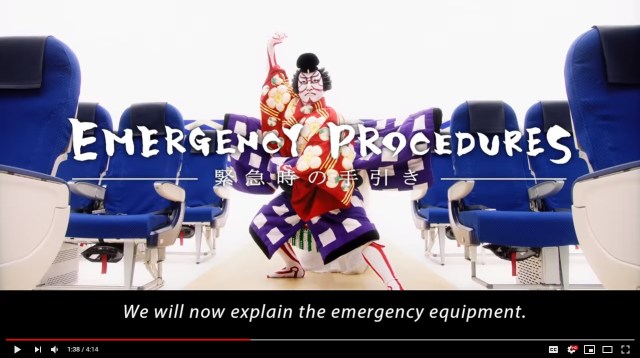
Colorful costumes and elegant poses guide passengers through safety instructions with remarkable style and finesse.
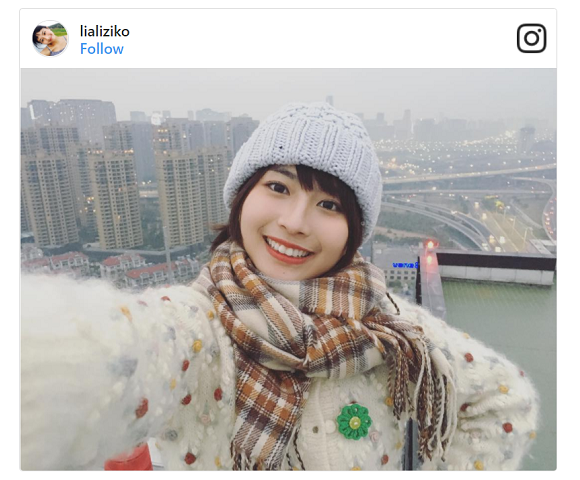
Maybe it’s just her hairstyle and makeup. Or her eyes. Or her smile… or a combination of all of that.

Watch as a group of vigilantes goes around Ikea in China, using interesting tactics to get people up out of the beds in the store.

We’ve seen loads of Sailor Moon fan artwork over the years, but these pieces by Chinese artist Sunmomo are some of the most ethereal-looking by far.

Unusual poses have been big among young Chinese women over social networks recently. Late last month there was the “touch your belly button with one hand wrapped behind your back” fad. Anyone who could achieve this feat was said to have “good style”. Around the same time there was also the “put as many coins into that little divot in your collar bone” trend.
Now it appears a classic yoga pose is making the rounds. It’s called the Pashchima Namaskarasana or Reverse Prayer Pose. However, on China’s microblogging site Weibo, it’s done with the added challenge of raising your hands as high as they can go; the higher your hands can get the more beautiful you are purported to be.
What, you thought “beauty” was a measure of how others judged your outward appearance and to a lesser extent your personality? No, silly, it’s all about how well you can bend your arms behind your back…
It became evident on the 16th that as a general rule, Chinese authorities would soon ban domestic media companies from using quotes from foreign media sources and information garnered from Weibo, the country’s popular microblogging website. Citing the need to “form a healthy reporting structure,” among other reasons, authorities are preparing to lay out strict reporting regulations
The General Administration of Press and Publication (GAPP) and the State Administration of Radio, Film and Television (SARFT), state authorities that control domestic media, made it clear they will start “requesting reporters and editors” not to use reports from foreign media sources or citizen-generated content from the Internet without first gaining prior approval.
MOST POPULAR
Now
 Krispy Kreme releases Super Mario doughnuts in Japan for a limited time
 Uniqlo announces new T-shirts for One Piece, Naruto and more for manga publisher’s 100th birthday
 Japanese kindness restores our faith in humanity after a highway bus accident in Tokyo
 Japanese politicians working to promote plastic model culture as a cultural asset
 Deer are appearing in Osaka City, may have wandered there from Nara[Video]
 7-Eleven Japan releases a crazy new viral sandwich: Chocolate Sprinkles and Whipped Cream
 We try a viral Chinese TikTok recipe for spicy ramen using Sprite soda in the broth【SoraKitchen】
 Is Sapporio’s Snow Festival awesome enough to be worth visiting even if you hate the snow? [Pics]
 The results are in! One Piece World Top 100 characters chosen in global poll
 Ghibli Museum building becomes a cuddly cushion
Weekly
 Starbucks Japan releases new My Fruit³ Frappuccino at only 34 stores around the country
 Tokyo government organizes food truck event to clear out delinquent/homeless teen gathering area
- 7-Eleven Japan releases a crazy new viral sandwich: Chocolate Sprinkles and Whipped Cream
 Nine amazing off-the-beaten-path cherry blossom spots in Japan for yaezakura and shidarezakura
 Japan now has a “for foreign tourists only” Mt. Fuji sightseeing train[Video]
 Stunning central Japan wisteria festival is like a purple fantasy straight out of a Ghibli movie
 Studio Ghibli releases the My Neighbour Totoro tea caddy, with a magical self-closing lid
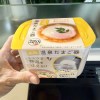 Japanese onsen egg maker from 100-yen store Daiso needs to be on your shopping list
 Create a tiny Ghibli anime world on your bookshelf with new miniature papercraft art kits
- Krispy Kreme releases Super Mario doughnuts in Japan for a limited time
Monthly
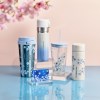 Starbucks Japan unveils new sakura cherry blossom collection for hanami season 2026
 Train station platform ramen store closes its doors on half a century of history in Tokyo
 Studio Ghibli releases Catbus pullback keychain that runs like the anime character
- Starbucks Japan releases new My Fruit³ Frappuccino at only 34 stores around the country
- Japanese onsen egg maker from 100-yen store Daiso needs to be on your shopping list
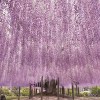 Nine great places to see spring flowers in Japan, as chosen by travelers (with almost no sakura)
 Starbucks Japan releases first-ever Hinamatsuri Girls’ Day Frappuccino
 Cherry blossoms begin blooming in Japan with record-early starts for sakura season
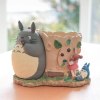 Studio Ghibli adds new Mother’s Day gift sets to its anime collection in Japan
 Virtual idol Hatsune Miku redesigned with look that adds new elements and brings back old ones
Yearly
 Survey asks foreign tourists what bothered them in Japan, more than half gave same answer
 Japan’s human washing machines will go on sale to general public, demos to be held in Tokyo
 Starbucks Japan releases new drinkware and goods for Valentine’s Day
 We deeply regret going into this tunnel on our walk in the mountains of Japan
 Studio Ghibli releases Kodama forest spirits from Princess Mononoke to light up your home
 Starbucks Japan releases new sakura goods and drinkware for cherry blossom season 2026
 Japan’s newest Shinkansen has no seats…or passengers [Video]
 Major Japanese hotel chain says reservations via overseas booking sites may not be valid
 Put sesame oil in your coffee? Japanese maker says it’s the best way to start your day【Taste test】
 No more using real katana for tourism activities, Japan’s National Police Agency says
RECOMMENDED STORIES
 7-Eleven Japan releases a crazy new viral sandwich: Chocolate Sprinkles and Whipped Cream
 We try a viral Chinese TikTok recipe for spicy ramen using Sprite soda in the broth【SoraKitchen】
 Is Sapporio’s Snow Festival awesome enough to be worth visiting even if you hate the snow? [Pics]
 The results are in! One Piece World Top 100 characters chosen in global poll
 Ghibli Museum building becomes a cuddly cushion
 Draw like a Studio Ghibli anime artist with exclusive watercolour set approved by Hayao Miyazaki
 Exhibition on the 1,500 year-history of traditional Japanese women’s clothing to open in Shibuya
 Starbucks Japan releases new My Fruit³ Frappuccino at only 34 stores around the country
 Japan now has a “for foreign tourists only” Mt. Fuji sightseeing train[Video]
 Take a tour of Okinawa’s longest running movie theater: this creepy adult cinema
 Kodomo no Omocha creator draws new manga pages for an unexpected new home
-
