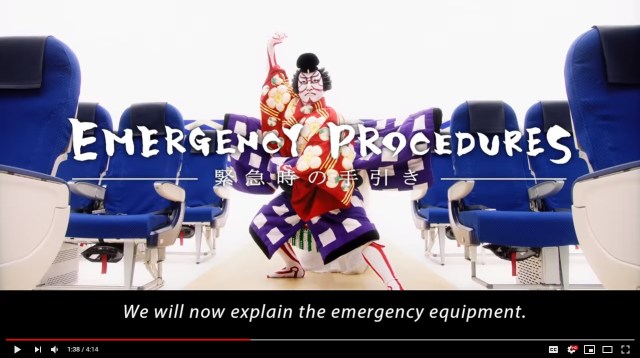
Colorful costumes and elegant poses guide passengers through safety instructions with remarkable style and finesse.
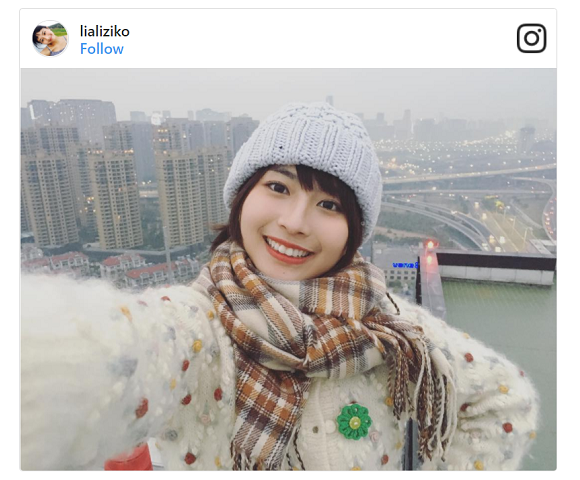
Maybe it’s just her hairstyle and makeup. Or her eyes. Or her smile… or a combination of all of that.

Watch as a group of vigilantes goes around Ikea in China, using interesting tactics to get people up out of the beds in the store.

We’ve seen loads of Sailor Moon fan artwork over the years, but these pieces by Chinese artist Sunmomo are some of the most ethereal-looking by far.

Unusual poses have been big among young Chinese women over social networks recently. Late last month there was the “touch your belly button with one hand wrapped behind your back” fad. Anyone who could achieve this feat was said to have “good style”. Around the same time there was also the “put as many coins into that little divot in your collar bone” trend.
Now it appears a classic yoga pose is making the rounds. It’s called the Pashchima Namaskarasana or Reverse Prayer Pose. However, on China’s microblogging site Weibo, it’s done with the added challenge of raising your hands as high as they can go; the higher your hands can get the more beautiful you are purported to be.
What, you thought “beauty” was a measure of how others judged your outward appearance and to a lesser extent your personality? No, silly, it’s all about how well you can bend your arms behind your back…
It became evident on the 16th that as a general rule, Chinese authorities would soon ban domestic media companies from using quotes from foreign media sources and information garnered from Weibo, the country’s popular microblogging website. Citing the need to “form a healthy reporting structure,” among other reasons, authorities are preparing to lay out strict reporting regulations
The General Administration of Press and Publication (GAPP) and the State Administration of Radio, Film and Television (SARFT), state authorities that control domestic media, made it clear they will start “requesting reporters and editors” not to use reports from foreign media sources or citizen-generated content from the Internet without first gaining prior approval.
MOST POPULAR
Today
 Studio Ghibli creates illustrated Kyoto sightseeing map, available at any 7-Eleven Japan store
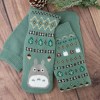 Studio Ghibli adds new Totoro and Jiji blanket socks to its merchandise store in Japan
 Japan’s bean sprout shortage hitting Jiro-style ramen businesses hard
 This Japanese sandwich mascot is filled with fiery rage, and he’s got a point [Video]
 Family Mart releases 47 convenience store socks and stickers, one for every prefecture in Japan
 Japanese taxi drivers granted right to kick rude passengers out of their cabs before destination
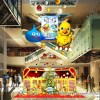 Final Fantasy and Dragon Quest Christmas celebration coming to Yokohama next month
 We waited three hours to get into the new carb heaven all-you-can-eat bread restaurant in Osaka
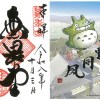 Ghibli/Kyoto crossover artwork decorates goshuin papers for Zen and Ghibli art exhibition [Pics]
 We hunt for treasure at an all-you-can-stuff Kanagawa secondhand shop for just 1,000 yen
Weekly
 What’s it like to stay in a Japanese container hotel?
 American man runs out of money in Japan, gets arrested for overstaying tourist visa
 Japanese milk carton cakes are a genius idea that the world needs to know about
- Family Mart releases 47 convenience store socks and stickers, one for every prefecture in Japan
 New Studio Ghibli notebooks are a beautiful reason to write and draw by hand [Photos]
 Foreign travelers sitting on sidewalks of Tokyo’s Ginza are Japan’s latest tourism culture clash
 Studio Ghibli adds Totoro family goods to its anime merchandise store in Japan
 New Gundam plush goods mix cosplay and comfort for Char-custom-level coziness [Pics]
- We waited three hours to get into the new carb heaven all-you-can-eat bread restaurant in Osaka
 Giant wagashi cushions will turn your home sweet home into home sweet Japanese sweets home
Monthly
 Japan announces new permanent residency guidelines, foreigners must earn more than average Japanese person
 Starbucks Japan unveils new Pokémon collaboration with Pikachu Latte and exclusive goods
- Family Mart releases 47 convenience store socks and stickers, one for every prefecture in Japan
 Studio Ghibli’s Calcifer is ready to light up your home as a magical-looking candle lamp [Photos]
 Lady Gaga and Family Mart team up for a Japanese convenience store work video [Video]
- What’s it like to stay in a Japanese container hotel?
 New Gundam Base superstores coming soon in the U.S., with one opening this month
 Studio Ghibli releases new plush mascot character collection with a focus on friendship
 Tokyo train station will play Godzilla theme song as new departure melody
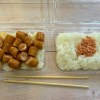 Do Japan’s new single-minded convenience store bento show depressing poverty or satisfying focus?
Yearly
 Japan announces sudden 400-percent increase in visa fees for foreigners entering the country
 Japan’s human washing machines will go on sale to general public, demos to be held in Tokyo
 Studio Ghibli has a new anime out, and there’s only one place in the world where you can see it
 Starbucks Japan releases new drinkware and goods for Valentine’s Day
 Starbucks Japan releases new sakura goods and drinkware for cherry blossom season 2026
 Japan’s newest Shinkansen has no seats…or passengers [Video]
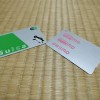 Tokyo subway installing new ticket gates that don’t accept payment through Suica or other IC cards
 Japanese ninja certification exam attracts 131 candidates from Japan and abroad
 Salomon releases Japan-exclusive Mt. Fuji hiking gear that doubles as an amazing souvenir
 Japan reportedly adding Japanese language skill requirement to most common foreigner work visa
RECOMMENDED STORIES
 Japanese taxi drivers granted right to kick rude passengers out of their cabs before destination
 Final Fantasy and Dragon Quest Christmas celebration coming to Yokohama next month
 We waited three hours to get into the new carb heaven all-you-can-eat bread restaurant in Osaka
 Ghibli/Kyoto crossover artwork decorates goshuin papers for Zen and Ghibli art exhibition [Pics]
 We hunt for treasure at an all-you-can-stuff Kanagawa secondhand shop for just 1,000 yen
 KFC Japan releases its first thigh-meat fried chicken burger in 43 years, but was it worth the wait?
 New Studio Ghibli stamp rally set to start in Japan, with exclusive merchandise for anime fans
 Foreign travelers sitting on sidewalks of Tokyo’s Ginza are Japan’s latest tourism culture clash
 Man in Japan says monkey threw his cat into a pond before attacking him
 New Gundam plush goods mix cosplay and comfort for Char-custom-level coziness [Pics]
 Tokyo Monorail, other east Japan rail networks announce discontinuation of magnetic paper tickets
 Studio Ghibli adds Totoro family goods to its anime merchandise store in Japan
 Osaka’s famous Glico Running Man will be removed and replaced with a new-look sign
 High-speed Japanese festival cart crashes cause two deaths on same day, ignite debate over tradition
-
