Learn how our writer fared after eating emergency rations, as well as her suggestions for anyone who’s making their own disaster food prep pack.
With the omnipresent threat of earthquakes, tsunami, typhoons, and Godzilla, Japan is no stranger to natural (or man-made, in the case of Godzilla) disasters. While buildings across the country are constructed to withstand a certain of amount of force and communities have designated areas of refuge, on the individual level, it’s a good idea to always have a disaster preparedness kit on hand in the event of a calamity.
Our Japanese-language reporter Mariko Ohanabatake received an idea from a reader to see what it would be like to survive on nothing but food one might eat in the event of a disaster when no electricity or running water is available to use. She figured that she was long overdue to reevaluate her own disaster-prep practices anyway, and so volunteered to try a sort of at-home experiment in which she simulated such a situation for three days. While she would still have all the comforts and conveniences of home, she vowed to consume nothing but foods and liquids that she stockpiled ahead of time based on recommendations from Japan’s Ministry of Agriculture, Forestry, and Fisheries.
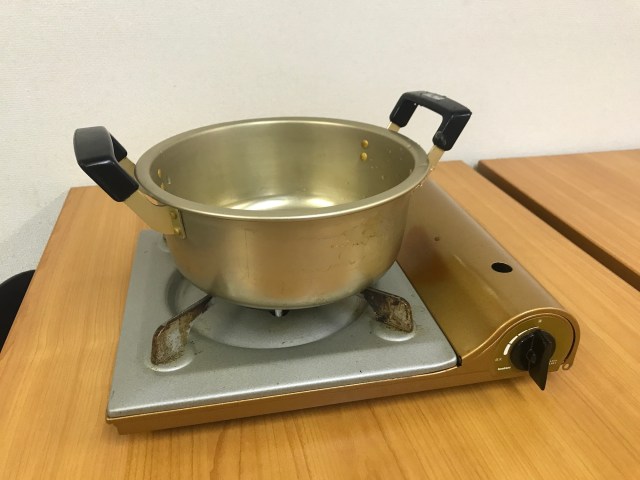
When shopping for supplies, Mariko intentionally sought out both foodstuffs that would need a little bit of preparation as well as ones that could be eaten as is. She would use her small, portable gas stove for heating things up when necessary.
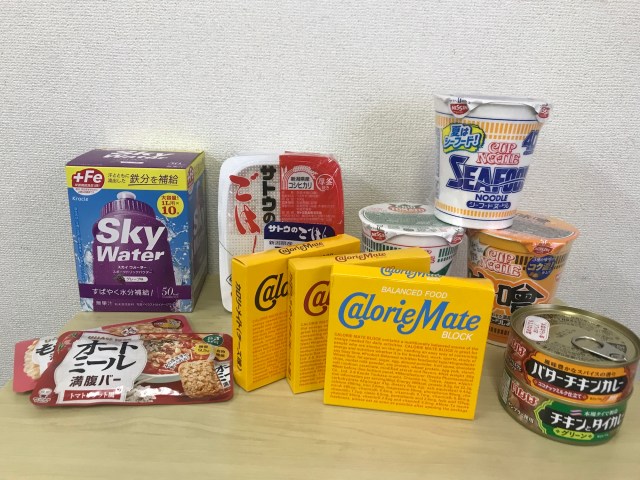
▼ Sample foods that are recommended to have on hand in the event of an emergency
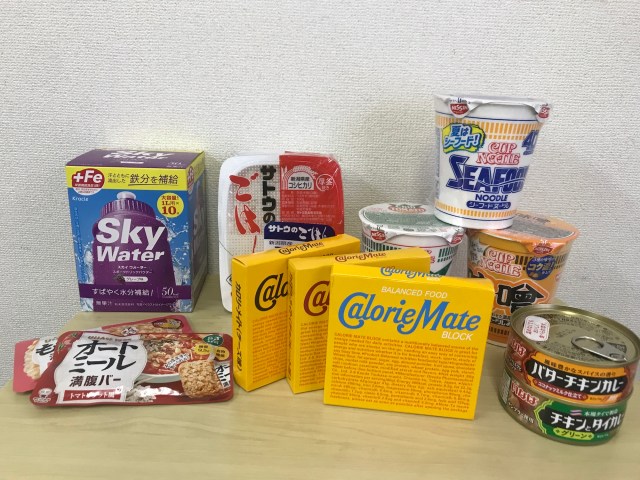
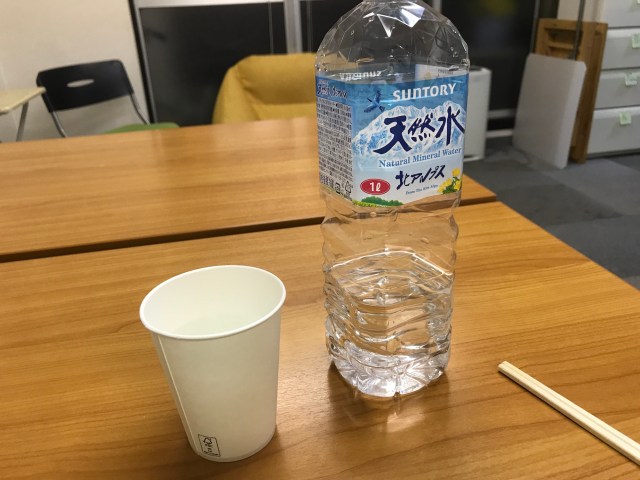
She had also read that it’s important to prepare at least one liter (33.8 ounces) of potable water or fluids per day. Refrigeration wouldn’t be available in a time of disaster, so she made sure to buy beverages that are OK to drink at room temperature. Since it’s impossible to predict how many days you might find yourself stuck in a dire situation, she recommends having several liters of water on hand.
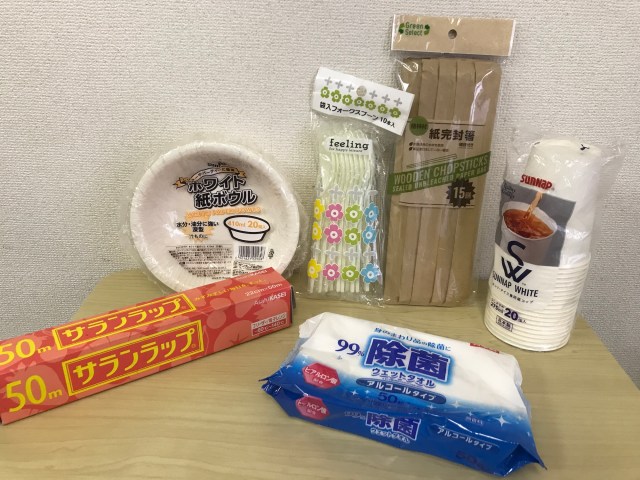
Besides consumable items, Mariko also gathered the following utensils and supplies. They were mainly things that wouldn’t need to be washed after use:
● Paper bowls
● Disposable chopsticks
● Forks, spoons
● Plastic wrap
● Alcohol wipes
▼ Don’t forget to buy items that are needed to actually eat your food!
With that, she was ready to begin her three-day disaster eating simulation.
Day 1
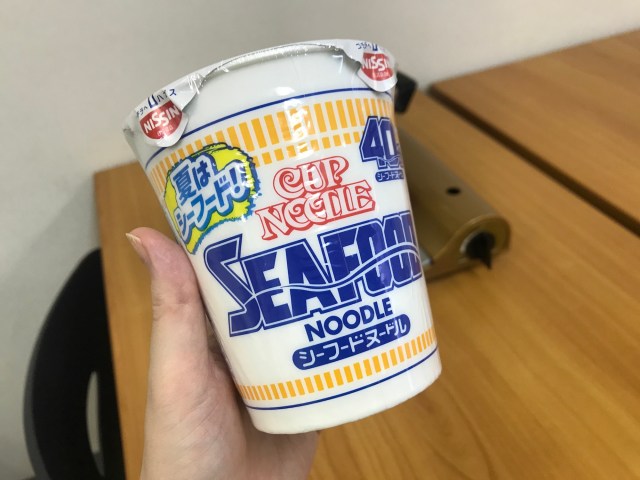
For her late breakfast/lunch on the first day, Mariko decided to boil some water on the gas stove in order to eat a Cup Noodle (her choice: Nissin’s seafood-flavored Cup Noodle).
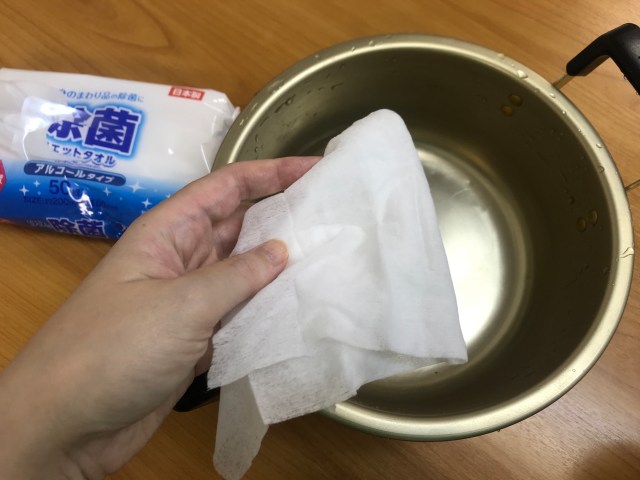
Since water and gas would be precious in a real emergency, the alcohol wipes were a good way to clean the pot and stove ahead of use.
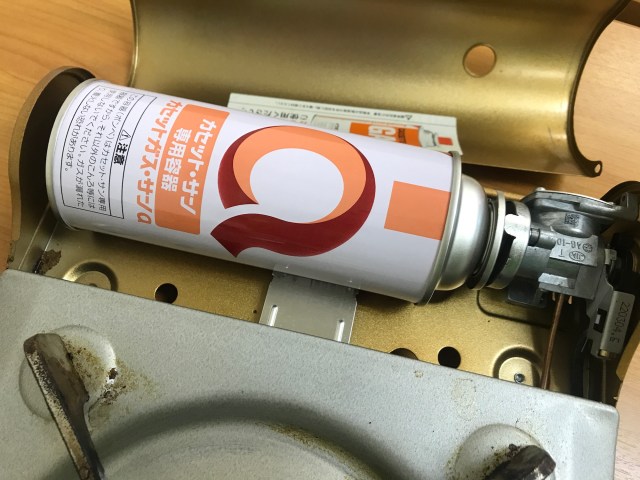
Mariko hadn’t used her gas stove much prior to this experiment, and she struggled a bit while figuring out how to insert the gas cylinder. She recommends practicing this potentially tricky step well ahead of time.
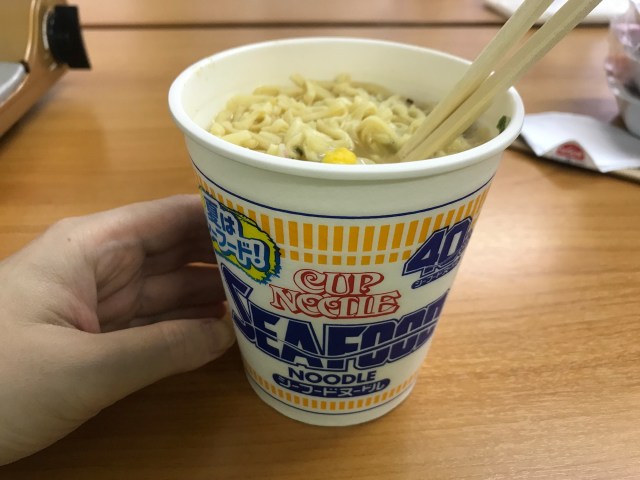
Once ready, she poured the hot water into the cup and waited the usual three minutes for the noodles to be ready. They sure hit the spot, especially after such an unusual morning of not eating her regular breakfast foods. Since she didn’t want to waste any of the broth, she drank it all up–but then became a bit thirsty from all of the salt.
It also occurred to her to check the expiration date of the noodles that she had purchased. She was a bit shocked because they were only good for about half a year. That was a much shorter duration than she was expecting…
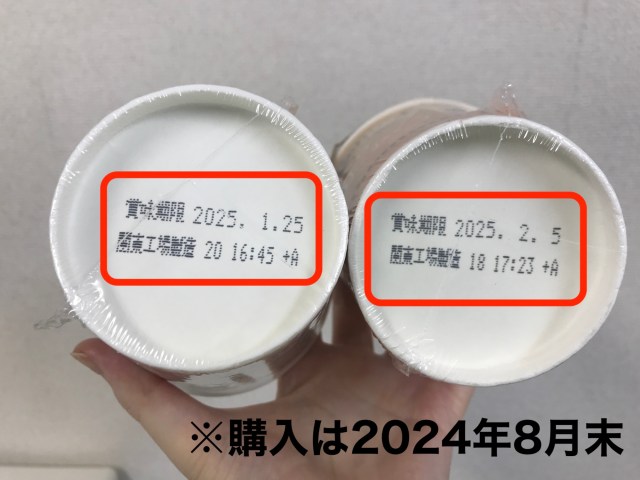
For dinner that evening, Mariko would eat a package of cooked white rice and canned Thai curry (Inaba brand).
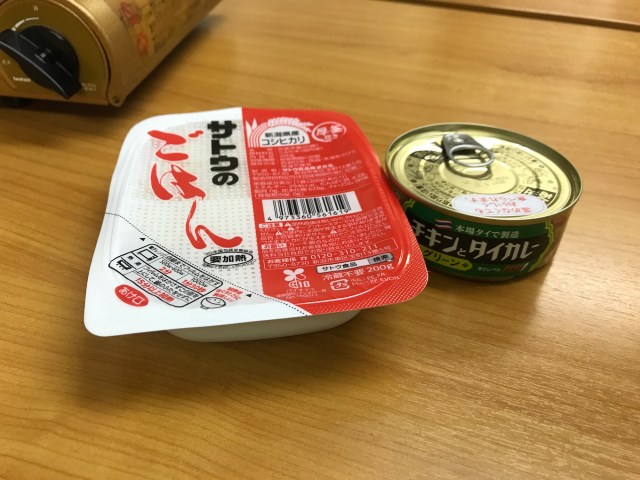
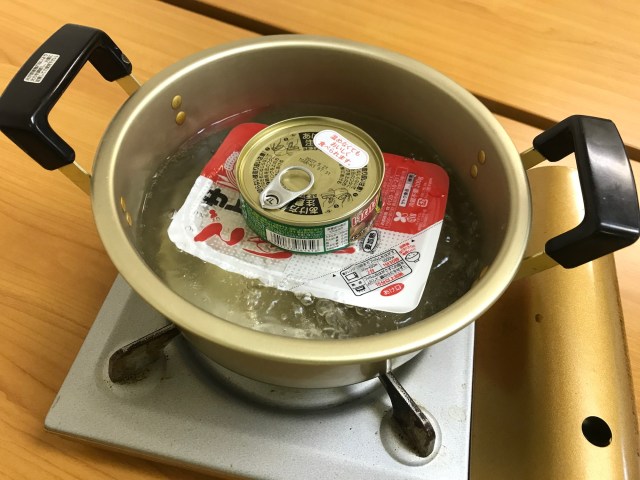
Her only way to heat them up was in hot water, so she again readied the stove and plopped both of them in. While the packaged rice usually takes only two minutes to heat up in the microwave, it took about 15 minutes to be ready on the gas stove. Consequently, it used more gas than she anticipated, and the room kept getting hotter and hotter–something that would be welcome in the middle of winter, but not so much in a summer emergency. All of the above seemed like important mental notes for her to make.
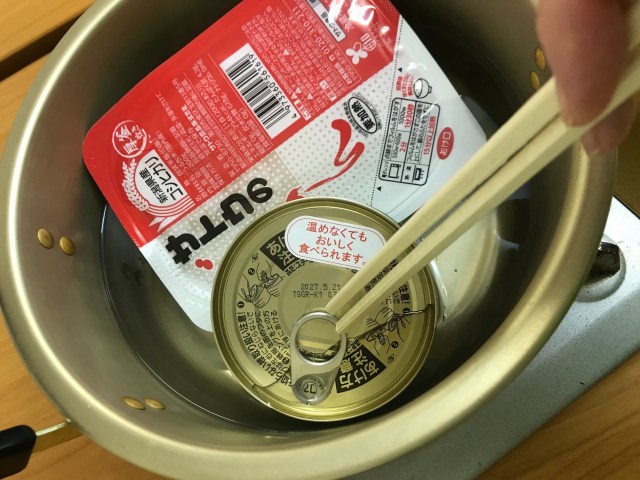
It was also tricky to remove the items since they were so hot to the touch.
In order to conserve bowls, she poured the curry little by little directly on top of the rice and ate it like that. It was slightly oily, which bothered her stomach a little bit later, so please take note if you’re someone who has a sensitive stomach.
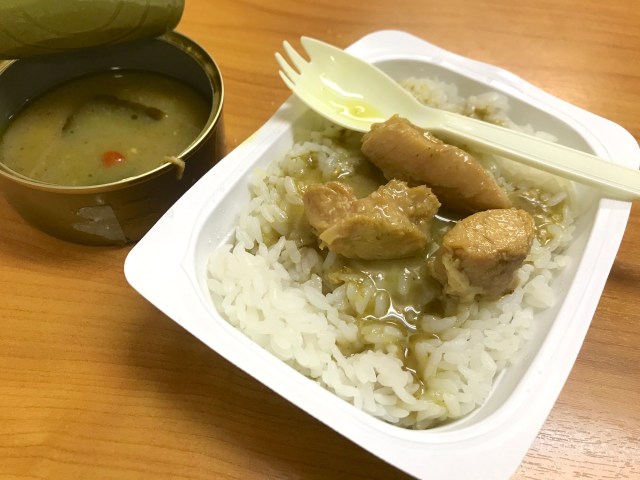
Otherwise, the curry’s taste was to her usual liking–spicy and flavorful. However, that again caused her to become extra thirsty and come dangerously close to using up her daily allotment of water. She realized that eating foods like instant cup noodles and canned curry during a time of disaster would likely be a double-edged sword. Yes, preservatives were necessary to stock foods for a long period of time, but as a result, she would want to stock more liquids than she originally planned. This thought was only something that Mariko could have realized by actually simulating such a plan like she was now doing.
Day 2
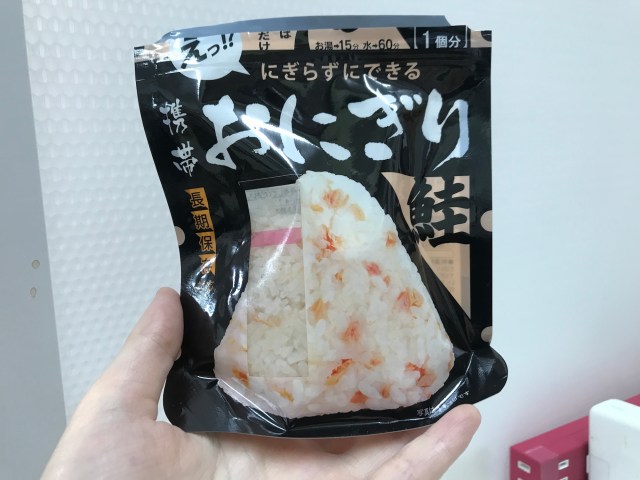
For her second day, Mariko decided to take things up a notch by eating only cooked, dehydrated rice (called “alpha-mai” in Japanese), which can be reconstituted with water. She decided to test out a packet from Onisi Foods’ handheld onigiri series. All she had to do was pour hot water directly into the packet and wait 15 minutes. This would be her breakfast.
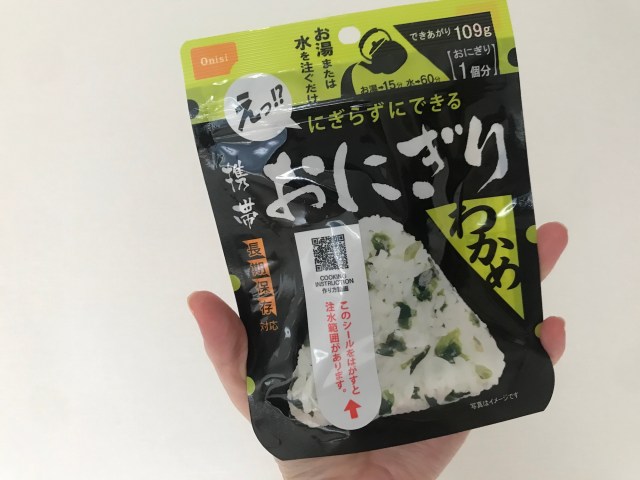
Upon her first bite of the rehydrated onigiri, she was shook. It was ten times more delicious than she had expected! It really tasted like an onigiri made from freshly cooked rice.
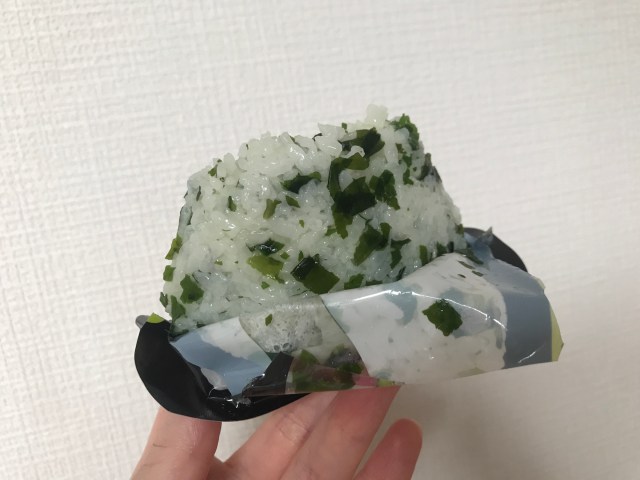
For lunch, she wanted to see what the reconstitution process would be like if she used room-temperature water. That method ended up taking a whopping 60 minutes to be ready, so she made another mental note to start prepping early if she didn’t have a way to heat up water in a real disaster.
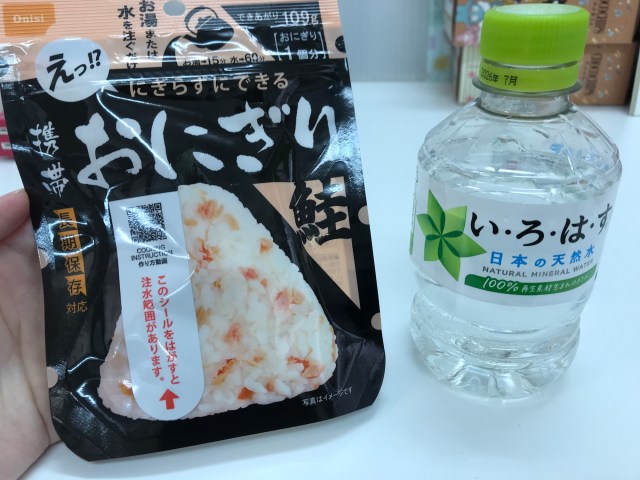
The onigiri itself was still delicious when made using room-temperature water. It tasted like one she might buy at a convenience store.
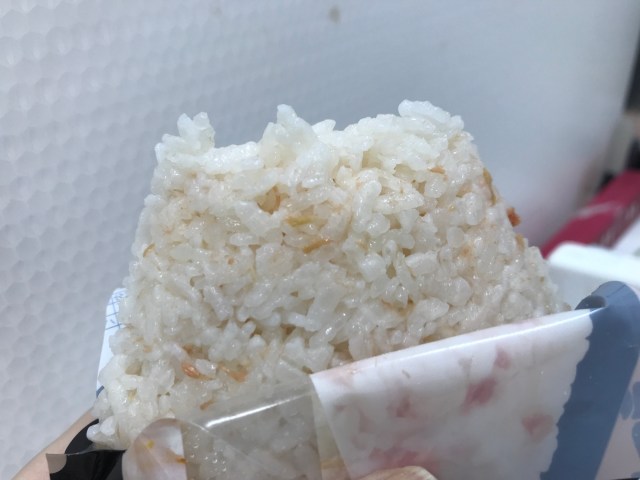
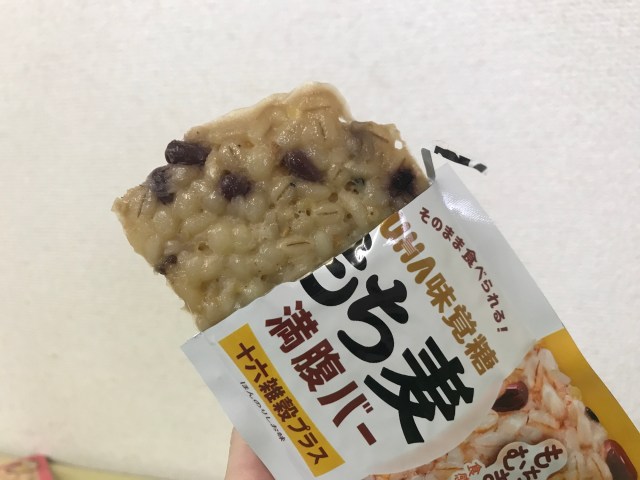
While the rice was reasonably filling and she had thought that three of them would be enough, she was still a bit hungry in the end. That’s why she decided to break open a Calorie Mate “balanced food block” bar and a Mochimugi Manpuku (“pearl barley full stomach”) Bar. Unfortunately, the latter wasn’t to her taste.
Day 3
On the third day, Mariko decided to take things to the extreme by eating as if she were staying in an evacuation shelter with no access to a gas stove or hot water. Levain crackers are a convenient choice for emergency rations in this kind of environment, and she determined that one tin of them should last her the day.
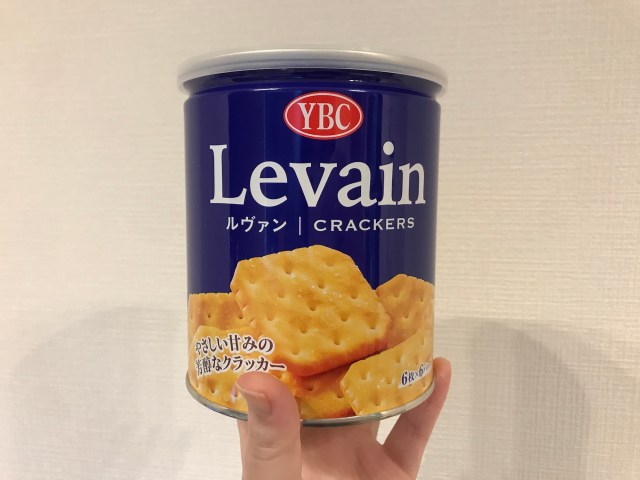
In fact, this tin can-style is purposely made for emergency rations and is divided into smaller portions than the boxed versions sold at supermarkets. This one came with six individual packages.
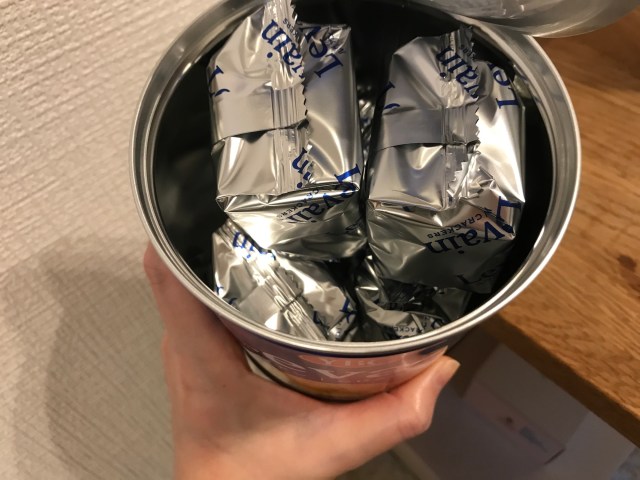
She divided the entire tin into breakfast, lunch, and dinner portions, allotting two packets for each meal.
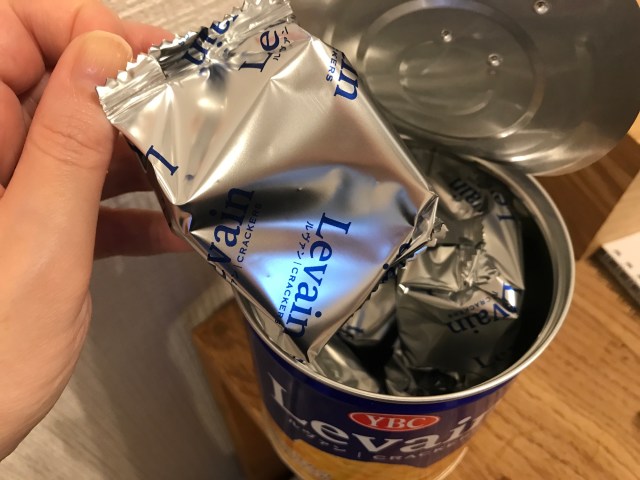
The simple verdict? She was still really hungry at the end of the day.
Mariko was certainly relieved that she could go back to her regular eating habits at the conclusion of her experiment. However, it was also important for her to reflect on the experience as a whole and the things that she would change for her own disaster food prep pack. As a result, she would like to share three main pieces of wisdom with readers.
First, the quality and options for her meals were hugely impacted based on whether she used the portable gas stove for heating water. She recommends buying one along with a few gas cannisters now if you live in Japan and don’t currently have one.
Second, she had never realized that food expiration dates vary wildly from item to item. Cup Noodle packs, Calorie Mate bars, and cooked rice packages are all good for about four-to-six months, which is considerably shorter than she expected. Therefore, it would be a good idea to set a calendar reminder for yourself to replace certain stock every half year or so (luckily, Cup Noodle maker Nissin has actually got you covered there).
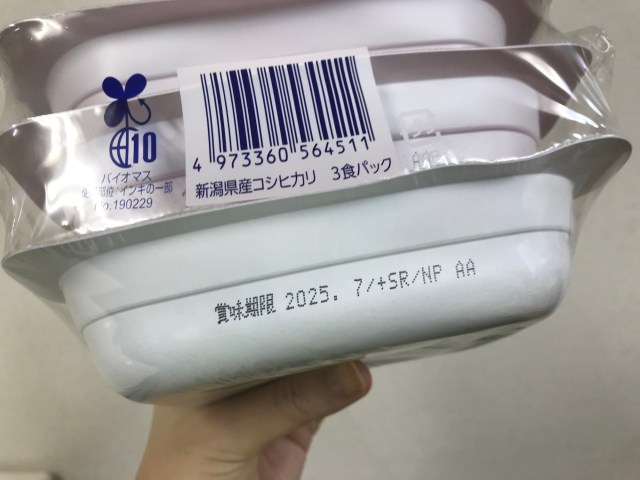
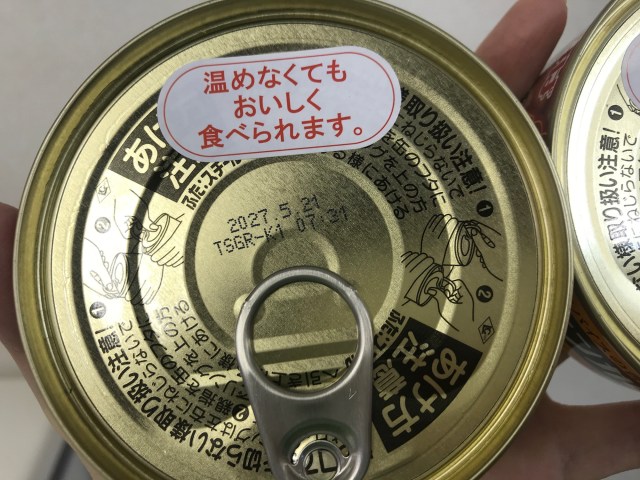
If that’s too much of a bother for you, the tinned curry and dehydrated rice are usually good for about five years.
▼ The label says that the curry can be enjoyed even without being heated up.
Finally, since Mariko was still hungry after eating the rehydrated rice and crackers, she recommends stocking up on more of them than you might initially think. She personally liked the onigiri the best and would probably want to make those the main staple of her emergency food diet.
The bottom line is that it’s always a smart idea to sample foods and simulate prepping them ahead of time so that you don’t find yourself in a pinch during a real disaster. On a final note, we might also recommend making the ultimate emergency preparedness rice that’s said to last up to 20 years using an ancient Japanese recipe.
Reference: Ministry of Agriculture, Forestry, and Fisheries
All images © SoraNews24
● Want to hear about SoraNews24’s latest articles as soon as they’re published? Follow us on Facebook and Twitter!
[ Read in Japanese ]