
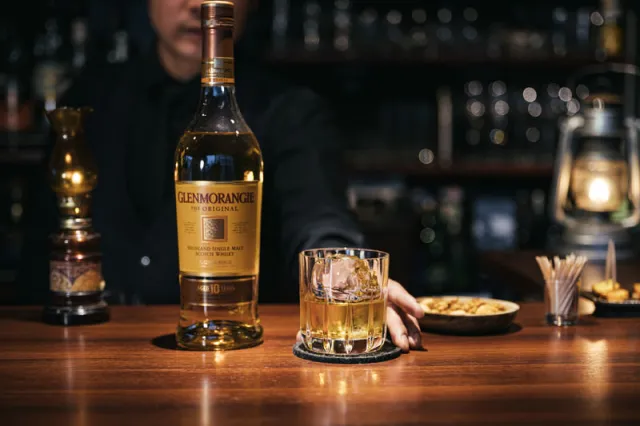
It started with bars, but now even family restaurants are getting in on the act.
Back when I was in college, I had developed the habit of swinging by a nearby coffee shop on my lunch breaks. Every time, without fail, I’d end up giving in and treating myself to one of their muffins—they were simply divine. It reached the point that I had gone so often that the lovely lady behind the counter no longer had to ask for my order. The moment she noticed me walking through the door, a muffin would magically appear on the counter. It was a small gesture, but it really made me feel like I was welcome there.
If you take that same gesture of being made to feel welcomed and valued, and replace muffins with alcohol, you’ve stumbled upon the Japanese system of “bottle keep”, where you get to have your own personal bottle of alcohol for whenever you drop by.
Japan has quite the diverse drinking culture and several establishments that are devoted to it. You have the casual izakaya, Japanese traditional pubs which focus on lively atmospheres, light drinks and snacks, and the Western-style bars for smaller gatherings or solo drinking, having mostly cocktails and spirits. There’s also the plentiful snack bars, usually run by a woman called a Mama-san, where you can chat with the staff in an intimate setting. Or you have the high-end host and hostess clubs, where you’re paying to interact with the staff while drinking. While not universal, a common theme among the different drinking venues is the bottle keep system. So, how exactly does it work?
▼ You can even dress up your bottle if you want to!
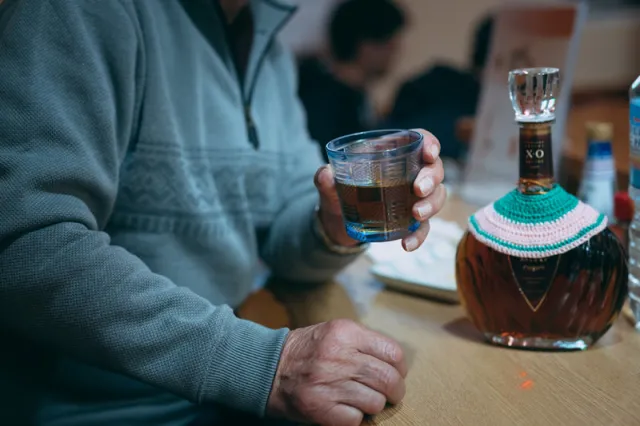
You can think of it like an annual pass to a theme park. Of course you’ll need to pay a larger fee upfront but, depending on how many times you use it, you end up getting a discount overall. For bottle keep, you first pay for the entire bottle, the bar will slap your name on it, and then stow it away for you to drink throughout your successive visits. Take a 25,000 yen (US$161.90) bottle of whiskey that has about 20 servings in it, for example. The store might charge 2,000 yen for a single glass. 20 servings would cost 40,000 yen, making for quite the savings. Sounds great, right? Although not every drink is eligible for such a system. The most common types of alcohol used for bottle keep are whiskey, brandy, and shochu (a Japanese distilled spirit). Wine, beer, and soft drinks aren’t suitable as the quality of the drink declines over time once opened.
I can’t think of many people who would turn their nose up at a discount, but there’s more to bottle keep than just saving a few pennies. It builds a sense of belonging. When you’re feeling exhausted at the end of the week and thinking of a place to unwind, are you going to try out somewhere new or head to the bar that literally has a liquor with your name on it?
With a bottle of your favorite alcohol stored away, you’re naturally more inclined to return to that specific drinking spot multiple times. It’s not going to drink itself, after all. With more regulars following suit, the store naturally turns into a welcoming home-away-from-home. Plus, it serves as free advertising for the establishment. When you’ve just come across a limited-edition Japanese whiskey and saved it with the bottle keep system, won’t you want to enjoy the envious glances of your friends and colleagues? Imagine how much of a VIP you’d feel when you walk through the door, the staff pull out your reserved bottle, and you generously offer a glass to your friends. They start desiring to be like you and begin visiting the place more often, creating a self-sustaining system where customers bring in new customers, with no extra on the store’s part.
Before you go squirreling away alcohol throughout bars nationwide, however, there are a few things to bear in mind.
▼ Having a bottle in each of these stores is just not going to work.
Most places have a set storage period, usually in the range of three to six months. If your bottle is still left unfinished after that, then it’s “goodbye, bottle” and a sad day for you. Of course, if you happen to be a valued customer then you might be able to request an extension. Even though you’ve already paid for the bottle, it doesn’t mean you can drink for free. Many drinking establishments in Japan still charge service fees, seat charges, or extra fees for ice and mixers. Once a bottle is stored, you’re committed to it until the end. No switching bottles halfway, so make sure it’s something you can enjoy for a long time.
Mistakes can happen, and you might end up with someone else’s bottle. If that happens, don’t touch it! That’s technically theft, so double-check the bottle in front of you is yours before you sip. Also, you can’t take the bottle home. Selling alcohol for consumption off-premises requires a proper license, so all drinks must stay at the bar or izakaya. However, that’s not necessarily a bad thing, as it’s the atmosphere and communal feelings within the store that keep the bottle keep culture alive.
▼ Drinking alcohol should always be done in good company
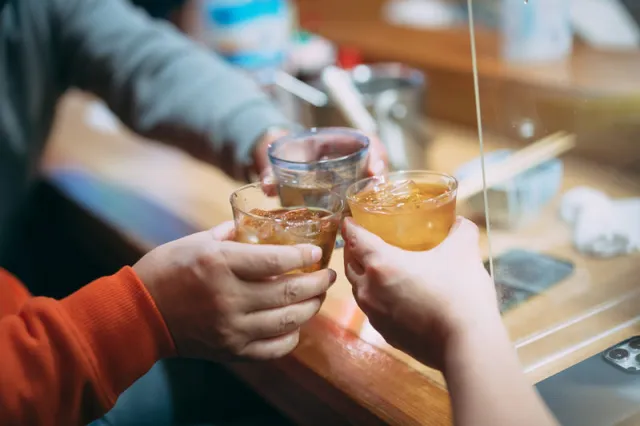
Keep these points in mind and you’re all set to go start enjoying Japan’s bottle keep culture, but why should you try it out? There is a discount to consider, although surely drinking at home would be much cheaper. While that may be true, do you happen to have a bartender on hand in your kitchen to mix you the perfect drink? For most of us ordinary folk, the answer is “no”. Using bottle keep gives you access to all the mixers and ice they have in store for you to enjoy your drink just the way you like it.
Walking into a bar you’ve never been to before to try out the bottle keep system is not really recommended. Remember that you’re going to have to continue going to that bar several times in order to finish the bottle or risk wasting all that money you spent on it. Before you splurge on a fancy bottle, check out the atmosphere of the venue. Do you feel comfortable there? If you’re unsure, try an all-you-can-drink option first, or order something else from among the many offerings, and see if you get along with the staff and regulars.
Since not every store offers it or their storage might be full, you should always check if they offer the service before you go ahead and purchase an entire bottle. A good phrase to use would be “botoru kiipu wa dekimasu ka” (“Can I do bottle keep here?”). Once you’ve established they do in fact allow it, select and pay for your bottle of choice. After enjoying the amount you want for the night, tell a staff member “kono botoru o kiipu shitai desu” (“I’d like to keep this bottle”). The staff should then arrange to have your name or nickname affixed to the bottle, either directly or on a tag. The next time you swing by, all you need to do is say “kiipu shite iru botoru o onegai shimasu” (“I’d like to have my kept bottle, please”) and you’ll be all set to continue enjoying your prepurchased drink.
Perhaps the idea of walking into an unfamiliar store is a little daunting? Maybe you like a wider range of food to go along with your drink than what’s usually served in bars? Or it’s possible that your late-night drinking days are long behind you and you like to take the family out for an evening meal now and again? There is, in fact, a surprising option for you. The Chinese family restaurant chain Bamiyan, as well as its Japanese-food sister chain Yumean, both have a bottle keep option on their menu, and it’s well worth the price.
▼ Bamiyan’s store sign

There are only two bottle-keep options at Bamiyan: Iichiko (a popular barley shochu) and Kuro Kirishima (a well-known sweet potato shochu). However, it’s what else you get that’s great. First, you get to keep your bottle for a whole six months, so there’s no rush to finish it. You get unlimited free ice. There’s even a discount on the drink bar, which has over 20 choices and a huge selection of teas: the regular price of 274 yen drops down to just 175 yen, and that’s for every visit until you finish your bottle.
▼ A small selection of what the drink bar has to offer

While you’re enjoying experimenting with the mixers, don’t forget where you are. You’re in a restaurant! With a variety of affordable appetizers, you’re bound to find something to pair with your drink, be it the dumplings, the Chinese-style marinated tuna, or the ramen noodles.
Breaking down the price, you get a bottle of sake for 1,649 yen, which has about 10 or so servings in it, making it around 165 yen for a glass. A small ramen (374 yen) and the discounted drink bar (175 yen) brings the total for one visit to a mere 714 yen (US$ 4.62). That’s if you’re limiting yourself to just one glass of alcohol, of course.
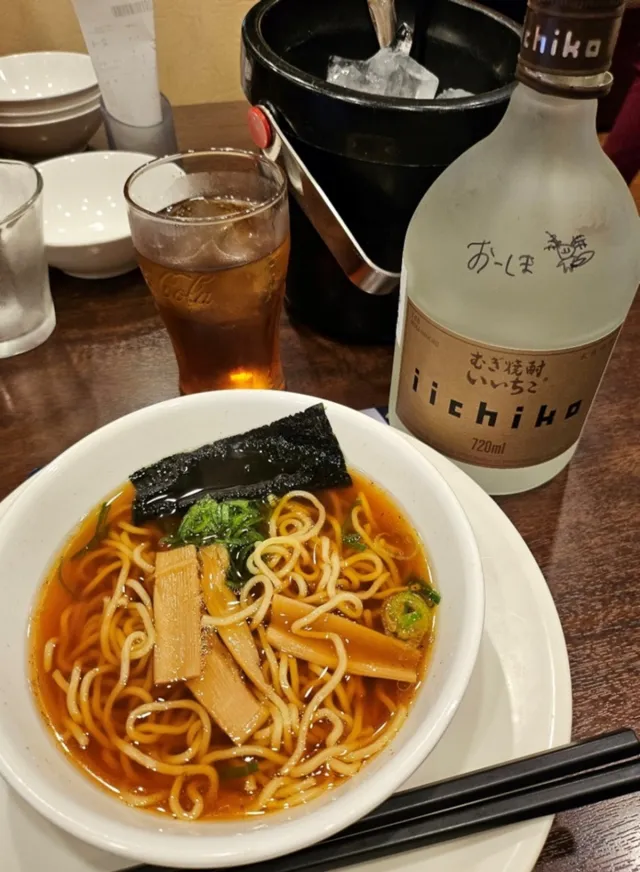
Despite having only two options available, the entry point for the bottle-keep system at Bamiyan is ridiculously low. You can enjoy comforting food at a reasonable price, with the additional knowledge that you have a little special something being kept for you if you just so happen to fancy it. Oh, and don’t forget to write your name on it!
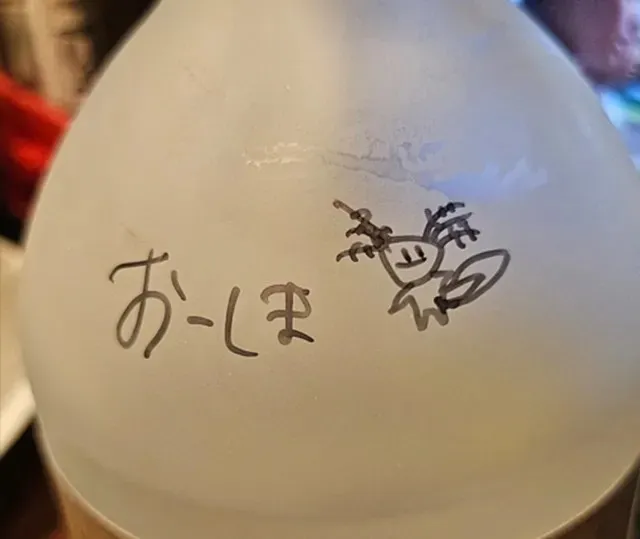
▼ Our Japanese-language reporter Asami Oshima marks her bottle with her name and an image of her childhood pet axolotl named Woopata.
Whether you’re in your favorite bar sitting among familiar faces or a family restaurant surrounded by family, bottle keep gives you a little taste of exclusivity and, when you’re wanting to relax, you will know that there’s always a drink waiting just for you.
Top image: Pakutaso
Insert images: Pakutaso (1, 2, 3)
Photos©SoraNews24
● Want to hear about SoraNews24’s latest articles as soon as they’re published? Follow us on Facebook and Twitter!
[ Read in Japanese ]
 Japan now has sailor suit school uniform cosplay costumes for your drink bottles
 Tokyo convenience store has full bar inside with Japanese whiskey, will smoke your combini snacks
 Suntory has clear, no-alcohol, plastic-bottled beer so you can drink at work without being judged
 Beer, Suntory whiskey for under a buck and all-you-can eat ice cream! Joy at Tokyo’s Karaoke One
 Drinking sake just got more convenient with convenience store Family Mart’s new canned brews
 New Transforming Business Card case brings anime mecha to Japanese work meetings
 Studio Ghibli adds new finger puppets to its anime merchandise collection in Japan
 Kyoto temple bans visitors from wearing kimono
 Go to hell! …at a limited time historical art exhibit coming to Osaka
 Lego PlayStation recreates Sony’s original console, makes unusual choice for games to salute
 New Pokémon anniversary song is 22 minutes long, features all 1,025 Pokémon species [Video]
 Starbucks Japan releases new coffee table book featuring 18 of the most unique stores around the country
 Starbucks Japan reveals new Tsukimi Moon-Viewing drinkware and gifts for autumn 2026
 7-Eleven Japan releases new Tsukimi Moon-Viewing range for autumn, with a must-try daifuku and teriyaki burger
 New Japanese convenience store rice balls taste like instant noodles [Taste test]
 Solo travel in Japan: Hidden beer garden in Tokyo is a haven for single visitors
 A real-world Pokémon Poké Ball hotel is opening in Japan at a still-secret location [Video]
 Japan’s first fall color forecast for 2026 is here!
 Studio Ghibli unveils new anime calendars and diary planners for 2027
 One Piece Day 2026 brings new art, music, and new cast announcements
 Tamagotchi evolves into a ring for its 30th anniversary, preorders now open
 Family Mart releases Famima convenience store products nationwide, but which ones are worth buying?
 12-year-old British girl who went missing in Tokyo found safe after visiting anime sites around Yokohama
 7-year-old boy left behind on Mt. Fuji by his own dad
 Japan’s final Penguin Suica train cards have already shipped, and when they’re gone, they’re gone
 Sushi Bus: Japan’s first conveyor-belt bus lets you eat sushi while sightseeing around Tokyo
 Japanese toilet aims to attract foreign tourists but not everybody is happy about it
 New Japanese vending machine at Shinkansen station sells cups of ice on platform
 Study finds hundreds of people in Indonesia legally named after Naruto, Inuyasha, other anime stars
 Japan approves foreign resident visa renewal fee increases of up to 967 percent, starts soon
 Japan tripled its departure tax to fund tourism but is using the money on cherry blossoms and bears
 Japan announces sudden 400-percent increase in visa fees for foreigners entering the country
 Japan’s human washing machines will go on sale to general public, demos to be held in Tokyo
 Studio Ghibli has a new anime out, and there’s only one place in the world where you can see it
 Starbucks Japan releases new drinkware and goods for Valentine’s Day
 Starbucks Japan releases new sakura goods and drinkware for cherry blossom season 2026
 Japan’s newest Shinkansen has no seats…or passengers [Video]
 Tokyo subway installing new ticket gates that don’t accept payment through Suica or other IC cards
 Japanese ninja certification exam attracts 131 candidates from Japan and abroad
 Salomon releases Japan-exclusive Mt. Fuji hiking gear that doubles as an amazing souvenir
 Put sesame oil in your coffee? Japanese maker says it’s the best way to start your day【Taste test】
 We try out the joys of Japan’s kakuuchi wine vending machine
 Japanese hotel gives you a beer tap in your room, 10 liters of craft beer to drink for free
 Spice up your drinking parties with Tipsy Bar Games based on popular izakaya food
 Tokyo restaurant has all-you-can-drink sake and all-you-can-eat sushi, and all of our love
 10 tips to remember for your first trip to izakaya, Japan’s awesome traditional pubs【Video】
 Japan’s Qurra gadget has a weird name, logical purpose: Keeping your feet warm in winter
 Senbero US$10 Japanese home drinking…with stuff from Ikea?【Japan’s Best Home Senbero】
 Japan’s largest all-you-can-eat-and-drink offer spans eight different restaurants in Osaka
 Japan’s new beer glass is designed to force you to drink…water [Video]
 Restaurant raises the bar for customer service in Japan, will help you name your baby
 Tokyo pub prohibits talking or keeping your phone out, only lets you drink in morning on weekends
 Japan’s host club king wants to sell you some US$490 hair product in a tiny, tiny bottle
 The sake from Evangelion goes great with Japan’s poisonous blowfish…from a can 【Taste test】
 Does adding sake to your instant ramen make it taste better? We try Japan’s latest food trend
 Century-old Hiroshima brewery in one of Japan’s three great sake-brewing spots offers tours in English