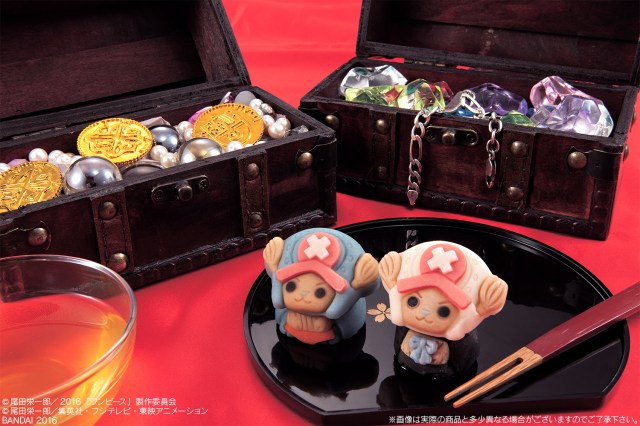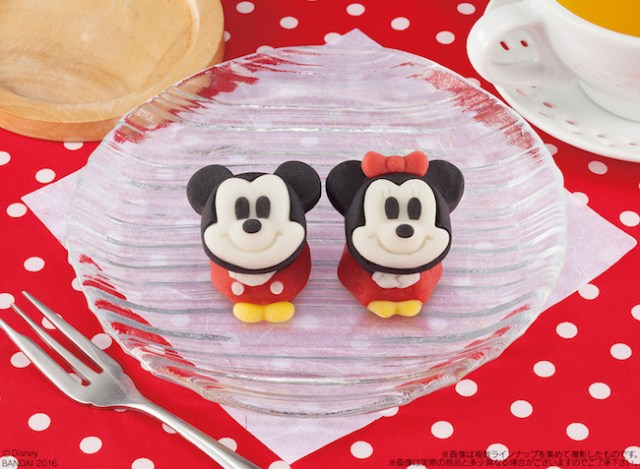
Mickey and Minnie have been turned into sweet Japanese confections this winter, and one thing’s for sure: they’re way too adorable!
Bringing you yesterday's news from Japan and Asia, today.
wagashi (Page 3)
Mickey and Minnie have been turned into sweet Japanese confections this winter, and one thing’s for sure: they’re way too adorable!
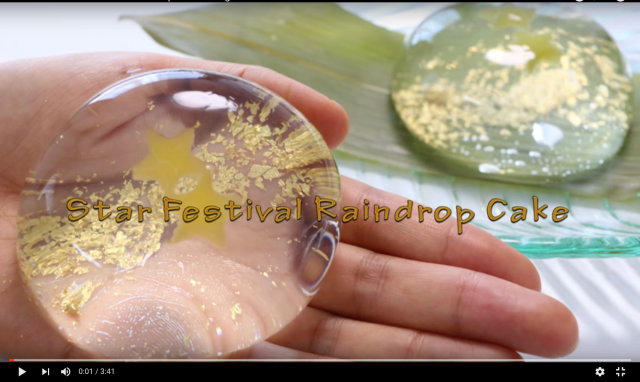
Tanabata, also known as the Star Festival, is once again on our doorstep and now with this “how to” video you can make your very own Raindrop Cake to celebrate!
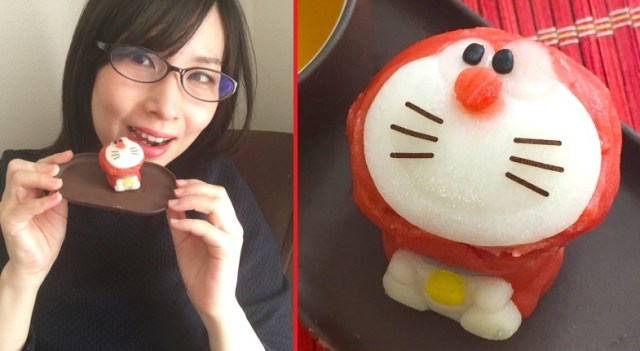
After hearing that traditional Japanese sweets now come in the shape of lovable robot cat Doraemon, our food-loving writer Meg just had to give them a try!
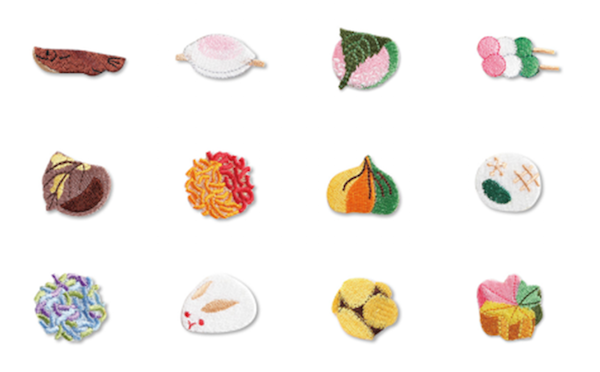
How well do you know your wagashi (Japanese sweets)? If you’re struggling to put a name to any of the traditional delectables pictured above, there’s a store in Kyoto that can help.
By creating decorative embroidered versions of some of Japan’s most popular confections, Kyoto-based Kyototo is giving us an education in the names and background of the hand-crafted treats that are often seasonal but always delicious. Come with us as we take a look at twelve of the most beautiful wagashi you can find in Japan.
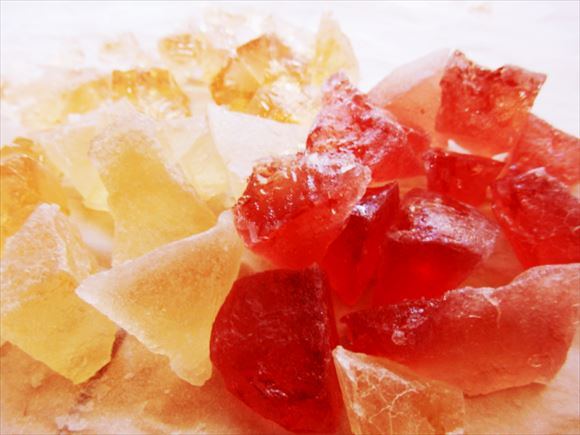
Remember those beautiful edible “jewels” that we shared with you a couple of weeks ago? Made simply from sugar, agar-agar, and a beverage of your choice, the jewels are both pretty to look at and make a cool – in both senses of the word – summer treat.
They’re still all the rage right now on Japanese social media, so our Japanese reporter Shimazu decided to try making some jewel flavor combinations for herself. She even experimented with three different manners of preparation–serving them right away, freezing them, and letting them sit for a few days to harden.
Which method of making them do you think she enjoyed the most?
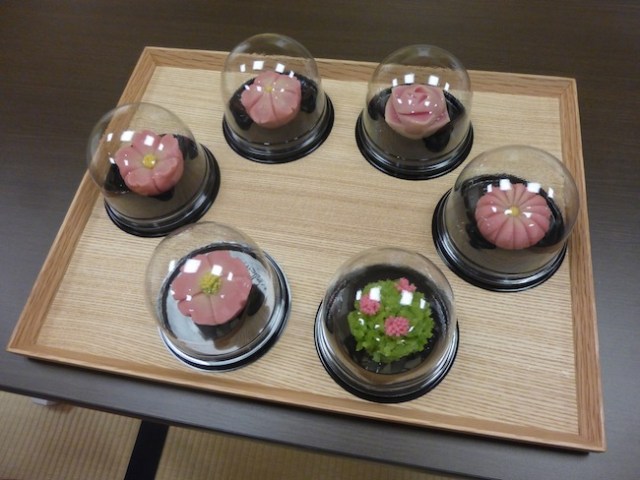
If you’re someone who enjoys making treats like cakes and pastries, then perhaps you have first hand knowledge of how baking can sometimes be a tricky affair. Well, in Japan, we have a whole category of wagashi, or traditional Japanese sweets, that aren’t baked at all, called namagashi (literally, “raw confectionaries”). Namagashi are typically made from various colorful bean pastes and often crafted into delicate seasonal-themed shapes.
Earlier this month, we participated in a seminar to experience what namagashi-making is like. Join us as we see how a master chef creates beautiful flowers from bean paste, and then try our not-so-expert hand at creating our own confections!
Pretty much anyone can pick up some brownie mix at the local grocer, crack an egg into a bowl, mix, and end up with a piping hot tray of delicious goodies. That’s child’s play (literally, if you’re using an Easy Bake).
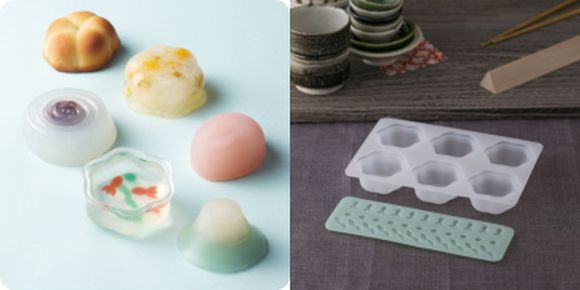
It’s another thing altogether to create some truly Pinterest-worthy “wagashi” Japanese sweets. You know what we’re talking about: The wabi-sabi-riffic, colorful eye-and-mouth candy we’ve gushed over here on this very site time and again.
Wagashi are equally intimidating items to make for foreigners and Japanese alike, often calling for seemingly exotic ingredients, mysterious baking methods and coming in hard-to-replicate shapes and sizes. But, lucky for enthusiasts, there’s now a series of home kits available online to make the process a (relative) breeze!
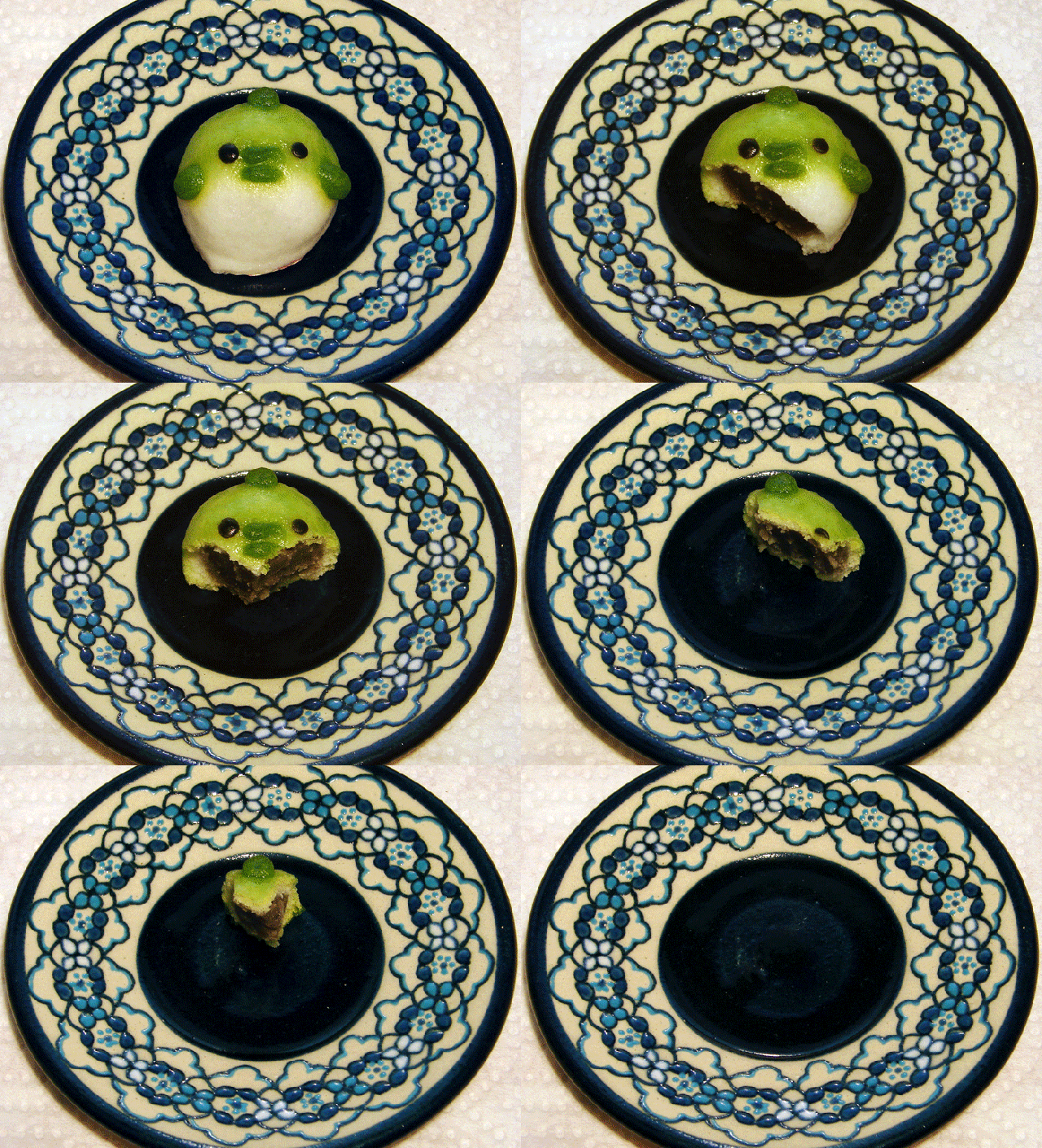
Do you remember our recent article that showcased Japanese confectioner Namikoshiken’s adorable menagerie of bite-sized manjū (sweet steamed buns)? Last week, out of sheer luck and coincidence, I received a box of the Suizokukan (aquarium) variety from a family friend who went on a trip to Nagoya in Aichi Prefecture, where the 87-year-old company is based. So of course, this calls for a taste test!
Read on to find out more about the wagashi treats and to view close-up photos of each lovable suizokukan resident. Was this writer able to harden her heart and mercilessly sink her teeth into these little guys? Anything for RocketNews24!
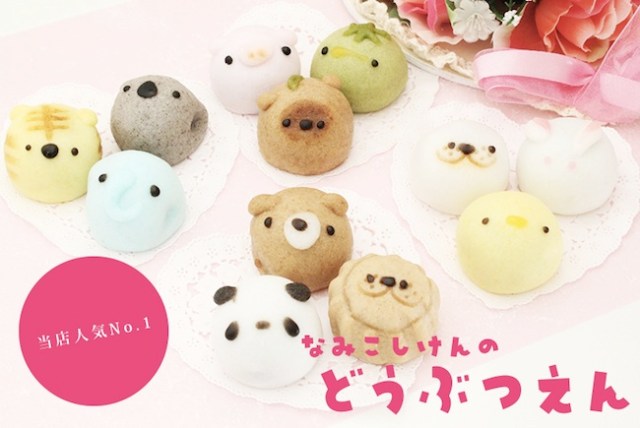
Okay, we know we’ve already introduced on our site countless Japanese treats which we think are irresistibly cute, but once again, we’ve found a little sweet something that we just had to share with you. Take a look at these lines of confectioneries sold by Japanese sweets maker Namikoshiken — they’re called the “Zoo” (dobutsuen) and “Aquarium” (suizokukan) series of sweet steamed buns, and when you see the confections, we think you’ll understand why.
Yes, the zoo and aquarium packages are a collection of animals and critters alright, and the only problem is that they just may look almost too cute to eat!
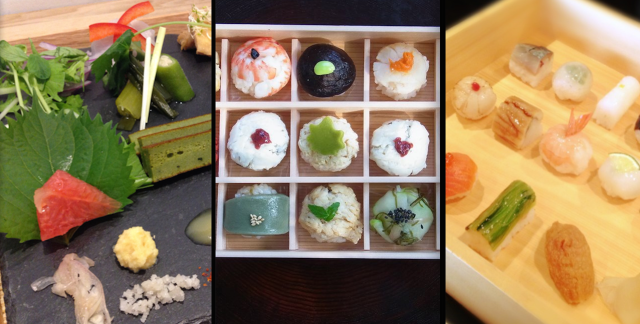
You’ve probably seen girls (and sometimes guys) taking pictures in restaurants and maybe you read their Twitter or Facebook updates about the good food they eat around Japan. Maybe you’re one of these foodagraphers. I wouldn’t blame you, in fact, I’ve done the same. Japanese food, everything from lunch-boxes to sweets, is often not only delicious looking, but is also often displayed in cute and fashionable ways.
But lately, social media and the restaurant review site Tabelog have been taken by storm by the updates and comments about three Kyoto sushi restaurants, due to their innovative menu and their ability to attract those squealing, cell-phone holding, Japanese women (and men?) by making their food undeniably cute.

If you’ve ever been to Kyoto, then you may know that the city’s food culture includes a rich history of traditional Japanese sweets, known as wagashi, which can be a perfect accompaniment to a day touring Kyoto’s famed temples. While many in Japan associate Kyoto with traditional sweets, a new anime series is about to take this aspect of the city’s food culture and combine it with a giant robot for a one-of-a-kind TV show.
Set in modern-day Kyoto, Domaiga D will center around a dessert shop owner who finds a giant robot beneath his shop right when the city is coming under attack by huge monsters.
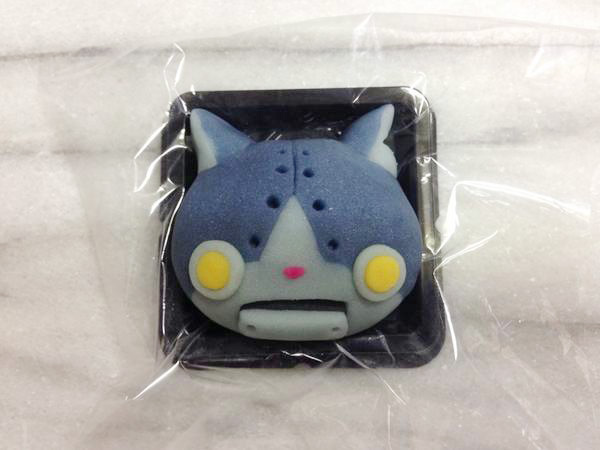
Wagashi are traditional Japanese sweets usually made from mochi, bean paste, or fruit. If you’ve been to Japan or a nice Japanese restaurant, perhaps you enjoyed one sculpted to look like a flower, crane or some other very old-fashioned Japanese image.
Like most things in Japan, no matter how venerable, give it enough time and it will be kawaii-ified. Enter sweets shop Kuramoto Hinode, where a veteran wagashi chef has begun crafting anime and pop culture based sweets with leftover bits and bobs.
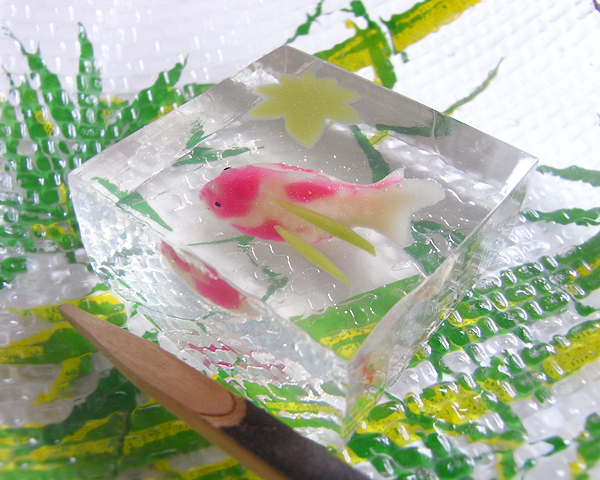
Japanese summers are hard to bear. With high humidity levels, the energy-sapping heat has such an overwhelming effect on the body there’s even a word for summer lethargy in the Japanese lexicon: natsubate.
Luckily for us, Japan has developed a number of unique ways to fight the summer heat. One of the best ways to cool down is in the sensory pleasure of traditional Japanese sweets featuring watery wonderlands, night skies and gorgeous hues of blue. We’ve found 15 of the best summer sweets that are so amazing they’re more like edible works of art.
 American man runs out of money in Japan, gets arrested for overstaying tourist visa
 What’s it like to stay in a Japanese container hotel?
 High-speed Japanese festival cart crashes cause two deaths on same day, ignite debate over tradition
 Studio Ghibli adds Totoro family goods to its anime merchandise store in Japan
 New Gundam plush goods mix cosplay and comfort for Char-custom-level coziness [Pics]
 Bilingual illustrated ninja guide stealthily drops courtesy of a top ninja researcher in Japan
 Japanese milk carton cakes are a genius idea that the world needs to know about
 Foreign travelers sitting on sidewalks of Tokyo’s Ginza are Japan’s latest tourism culture clash
 Family Mart releases 47 convenience store socks and stickers, one for every prefecture in Japan
 Town in Kanagawa struggling with violent gang of monkeys
 Tokyo train station will play Godzilla theme song as new departure melodyWhat’s it like to stay in a Japanese container hotel?Family Mart releases 47 convenience store socks and stickers, one for every prefecture in Japan
 Experimenting with making hot sandwiches in the microwave with a device from Japan’s 3COINS
 New Studio Ghibli notebooks are a beautiful reason to write and draw by hand [Photos]Japanese milk carton cakes are a genius idea that the world needs to know about
 Osaka man arrested for running little pet shop of horrors with dangerous crocodile
 Giant wagashi cushions will turn your home sweet home into home sweet Japanese sweets home
 Sushi Bus starts running in Japan, but is it a tourist trap or tourist must-do?
 Burger King serves up Pickleball Burgers in Japan, with a tasty nod to the number 11
 Japan announces new permanent residency guidelines, foreigners must earn more than average Japanese person
 Starbucks Japan unveils new Pokémon collaboration with Pikachu Latte and exclusive goodsFamily Mart releases 47 convenience store socks and stickers, one for every prefecture in Japan
 Studio Ghibli’s Calcifer is ready to light up your home as a magical-looking candle lamp [Photos]
 Lady Gaga and Family Mart team up for a Japanese convenience store work video [Video]
 New Gundam Base superstores coming soon in the U.S., with one opening this month
 Studio Ghibli releases new plush mascot character collection with a focus on friendshipTokyo train station will play Godzilla theme song as new departure melody
 Do Japan’s new single-minded convenience store bento show depressing poverty or satisfying focus?What’s it like to stay in a Japanese container hotel?
 Japan announces sudden 400-percent increase in visa fees for foreigners entering the country
 Japan’s human washing machines will go on sale to general public, demos to be held in Tokyo
 Studio Ghibli has a new anime out, and there’s only one place in the world where you can see it
 Starbucks Japan releases new drinkware and goods for Valentine’s Day
 Starbucks Japan releases new sakura goods and drinkware for cherry blossom season 2026
 Japan’s newest Shinkansen has no seats…or passengers [Video]
 Tokyo subway installing new ticket gates that don’t accept payment through Suica or other IC cards
 Japanese ninja certification exam attracts 131 candidates from Japan and abroad
 Salomon releases Japan-exclusive Mt. Fuji hiking gear that doubles as an amazing souvenir
 Japan reportedly adding Japanese language skill requirement to most common foreigner work visa
 Bilingual illustrated ninja guide stealthily drops courtesy of a top ninja researcher in Japan
 Japanese milk carton cakes are a genius idea that the world needs to know about
 Foreign travelers sitting on sidewalks of Tokyo’s Ginza are Japan’s latest tourism culture clash
 Family Mart releases 47 convenience store socks and stickers, one for every prefecture in Japan
 Town in Kanagawa struggling with violent gang of monkeys
 New craft beer made from Japanese udon noodles celebrates centuries of Mizusawa food culture
 This shrine in Japan invites you to hit and kick its god of poverty statue for good luck [Photos]
 New Tokyo facility promises to make you feel reborn, time in the womb and all [Photos]
 Japan’s newest anime figure crane game prize may also be the world’s weirdest hanger [Photos]
 Do Komeda’s beefy rice balls continue the chain’s hallowed tradition of “reverse fraud”?
 Pizza Hut in Japan now serves spicy glass noodle pizza
 Free-flowing cocktails, natural onsen water, and custom pillows make this Osaka hotel a steal
 Sushi Bus starts running in Japan, but is it a tourist trap or tourist must-do?
 Starbucks Japan unveils new Halloween goods with secret glow-in-the-dark details