society (Page 65)


Japanese Prime Minister Shinzo Abe’s Liberal Democrats intensify their push for legalized casinos in Japan, but a majority of Japanese people are calling their bluff!
When you’ve got a big day ahead of you, sometimes a little fashion-based boost can make all the difference.
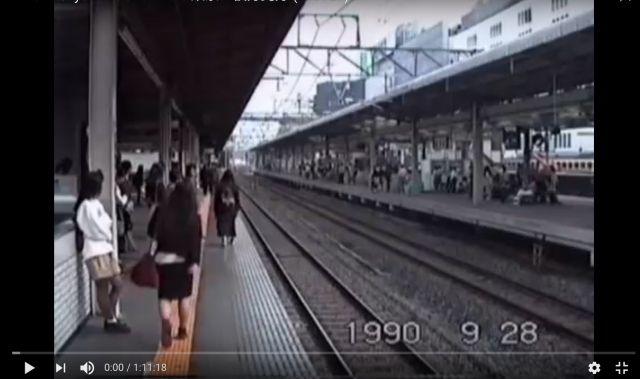
Take a trip back to the metropolis at the peak of the Bubble Era with this fascinating series of candid video montages.


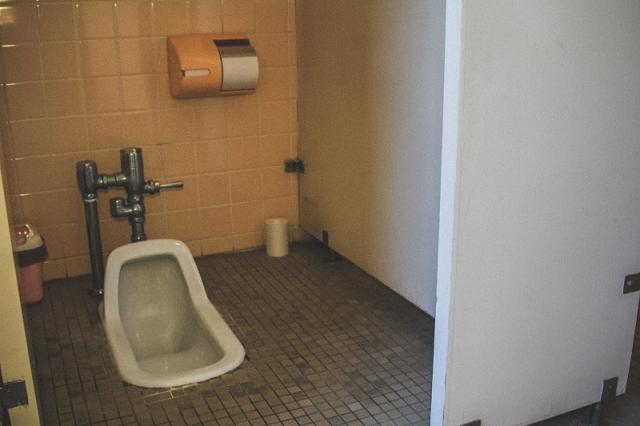
The existence of the Japanese-style toilet in places of education may be circling the drain.
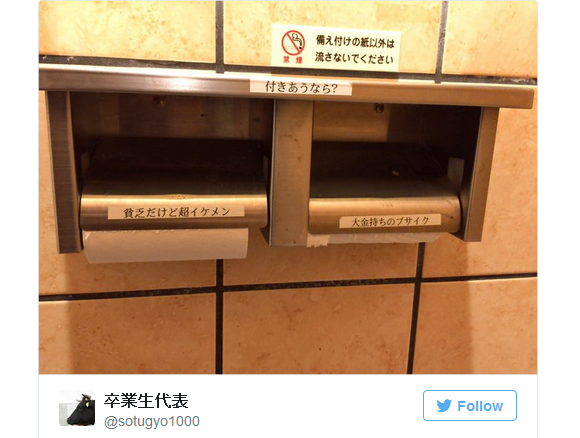





Consenting adults generally go to love hotels for the express purpose of getting naked, but how much privacy do they really have?
We spoke to an industry veteran about the rationale behind the common practice, and got an answer we definitely weren’t expecting.
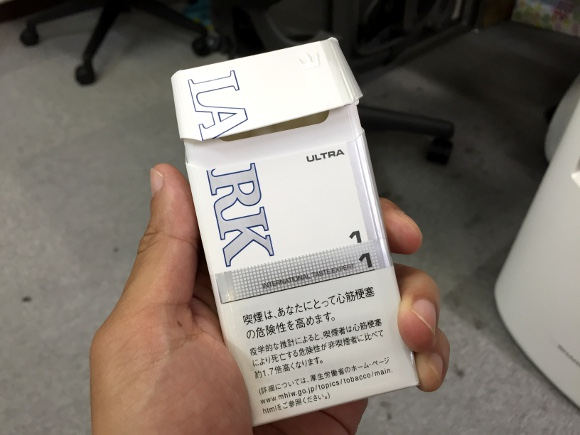
Proposed tax hike aims to reduce the number of people lighting up before the Olympic flame comes to Tokyo.
MOST POPULAR
Today
 Pokémon Company announces first-ever permanent Pokémon store to open outside Asia
 One of Tokyo’s most beautiful soft serve ice creams is also one of its trickiest to find [Photos]
 New Studio Ghibli anime gets extended run at the only cinema in Japan where it’s being shown
 Japan’s newest tempura is…potato salad tempura?!? [Taste test]
 Super Mario creator Shigeru Miyamoto to receive Order of Culture from Japanese emperor
 Ghibli composer Joe Hisaishi named Composer-in-Residence of Los Angeles Philharmonic
 Pikachu Shortcake Sandwich set to be Tokyo’s newest photogenic treat for Pokémon Trainers
 Family Mart enters the soft serve game with giga-sized cones of milk or matcha goodness
 Tokusatsu hero “Moonlight Mask’s” pocket change donations help traffic accidents victims in Japan
 Family Mart releases 47 convenience store socks and stickers, one for every prefecture in Japan
Weekly
- Pokémon Company announces first-ever permanent Pokémon store to open outside Asia
- New Studio Ghibli anime gets extended run at the only cinema in Japan where it’s being shown
 Studio Ghibli creates illustrated Kyoto sightseeing map, available at any 7-Eleven Japan store
 Osaka’s famous Glico Running Man will be removed and replaced with a new-look sign
- Family Mart enters the soft serve game with giga-sized cones of milk or matcha goodness
 Tokyo bakery has a crazy expensive 10,000-yen bread loaf set, and we’ve tried it [Taste test]
 New Studio Ghibli stamps – Too cute to wait until New Year’s to use, so they’re available right now
 Eight low-key great places to spend the day (or half a day) in Japan this fall
- Family Mart releases 47 convenience store socks and stickers, one for every prefecture in Japan
 Japanese sushi etiquette: You may have been ordering sushi wrong this whole time
Monthly
 Japan announces new permanent residency guidelines, foreigners must earn more than average Japanese person
- Pokémon Company announces first-ever permanent Pokémon store to open outside Asia
 Starbucks Japan unveils new Pokémon collaboration with Pikachu Latte and exclusive goods
 Studio Ghibli’s Calcifer is ready to light up your home as a magical-looking candle lamp [Photos]
- Family Mart releases 47 convenience store socks and stickers, one for every prefecture in Japan
 Lady Gaga and Family Mart team up for a Japanese convenience store work video [Video]
 What’s it like to stay in a Japanese container hotel?
 Tokyo train station will play Godzilla theme song as new departure melody
 Do Japan’s new single-minded convenience store bento show depressing poverty or satisfying focus?
- New Studio Ghibli anime gets extended run at the only cinema in Japan where it’s being shown
Yearly
 Japan announces sudden 400-percent increase in visa fees for foreigners entering the country
 Japan’s human washing machines will go on sale to general public, demos to be held in Tokyo
 Studio Ghibli has a new anime out, and there’s only one place in the world where you can see it
 Starbucks Japan releases new drinkware and goods for Valentine’s Day
 Starbucks Japan releases new sakura goods and drinkware for cherry blossom season 2026
 Japan’s newest Shinkansen has no seats…or passengers [Video]
 Tokyo subway installing new ticket gates that don’t accept payment through Suica or other IC cards
 Japanese ninja certification exam attracts 131 candidates from Japan and abroad
 Salomon releases Japan-exclusive Mt. Fuji hiking gear that doubles as an amazing souvenir
 Japan reportedly adding Japanese language skill requirement to most common foreigner work visa
RECOMMENDED STORIES
 Ghibli composer Joe Hisaishi named Composer-in-Residence of Los Angeles Philharmonic
 Pikachu Shortcake Sandwich set to be Tokyo’s newest photogenic treat for Pokémon Trainers
 Family Mart enters the soft serve game with giga-sized cones of milk or matcha goodness
 Tokusatsu hero “Moonlight Mask’s” pocket change donations help traffic accidents victims in Japan
 Family Mart releases 47 convenience store socks and stickers, one for every prefecture in Japan
 Trial of terminally ill cancer patient who found 22 million yen on the street and kept it ends
 Japanese scientists developing cute, autonomously swarming robo dogs for anti-bear patrols [Video]
 America is getting its first-ever One Piece store, and the opening date has been revealed!
 Japanese sushi etiquette: You may have been ordering sushi wrong this whole time
 Tokyo bakery has a crazy expensive 10,000-yen bread loaf set, and we’ve tried it [Taste test]
 There are goats spending every day in downtown Tokyo, but why? [Photos]
 Zombies serve cocktails and Pochita turns into parfait at Universal Studios Japan this Halloween
 Osaka’s famous Glico Running Man will be removed and replaced with a new-look sign
 Studio Ghibli creates illustrated Kyoto sightseeing map, available at any 7-Eleven Japan store
-
