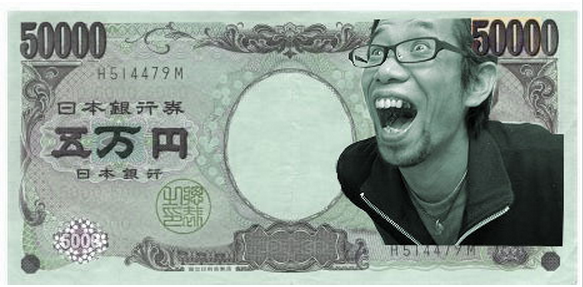
Tokyo and its big city cousin to the south, Osaka, are consistently voted among the most expensive places in the world in international polls. Japan in general is notorious for its high prices, prompting many potential visitors to choose a different, more cost-effective destination. Sure, from an outside perspective, prices in Japan are more than most are used to, but what do those who actually live there think? Japanese website, Ameba News, asked 570 working Japanese adults to name any products they felt weren’t priced correctly, whether too expensive or too cheap. The results may surprised you.
culture (Page 57)
In a country where concepts like uniformity and social cohesion are praised from kindergarten to retirement, and where those who seek out their own paths are considered quirky at best and troublesome renegades at worst, it is difficult for young professionals in Japan to stand out and make a name for themselves. For men especially, who more often than not must don the same black suit, white shirt and neutral-coloured necktie combo as their millions of peers, it’s easy to become just another face in the commuter crowd.
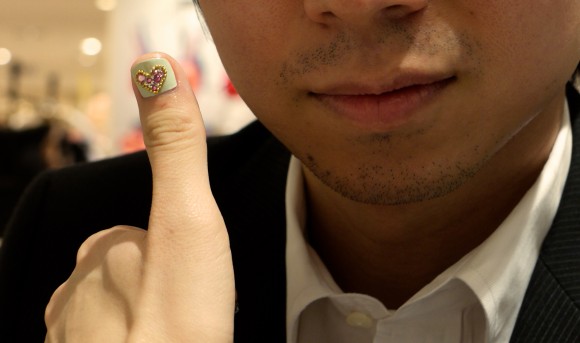
But a new generation of young businessmen has recently started bucking social trends in order to do precisely what they were always discouraged from: stand out and get noticed. Known as bijinesu neiru (“business nail”), thousands of men working in industries from pharmaceuticals to video game design are now paying hundreds of dollars a week to have their fingernails prettied up with gemstones, pastel-pinks, hearts and even company logos, with many claiming that, since getting their nails done, they have been rewarded with pay rises and promotions, and now have more friends and lovers than they could ever have dreamed.
Nearly every guide book for Japan mentions Hachiko, the dog who patiently waited every day for nine years in the 1920s and ‘30s in front of Shibuya Station for his master to come home, never knowing that the man had passed away at the office. It’s a touching story of devotion, and one so well-known Hachiko now has his own statue near his waiting spot.
However, some argue that Hachiko didn’t come to the station every day because he was hoping for his master to return, but because of the free handouts of food he got once he became a local celebrity. Could it be that the friendly pooch actually isn’t the epitome of animal-human loyalty?
Maybe that title would be a better fit for a cat that lived hundreds of years before Hachiko was even born, and displayed such fealty to its samurai master that its entire species is honored at their own Cat Temple.
Kids find all kinds of ways to playfully bully each other that adults might shake their heads at. In the West, this might manifest as little mean-spirited pranks like nipple twisters, convincing a kid to eat a whole tube of toothpaste, or to run up and touch the creepy cat lady’s house in the middle of the night.
But Japanese kids tend to take a more sexually charged approach. We’ve already talked about the intricacies of the infamous kancho – that mighty, two-handed violation of someone’s hind quarters that happens to every westerner at least once and lingers in their psyche for decades, yet the Japanese shrug it off as just another schoolhouse (or workplace) prank.
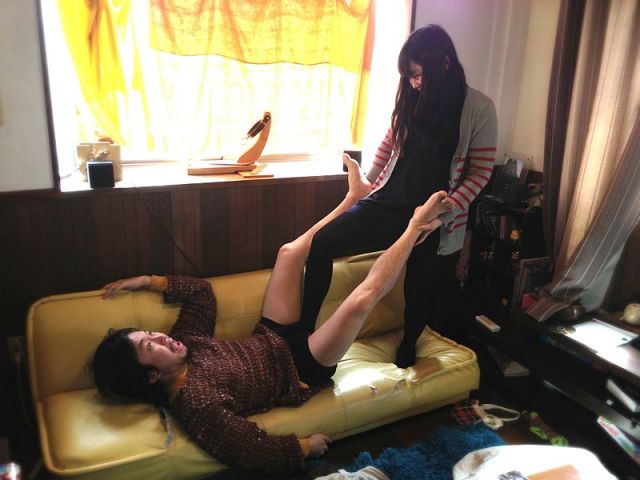
But one you may not have heard about is the long-standing tradition of the “Denki Anma.”
When it comes to Finland, there’s no shortage of opportunities for getting acquainted in Japan’s capital of Tokyo. From cafes where you can chow down with cute, stuffed Moomin characters created by a famous Swede-Finn, to Finland’s top doughnut chain, Arnold’s, and Karhhu, Finland’s number one beer, it’s easy for Tokyoites to take their taste buds for a dip in Nordic cuisine.
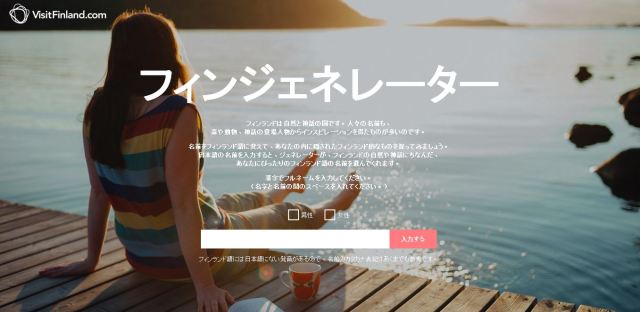
Now, people in Japan have found a new way to get acquainted with Finnish culture with the introduction of a clever little name generator from VisitFinland.com. Simply enter your name and within seconds you’re bestowed with the Finnish version, complete with a full explanation of the meaning behind your new name. We translated some well-known names and found they were connected to the wild nature of Lapland and mysterious tales of forest kings.
Japan’s birth rate has been dropping for decades now, and while it’s possible the demographic shift is a result of couples just getting that much better at using contraceptives, you have to allow for the possibility that fewer babies is due to fewer couples doing the deed.
Lending further credibility to this explanation is the fact that the proportion of Japanese men in their 30s who still have their virginity has gotten so high that society has coined a new slang term to describe them: yaramiso.
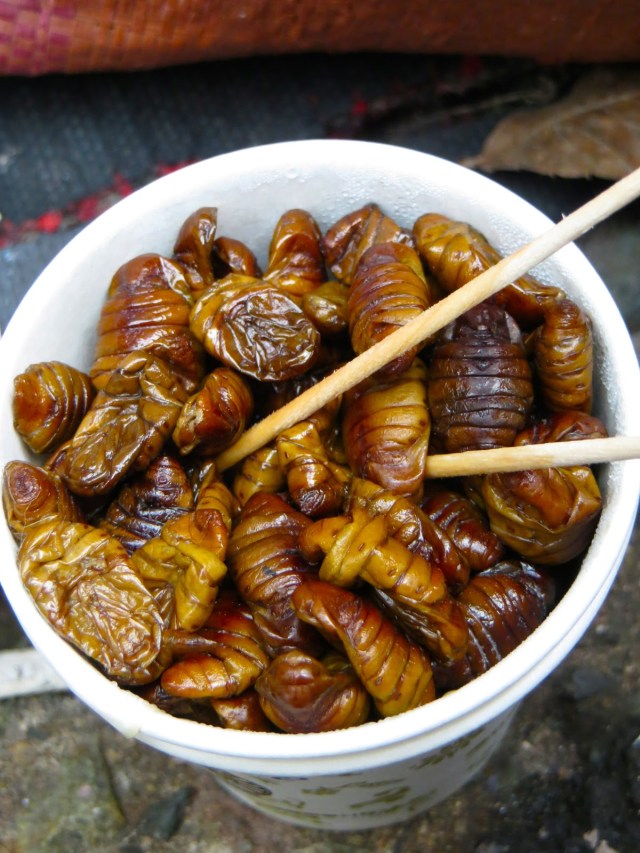
One of the top tourism draws around much of Asia is all the adventurous eating. East Asian countries in particular all seem to have a plethora of extreme foods that you’d never be able to get back home. These dishes run the gamut from super spicy to super sweet, may have gooey but oddly pleasant textures, or may come from some animal you’ve never heard of.
Most of the time, while exotic and possibly a little off-putting in appearance, these quirky dishes taste great. But then there are other so-called “delicacies” that a lot of locals won’t even go near, let alone doe-eyed tourists. So put down that burrito; you won’t be needing (or wanting) it, because here’s a list of stomach-churning delicacies from around East Asia:
Karate has always been one of those martial arts forms that never really had much appeal to me. The idea of repeating the same kata routines – with names like “Black Dragon Karate Chops 20 Weasels at Midnight” or whatever – to commit the moves to muscle memory always seemed kind of boring and counter-intuitive to me.
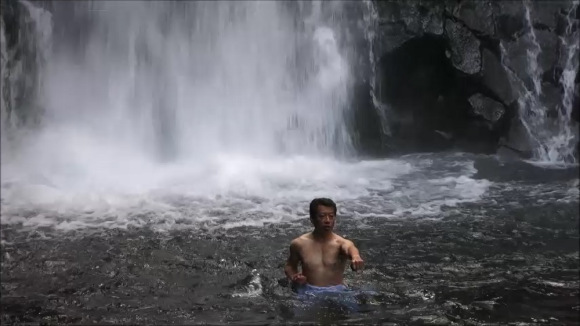
And now, upon learning that at least one school has students train half naked, in freezing water, in the dead of winter, I’m even less inclined to try the sport. I’d rather go four rounds in the Octagon with Brock Lesnar.
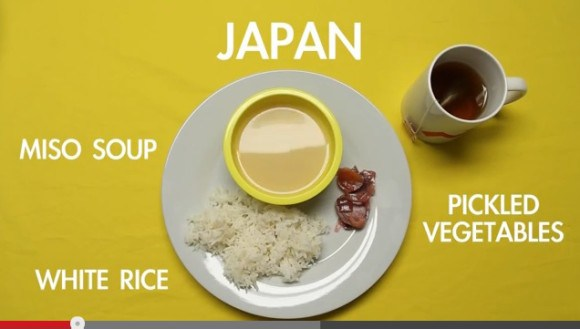
There’s a certain mystery about what different countries have for breakfast. Most people’s contact with the eating habits of other nations comes from dining out, so as long as you’ve got a Japanese restaurant near where you live, you don’t necessarily need to fly to Tokyo to see what a typical lunch or dinner looks like.
Unless you grew up in a culture, though, you might not have had the chance to see what the locals eat for their first meal of the day though. We recently came across a video that aims to shed a little light on the subject, and while we’re intrigued by the premise, they sort of dropped the ball on what Japan eats at breakfast.
Job hunting is a concentrated, intense process in Japan. In general, major companies all do their recruiting during the same, single stretch of the year, which runs through winter and early spring. Most college students try to line up a job roughly a year before graduation, and those who fail to have a doubly difficult road ahead, as not only will they have to wait a year to try again, being a year or more older than other candidates is considered a black mark against an individual.
With so much pressure on them, job hunters should be happy to learn of what may be a new secret weapon they can implement in trying to land their dream job: make it completely clear that they love idol singers.
In many English-speaking countries, it’s common to name children after a parent or relative. My dad, oldest brother, and nephew all share the same first name, for example, which provides a link through the generations, plus makes it easy for my mom to simultaneously call them for dinner.
This isn’t really done in Japan, though, and not being tethered to the past means that baby name trends can gather or lose momentum quickly. Recently, Japan is seeing more and more kirakira names. Kirakira literally means “sparkly,” and usually either the combination of kanji characters used to write the name, or the pronunciation itself, is flowery and unique.
But as a list of the top 20 for girls shows, kirakira names aren’t always just flashy, sometimes they’re downright sweet.
For the most part, Japan isn’t really sold on the idea that bigger is better. Sure, you can find giant parfaits and monstrous sashimi bowls, but that’s to be expected, since saying you’d rather have less of either is a sure-fire way to blow your cover to the human resistance that you’re secretly one of their killbot overlords in disguise.
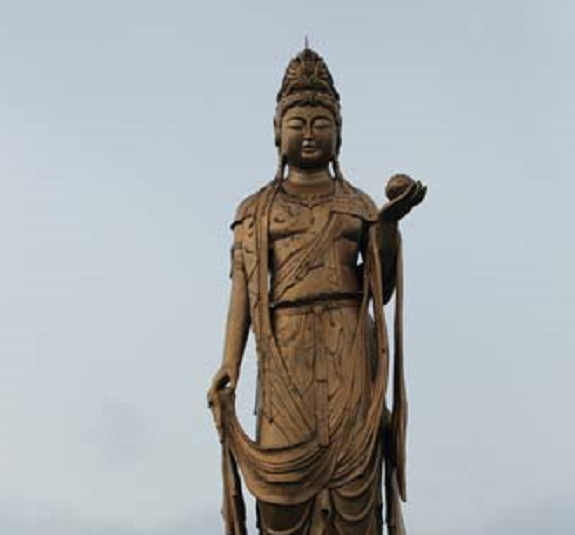
Artistically speaking, though, the generally preferred aesthetic is graceful understatement, which doesn’t really necessitate ostentatious scale. The one major exception to this, however, is images of Kannon, the Buddhist goddess of mercy and compassion.
Giant-sized statues of Kannon can be found at a number of locations in Japan, and now, if you’re lucky enough, you could own one for less than 1,000 yen.
Not so long ago, Japanese developers absolutely dominated the console video game market. As time went on, though, developers from other nations started chipping away at that massive market share, particularly as consoles and PCs become more similar to each other in performance profiles.
In particular, Japanese studios haven’t responded to consumer demand for first-person shooters. Franchises such as Electronic Arts’ Battlefield and Activion’s Call of Duty are practically a license to print money, with incremental, near-annual updates that open the floodgates on huge revenue streams for their publishers.
But could the reason Japanese video game makers haven’t embraced the first-person shooter have something to do with Japan’s history?
On a recent trip back home to Los Angeles, I was going through the closet in my old room when I came across the jersey I wore back when I played football. While I don’t expect to have a chance to play the sport anytime soon, I still couldn’t bring myself to throw it out. It’s one of the few mementos from my student days, and even if I’m never going to wear it again, there’s too much sentimental value for me to just get rid of it.
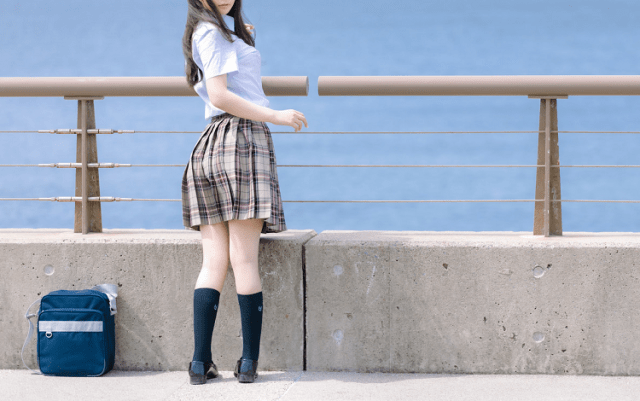
Many Japanese adults feel the same way about their school uniforms, hanging onto the clothes they wore day in and day out long after graduation. The outfit can serve as a humble reminder of where you came from, or a nostalgic pick-me-up when you’re feeling down.
Or, if you’re a woman, your old school uniform can also be your ticket to a free meal.
With all the controversy surrounding a recent “racist” All Nippon Airlines ad, the Japanese and Western media have both been abuzz with the question of whether foreign people can ever truly become respected Japanese citizens – accepted by their community and deemed worthy of the right to not be the recipient of extraordinary treatment.
But this conversation has been going on a long, long time in the expat community in Japan, with a lot of otherwise Japanophile foreigners finding it hard to befriend the Japanese on a higher-than-acquaintance level. Why? Well, frequent source of opinion and cultural commentary Madame Riri has compiled a few of the reasons:
A complaint commonly lobbed against manga made for young men is that the main character is just a blank slate for the reader to project himself onto, allowing him to vicariously live out his fantasies. That may be oversimplifying things quite a bit, but it’s also hard to deny that many male Japanese comic heroes possess three traits that men almost universally aspire to, namely being strong, cool, and surrounded by women in incredibly short skirts.
But what about women who are manga fans? If given the chance, which female character would they like to be?
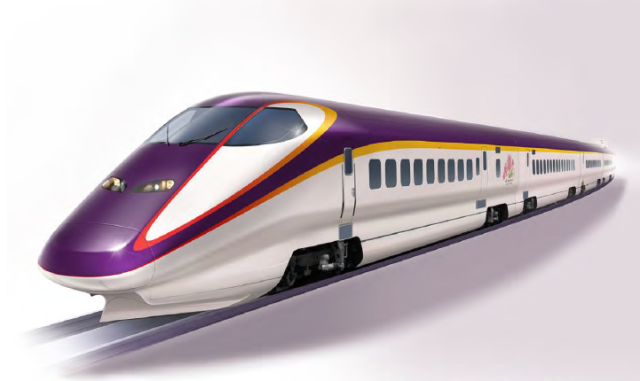
The Shinkansen is already a pretty cool way to get around Japan, as it whisks travelers from the country’s cosmopolitan urban centers to its more traditional rural locales.
But what if you want to experience a bit of authentic Japanese culture while you’re zipping across Japan at 200 miles per hour? Fear not, Japan Railway has just the thing: a bullet train with tatami reed flooring and a Japanese-style foot bath.
Tokyo’s astronomical rent costs mean people will go to great lengths to find a cheaper deal. For many, this means living up to a 30-minute walk from their apartment’s nearest train station. Others might choose to live in extremely small or narrow rooms or may opt for what amounts to a cardboard box on an apartment building’s roof.
There is, however, another option that almost seems too good to be true: So-called “Accident Site” apartments. These are rooms in which a previous tenant has died inside, usually from non-natural causes. Some rental agencies specifically advertise rooms as “accident site,” while some agencies just list a room that’s mysteriously low-priced and let people figure it out for themselves.
Certain bargain hunting types with extreme mental fortitude and who don’t mind the occasional bleeding wall or mysterious, warm puff of breath on their cheek while they sleep, actually seek out these deals, but the large majority of Japan avoid them.
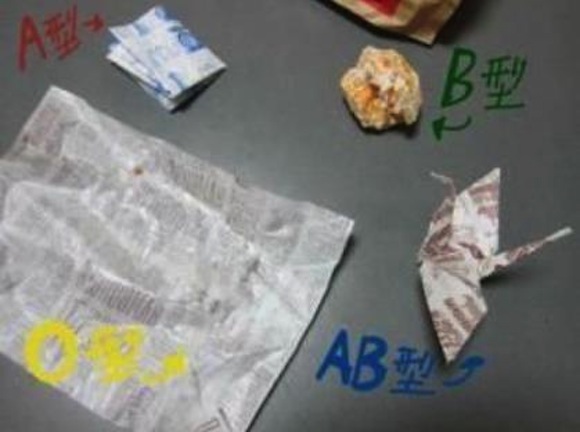
In a number of East Asian countries, but perhaps most strongly in Japan, it is believed that one’s blood type, or ketsuekigata (血液型), determines a lot about one’s character and how we relate to others and the world around us. Although comparatively few Westerners who have never donated blood or had the misfortune of being seriously ill know their blood type, it is rare to meet a Japanese person who does not know theirs, and it’s considered perfectly normal for people to try to guess someone’s blood type when first getting to know them or working together closely.
It’s easy for non-Japanese to forget the character traits that blood types supposedly denote, however, so here’s a handy image – which is currently doing the rounds online in Japan and being suitably nodded at and chuckled over – to save on your computer or smartphone for the next time someone says, “Oh, that’s typical A-gata behaviour!” when you fold up your napkin or straighten a crooked picture frame.
Brace yourselves, Republicans and Libertarians: it turns out Japan’s social safety net provides free healthcare to people that need medical attention but have no money or insurance. It’s like Obamacare’s angry, ‘roided-up samurai cousin.
That’s because there’s a somewhat vaguely-worded provision in Japanese law that states the government is obligated to provide care for those with “troubled livelihoods,” at low or no cost, regardless of insurance coverage. “Troubled livelihood” is kind of a broad definition, which ensures that those without the means to pay for medical treatment – even if they aren’t necessarily poor, homeless or unable to work – can still see a doctor.


50-year-old instant noodle recipe is back from the past in Japan for a limited time[Taste test]

Tokyo’s best museum for foreign travelers finally reopens after being closed for four years

Tokyo subway and almost all Tokyo train lines now accepting credit card tap payments
Famous Tokyo cherry blossom spot installs view-blocking screens to fight overcrowding[Video]
Japanese masturbatory aid and insect repellent companies collab on a new product

Foreign tourists pick the top 10 inconveniences about traveling in Japan【Survey】
Totoro and Calcifer become little light-up lanterns for Ghibli-style excursions or at-home decor
Our pal Butch (a.k.a. Big Wave) becomes face of Taco Bell Japan’s hexagonal chicken tacos
Huge life-size Eevee Eeveelution Pokémon plushies will steal hearts, conquer living rooms【Photos】

Survey finds more than 70 percent of Japanese children have an online friend
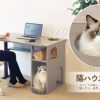
Japan now has a special desk for people who work at home with a pet cat[Photos]
Uniqlo announces new T-shirts for One Piece, Naruto and more for manga publisher’s 100th birthday

Krispy Kreme releases Super Mario doughnuts in Japan for a limited time
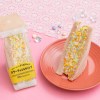
7-Eleven Japan releases a crazy new viral sandwich: Chocolate Sprinkles and Whipped Cream
Japan now has a “for foreign tourists only” Mt. Fuji sightseeing train[Video]
Studio Ghibli releases the My Neighbour Totoro tea caddy, with a magical self-closing lid

Create a tiny Ghibli anime world on your bookshelf with new miniature papercraft art kits
Picturesque Tokyo park plays host to millions of flowers and soap bubbles this spring
Starbucks Japan unveils new sakura cherry blossom collection for hanami season 2026
Train station platform ramen store closes its doors on half a century of history in Tokyo

Starbucks Japan releases new My Fruit³ Frappuccino at only 34 stores around the country

Studio Ghibli releases Catbus pullback keychain that runs like the anime character
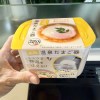
Japanese onsen egg maker from 100-yen store Daiso needs to be on your shopping list
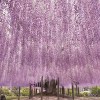
Nine great places to see spring flowers in Japan, as chosen by travelers (with almost no sakura)

Survey asks foreign tourists what bothered them in Japan, more than half gave same answer

Japan’s human washing machines will go on sale to general public, demos to be held in Tokyo

Starbucks Japan releases new drinkware and goods for Valentine’s Day
We deeply regret going into this tunnel on our walk in the mountains of Japan
Studio Ghibli releases Kodama forest spirits from Princess Mononoke to light up your home

Starbucks Japan releases new sakura goods and drinkware for cherry blossom season 2026

Japan’s newest Shinkansen has no seats…or passengers [Video]
Major Japanese hotel chain says reservations via overseas booking sites may not be valid
Put sesame oil in your coffee? Japanese maker says it’s the best way to start your day【Taste test】
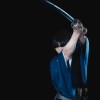
No more using real katana for tourism activities, Japan’s National Police Agency says
Foreign tourists pick the top 10 inconveniences about traveling in Japan【Survey】
Totoro and Calcifer become little light-up lanterns for Ghibli-style excursions or at-home decor
Our pal Butch (a.k.a. Big Wave) becomes face of Taco Bell Japan’s hexagonal chicken tacos
Huge life-size Eevee Eeveelution Pokémon plushies will steal hearts, conquer living rooms【Photos】
Survey finds more than 70 percent of Japanese children have an online friend
Why is Yoshinoya called Yoshinoya?
Rumors say this is Japan’s very best McDonald’s branch, but what makes it special?[Taste test]
Genuine Muramasa blade and Muromachi katana on display at Tokyo’s Touken Ranbu store【Photos】
Picturesque Tokyo park plays host to millions of flowers and soap bubbles this spring
Testing Japan’s fluffy mayonnaise pancake cooking hack【SoraKitchen】
Japan now sells…sake made with moth poop?!?
Japan now has a special desk for people who work at home with a pet cat[Photos]