Japanese culture (Page 3)


We asked Japanese people to tell us the things foreigners say or think about Japan that really gets their goat—and they were happy to oblige! How many of these faux pas are you guilty of?

Every time I visit my home country and talk about my life in Japan, one thing becomes clear to me: Japan remains incredibly misunderstood overseas. With this in mind, today we’ll be discussing three stereotypes of Japan: the country’s apparent disdain for those who stand out from the crowd, the notion that Japan is a strict society, and that the idea of ‘losing face’ is a quintessentially Asian concept.

Kyoto, which was the capital of Japan for more than 1,000 years, is one of those cities that looks beautiful no matter what time of the year it is. But out of all the seasons, autumn is by far the most popular time to visit, and now that the leaves are beginning to change people are also starting to plan trips to catch a glimpse of Kyoto’s gorgeous fall scenery.
If you happen to be one of those tourists, we have just the book for you, a unique insight into city by foreigners who now call Kyoto their home, called Amazing Kyoto.
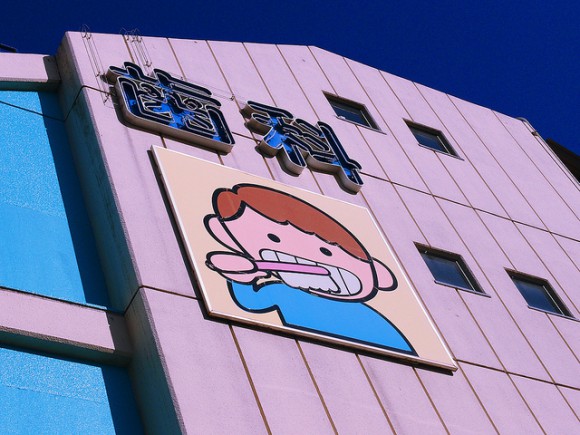
After having lived in Japan for a number of years, you get used to the certain ways in which it smells kinda different to your home country. For example, people here tend to wear less cologne and perfume so you’re not as likely to have your nostril hairs singed by someone who has doused themselves with eau de celeb as you share a train carriage on your morning commute. On the other hand, smoking is absolutely everywhere in Japan and you can expect to come home with your hair and clothes stinking of smoke after barely an hour at your local izakaya, even if you never touch the cancer sticks yourself.
But a new survey conducted by an oral care company has found evidence that suggests one of the things foreign visitors to Japan notice is the huge number of people with bad breath! Apparently, this halitosis has left many a foreigner visitor “disappointed” with the country, whatever that means…

We all know marriage and live-in-partnerships have a lot going for them. From constant companionship to support when you’re stressed with work or family problems, the idea of cohabiting with that special someone is powerful enough to sweep even the most jaded singleton off their feet.
In Japan, where pre-marriage cohabitation is still considered somewhat taboo, married life is a serious commitment with traditional roles that involve self-sacrifice and obligation, not only to one’s partner but to their extended family. So what do the single men of Japan think about marriage versus the bachelor life? A recent survey reveals the moments men are glad they’ve never put a ring on it and the interesting reasons why.
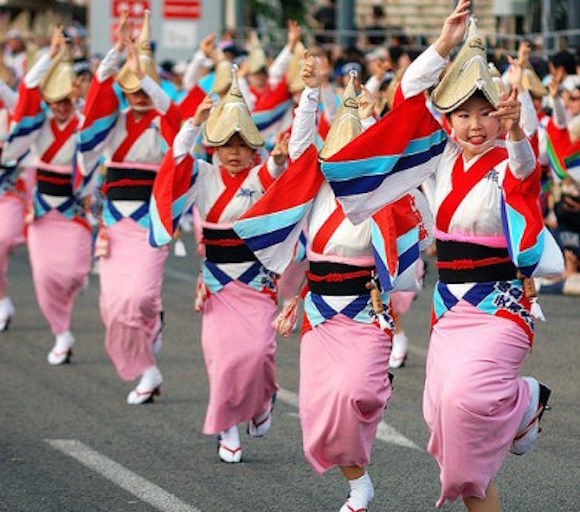
If the idea of your loved ones leaving this earth never to return again seems unfair, then you should consider the Japanese view of the afterlife. While nothing can change death itself, it is comforting to know that in Japan there is a special time of the year when the souls of the dead come back to visit the living. This is called Bon (or Obon using the honorific “o”) a holiday period from August 12-16 (exact dates may vary depending upon location), a time when the entire country takes a break to celebrate the “festival of the dead.” It’s a lively few days when the living and the dead can once again unite to eat together, drink together and share good times.
The Bon tradition gives the country some of the unique dances that Japan is so famous for. Tokushima’s Bon dance, called Awa Odori, for example, draws over one million tourists every year. Traditional Bon entertainment is so lively, colorful and intriguing that a Bon dance is a must-see on every traveler’s itinerary.
Today we’ll introduce you to a five things you should know about Obon. Needless to say, it’s a very exciting time to be in Japan as a tourist!

Japan has a lot of unique customs, and not all of them make sense to newcomers. Eating fried chicken on Christmas Eve, anyone? How about the weird ritual of girls giving chocolate to guys on Valentine’s Day (do guys really like chocolate more than we girls do?).
But it turns out that there are plenty of customs that even Japanese people think are a waste of time. Here’s the top seven worst offenders, and why they are so annoying…
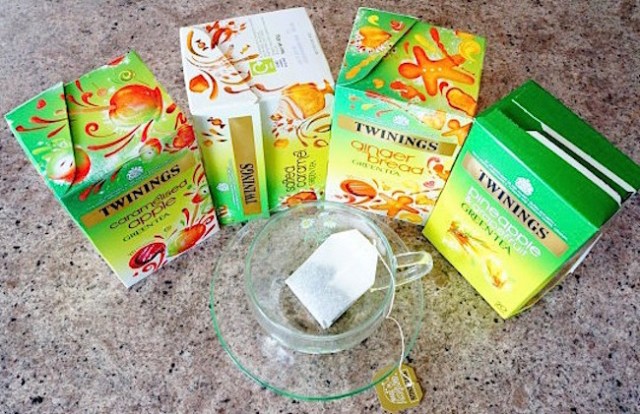
In the UK, where I’m from, people get really passionate about tea. It’s the first thing you offer someone who is a visitor to your home, and remembering how someone likes their tea made is one way of showing that you care about them. We’re also fussy about the ritual behind making tea (you should see what happens in my house when someone puts the milk in first). In this way, we’re kinda like the Japanese.
In Japan, they drink green tea rather than black tea, but their attitude towards it matches ours. It’s both something for all-day long refreshment, and for special occasions. They’re also really into the ceremony behind it, with chadou, or tea ceremony, being a celebrated art in Japan.
So, what happens when the tea companies try to make green tea happen in the UK? A whole lot of added flavourings, that’s what! Join us after the jump for a taste test!
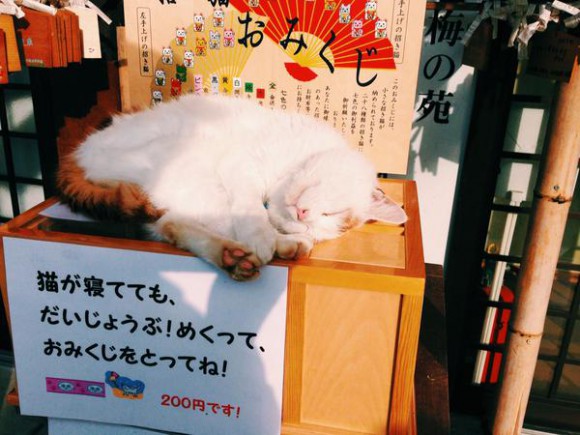
Here’s a familiar saying: “In Ancient Egypt, cats were worshipped as gods; they have never forgotten this.” Certainly in Japan, cats are still given a huge amount of respect, with entire islands of moggies being given free roam to peacefully exist in their own little kitty ecosystem. Of course, things aren’t perfect, and stray and abandoned cats are a sad reality in Japan as much as they are in many other countries. But today we’re here to appreciate the happy cats of Gotanjo temple in Fukui Prefecture, who are lovingly tended to by Buddhist monks and fawned over by the adoring tourists who come to visit. You can even get a special kitty cat fortune and see what’s in store for the coming year!
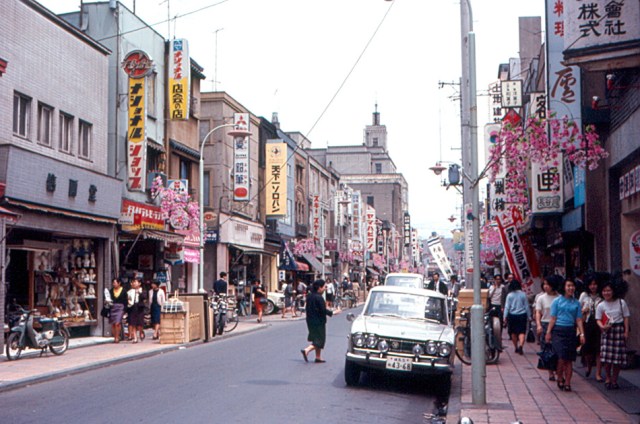
The Showa period (1926-1989) was a time of immense change for Japan when the country went from being an imperial power to a poverty-stricken post-war nation and then becoming an economic powerhouse that dominated automotive and electronic industries around the world. Twenty-seven years since that era ended and the current Heisei era began, fond memories of “Showa Japan” still flood many Japanese minds.
But a recent online poll asked netizens to take off their rose-tinted glasses and consider the aspects of daily Showa-period life that, while seeming completely normal back then, would be unthinkable now. Join us after the jump for a look at the slightly grim feedback.

Christmas in Japan is more of a romantic date night than a family gathering, and comes with its own set of new(ish) customs, from KFC to strawberry shortcake.
There are some aspects of the modern western Christmas that Japan has adopted unadulterated, however, and one of those is the shopping. And while we’re sure there are plenty of awesome presents exchanged at this time of year, a recent report from Japanese magazine Peachy showed that almost fifty percent of Japanese people surveyed have received a disappointing present from Santa-san.
So what kind of rubbish presents have Japanese parents been putting in their kids’ stockings? Join us after the jump to find out!
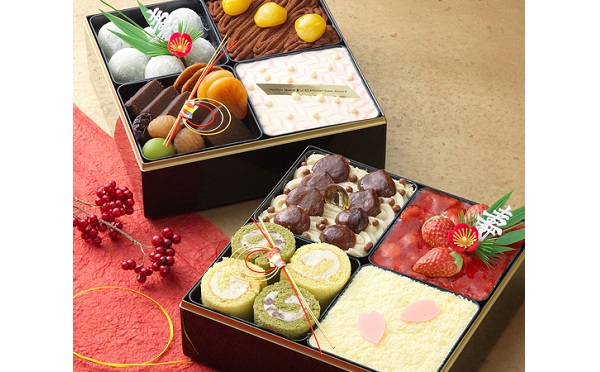
New Year’s in Japan is usually celebrated with family huddled under the kotatsu while munching on mikans, and sharing a dinner of traditional food, called osechi. Each component of the meal retains an auspicious meaning, granting the eater with good fortune, health, or fertility, among other things, during the coming year.
However, in recent years, an increasingly large population of Japan’s youth have chosen to forgo eating osechi. There are many reasons osechi has been disappearing from Japanese homes during New Year’s, but these changing tastes have given rise to a smorgasbord of strange, unique, and, frankly, comparatively tastier pre-made osechi meals. From cooked isopods to a box full of meat, let’s take a closer look at six modern day osechi.
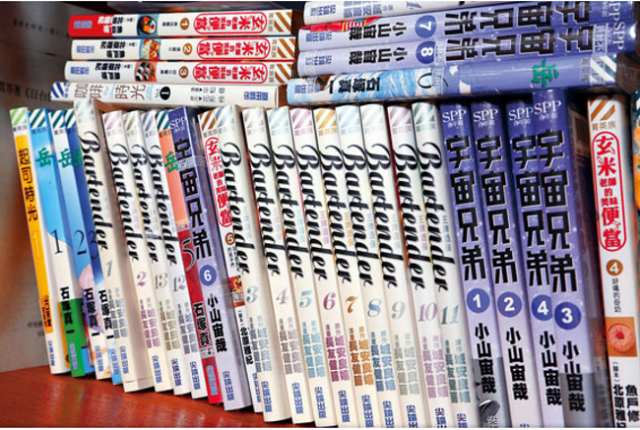
Like the rest of my classmates in my first Japanese class, I was inspired by manga to start learning Japanese. Although manga is usually deemed as ‘leisure’ reading, there are some quality manga that deal with serious societal issues. In fact, at National Cheng Chi University, one of the top universities in Taiwan, there is actually a class in which you have to read manga. Mandatory manga readings? It’s no wonder the class is so popular that some students have to wait four years to get in!
Hassaku Matsuri is a festival in Japan reserved for asking the gods for a bountiful harvest and happy life. It occurs every year during the first day of the eighth lunar month, usually falling during the beginning of September. Just as dialects and traditional foods vary depending on the region, Hassaku Matsuri is celebrated in vastly contrasting ways, especially in Kumamoto, Fukui, and Ibaraki prefectures. From intricate structures made of natural materials to an extremely inappropriate goblin, join us as we explore a few of the many Hassaku traditions in Japan.

Tired of staying at nondescript, ordinary-looking hotels? If that’s the case, and you’re traveling to Tokyo, you may want to check out this highly unique hotel located in the Higashi-shimbashi area. In fact, when you stay at this hotel, you may not want to leave your room, because the rooms there have practically been turned into works of art, and not just any kind of art — each room is filled with elements of Japanese culture. So, why don’t we take a look at the stylish rooms at the Artist In Hotel, where the interior is not only stunningly artistic, but can be a cultural lesson as well!

After a long week of Comic-Con and coming down off the high of crossdress cosplaying as Sailor Venus, our intrepid Japanese reporter, Yoshio, settled back into life in his home country and has taken some time to reflect on his trip. Yoshio has been to the US nearly a dozen times, but there are always several things that impress him. The following is a translation of his impressions and the nine things he thinks the US does better than Japan.

Flipping through any travel guide about Japan you will learn that Japan is a country where tipping is non-existent. Leaving your change on the table at a restaurant may result in the waiter chasing you down to give it back.
But in Japan there actually is a system of tipping that exists but is tangled in a mysterious system of formality that no one really seems sure of. In an interview with Yahoo! Japan, Nobuko Akashi of the Japan Manners & Protocol Association attempts to unravel this system so we can all know when and where it’s appropriate to tip in Japan.

As you may have noticed, we here at RocketNews24 are definitely not shy about giving out our opinions about life in Japan. But although you’ve heard plenty about what we think are the best and worst parts of living in the country, we thought it would be interesting to look at what Japanese people think of their own country.
After living and working abroad for a while, Japanese expats coming back home may find themselves thinking they’ve lost touch with their own culture. But we found a list of things that Japanese expats say are some of the best parts of life in Japan that you just can’t find anywhere else. Click below to find out the six things that Japanese citizens living overseas miss most about home!
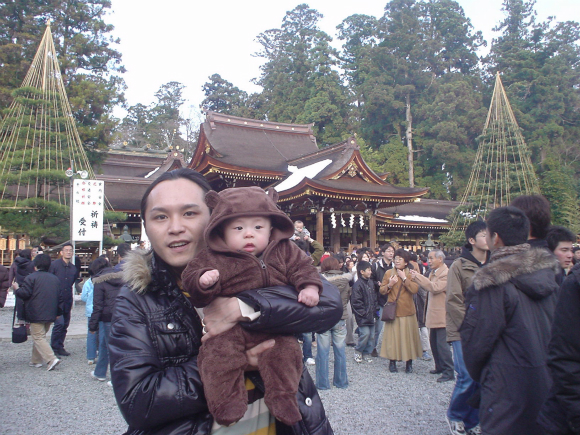
Christmas is less than a week away and I’m sure many of you in the Americas and Europe are looking forward to a (hopefully) relaxing day spent with family, good food and, of course, presents.
Here in Japan, Christmas seems to be getting bigger and bigger every year, but the flavor of the holiday is probably much different than it is abroad. For example, Christmas was originally popularized here as a holiday for couples to have a special night out in the city: have dinner at a fancy restaurant, exchange gifts and then spend the night together ‘celebrating’ at a hotel.
While still viewed as a ‘lover’s holiday’, Christmas has since spread to the household, with many families feasting on the now-traditional Japanese Christmas foods of cake and—thanks to an incredibly successful marketing campaign by KFC—fried chicken.
But for most Japanese families, the real holiday spirit is felt during the time around New Years. In fact, New Years is probably to Japan what Christmas is to the US and other Western countries.
MOST POPULAR
Today
 New Studio Ghibli notebooks are a beautiful reason to write and draw by hand [Photos]
 Sushi Bus starts running in Japan, but is it a tourist trap or tourist must-do?
 Japan lodges formal complaint with China for calling Prime Minister Sanae Takaichi Sanae Takaichi
 Starbucks Japan releases new Halloween Frappuccino and drinkware, but are they worth buying this year?
 Tokyo train station will play Godzilla theme song as new departure melody
 Family Mart releases 47 convenience store socks and stickers, one for every prefecture in Japan
 Burger King serves up Pickleball Burgers in Japan, with a tasty nod to the number 11
 Experimenting with making hot sandwiches in the microwave with a device from Japan’s 3COINS
 Japan has convenience store fried chicken-flavor instant ramen, but does it taste like it says it does?
 Matcha ice cream discontinued by one of Japan’s favorite ice cream brands
Weekly
 Japan announces new permanent residency guidelines, foreigners must earn more than average Japanese person
- Tokyo train station will play Godzilla theme song as new departure melody
- Family Mart releases 47 convenience store socks and stickers, one for every prefecture in Japan
- Experimenting with making hot sandwiches in the microwave with a device from Japan’s 3COINS
 Make-your-own-Totoro plushie workshop event coming to Ghibli Park park this fall
 Osaka man arrested for running little pet shop of horrors with dangerous crocodile
 Starbucks Japan says sayonara to the Filone for new sandwiches and a Pumpkin Soupuccino
 Casio collaborates with a Kyoto foil master for a luxurious one million yen G-SHOCK
 Foreign tourist numbers drop in Osaka, despite record-setting highs from U.S. and Korea
 One of Japan’s best convenience store egg sandwiches is one you won’t find at the big three chains
Monthly
- Japan announces new permanent residency guidelines, foreigners must earn more than average Japanese person
 Starbucks Japan unveils new Pokémon collaboration with Pikachu Latte and exclusive goods
- Family Mart releases 47 convenience store socks and stickers, one for every prefecture in Japan
 Studio Ghibli’s Calcifer is ready to light up your home as a magical-looking candle lamp [Photos]
 Lady Gaga and Family Mart team up for a Japanese convenience store work video [Video]
 New Gundam Base superstores coming soon in the U.S., with one opening this month
 Studio Ghibli releases new plush mascot character collection with a focus on friendship
 Studio Ghibli releases new onigiri rice ball-shaped lunch bag for Kiki’s Delivery Service fans
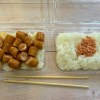 Do Japan’s new single-minded convenience store bento show depressing poverty or satisfying focus?
 How to watch Studio Ghibli’s new anime in Japan, with a special after-dark outdoor screening for Halloween
Yearly
 Japan announces sudden 400-percent increase in visa fees for foreigners entering the country
 Japan’s human washing machines will go on sale to general public, demos to be held in Tokyo
 Studio Ghibli has a new anime out, and there’s only one place in the world where you can see it
 Starbucks Japan releases new drinkware and goods for Valentine’s Day
 Starbucks Japan releases new sakura goods and drinkware for cherry blossom season 2026
 Japan’s newest Shinkansen has no seats…or passengers [Video]
 Tokyo subway installing new ticket gates that don’t accept payment through Suica or other IC cards
 Japanese ninja certification exam attracts 131 candidates from Japan and abroad
 Salomon releases Japan-exclusive Mt. Fuji hiking gear that doubles as an amazing souvenir
 Japan reportedly adding Japanese language skill requirement to most common foreigner work visa
RECOMMENDED STORIES
 Family Mart releases 47 convenience store socks and stickers, one for every prefecture in Japan
 Burger King serves up Pickleball Burgers in Japan, with a tasty nod to the number 11
 Experimenting with making hot sandwiches in the microwave with a device from Japan’s 3COINS
 Japan has convenience store fried chicken-flavor instant ramen, but does it taste like it says it does?
 Matcha ice cream discontinued by one of Japan’s favorite ice cream brands
 New Sonic the Hedgehog figure costs 1 million yen, is made of Arita ware Japanese porcelain [Vid]
 Starbucks Japan unveils new Halloween goods with secret glow-in-the-dark details
 Video released of Pikachu’s real-world trip to space! [Video]
 7-Eleven Japan now has Milk Miso Curry Ramen, but is that too much for one cup? [Taste test]
 If anyone needs us, we’ll be in the cardboard Japanese snack house we just built [Photos]
 Japan announces new permanent residency guidelines, foreigners must earn more than average Japanese person
 Pokémon Center apologizes for writing model Nicole Fujita’s name as Nicole Fujita
 Wendy’s Japan goes big with new limited-edition Mega Wendy’s, but is it worth the calories?
 Shibuya goes hard on Halloween, announces countermeasures to prevent chaos on the streets
-
