religion (Page 5)
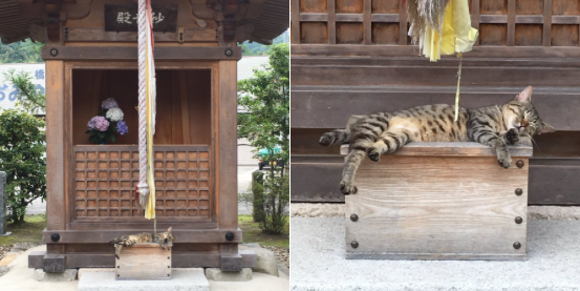
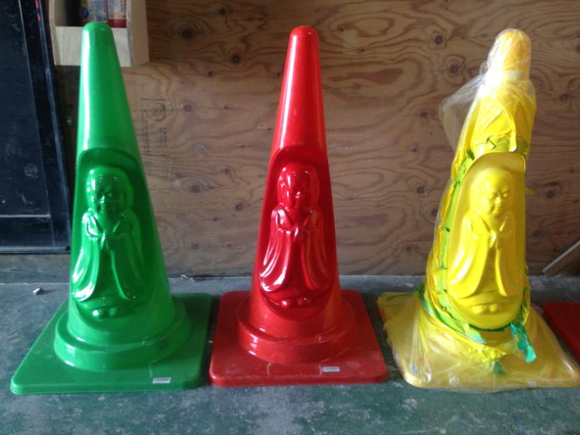
There’s no better way to look after the roads than with built-in protection from one of Japan’s most revered deities.
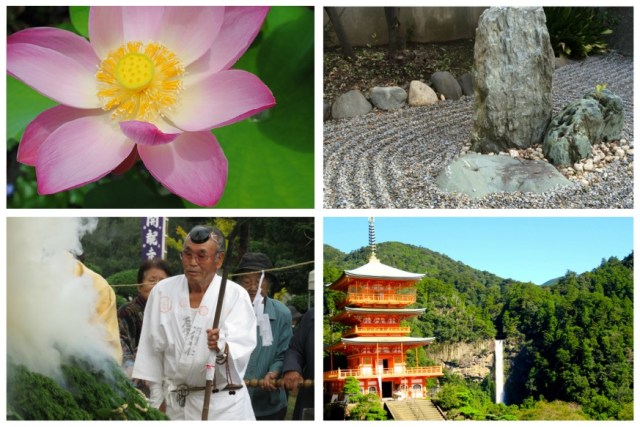
Today we’re introducing you to the basics of Japanese Buddhism, plus highlighting some of the Buddhist images you’ll see in Japan and help you distinguish them from Shinto ones.
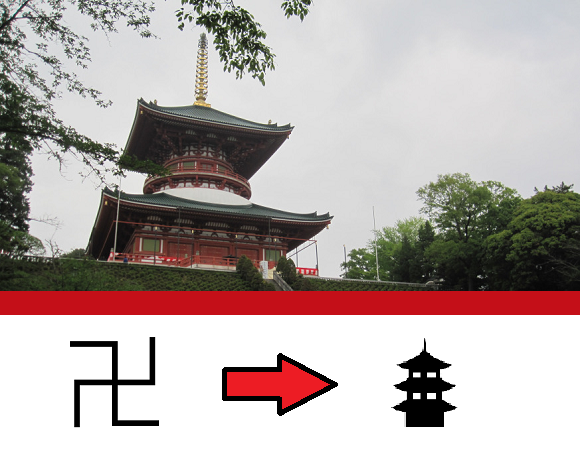
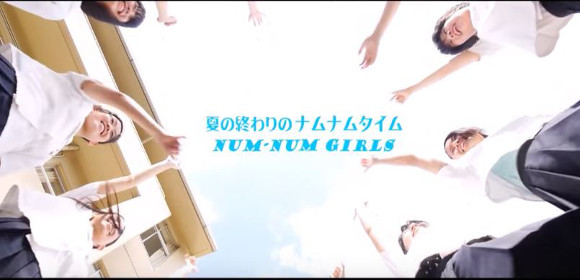
In Japan, there truly is an all-singing, all-dancing “idol” group for everything. From plus-sized beauties to macho men and octogenarians, if you’ve got a unique message and a catchy tune, there’ll be a niche audience out there waiting to share your next video and dance along with glow sticks at your next performance.
Just when we thought the happy-go-lucky, free-for-all nature of the amateur idol world had no boundaries, it seems there is one line that can’t be crossed: schoolgirls and religion. Meet the “Num-Num Girls”, a Buddhism-based schoolgirl pop group that has been shut down for becoming too popular.

Penjor were pretty much the first thing I noticed about Bali. As soon as we left the airport, they began towering over our car from both sides of the street: long-necked, graceful swoops of bamboo arching and bobbing over the road, their strips of paper and coconut leaves fluttering in the air.
But what were these charming decorations? What was their significance? That took a little longer to find out. And to be honest, I’m still not sure I know.
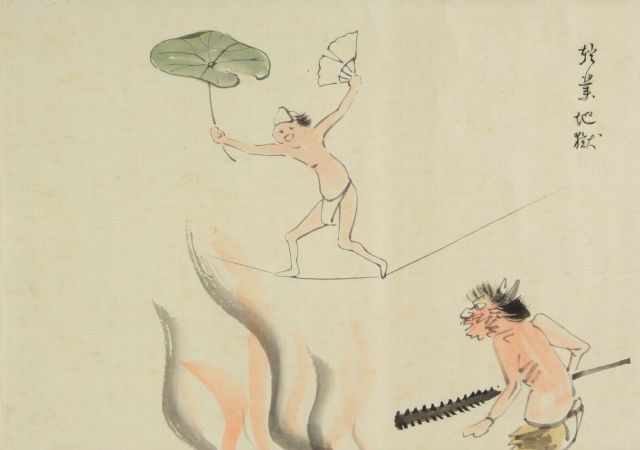
Depicting the horrors of hell through art is a tradition in Buddhism that goes back at least 1,000 years in Japan. By depicting the suffering in store for sinners, the artworks were supposed to scare people onto the straight and narrow.
But if that’s what this late 19th century scroll was for, it might have had the opposite effect. We’ve never seen such a cute hellscape!
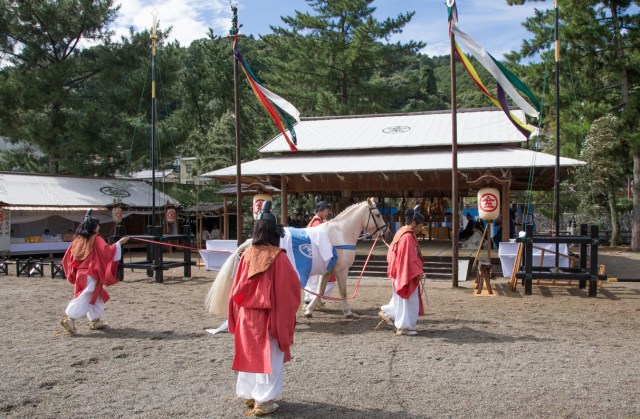
Somewhere around the 500th step on the long approach to Kompira-san shrine in Kagawa Prefecture, you’ll find a small stable housing two special horses. They are pretty as a picture, but don’t get any ideas about hopping on for a ride, feeding them a little carrot, or even giving them a friendly pat.
These thoroughbreds are shinme, the steeds of the gods, and they are not for mere mortals like us.

Buddhism and Shintoism share space pretty peacefully in Japan, partially thanks to a division of duties. Shinto shrines, for example, handle weddings, while Buddhist temples are the locations of funerals and graveyards.
These days, though, a few Buddhist temples are helping singles find someone to marry at one of those Shinto weddings, though, as one sect of Buddhism in east Japan has branched out into organizing matchmaking parties.

For centuries, Christianity has had a role in the creation of some of the finest works of art. Any comprehensive discussion of art history has to include Leonardo da Vinci’s Last Supper, Michelangelo’s Creation of Adam, and a host of other important paintings and sculptures from artists who don’t share their names with one of the Teenage Mutant Ninja Turtles.
Speaking of art, there’s a new manga that’s just started in Japan. Looking at its earnest, wholesome heroine, you might get the impression that it’s like any of a hundred other series the country has produced, but this manga lead has something that makes her unique: she’s the literal embodiment of Puritan Christianity.

While Islam is practiced worldwide, many of us tend to only think of the Muslims in the Middle East, looking past those in Southeast Asia. However, with over 87% of its people identifying as Muslim, Indonesia actually has the largest population of Muslims in the world.
The young adult Muslim culture in Indonesia is not that much different from youth culture anywhere else in the world these days: everyone has smartphones and, like them or not, selfies are the norm. A previously celebrated young Muslim cleric, however, has recently proclaimed that the act of taking a selfie is a sin – a claim which many young Muslims in Indonesia have taken great offense to.
How did they respond to the condemnation of their smartphone snaps? By taking even more selfies than ever before.
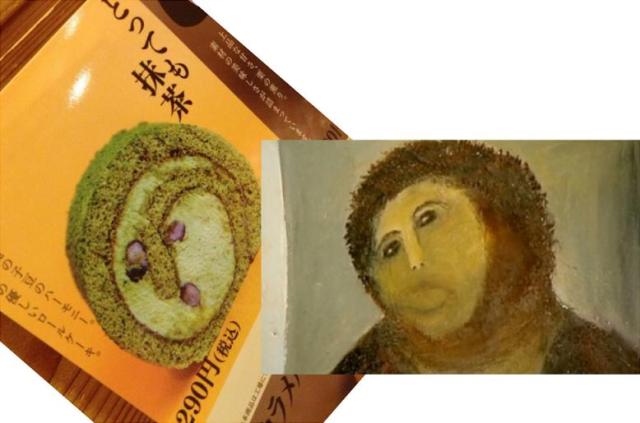
Usually, Jesus limits his food-based appearances to grilled cheese and Cheetos in certain—shall we say—conservative areas of North America, but it seems like he is making inroads to Asian pastries with an appearance in a dessert offered by Japan’s popular Komeda Coffee chain. And not just that, he decided to present as a famous recent incarnation: the monkey-faced botched restoration of Ecce Homo!

2014 marks the 1,200th year since Buddhist monk Kukai made his holy journey to 88 temples on the southern Japanese island of Shikoku. The Shikoku Pilgrimage now attracts people from all over Japan as well as the world to visit the same temples along the 1,200 km-route.
Now, a new TV series, Ohenro, is out to appeal to a new generation of religious travelers and features three female pilgrims stylized in the ever popular moe fashion of super-cute anime characters.
But Japanese netizens, eager to soak up all things moe, are wondering if they will have to make their own “holy trip” since only four broadcasters are airing the show!
One of the trickier questions to answer about Japan is whether or not it’s a religious society. On one hand, the ideas of daily prayer, weekly visits to a temple, or consulting religious texts or advisors in times of personal crisis are about as foreign to most Japanese people as playing a game of cricket or eating a plate of grits and gravy.
Still, spiritualism is a big part of life in Japan. Most visitors to a shrine might not spend more than a few seconds reflecting on their place in the universe, but they’ll still toss a coin into the collection box in hope of pleasing the deity said to make its home there. Even as many Japanese people claim to have no religion, most homes include an alter with a place to hang photos of deceased relatives and offer incense.
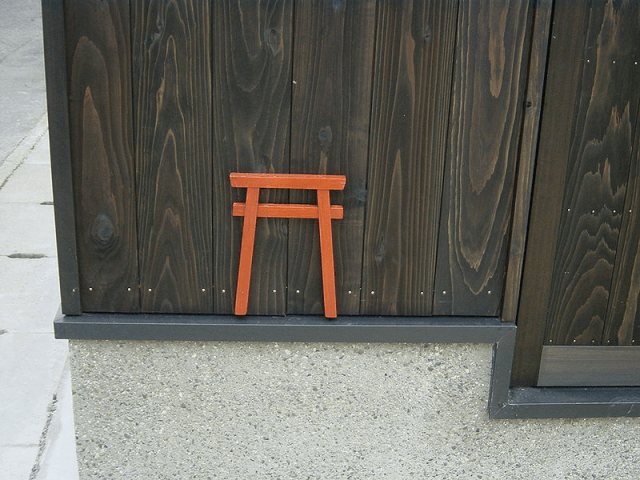
The vagaries of theology in Japan are now being turned to in an effort to curb a growing problem in many neighborhoods, as people are putting up small versions of the torii gates that mark Shinto shrines to prevent people from illegally dumping waste, whether produced by their lifestyles or bodies.
Nearly every guide book for Japan mentions Hachiko, the dog who patiently waited every day for nine years in the 1920s and ‘30s in front of Shibuya Station for his master to come home, never knowing that the man had passed away at the office. It’s a touching story of devotion, and one so well-known Hachiko now has his own statue near his waiting spot.
However, some argue that Hachiko didn’t come to the station every day because he was hoping for his master to return, but because of the free handouts of food he got once he became a local celebrity. Could it be that the friendly pooch actually isn’t the epitome of animal-human loyalty?
Maybe that title would be a better fit for a cat that lived hundreds of years before Hachiko was even born, and displayed such fealty to its samurai master that its entire species is honored at their own Cat Temple.
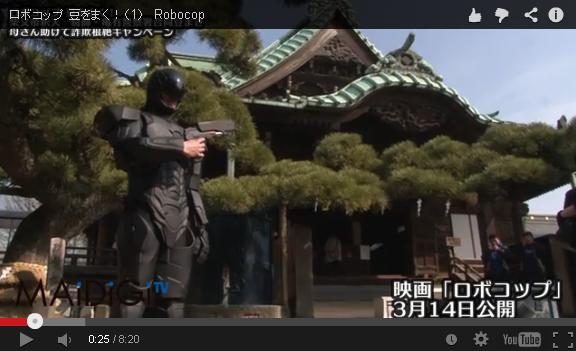
As we learned a few days ago, 3 February is the traditional holiday of Setsubun in Japan. Although its customs vary from region to region, most people who celebrate the occasion enjoy the practice of throwing beans to expel evil from their homes. The Shibamata Taishakuten temple in Katsuhika, Tokyo must have had some industrial strength evil in their area this year because they brought in OCP’s future of oni-fighting, Robocop, to toss some beans.
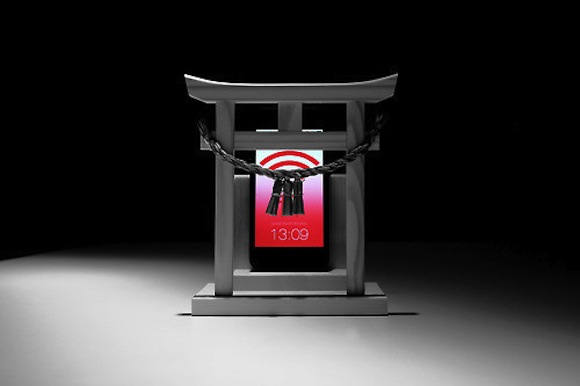
There’s already something pretty devotional about how often people check their smartphones, so why not take the next step to full-fledged worship? You never know what the gods of gadgetry might grant you. If you are using the new app called Internet Shrine, a prayer will get you free Wi-Fi.

Given Mercedes Benz’s reputation for luxury, it’s tempting to dismiss the automaker’s cars as being strictly for trust fund sorority girls or high-flying lawyers who just made partner.
Mercedes does have quite a bit of performance cred too, though, particularly for its extra-sporty cars that bear the mark of AMG, the company’s in-house tuning and motorsports division. But while you can find plenty of driving enthusiasts who get excited by the cars coming out of Stuttgart, in a new video Mercedes tries to stir the hearts of a new demographic: Zen monks.
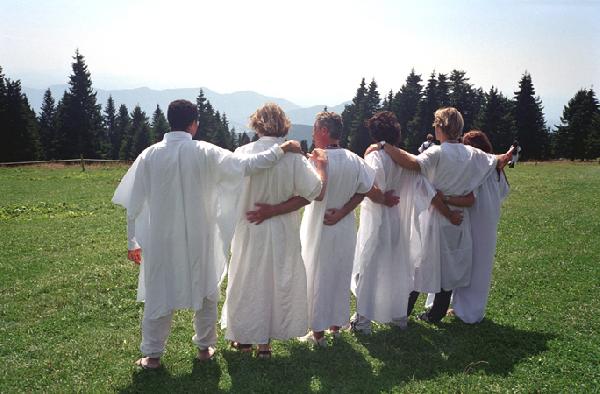
Back in the day, starting a cult was just as good a way to make a dishonest living as robbing banks or selling kidneys on the black market, but with the rise of the Internet (specifically, Snopes.com), attracting believers to your bogus religion seems like way too much work. Besides, Scientology kind of already has the market cornered.
Nevertheless, an inquisitive aspiring cultist took to Yahoo! Japan’s Chiebukuro question and answer site as part of his/her cult-founding due diligence, perhaps hoping for some basic advice like “keep human sacrifices to a minimum,” or “promise male cult members multiple wives.”
Instead, what the asker got was a detailed breakdown of what it takes to build a successful cult; an explanation so thorough and well-thought out, we’re actually considering a career change.
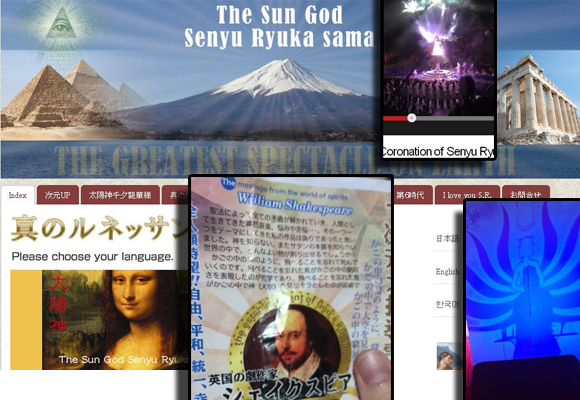
You’d think finding a god would be easy. Now, I don’t mean that in the born-again “finding God” kind of way. I mean actually finding someone who hundreds maybe even thousands of people consider a god and who walks among us.
It all started one sunny day as I was out pencil shopping along a busy street. A little old lady with a kind smile handed me the paper pictured above. The title read, “The message from the world of spirits: William Shakespeare.” Thinking, “Now, that’s a name I can trust!” I read on.
MOST POPULAR
Today
 Foreign travelers sitting on sidewalks of Tokyo’s Ginza are Japan’s latest tourism culture clash
 Tokyo Monorail, other east Japan rail networks announce discontinuation of magnetic paper tickets
 We waited three hours to get into the new carb heaven all-you-can-eat bread restaurant in Osaka
 American man runs out of money in Japan, gets arrested for overstaying tourist visa
 Studio Ghibli adds Totoro family goods to its anime merchandise store in Japan
 New Gundam plush goods mix cosplay and comfort for Char-custom-level coziness [Pics]
 Japanese milk carton cakes are a genius idea that the world needs to know about
 Japanese business wear brand creates helpful graph to tell you what to wear at work
 Family Mart releases 47 convenience store socks and stickers, one for every prefecture in Japan
 What’s it like to stay in a Japanese container hotel?
Weekly
- What’s it like to stay in a Japanese container hotel?
 Tokyo train station will play Godzilla theme song as new departure melody
- Family Mart releases 47 convenience store socks and stickers, one for every prefecture in Japan
 Experimenting with making hot sandwiches in the microwave with a device from Japan’s 3COINS
 New Studio Ghibli notebooks are a beautiful reason to write and draw by hand [Photos]
- Japanese milk carton cakes are a genius idea that the world needs to know about
- American man runs out of money in Japan, gets arrested for overstaying tourist visa
 Giant wagashi cushions will turn your home sweet home into home sweet Japanese sweets home
 Sushi Bus starts running in Japan, but is it a tourist trap or tourist must-do?
- New Gundam plush goods mix cosplay and comfort for Char-custom-level coziness [Pics]
Monthly
 Japan announces new permanent residency guidelines, foreigners must earn more than average Japanese person
 Starbucks Japan unveils new Pokémon collaboration with Pikachu Latte and exclusive goods
- Family Mart releases 47 convenience store socks and stickers, one for every prefecture in Japan
 Studio Ghibli’s Calcifer is ready to light up your home as a magical-looking candle lamp [Photos]
 Lady Gaga and Family Mart team up for a Japanese convenience store work video [Video]
- What’s it like to stay in a Japanese container hotel?
 New Gundam Base superstores coming soon in the U.S., with one opening this month
 Studio Ghibli releases new plush mascot character collection with a focus on friendship
- Tokyo train station will play Godzilla theme song as new departure melody
 Do Japan’s new single-minded convenience store bento show depressing poverty or satisfying focus?
Yearly
 Japan announces sudden 400-percent increase in visa fees for foreigners entering the country
 Japan’s human washing machines will go on sale to general public, demos to be held in Tokyo
 Studio Ghibli has a new anime out, and there’s only one place in the world where you can see it
 Starbucks Japan releases new drinkware and goods for Valentine’s Day
 Starbucks Japan releases new sakura goods and drinkware for cherry blossom season 2026
 Japan’s newest Shinkansen has no seats…or passengers [Video]
 Tokyo subway installing new ticket gates that don’t accept payment through Suica or other IC cards
 Japanese ninja certification exam attracts 131 candidates from Japan and abroad
 Salomon releases Japan-exclusive Mt. Fuji hiking gear that doubles as an amazing souvenir
 Japan reportedly adding Japanese language skill requirement to most common foreigner work visa
RECOMMENDED STORIES
 New Gundam plush goods mix cosplay and comfort for Char-custom-level coziness [Pics]
 Japanese milk carton cakes are a genius idea that the world needs to know about
 Japanese business wear brand creates helpful graph to tell you what to wear at work
 Family Mart releases 47 convenience store socks and stickers, one for every prefecture in Japan
 What’s it like to stay in a Japanese container hotel?
 High-speed Japanese festival cart crashes cause two deaths on same day, ignite debate over tradition
 Bilingual illustrated ninja guide stealthily drops courtesy of a top ninja researcher in Japan
 American senior citizen tourist arrested in Japan for bringing gun into country in his luggage
 Vietnamese-language driver’s license tests suspended in Japan following alleged cheating
 American teenage tourist arrested on suspicion of arson in Tokyo during family trip
 Japan announces sudden 400-percent increase in visa fees for foreigners entering the country
 Town in Kanagawa struggling with violent gang of monkeys
 The top 10 annoying foreign tourist behaviors on trains, as chosen by Japanese people【Survey】
 Japan announces new permanent residency guidelines, foreigners must earn more than average Japanese person
-
