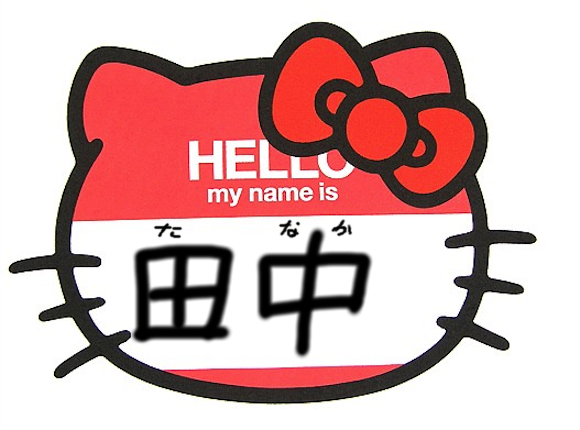
It’s a little-known fact that until the Meiji era (1868-1912), the ordinary men and women of Japan did not have surnames. Rather, those names were reserved for people in positions of power, nobility, or those of noted artistic ability.
There are an estimated 100,000 family names in Japan — much more than in many Western countries, and vastly more than in neighbouring Korea and China — however what’s curious is that of these surnames 10 are incredibly common, with millions of people sharing the exact same moniker. If you’re on your way to Japan or learning the language, knowing how to read and pronounce at least a few of these will almost certainly get you out of a jam at some point or other, so allow us to introduce Japan’s 10 most common surnames, their meanings, and a few fun facts on top, just because we’re nice like that and we like your face.



 Tokyo’s best museum for foreign travelers finally reopens after being closed for four years
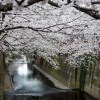 Famous Tokyo cherry blossom spot installs view-blocking screens to fight overcrowding[Video]
 Tokyo subway and almost all Tokyo train lines now accepting credit card tap payments
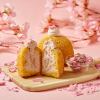 Uni Donuts are pretty in pink for a limited-time spring sakuramochi flavor
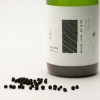 Japan now sells…sake made with moth poop?!?
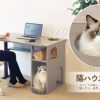 Japan now has a special desk for people who work at home with a pet cat[Photos]
 This standing sushi bar inside a Tokyo train station blew us away with its speedy deliciousness
 Totoro and Calcifer become little light-up lanterns for Ghibli-style excursions or at-home decor
 This overlooked neighborhood east of Tokyo is awesome in many ways, left us with just one regret
 Why is Yoshinoya called Yoshinoya?
 Uniqlo announces new T-shirts for One Piece, Naruto and more for manga publisher’s 100th birthday
 Krispy Kreme releases Super Mario doughnuts in Japan for a limited time
 7-Eleven Japan releases a crazy new viral sandwich: Chocolate Sprinkles and Whipped Cream
 Japan now has a “for foreign tourists only” Mt. Fuji sightseeing train[Video]
 Studio Ghibli releases the My Neighbour Totoro tea caddy, with a magical self-closing lid
 Create a tiny Ghibli anime world on your bookshelf with new miniature papercraft art kits
 Picturesque Tokyo park plays host to millions of flowers and soap bubbles this spring
 Starbucks Japan unveils new sakura cherry blossom collection for hanami season 2026
 Train station platform ramen store closes its doors on half a century of history in Tokyo
 Starbucks Japan releases new My Fruit³ Frappuccino at only 34 stores around the country
 Studio Ghibli releases Catbus pullback keychain that runs like the anime character
 Japanese onsen egg maker from 100-yen store Daiso needs to be on your shopping list
 Nine great places to see spring flowers in Japan, as chosen by travelers (with almost no sakura)
 Survey asks foreign tourists what bothered them in Japan, more than half gave same answer
 Japan’s human washing machines will go on sale to general public, demos to be held in Tokyo
 Starbucks Japan releases new drinkware and goods for Valentine’s Day
 We deeply regret going into this tunnel on our walk in the mountains of Japan
 Studio Ghibli releases Kodama forest spirits from Princess Mononoke to light up your home
 Starbucks Japan releases new sakura goods and drinkware for cherry blossom season 2026
 Japan’s newest Shinkansen has no seats…or passengers [Video]
 Major Japanese hotel chain says reservations via overseas booking sites may not be valid
 Put sesame oil in your coffee? Japanese maker says it’s the best way to start your day【Taste test】
 No more using real katana for tourism activities, Japan’s National Police Agency says
 Japan now has a special desk for people who work at home with a pet cat[Photos]
 This standing sushi bar inside a Tokyo train station blew us away with its speedy deliciousness
 Totoro and Calcifer become little light-up lanterns for Ghibli-style excursions or at-home decor
 This overlooked neighborhood east of Tokyo is awesome in many ways, left us with just one regret
 Why is Yoshinoya called Yoshinoya?
 Pikachus perform classical Japanese dance routine for Japan’s most famous cherry blossom song【Vid】
 Japanese government says country needs more women’s room toilets to meet modern society’s needs
 Rumors say this is Japan’s very best McDonald’s branch, but what makes it special?[Taste test]
 Meet the Mega Bento, a Japanese meal that’s heavier than a newborn baby
 KitKat Japan’s holiday chocolate is here and we (and everyone else) can’t get enough of it!
 Picturesque Tokyo park plays host to millions of flowers and soap bubbles this spring
 Starbucks Japan releases the new Soupuccino, but is it everything it’s cracked up to be?