Explanation of what kind of person would love the job subtly tells readers that a lot of people would absolutely hate it.
education (Page 12)

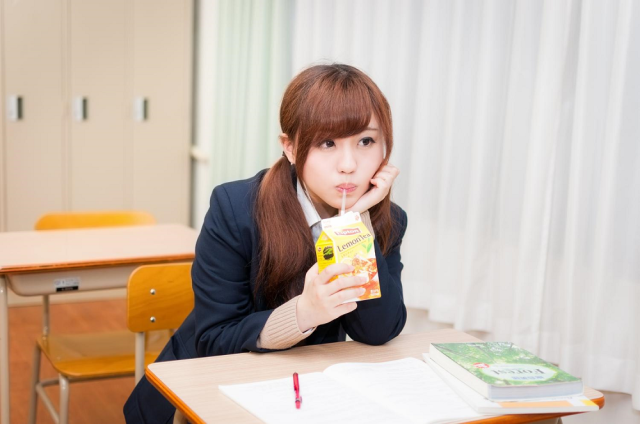
Internet users offer counterpoints that suggest disgruntled high school student may, in fact, not know everything.
Labels the country’s schools as stifling “salaryman training facilities.”
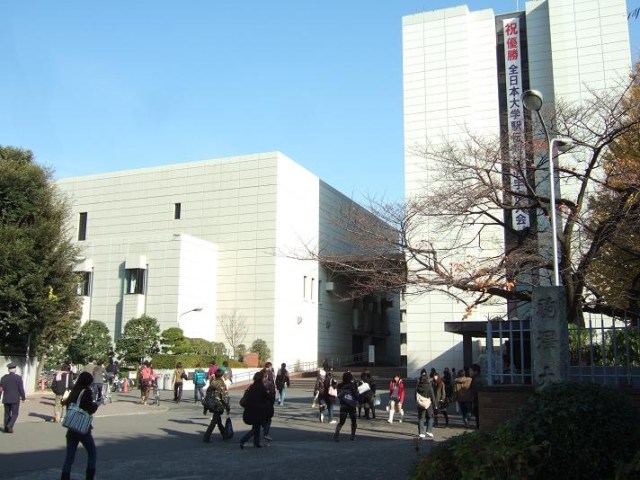
Some universities try to recruit students by telling them about all the fun they’ll have there, but not this Tokyo institute of higher learning.

Impressed with Japan’s ability to quickly rebuild after the Second World War, some educators in Iraq are looking to instill similar values in their own youth.
Daigo Umehara may be famous for playing video game Street Fighter as Evil Ryu, but he just did a very good deed.
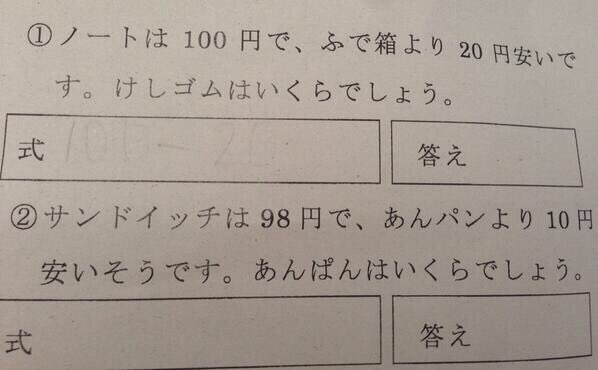
If a notebook costs 100 yen, 20 yen cheaper than a pencil case, then how much is an eraser?
From fashion to extracurricular activities, the lives of an American colleges students are an ocean apart from their counterparts in Japan.
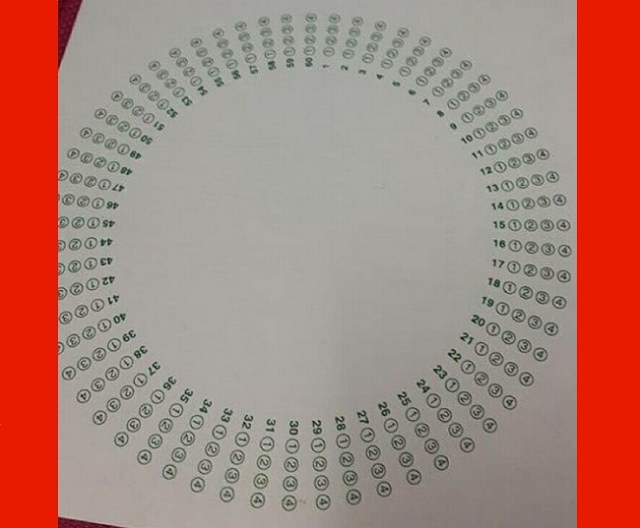
Multiple choice tests were already annoying enough; let’s see the Scantron machine scan this answer sheet.
When a fight broke out between the students of an Aichi elementary school class, their homeroom teacher tried to defuse the situation by imparting some wisdom. You see, kids, “naked men don’t make money, but naked women do…”
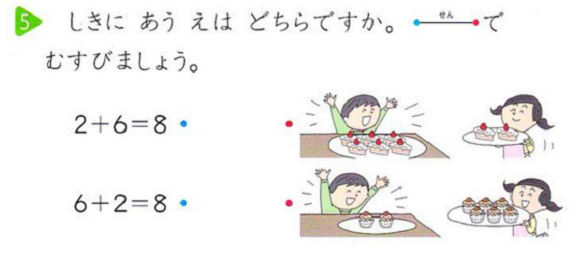
Students who add and multiply with the numbers in the ‘wrong’ order are getting their answers marked as incorrect? Japanese net users weigh in.
Now in its third year of testing, the artificial intelligence just earned its best mock entrance exam score yet.

Most schools expect their students to attend classes punctually and students are commonly penalized when they fail to do so. At a certain school in China, a teacher used to punish his students by making them write English sentences when they were late for class, until he came across the “most complicated” Chinese character, which now has become an effective measure in keeping his students on the ball where punctuality is concerned.
If you’ve ever faced such a punishment and felt that writing “I will not be late for class again” over and over again was a dreadful experience, try writing this!

Education is always one of the number one topics of conversation among citizens. People want to know that their child is given the best education that they can get, and they will pick up and move to a new neighborhood just so their kids can be in a better school.
But just how do you determine what the best school is? A strong case can be made for Aiwa Elementary School in Tokyo as the best elementary school in all of Japan, and we are going to give you three reasons why: Minecraft, edible gardens, and iPads.
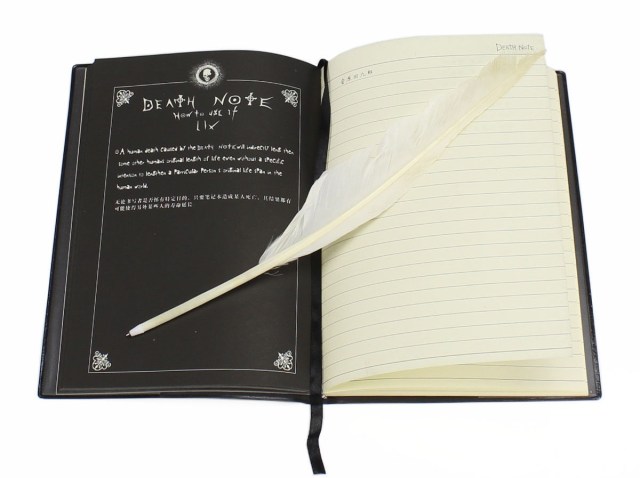
Death Note, the popular manga series turned live-action movie from Japan, follows the story of a bored young genius and his discovery of a supernatural book called the Death Note, which has the power to take the life of anyone whose name is written in it by the owner.
The sinister storyline has now influenced a real-life turn of events at a high school in the United States, where a self-styled “Death Note” was found, containing the names of 17 students, including the dates of their deaths and the manner by which they would be killed.
Japan places a tremendous importance on education. Many would even argue that studiousness is part of Japan’s national character, and diligent students are seen as source of pride and an object of respect in Japanese society.
Nevertheless, a lecturer at one of Japan’s renowned universities is calling out the lazy Japanese youths he says he encounters in his classes, while praising his hard-working Chinese and Southeast Asian pupils.

While Japan is famous for its animation, food, pop-culture, it’s also infamous for its extremely high suicide rates. Many Japanese students and salarymen succumb to the pressures of school and work by taking their own lives. There is little knowledge about what factors increase the risk of suicide, but recent research has found that people, namely adolescents, born between January 1 and April 1, are 30 percent more likely to commit suicide.
The word otaku has a long and complicated history in Japan. Originally, it was strictly a pejorative, a label used to mark those with an unhealthily intense interest in anime and other bits of minutiae-heavy hobbies. But while there are many who still use the word in that scathing sense, “otaku” has slowly built up another image as a badge of pride worn by those with a strong and enduring passion for the specific niches of art or technology that appeal to them.
That means that Japanese society, for arguably the first time, is starting to accept that being an otaku can be either a positive or a negative force in a person’ life. But what’s the difference between a good otaku and a bad otaku? One Japanese educator has an answer.
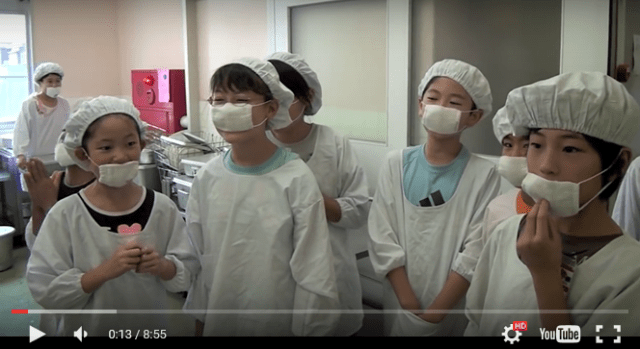
Last month, we took a look at how in Japan many children are expected to commute to school without their parents’ help starting in elementary school. That’s not the only amazing display of responsibility that’s part of everyday life for Japanese kids, though.
Not only do Japanese schools not have school busses, they also don’t have food-serving or cleaning staff. That means it’s the students themselves who’re responsible for distributing school lunches and keeping the building clean, and the diligence with which they go about their tasks would put many full-blown adults to shame, as shown in this video of all the things Japanese grade schoolers are expected to do during a typical school day in addition to studying.
MOST POPULAR
Today
 Chainsaw robots helping keep trains running safely in east Japan [Video]
 Mochido donuts make a squishy return to Lawson stores across Japan
 This Tokyo snack shop can send your taste buds on a trip around Japan for just 1,000 yen
 93-year-old Japanese grannie helps set trap for scam artist half her age
 10 of the nicest celebrities we’ve met in Japan over the years
 Family Mart releases 47 convenience store socks and stickers, one for every prefecture in Japan
 One of Tokyo’s most beautiful soft serve ice creams is also one of its trickiest to find [Photos]
 Pikachu Shortcake Sandwich set to be Tokyo’s newest photogenic treat for Pokémon Trainers
 Tokyo restaurant adds special seat for live-streaming and social media posting [Video]
 Trial of terminally ill cancer patient who found 22 million yen on the street and kept it ends
Weekly
 Pokémon Company announces first-ever permanent Pokémon store to open outside Asia
 New Studio Ghibli anime gets extended run at the only cinema in Japan where it’s being shown
 Family Mart enters the soft serve game with giga-sized cones of milk or matcha goodness
 Tokyo bakery has a crazy expensive 10,000-yen bread loaf set, and we’ve tried it [Taste test]
 New Studio Ghibli stamps – Too cute to wait until New Year’s to use, so they’re available right now
 Eight low-key great places to spend the day (or half a day) in Japan this fall
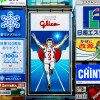 Osaka’s famous Glico Running Man will be removed and replaced with a new-look sign
- Family Mart releases 47 convenience store socks and stickers, one for every prefecture in Japan
 Japanese sushi etiquette: You may have been ordering sushi wrong this whole time
- One of Tokyo’s most beautiful soft serve ice creams is also one of its trickiest to find [Photos]
Monthly
 Japan announces new permanent residency guidelines, foreigners must earn more than average Japanese person
- Pokémon Company announces first-ever permanent Pokémon store to open outside Asia
 Studio Ghibli’s Calcifer is ready to light up your home as a magical-looking candle lamp [Photos]
- Family Mart releases 47 convenience store socks and stickers, one for every prefecture in Japan
 What’s it like to stay in a Japanese container hotel?
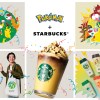 Starbucks Japan unveils new Pokémon collaboration with Pikachu Latte and exclusive goods
 Lady Gaga and Family Mart team up for a Japanese convenience store work video [Video]
- New Studio Ghibli anime gets extended run at the only cinema in Japan where it’s being shown
 Tokyo train station will play Godzilla theme song as new departure melody
 Studio Ghibli creates illustrated Kyoto sightseeing map, available at any 7-Eleven Japan store
Yearly
 Japan announces sudden 400-percent increase in visa fees for foreigners entering the country
 Japan’s human washing machines will go on sale to general public, demos to be held in Tokyo
 Studio Ghibli has a new anime out, and there’s only one place in the world where you can see it
 Starbucks Japan releases new drinkware and goods for Valentine’s Day
 Starbucks Japan releases new sakura goods and drinkware for cherry blossom season 2026
 Japan’s newest Shinkansen has no seats…or passengers [Video]
 Tokyo subway installing new ticket gates that don’t accept payment through Suica or other IC cards
 Japanese ninja certification exam attracts 131 candidates from Japan and abroad
 Salomon releases Japan-exclusive Mt. Fuji hiking gear that doubles as an amazing souvenir
 Japan reportedly adding Japanese language skill requirement to most common foreigner work visa
RECOMMENDED STORIES
 Family Mart releases 47 convenience store socks and stickers, one for every prefecture in Japan
 One of Tokyo’s most beautiful soft serve ice creams is also one of its trickiest to find [Photos]
 Pikachu Shortcake Sandwich set to be Tokyo’s newest photogenic treat for Pokémon Trainers
 Tokyo restaurant adds special seat for live-streaming and social media posting [Video]
 Trial of terminally ill cancer patient who found 22 million yen on the street and kept it ends
 Super Mario creator Shigeru Miyamoto to receive Order of Culture from Japanese emperor
 Studio Ghibli creates illustrated Kyoto sightseeing map, available at any 7-Eleven Japan store
 Middle Eastern juice bar B-Fresh lands in Harajuku
 Japanese scientists developing cute, autonomously swarming robo dogs for anti-bear patrols [Video]
 Japan’s newest tempura is…potato salad tempura?!? [Taste test]
 Osaka’s famous Glico Running Man will be removed and replaced with a new-look sign
 Is this crazy-looking home sauna just what our busy daddy reporter needs in his life?
 New Studio Ghibli anime gets extended run at the only cinema in Japan where it’s being shown
 Burger King Japan now selling hamburgers minus everything but the meat
-
