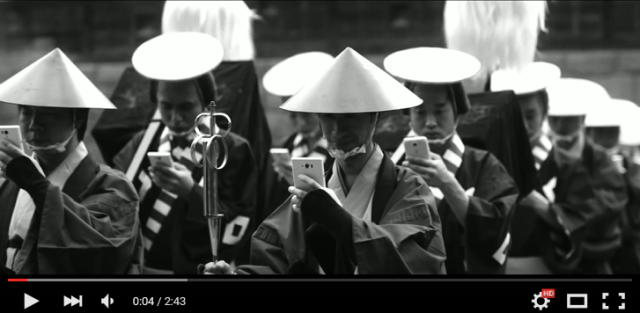
Celebration’s image tarnished in recent years as partiers leave huge amounts of trash on the streets.
Bringing you yesterday's news from Japan and Asia, today.
manners (Page 7)
Celebration’s image tarnished in recent years as partiers leave huge amounts of trash on the streets.
The famous hospitality of Japan’s old capital is being put to intimidating use to combat inconsiderateness outside this building.
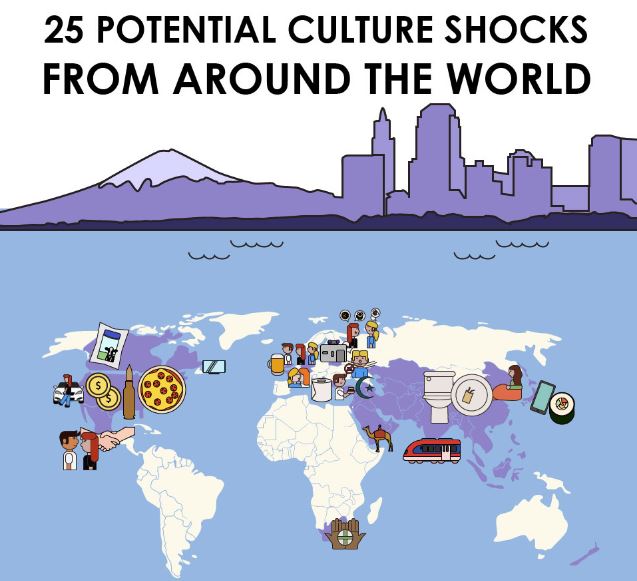
What could be hard about taking a pee in Poland? Where are you likely to see camel racing with robotic jockeys? Answers to these and more below!

One man in China was mad as hell at uncivilized behavior in airports and divided opinions in the country by not taking it anymore.

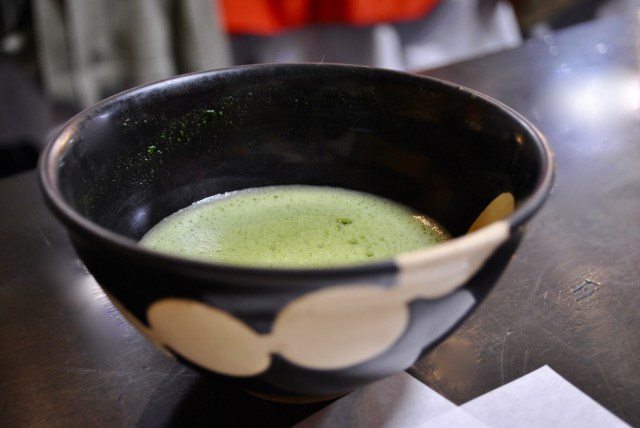
With rules regarding everything from tea to elevators, some new employees think it’s all too much.
The obvious answer would seem to be “No,” but our Japanese-language reporter has a unique alternate perspective.
“You know you’ve been in Japan too long when you start bowing on the telephone” is an old classic. But how about those things that, even if you haven’t been here long, still make you stop and think, yup, this is definitely Japan!

If you’re starting a new job, you might want to stretch out your back before showing up at the office for your first day.
We asked expats living in Japan if they thought that simply living here has made them a better person. Find out the results: the good, the bad and the ugly!

The Japanese are known for their politeness, so it’s only natural that visitors to Japan want to know what to do, or not do, to avoid appearing rude. Check out this list of little behaviors that you won’t find in your guidebook.
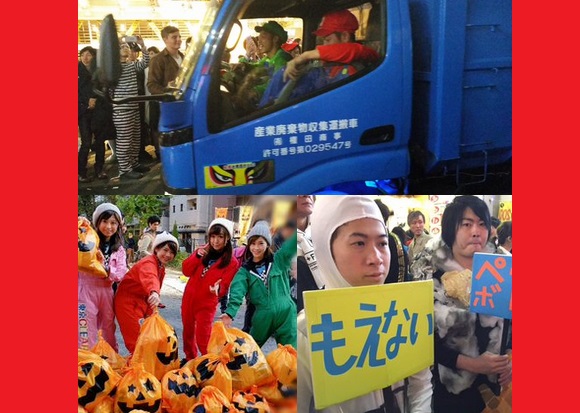
Remember when everyone’s minds were blown by images of Japanese fans tidying up their section after the World Cup? Well what might seem amazing to some is totally atarimae (obvious and expected) to the typical Japanese mindset. As your mother may have told you as a kid; you make the mess, you tidy it up! And the day after the massive Halloween party at the famous Shibuya crossing last weekend, volunteers were out in droves this year again with plastic bags and gloves to make the streets all sparkly again.
But just how many of them actually even contributed to the mess to begin with? According to reports on Twitter, not too many—and boy, are they angry…

I’m sure you’ve all been there: you’re walking behind someone who’s engrossed by their smartphone, constantly jabbing at its screen while strolling along, when suddenly they stop dead right in front of you and you have to take evasive maneuvers to avoid crashing into them.
You’d think that, as a country known for its impeccable manners, Japan would be immune to such inconsiderate behavior, but smartphone zombies are just as common here as anywhere else in the world. It really is a global epidemic.
One university in Thailand is taking steps to remedy the problem, however, introducing the first ever “mobile phone lane” for pedestrians who can’t seem to take their eyes off their cellphones while walking to and across campus.

Public transportation can be a cheap and convenient way to get around, but sometimes that means having to occasionally deal with rude strangers. For minor offenses, usually the best thing to do is ignore the situation and hope you’re not stuck with their unpleasant company your whole commute, but what happens when their behavior is so atrocious you and those around you can’t help but speak up?
In the best-case scenario, voicing your objection might urge them to re-think their actions, but for some, like this rowdy passenger captured on video in Shanghai, China, it may only serve to fuel their disorderly conduct.
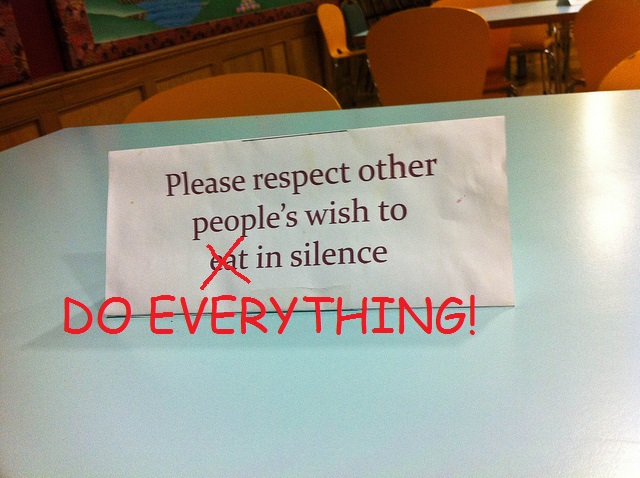
It’s no exaggeration to say that Japan is pretty obsessive when it comes to societal safety and manners. Japanese people often go to ridiculous/disgusting lengths to stay safe and to make sure that visitors are aware of all the unspoken rules that permeate throughout the country.
But sometimes it’s all just too much, even for the native Japanese themselves. So we present to you a list of the top 10 things that even Japanese people think they’re too obsessive over. Are you just as paranoid as they are, or would you be considered a carefree spirit in Japan? Read on to find out!
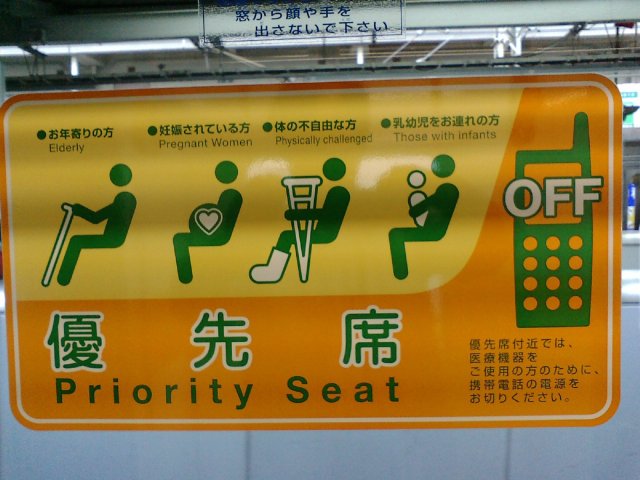
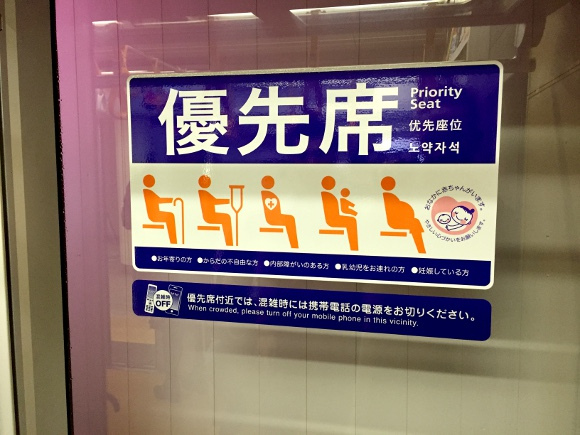
If you’ve been on the train in Japan, you’ve likely seen the stickers and signs plastered everywhere around the priority seats asking people to make room for those who need and to turn off cell phones. While you should definitely continue to give your seat to anyone who needs it, starting next month, you’ll no longer have to feel guilty about playing Angry Birds in the priority seating section—unless it’s rush hour.
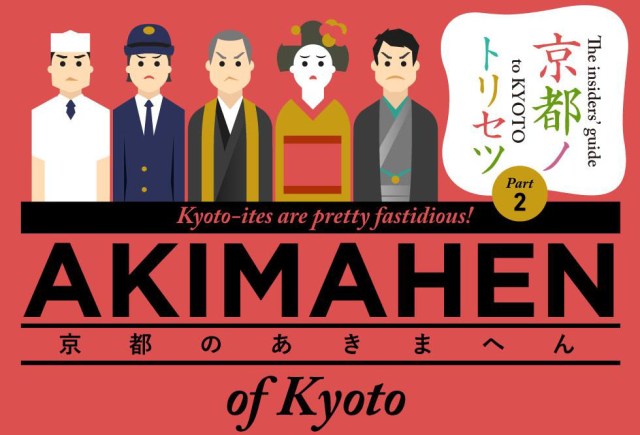
With thousands of temples, beautiful gardens, geisha and maiko (geisha-in-training), and more history than you can shake an encyclopedia at, Kyoto is the place to be when visiting Japan. So with so many tourists from around the world crowding into the city, a few are bound to step out of line.
Thankfully TripAdvisor Japan created a handy infographic showing how to politely visit Kyoto. Kyotoites are understandably protective of their city and its cultural and historical treasures, and some will not hesitate to correct you if you’re doing something rude or wrong. So to be sure that everyone is on the same page, here are a few simple rules to keep in mind when you visit this wonderful city.
The corporate culture at RocketNews24 is pretty casual, but before I joined the team I spent several years working in the service and hospitality sectors. As a country that takes both work and etiquette very seriously, it’s probably not a surprise that Japanese business etiquette has a detailed code of proper conduct, all in an effort to foster an atmosphere of mutual respect and smooth cooperation.
Still, even for some people born and raised in Japan, the list of dos and don’ts can feel a little too long, and those who’d rather not have to stand on ceremony compiled a list of their own of the top 10 Japanese business manners young adults could do without.
Taking the train is by far the most common way to get around urban and suburban Japan. By its very nature, though, using public transportation means being out in public, which in Japan means following social norms about proper manners and not bothering your fellow passengers.
The average Tokyo commuter spends an hour each way on the train, though. It can be hard to follow all of the implicit rules of train etiquette during such a lengthy ride, and here are 10 minor breaches of etiquette that some Japanese men are willing to turn a blind eye to.

When you first set foot in Japan, it’s hard not to be impressed by the efficiency and social order. The streets are clean, trains run on time, and the people are quiet and polite, yet possess enough of the bizarre to be intriguing (cosplay, line-ups for chicken ramen-flavored ice cream or Lotteria 5-pattied tower burger anyone?).
Living in Japan, or even just visiting, can be a life-changing experience. No one returns to their country the same person as when they left. Here are some of the things that make such an impression on foreigners, they cause us to think a second time, and alter the way we think, act, or view the world. In short, they prompt us to make life changes. Just when you thought you knew it all…
 Japan reportedly adding Japanese language skill requirement to most common foreigner work visa
 You can assemble a well-balanced team of Pokémon, them eat them, thanks to Japanese cake chain
 Peanuts and Coke becomes a viral hit in Japan, but is it a trend worth joining?
 New Japanese KitKats come in sakura flavour, with poetic symbolism for success
 7-Eleven Japan’s new baked-in-store sweet treat is only available in three parts of the country
 Famous koi ponds overwhelmed with tourists throwing thousands of coins in them
 Pokémon and Ikea Japan cross over into each other’s worlds with collaboration events
 Amazing exhibition of Japan’s legendary “cursed katana” is going on right now【Photos】
 Pokémon Cafe’s new Mega Charizard curry plate is a work of art in more ways than one
 “Online streamer” tops dream job poll for young Japanese kids, older kids not so interestedPokémon and Ikea Japan cross over into each other’s worlds with collaboration events
 Pokémon lacquerware series expands for Year of the Horse with new handcrafted design[Video]
 Starbucks Japan closing only Shinkansen platform branch for popularity-triggered renovations
 Two food hacks take Japan’s convenience store fried chicken to amazing new sandwich heightsJapan reportedly adding Japanese language skill requirement to most common foreigner work visa
 Tokyo’s best museum for foreign travelers finally reopens after being closed for four years
 Totoro Fund line of beautiful artwork and apparel lets you help the real-world Totoro Forest
 Fading Tokyo – Searching for signs of the Showa era as local neighborhoods evolve[Photos]You can assemble a well-balanced team of Pokémon, them eat them, thanks to Japanese cake chain
 Tokyo turns its phone booths into free Wi-Fi hotspots, and here’s how to use themPokémon and Ikea Japan cross over into each other’s worlds with collaboration events
 Japan now has a special desk for people who work at home with a pet cat[Photos]
 Famous Tokyo cherry blossom spot installs view-blocking screens to fight overcrowding[Video]
 Uniqlo announces new T-shirts for One Piece, Naruto and more for manga publisher’s 100th birthday
 Train station platform ramen store closes its doors on half a century of history in Tokyo
 Starbucks Japan releases new My Fruit³ Frappuccino at only 34 stores around the country
 Studio Ghibli releases Catbus pullback keychain that runs like the anime character
 Krispy Kreme releases Super Mario doughnuts in Japan for a limited time
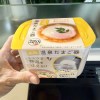 Japanese onsen egg maker from 100-yen store Daiso needs to be on your shopping list
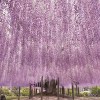 Nine great places to see spring flowers in Japan, as chosen by travelers (with almost no sakura)
 Survey asks foreign tourists what bothered them in Japan, more than half gave same answer
 Japan’s human washing machines will go on sale to general public, demos to be held in Tokyo
 Starbucks Japan releases new drinkware and goods for Valentine’s Day
 We deeply regret going into this tunnel on our walk in the mountains of Japan
 Studio Ghibli releases Kodama forest spirits from Princess Mononoke to light up your home
 Starbucks Japan releases new sakura goods and drinkware for cherry blossom season 2026
 Japan’s newest Shinkansen has no seats…or passengers [Video]
 Major Japanese hotel chain says reservations via overseas booking sites may not be valid
 Put sesame oil in your coffee? Japanese maker says it’s the best way to start your day【Taste test】
 No more using real katana for tourism activities, Japan’s National Police Agency says
 Famous koi ponds overwhelmed with tourists throwing thousands of coins in them
 Pokémon and Ikea Japan cross over into each other’s worlds with collaboration events
 Amazing exhibition of Japan’s legendary “cursed katana” is going on right now【Photos】
 Pokémon Cafe’s new Mega Charizard curry plate is a work of art in more ways than one
 “Online streamer” tops dream job poll for young Japanese kids, older kids not so interested
 Godzilla-shaped ice cream on sale in Tokyo near the sight his most adorable rampage
 Kyoto kimono fabric Sailor Moon wallet would look as good in Japan’s old capital or Crystal Tokyo
 Tokyo Station staff share their top 10 favorite ekiben
 Take a trip to Japan’s Dododo Land, the most irritating place on Earth
 Dance Dance Revolution Classic mini console set to bring the beat back in micro style【Video】
 Starbucks Japan adds new Sencha Matcha Tea Frappuccino to its menu, but only at 28 locations
 How to speak Japanese like a gyaru【2024 edition】
 Two food hacks take Japan’s convenience store fried chicken to amazing new sandwich heights