
When a 4-year-old tells you his favorite hobby is riding dinosaurs with laser guns on their backs, you’d probably tend to laugh it off as the whimsical musings of a person whose brain hasn’t fully developed yet. But apparently one Japanese researcher thought taking the nonsensical ramblings of very young children seriously was an important research project lending insight into the pre-conception brains of recently born people.
“Doctor” Akira Ikegawa – who is crazy and is possibly also hoping to defraud at least a few people – says his research in prenatal care has revealed that babies sit up in clouds looking down on the world picking and choosing which mother they prefer to be born to before spiriting themselves into those mothers’ wombs to be carried to term.

 Cup Noodle unveils first-ever cold-water instant ramen in Japan
 Can instant TKG from Don Quijote really recreate Japan’s beloved raw-egg-on-rice dish?
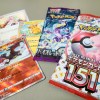 Japanese government ID card and app to be required for certain Pokémon card purchases next month
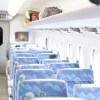 Shinkansen trial of moderately air conditioned cars draws mixed reactions from travellers
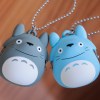 Studio Ghibli releases new Totoro coin purses…but who’s the blue character?
 Hiker needs to be rescued from Mt. Fuji twice in five days for very dumb reason
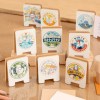 Studio Ghibli releases huge new wooden clip collection featuring 25 anime movies
 Tokyo’s Giga Mart lets visitors “steal” from a convenience store… if cameras don’t catch you
 Two Americans decide to hike Mt. Fuji before trails open, both need rescues on back-to-back days
 Japan’s new Calpis pudding: The right call for summer, or tampering with purin perfection?
 Studio Ghibli has a new anime out, and there’s only one place in the world where you can see it
 Family Mart opens new “Famima” flagship store in Tokyo that’s like a tourist attraction
 Uniqlo looks back to the very start of Pokémon with new black-and-white pixel art T-shirts[Pics]
 Japan reacts to Donald Trump’s “Islamic Republic of Japan” remark
 Japanese airport rebrands itself as “Sushi Airport” to attract foreign tourists
 Three new starter Pokémon Jets to fly in Japan, first begins carrying passengers this month
 Studio Ghibli theme park’s new dessert is a drinkable version of Hayao Miyazaki’s pilot daydream
 Solid gold Hedorah kaiju from the Godzilla series is now available to pre-order
 Japan announces sudden 400-percent increase in visa fees for foreigners entering the country
 Japanese ninja certification exam attracts 131 candidates from Japan and abroad
 Salomon releases Japan-exclusive Mt. Fuji hiking gear that doubles as an amazing souvenir
 Studio Ghibli store Donguri Republic announces opening of first-ever store in America
 Japan triples departure tax, foreign tourists and locals now must pay more to leave country
 Japan launches first overnight Shinkansen bullet train between Tokyo and Osaka this summer
 Japanese sweets shop sells an ohagi so exquisite it sells out by noon
 Sanrio Character Poll announces winners, Hello Kitty absent from top 10 in many countries
 Japan’s human washing machines will go on sale to general public, demos to be held in Tokyo
 Starbucks Japan releases new drinkware and goods for Valentine’s Day
 Starbucks Japan releases new sakura goods and drinkware for cherry blossom season 2026
 Japan’s newest Shinkansen has no seats…or passengers [Video]
 Put sesame oil in your coffee? Japanese maker says it’s the best way to start your day【Taste test】
 Japan reportedly adding Japanese language skill requirement to most common foreigner work visa
 Hiker needs to be rescued from Mt. Fuji twice in five days for very dumb reason
 Studio Ghibli releases huge new wooden clip collection featuring 25 anime movies
 Tokyo’s Giga Mart lets visitors “steal” from a convenience store… if cameras don’t catch you
 Two Americans decide to hike Mt. Fuji before trails open, both need rescues on back-to-back days
 Japan’s new Calpis pudding: The right call for summer, or tampering with purin perfection?
 Studio Ghibli brings anime characters to the table with new Totoro placemat that’s like a movie cell
 “They’ve got be kidding me.” – Mayor in Japan fed up with off-season Mt. Fuji hikers needing rescue
 Japan now has a takoyaki sandwich…created by a Michelin-listed restaurant
 Uniqlo looks back to the very start of Pokémon with new black-and-white pixel art T-shirts[Pics]
 Japan has otaku/fan event insurance to cover oshikatsu expenses when events are cancelled
 Hiker needs to be rescued from Mt. Fuji two times in two days, but system is working as intended
 Studio Ghibli has a new anime out, and there’s only one place in the world where you can see it
 Family Mart opens new “Famima” flagship store in Tokyo that’s like a tourist attraction
 Onidon opens in Tokyo with unique fusion tempura rice balls you won’t find anywhere else