
We discovered an unexpected sight during a recent trip to an IKEA in the suburbs of Tokyo.
Read More
Bringing you yesterday's news from Japan and Asia, today.
environment (Page 4)
We discovered an unexpected sight during a recent trip to an IKEA in the suburbs of Tokyo.
Read More

“The 100 what??” That was our initial reaction too, but the official list is just what it sounds like!

Marine wildlife volunteers cleverly fight garbage with garbage in order to successfully rescue this trapped porcupine fish.
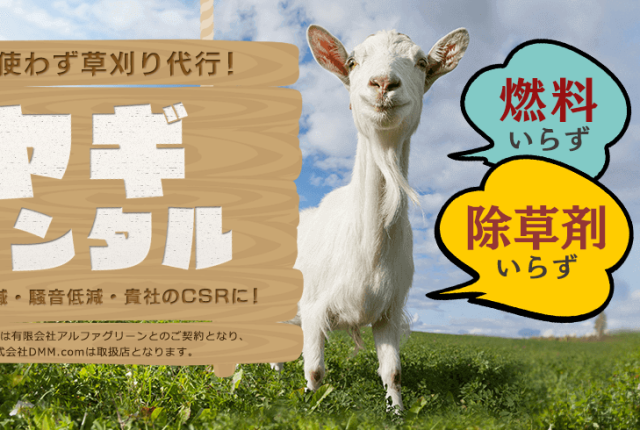
If you need a furry friend that also doubles as an eco-friendly lawnmower, this is for you.
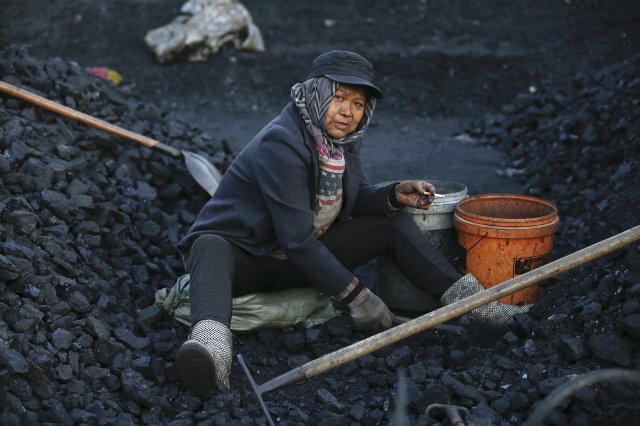
Global consumption of coal has declined significantly over the past year, driven by China, which makes up about half of the world’s demand for coal.
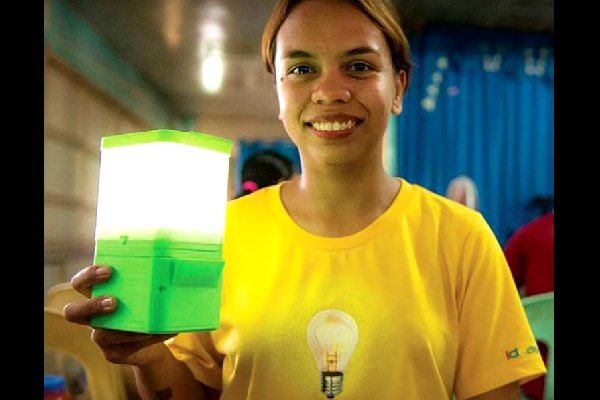
Aisa Mijeno, a young Filipino engineer and environmental advocate, has conceptualized a product that is not only environmentally friendly, but will provide basic lighting to the less-privileged: a lamp that runs on salt water!
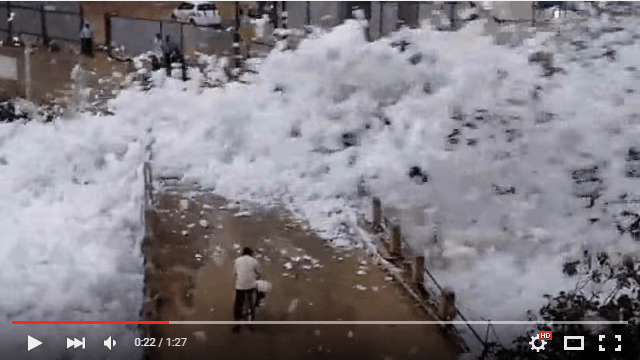
This is one bubble bath that you’ll never want to take a dip in.
Locals in Bangalore, India are calling for immediate action after foam which had accumulated on Bellandur Lake, the biggest lake in the city, was blown onto streets and even caught fire for the second time in only a few months. While experiencing a gigantic bubble bath outside of your bathtub may seem like a fun idea at first, the foam that is spewing out from Bellandur Lake is actually toxic in nature and supposedly has a terrible stench.
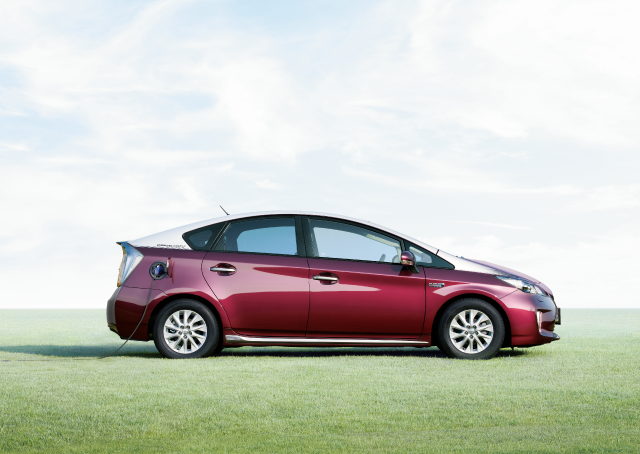
Toyota’s Prius is designed for one purpose, and it’s not to deliver the sort of exciting performance that will seduce you into taking a spirited drive through a moonlit mountain pass (that’s another car’s job). No, the Prius promise is that it will get you from Point A to Point B in the most energy-efficient way possible.
But while the standard hybrid Prius remains a popular choice for eco-conscious motorists, sales of its plug-in variant have been stagnant. Toyota is hoping to change that, though, with an updated Prius that can travel roughly twice as far under purely electric power than the current model.
While the vast majority of Japan’s population is crammed onto its four largest islands, Honshu, Kyushu, Shikoku, and Hokkaido, the country’s territories extend much farther out to sea. For example, if you head about 1,000 kilometers (621 miles) south of downtown Tokyo, you’ll come to the Ogasawara Islands, one of Japan’s most remote settlements.
We’ve talked about the Ogasawaras before, and how their beautiful ocean scenery has been helping to attract tourists (and perhaps even a new chef), to the archipelago. Recently, though, the islands have been seeing an increasing number of extremely unwelcome visitors, in the form of ships coming from China to poach coral.
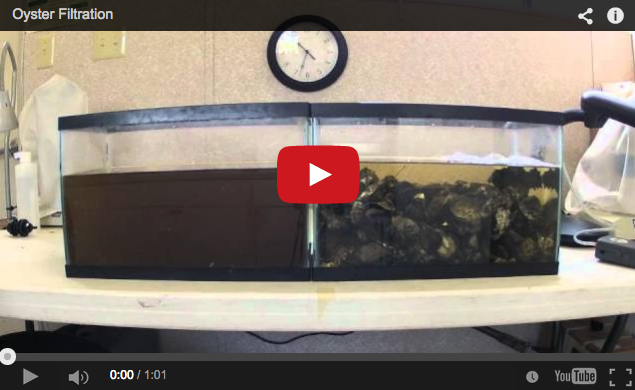
You may be familiar with oysters as the delicious seafood best eaten raw (or as ice cream) and served in months ending in “r,” but did you also know the little guys have impressive filtering skills that can clean even the dirtiest water?
Eating its fill of plankton and other particles floating around, a fully grown oyster can filter more than 50 gallons (189 liters) of seawater in one day. After seeing a few videos demonstrating this cleaning ability, some Japanese netizens started to question just how appetizing this made the once delicious-looking oyster.
Gundam creator Yoshiyuki Tomino always seems to be seething at someone. Recently, he had harsh words for the anime voice acting industry, and now he’s gnawing even further up the arm that’s connected to the hand that feeds him by setting his sights on a new target: all adult Gundam fans.
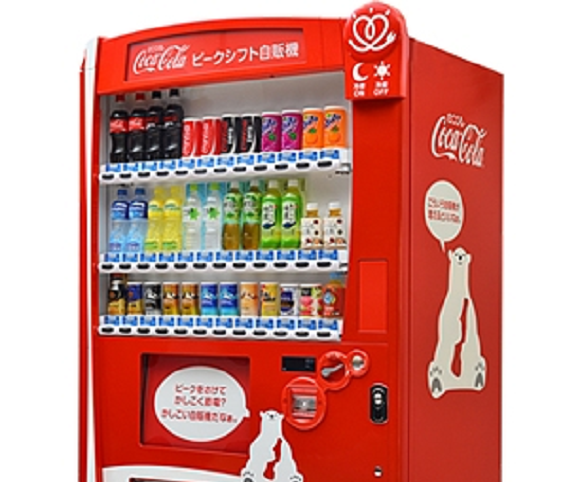
In some ways, the huge amount of vending machines in Japan seems like a win-win situation. In a country that gets incredibly hot and sticky in the summer, it’s nice to never be more than a few minutes’ walk from a cold drink, and for beverage companies like Coca-Cola, the machines are a huge source of income.
That said, all of those vending machines are essentially coin-operated refrigerators, collectively sucking up a huge amount of electricity. In an effort to cut down on their energy consumption, Coca-Cola has developed a new type of unit that spends as much as 16 hours a day not using any electricity at all to keep its products nice and cool.
It’s often said that, rather than splashing out on expensive new appliances and fitting solar panels to our roofs, it’s the smaller changes we can make in our daily lives that will have an enormous positive effect on the environment. The act boiling a kettle, for example, may seem like a relatively harmless one, but – often because we boil more water than we actually use – we waste thousands of tons of carbon every single day simply by making cups of tea or coffee.
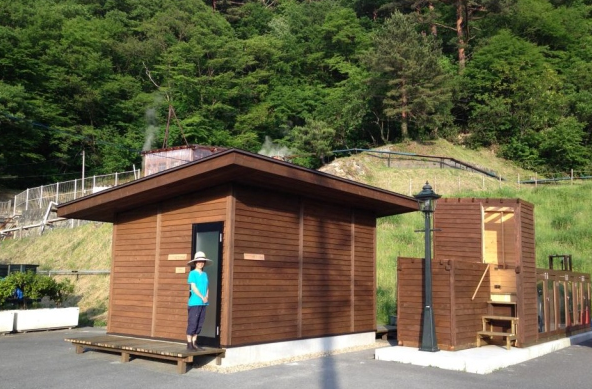
With that in mind, a new members-only cafe has recently opened its doors in the town of Osaki, Miyagi Prefecture, which uses energy from patrons’ kitchen waste to boil the water needed for a relaxing brew, making the green tea they serve some of the greenest in the world by far.

Toyota recently announced it plans to begin consumer sales of a Fuel Cell Vehicle sometime around the beginning of 2015, which has the potential to be a huge step towards a more environmentally-friendly system of personal transportation. Rival carmaker Honda isn’t about to let Japan’s largest auto manufacturer have this new field all to itself, though, as it looks to be moving ahead with plans to start selling an FCV of its own within the country that aims to be the class leader in both performance and price.
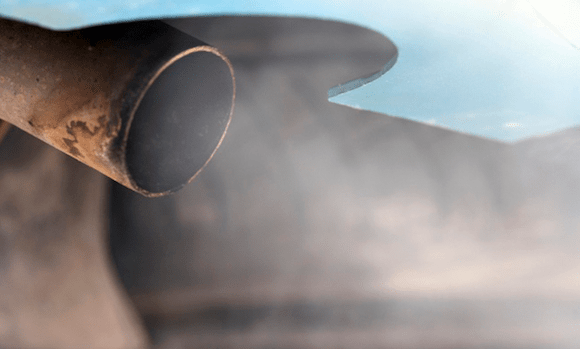
Chinese cities have featured a lot in the news over the past few years. With the country experiencing rapid economic growth and its industries going into overdrive – though often with scant regard for the environment – the air quality in some cities has deteriorated to the point that health organisations have warned against spending too much time outdoors. The country’s rivers, too, bear the scars of progress as factories pump tons of waste into them, in some cases turning the water dark red.
Thankfully, though, the Chinese government has pledged to address the situation, and has this week announced plans to remove as many as six million vehicles from its roads in an effort to detoxify city air.
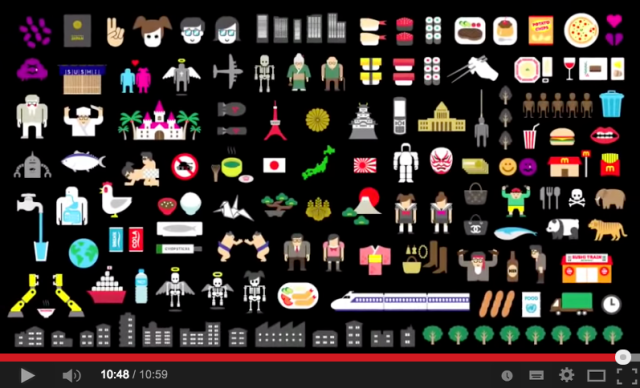
Hey, you! You’re a busy person! You have status updates to write; tweets about your lunch to send; videos of cats dressed as humans to watch. You don’t have time to read things like some kind of ridiculous, well-educated duck.
So instead watch this video, which tells you everything there is to know about Japan – covering population, annual food wastage, social awkwardness and much more – in just 10 minutes and 59 seconds.
Go! Time is of the essence!
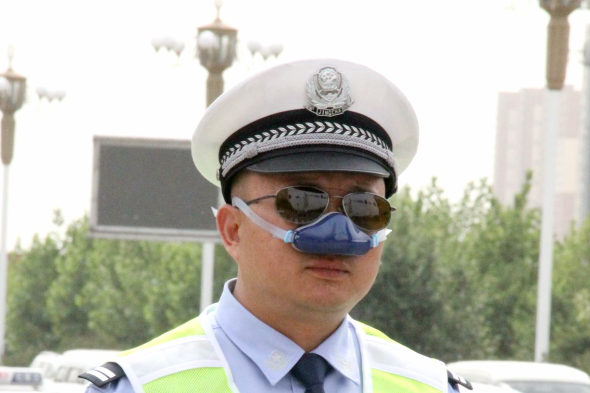
What’s that man wearing in the picture above? Is it a new subculture fashion trend born in Harajuku? Or maybe some kind of bulky nasal strip? Actually, it’s an incredibly high-tech nasal air purifying device to combat air pollution.
The smog problem in several major Chinese cities is impossible to ignore, and poses colossal environmental and health risks unless drastic action is taken soon (it apparently even forces couples to take wedding photos while wearing gas masks…). There has been recent talk of using drones to fight the smog, but in the meantime the police department of one city in northern China is taking precautionary measures to protect the health of its workers by providing them with specialized breathing equipment.
It’s not quite as cool looking as the mask worn by, say, the titular character of Hayao Miyazaki’s Nausicaä of the Valley of the Wind, but just wait until you read everything that this little contraption can do.
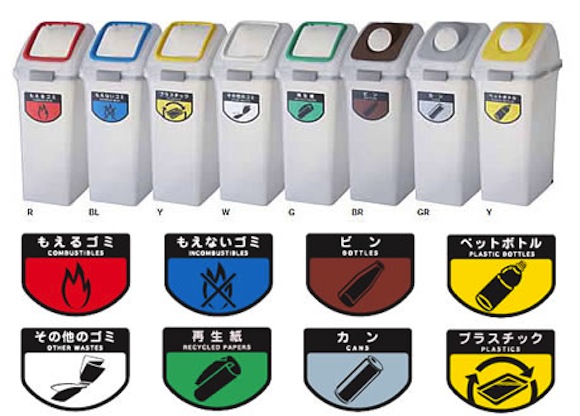
Is Japan’s recycling system the most complicated in the world? It sure feels like it sometimes. Household waste must of course be separated into burnable and non-burnable, but after that there’s a dizzying array of recycling categories to break your non-burnables into. Since Japan is a relatively small country without masses of land to use for burying waste, the vast majority of waste used to be incinerated. However, with increasing ecological awareness in the 1990s came new legislation to minimise the amount of waste being burnt, and promote recycling.
Public awareness of the need to recycle is high, but the system can be baffling for new foreign residents. The problem lies not only in the array of recycling categories, but also in the apparent overlap between them: the grey areas. Is an empty pizza box considered recycled paper? Or is it burnable? Paper packages? “Other”? And if a bottle is made of a different type of plastic to the standard PET, is still a “pet bottle”, or is it just “plastic”?
Today we bring you six reasons to learn what goes in what box, and a few hints for getting it right along the way.
 Wisteria season starts early with blooming of Japan’s Great Wisteria in its beautiful garden
 Japan has new rules for bicycle riders, and these 14 things could get you a fine or a court date
 Final version of Sanrio: Beginning of Kawaii exhibition opens in Tokyo[Photos]
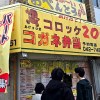 Japanese bento shop sells croquettes for 13 cents, but are they any good?
 No, that’s not French bread, it’s Japan’s crazy-big gobo!
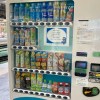 Drink vending machines disappearing in Japan as number drops to lowest in 30 years
 McDonald’s and Gundam team up for customized anime mecha and fried chicken sandwiches[Video]
 Japanese government wants overseas anime market to roughly triple in 10 years, but are they crazy?
 Starbucks Japan releases FIVE new Frappuccinos in a day, and we try them all in 90 minutes
 Japan’s best conveyor belt sushi restaurant of seven years ago has now, finally, come to Tokyo
 Japan reportedly adding Japanese language skill requirement to most common foreigner work visaJapan’s best conveyor belt sushi restaurant of seven years ago has now, finally, come to TokyoWisteria season starts early with blooming of Japan’s Great Wisteria in its beautiful garden
 Mt. Fuji decorated with a 500,000-flower pink carpet is Japan’s ultimate spring view
 Lawson convenience store at popular tourist site is one of the most unusual in Japan
 Japanese trains in Sapporo might be better than those in Tokyo, thanks to one special feature
 30 Pikachus want to share a Tokyo hotel room with you that has separate Grass, Water, Fire spaces
 Man bites woman at cherry blossom park in Japan, dies shortly afterStarbucks Japan releases FIVE new Frappuccinos in a day, and we try them all in 90 minutes
 Howl’s Moving Castle’s scene-stealing dog is here to clean your home as a plushie mopJapan reportedly adding Japanese language skill requirement to most common foreigner work visa
 Pokémon and Ikea Japan cross over into each other’s worlds with collaboration events
 Japan now has a special desk for people who work at home with a pet cat[Photos]
 Famous Tokyo cherry blossom spot installs view-blocking screens to fight overcrowding[Video]Japan’s best conveyor belt sushi restaurant of seven years ago has now, finally, come to Tokyo
 Uniqlo announces new T-shirts for One Piece, Naruto and more for manga publisher’s 100th birthday
 Train station platform ramen store closes its doors on half a century of history in Tokyo
 Starbucks Japan releases new My Fruit³ Frappuccino at only 34 stores around the country
 Krispy Kreme releases Super Mario doughnuts in Japan for a limited timeWisteria season starts early with blooming of Japan’s Great Wisteria in its beautiful garden
 Survey asks foreign tourists what bothered them in Japan, more than half gave same answer
 Japan’s human washing machines will go on sale to general public, demos to be held in Tokyo
 Starbucks Japan releases new drinkware and goods for Valentine’s Day
 We deeply regret going into this tunnel on our walk in the mountains of Japan
 Starbucks Japan releases new sakura goods and drinkware for cherry blossom season 2026
 Studio Ghibli releases Kodama forest spirits from Princess Mononoke to light up your home
 Japan’s newest Shinkansen has no seats…or passengers [Video]
 Major Japanese hotel chain says reservations via overseas booking sites may not be valid
 Put sesame oil in your coffee? Japanese maker says it’s the best way to start your day【Taste test】
 No more using real katana for tourism activities, Japan’s National Police Agency says
 Drink vending machines disappearing in Japan as number drops to lowest in 30 years
 McDonald’s and Gundam team up for customized anime mecha and fried chicken sandwiches[Video]
 Japanese government wants overseas anime market to roughly triple in 10 years, but are they crazy?
 Starbucks Japan releases FIVE new Frappuccinos in a day, and we try them all in 90 minutes
 Japan’s best conveyor belt sushi restaurant of seven years ago has now, finally, come to Tokyo
 Foreign tourist steals offering and chugs booze in Japanese cemetery, sparking police investigation
 After 21 years, Harajuku’s famous Lolita fashion and cosplay shop is permanently closing
 We eat at a brand new pasta shop with all-you-can-eat tofu run by one of our favorite restaurants
 Yoshinoya invites you to give the gift of beef bowls this Mother’s Day
 New Travelling Bento pouches turn your luggage into a Japanese lunch box
 How to do an overnight bus trip to Hirosaki from Tokyo – Part 1【Photos】
 Naturally brown-haired Osaka student sues government for forcing her to dye her hair black
 Japanese high school volleyball player beaten by coach, teammates for violating no-dating rule