geisha (Page 2)

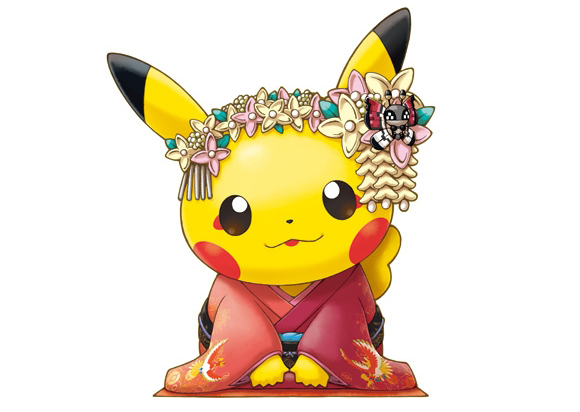
In Kyoto, Pikachu wears a kimono with a Ho-Oh design and a Vivillion-adorned hair accessory.
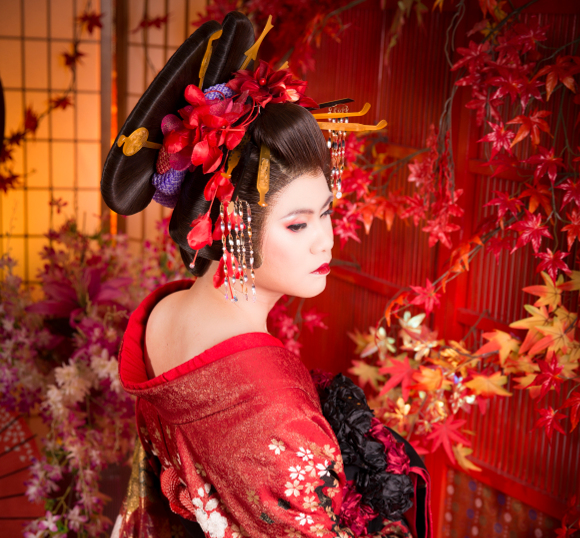
If you want to become a geisha, maiko, samurai or courtesan, gender is no barrier at this Asakusa photo studio.
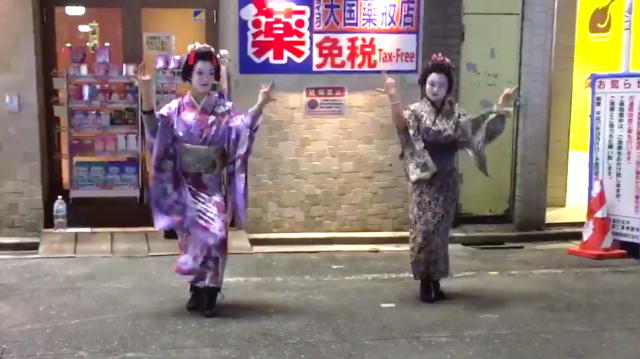
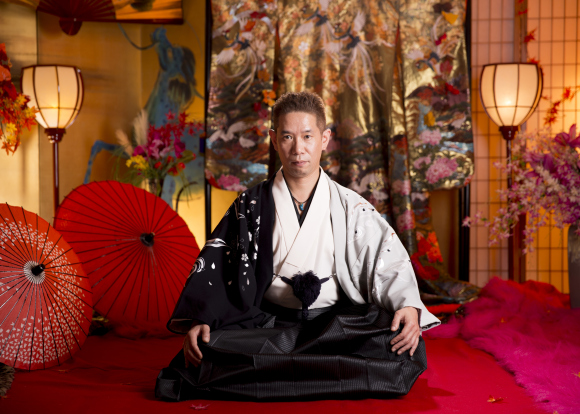
If you’ve ever wanted to turn back time and step into the clothes of a well-dressed geisha, a pipe-smoking courtesan or a sword-wielding samurai warrior, we’ve found the perfect place for you!
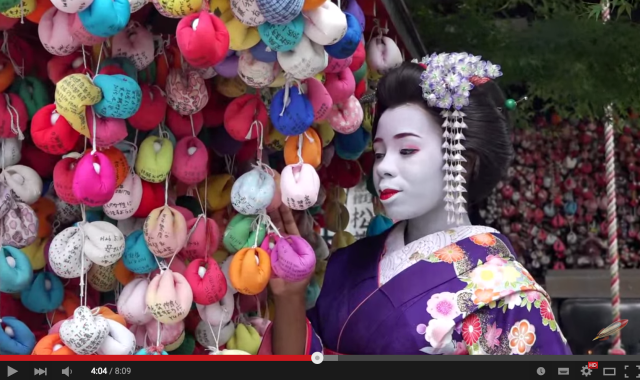
They say that it’s rare to see a real maiko walking the streets of Kyoto, since these artists usually work at night and live in their own secluded world, far from the rest of Japanese society. In fact, if you spot a maiko strolling around Gion during the day, there’s a good chance she’s a tourist who’s undergone a fabulously elaborate makeover.
We took our Japan Wish competition winner Ashley to a studio in Kyoto’s Gion neighborhood to have a maiko-over and be transformed in an amazing process that yielded completely stunning results. Ashley was able to choose her own kimono and obi sash, and as part of the deal she was treated to a professional photography session and the opportunity to take a stroll around the streets of Gion in full maiko garb!
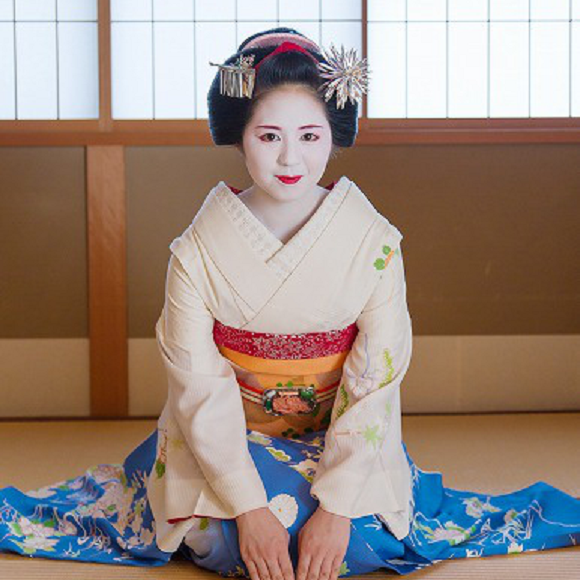
Just as with full-fledged geisha, it’s customary for maiko, as geisha apprentices are known, to wear a layer of white face powder, called oshiroi. But those who’ve seen one of Japan’s traditional entertainers close up often marvel at their smooth, healthy skin, remarking that they would be just as beautiful with all of those cosmetic coverings washed away.
But in much the same way that their polished speech and refined mannerisms are the result of years of training, maiko also have a careful routine they follow to keep their skin looking as delicate and pleasing to the eye as it does.
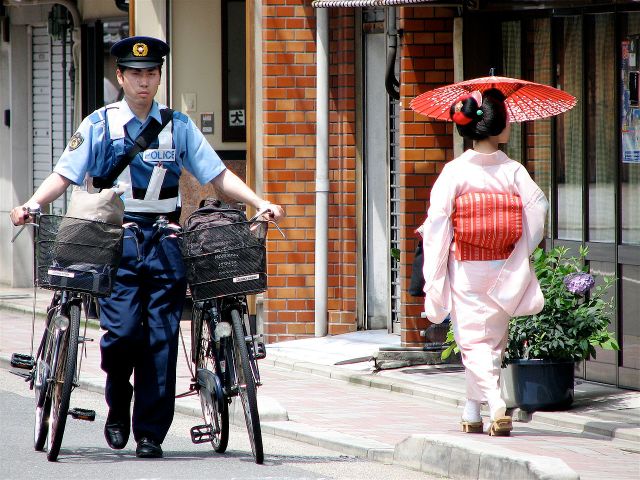
Kyoto now welcomes 50 million tourists a year who come to experience Japan’s traditional culture and architecture, plus catch a glimpse of the city’s famed geisha. But, as anyone who lives in a tourist hot spot knows, living there is not the same as a short visit.
As such, the following is a list of some of the things that Kyoto locals probably have the urge to remind tourists of from time to time, so allow us to shatter your illusions with some of the realities that come with living in Japan’s ancient capital.
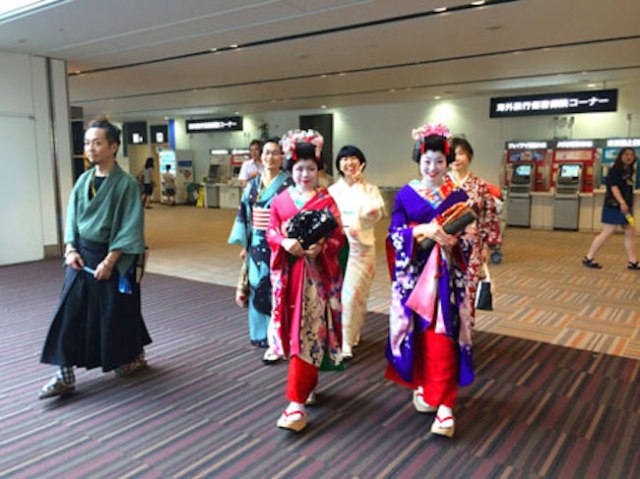
‘Omotenashi’, the spirit of Japanese hospitality, became something of a buzzword at home and abroad when Christel Takigawa used the phrase in her speech to the International Olympic Committee in 2013.
And it’s in this spirit that Tokyo’s Narita airport plans to extend an especially warm welcome to international visitors this year, as it renews its Omotenashi Program of special offers and cultural events for transferring passengers.
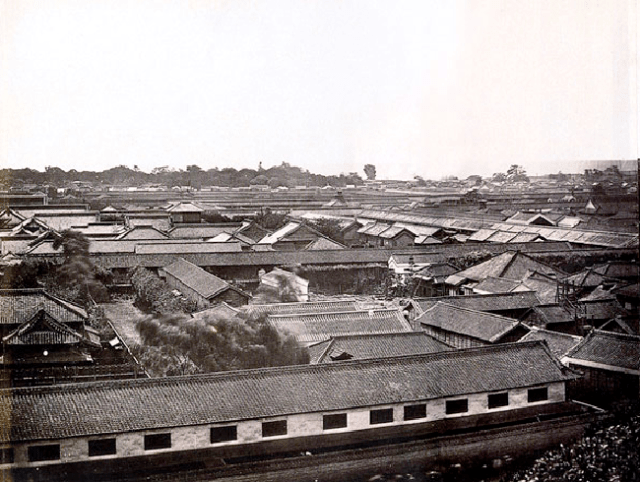
In 1853, the rulers of Japan ended the country’s more than two centuries of isolation from the rest of the world. But while foreigners could now get into Japan for trade and commerce, it would take more than 10 years until Japanese citizens could leave the country, meaning that outside cultural influences were still slow to find their way into the half-opened nation.
As such, there’s a brief, time capsule-like period in which Japan’s culture was still almost entirely of indigenous origins, but foreign visitors had the technology to visually document it, as shown in these beautiful photographs of 19th century Japan.
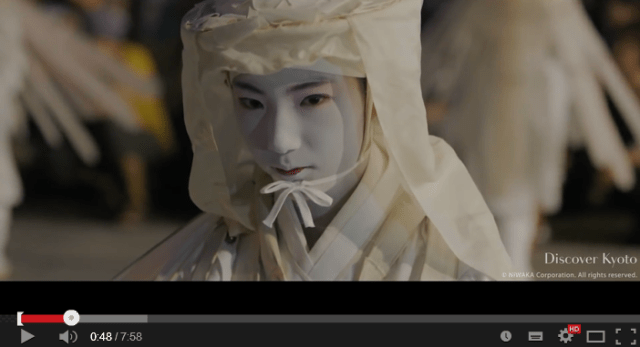
Many neighborhoods in Japan have festivals during the summer, often centered around the local shrine. They generally include processions, musical performances, and Shinto rituals, with the festivities lasting a day, or maybe two if they stretch throughout the weekend.
Kyoto’s Gion district, though, does things on a grander scale. The Gion Matsuri (Gion Festival) starts on July 1 and runs for the entire month, with some sort of event happening almost every day. And while most non-residents can’t clear out enough of their schedule to sped a few solid weeks in Japan’s former capital, this beautiful video gives the highlights of the event.
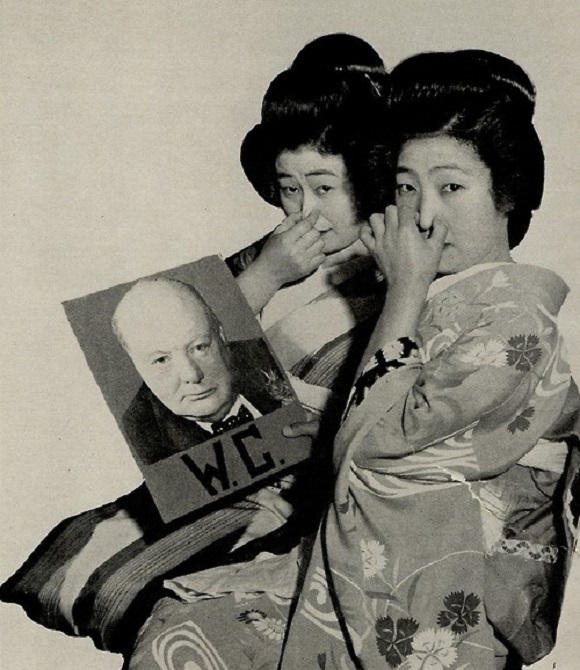
If you were paying attention during history class, you’ll know all about wartime propaganda and the role it played in “motivating” people during the war effort. It seems like most countries involved got in on a piece of the propaganda action to some degree or other, with anti-Japanese propaganda being just one example.
But what do you think of this picture that has recently been uncovered showing two geisha holding their noses over a picture of former UK prime minister Winston Churchill? And what’s the joke behind it?

If asked which traditional Japanese arts are female-only, the first thing that comes to mind for most foreigners is probably geisha. Following that, most people might guess tea ceremony, ikebana (flower arrangement) or calligraphy. But tea ceremony and ikebana had connections to Buddhism and were started in Japan by Buddhist priests. Still today many masters in these two disciplines are men. Calligraphy was brought over from China and both men and women practiced by copying Chinese letters. Only later did Japan develop its own form of calligraphy which is still practiced today by both sexes.
In this article, we introduce five strictly female Japanese arts, a couple of which you may have never heard of before. In addition to everyone’s favorite, the geisha, we introduce the world’s only all-female revue, naginata swords for women, itako female fortune-tellers and the mysterious naked sea nymphs: the ama pearl divers.
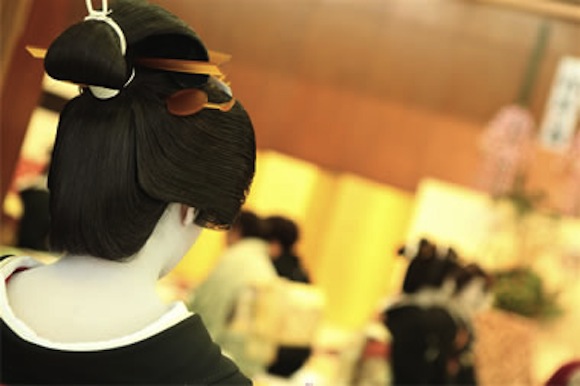
Last month, we ran a story about the Ozashiki Cafe, a one day event that would offer a unique opportunity for the Japanese public to take a look into the usually exclusive world of geisha and the traditional Japanese restaurants known as ryotei, where they perform. Much to our delight, we received comments from readers encouraging us to sign up and attend the event, so that’s exactly what we decided to do! And we were quite excited to do so too, since the average person in Japan usually doesn’t have the chance to interact with professional geisha. So, here’s our report on what we experienced at the Ozashiki Cafe, which took place at the ryotei Miyakodori in the Asakusa district of Tokyo — and we have to say, it was quite a treat to be entertained by professional geisha, even it was for just one fleeting hour!
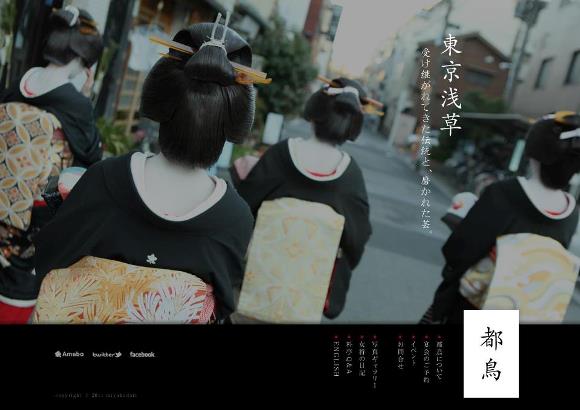
Have you ever fantasized about the world of geisha? Even for most of us Japanese, the beautifully made-up and richly adorned geisha is an object of fascination and mystery, simply because the world they live and entertain in is so exclusive. Since it’s quite rare for the average Japanese person to have the opportunity to be entertained by professional geisha, many of us don’t really have an idea of what goes on in the tea houses (ochaya) and traditional restaurants (ryotei) where geisha perform, which is why the ryotei Miyakodori has come up with a one-day event called the “Ozashiki Cafe” to offer us a glimpse into the hidden world of geisha!

Air France has come under fire this week after its latest promotional ad campaign, which consists of a series of 18 photos featuring mostly caucasian women dressed and made up to represent countries the airline serves, depicts Japan as the land of giant-haired geisha.
It’s hardly the most offensive ad ever – and it’s certainly better than ANA’s big-nosed white men commercial from earlier this year – but critics are calling for it to be pulled, with many suggesting that it is “stereotypically racist” and in poor taste. Fortunately, net users were on hand to “fix” Air France’s photos, and make them that little bit more Japanese…
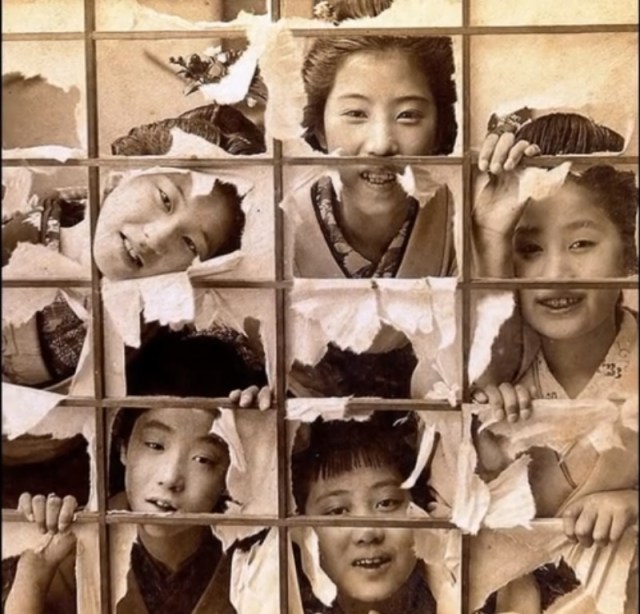
Have you ever looked at the current crop of Johnny’s and female idol groups streaming out of Japan and thought that their high energy hair styles and in-your-face costumes were a little genki for your tastes? Have you ever wondered, “what would they look like as samurai or geisha?” Look no further than this video showcasing the style and class of the 19th century!
Take a look at the video after the jump and see what the rest of the world thinks of Japan’s stoic idols.
MOST POPULAR
Now
 Krispy Kreme releases Super Mario doughnuts in Japan for a limited time
 Ramen restaurant in top Tokyo tourist neighborhood skips price gouging, but how does it taste?
 Japan now has a “for foreign tourists only” Mt. Fuji sightseeing train[Video]
 A secluded British mansion in Chiba is a hidden holy land for afternoon tea lovers
 Public restrooms in Osaka to get in-stall video screens with ads
 Japanese bonsai trees made from paper stay beautiful without water or pruning
 Ghibli Museum building becomes a cuddly cushion
 “Online streamer” tops dream job poll for young Japanese kids, older kids not so interested
 Starbucks Japan releases first-ever Hinamatsuri Girls’ Day Frappuccino
 Expo 2025 mascot Myaku-Myaku to release tastefully erotic photo book
Weekly
 Japanese onsen egg maker from 100-yen store Daiso needs to be on your shopping list
 Starbucks Japan releases new My Fruit³ Frappuccino at only 34 stores around the country
 Tokyo government organizes food truck event to clear out delinquent/homeless teen gathering area
 Cherry blossoms begin blooming in Japan with record-early starts for sakura season
 Nine amazing off-the-beaten-path cherry blossom spots in Japan for yaezakura and shidarezakura
 Stunning central Japan wisteria festival is like a purple fantasy straight out of a Ghibli movie
 Create a tiny Ghibli anime world on your bookshelf with new miniature papercraft art kits
 Studio Ghibli releases the My Neighbour Totoro tea caddy, with a magical self-closing lid
- Japan now has a “for foreign tourists only” Mt. Fuji sightseeing train[Video]
 When will the cherry blossoms reach full bloom in Japan this year?[Forecast]
Monthly
 Starbucks Japan unveils new sakura cherry blossom collection for hanami season 2026
 Train station platform ramen store closes its doors on half a century of history in Tokyo
 Studio Ghibli releases Catbus pullback keychain that runs like the anime character
- Starbucks Japan releases new My Fruit³ Frappuccino at only 34 stores around the country
- Japanese onsen egg maker from 100-yen store Daiso needs to be on your shopping list
 Nine great places to see spring flowers in Japan, as chosen by travelers (with almost no sakura)
- Starbucks Japan releases first-ever Hinamatsuri Girls’ Day Frappuccino
- Cherry blossoms begin blooming in Japan with record-early starts for sakura season
 Studio Ghibli adds new Mother’s Day gift sets to its anime collection in Japan
 Virtual idol Hatsune Miku redesigned with look that adds new elements and brings back old ones
Yearly
 Survey asks foreign tourists what bothered them in Japan, more than half gave same answer
 Japan’s human washing machines will go on sale to general public, demos to be held in Tokyo
 Starbucks Japan releases new drinkware and goods for Valentine’s Day
 We deeply regret going into this tunnel on our walk in the mountains of Japan
 Studio Ghibli releases Kodama forest spirits from Princess Mononoke to light up your home
 Starbucks Japan releases new sakura goods and drinkware for cherry blossom season 2026
 Japan’s newest Shinkansen has no seats…or passengers [Video]
 Major Japanese hotel chain says reservations via overseas booking sites may not be valid
 Put sesame oil in your coffee? Japanese maker says it’s the best way to start your day【Taste test】
 No more using real katana for tourism activities, Japan’s National Police Agency says
RECOMMENDED STORIES
 Japanese bonsai trees made from paper stay beautiful without water or pruning
 Ghibli Museum building becomes a cuddly cushion
 “Online streamer” tops dream job poll for young Japanese kids, older kids not so interested
 Starbucks Japan releases first-ever Hinamatsuri Girls’ Day Frappuccino
 Expo 2025 mascot Myaku-Myaku to release tastefully erotic photo book
 Komachi Shokudo: Japanese mum’s-style cooking for breakfast, lunch and dinner in Tokyo
 Master sushi chef effortlessly slices and dices vegetables while blindfolded【Video】
 Can you spot what’s odd about this Japanese classroom?【Video】
 7-Eleven Japan releases a crazy new viral sandwich: Chocolate Sprinkles and Whipped Cream
 One Piece and music lovers can now add Brook’s iconic Shark Guitar to their collections!
 Can you make butter by running with a pouch filled with cream? Let’s find out[Taste test]
 How to make your own hoshi-imo Japanese dried sweet potato snacks【SoraKitchen】
 Lawson overloads some of its popular foods by doubling their amount for its 50th anniversary
 How to tell a Japanese tanuki apart from a regular raccoon
-
