Latte art is all the rage in Japan right now, and as you might expect, it tends heavily towards the super-kawaii. But today, we spotted some super realistic-looking latte art from Twitter user @dongurinekobei and it looks both amazing and undrinkable.
Do you remember when you were a little kid and you used a magnifying glass to look at bugs and leaves? Do you remember when you realized that if you caught the sunlight in the magnifying glass in just the right way you could set the bugs and leaves on fire?
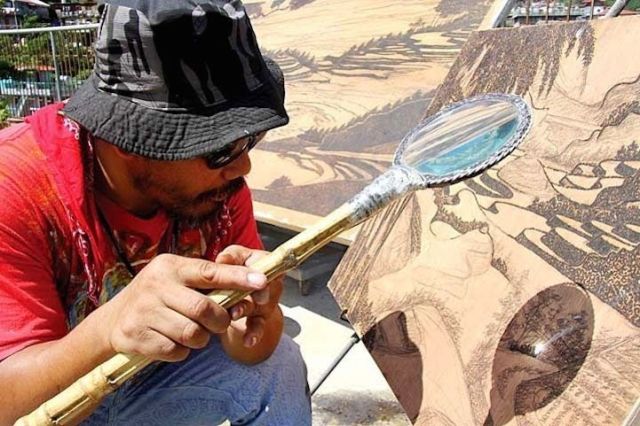
Austronesian artist Jordan Mang-osan (not to be confused with Mango-san) is also using the sun to burn things at this home in the Philippines, but instead of frying bugs, he’s creating massive works of art.
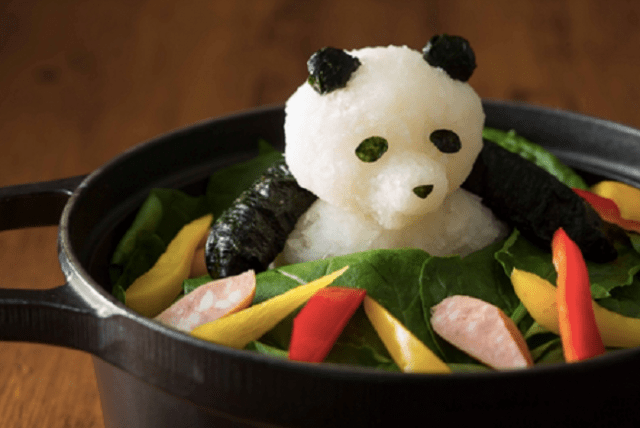
Japan’s become pretty enamored with latte art over the past few years, with baristas all over the country creating cute characters in swirls of cream and foam. But what if you’re not a coffee drinker, either because you’re watching your caffeine intake or just because your inner child won’t let you drink anything so bitter? Is there a way for you to set your table with eye-pleasing edibles?
Sure there is! All you need is a pile of grated daikon radish, and this new book that tells you how to craft it into adorable edibles.
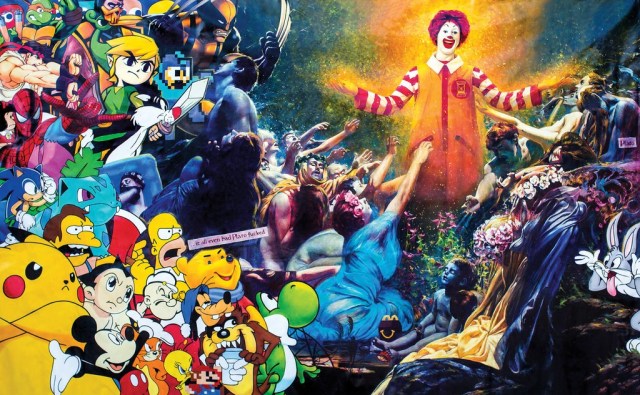
Ronald McDonald towers over distraught men and women in floral wreaths, who reach out desperately to touch his glowing, Christ-like figure.
A 17th-century Simon Vouet painting is reimagined with a female figure from a 1960s comic-book, who shields herself from Father Time’s anger as Ned Flanders looks on laughing.
Welcome to the world of Notre Chauvet. Drawing on their training in traditional painting to combine classical elements with figures from pop culture, brothers Jo and Graeme Hagan create brash, dystopian visions that are as colourful as they are dark.
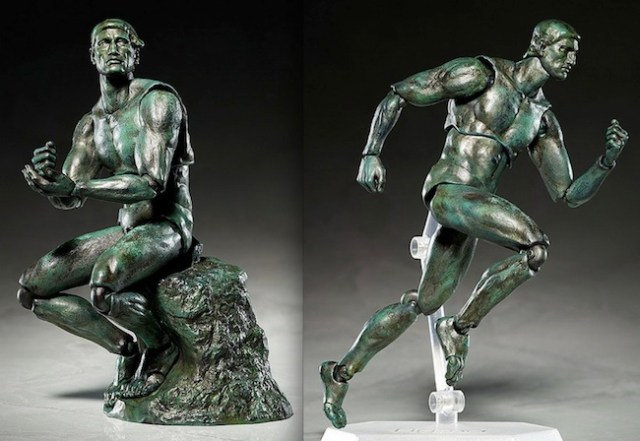
It may be one of the most famous statues in the world, but that doesn’t mean ‘The Thinker’ is unique. There are actually around 28 versions of Rodin’s masterpiece bronze sculpture, and those are just the ones we know about.
That list of Thinkers is about to get a little bit longer, as a research team in Japan has just unearthed a fully flexible, articulated version of ‘The Thinker’. Coming in at less than a tenth of the size of Rodin’s original(s), this incredible bendable figure is only 15.5cm tall!
Every year, a small number of Japanese tourists in Paris are struck by an extreme form of culture shock. This psychological distress, caused by the gap between the idealised, romantic image of the French capital, and the reality of the noisy, dirty city, is known as “Paris Syndrome”, and at one point, the Japanese embassy was even running a 24-hour hotline for distressed citizens requiring assistance.
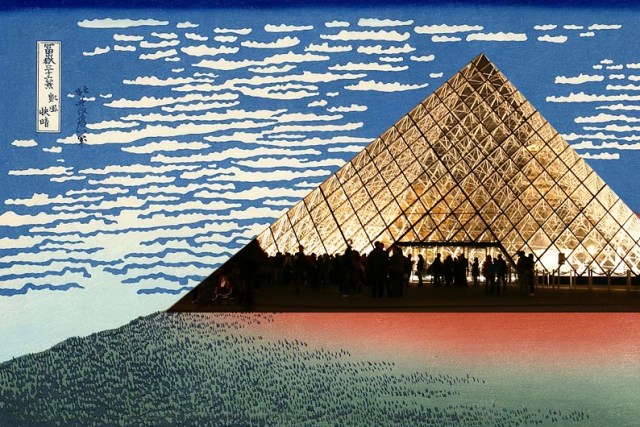
Next year, however, Paris comes to Tokyo, as some of the finest masterpieces of the Louvre museum are to be shown at the National Art Center, Tokyo. The exhibition is entitled ‘Louvre Museum: Genre Painting – Scenes from Daily Life’, and will be the first Louvre exhibition in Japan for six years.
Some days, it seems like everything’s cuter in Japan. After all, this is the country where some construction crews feel if they have to shut down part of the street, the best barricades are the ones shaped like a procession of purple and pink kimono-wearing princesses.
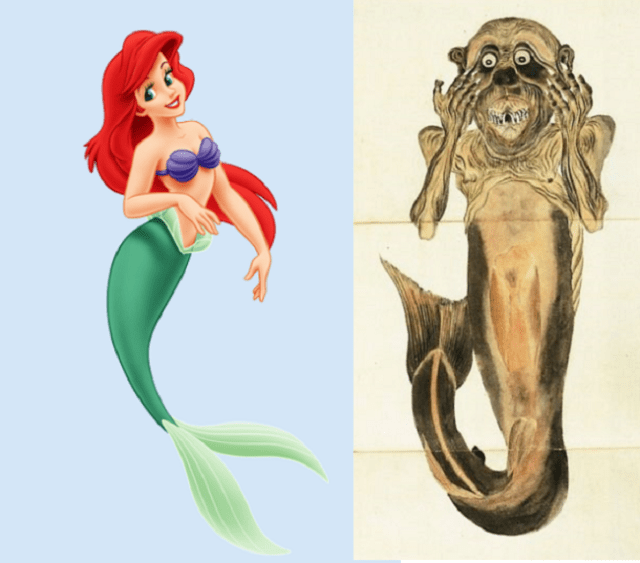
There’s an exception to this rule, though, and it’s mermaids. In the West, they’re portrayed as enchanting beauties of the deep. In Japan, though, they were traditionally treated like yokai, ghostly monsters, as this collection of Japanese mermaid paintings has a few that would be better stars for horror movies than kid-friendly animated musicals.
Written Japanese uses three kinds of script. At the top of the difficulty curve, you’ve got kanji, the complex characters originally imported from China that can require over a dozen brush strokes to write, with each kanji representing a word or concept.
A little less challenging are hiragana, a set of 50 curving phonetic characters, but if English is your native language, odds are you’ll have the least trouble with angular katakana. Like hiragana, katakana is a phonetic system, so each character corresponds to a syllable. Even better, while often one kanji can have three or four possible readings, each katakana has just one possible pronunciation.
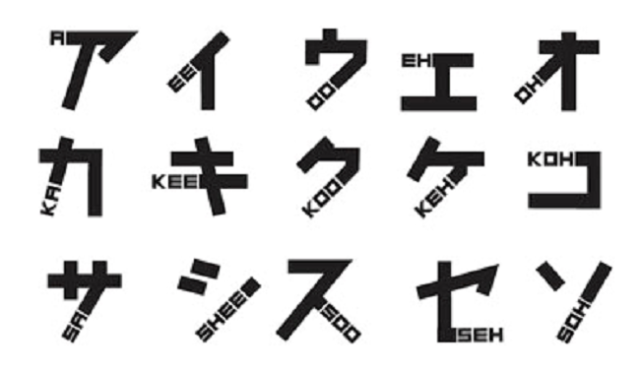
Of course, you still have to memorize how to pronounce all 50 katakana (85 if you’re being really technical) in the first place. One group of graphic designers are aiming to make that task a little easier, though, with a font that combines katakana with phonetics written in English.
There’s so much to love about Japanese customer service. Whether you’re shopping at an expensive department store or perusing the shelves at the local supermarket, you can rest assured that everything has been thought through and tailored to meet your needs and desires.
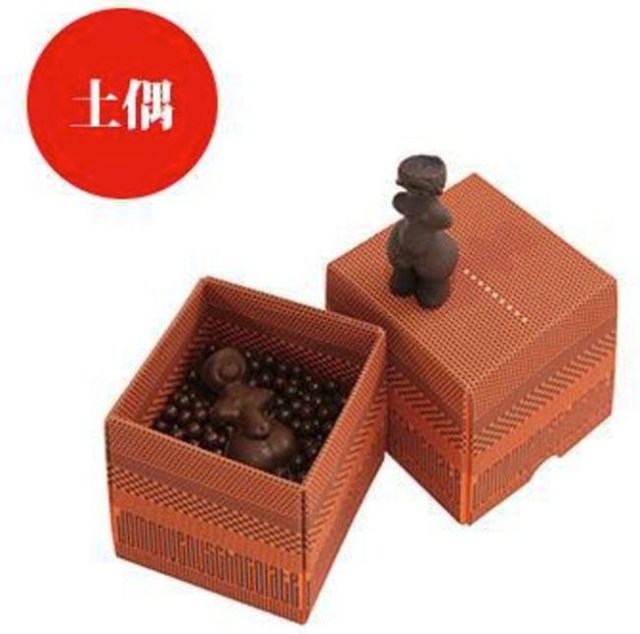
The same attention to detail will be there for visitors to the upcoming National Treasures of Japan exhibition at the Tokyo National Art Museum in Ueno this month. Clearly aware that visitors will want to dig up a national treasure of their own after viewing the exhibition, the gift shop has some unusual souvenirs for customers to take home – including chocolate artefacts.
The first time I went to Tokyo alone, I got lost within the first five minutes of arriving at Shinjuku Station, unable to comprehend why there were so many transfers to different lines going in different directions. Without mobile data on my phone, I was basically one of the ‘internet-less lost gaijin’ crippled by the lack of Google Maps who ended up befriending the station master at every transfer station because, without them, I would probably have had to spend the night hanging out with the buskers on the streets.
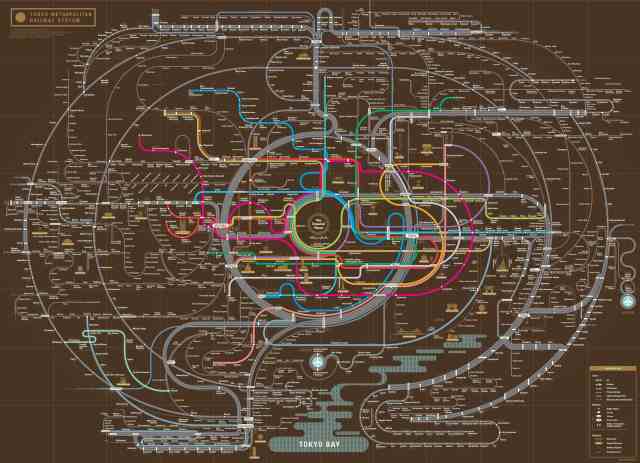
The maps in Japanese subway stations are not only confusing, they also look like multi-colored spaghetti or weird roller coasters, and I can clearly recall thinking how nice it would be to have a better-looking representation of the city’s train lines. Thankfully, it looks like South Korean design company Zero per Zero has fulfilled my wish with their subway map designs, which are becoming a hot topic on Reddit.
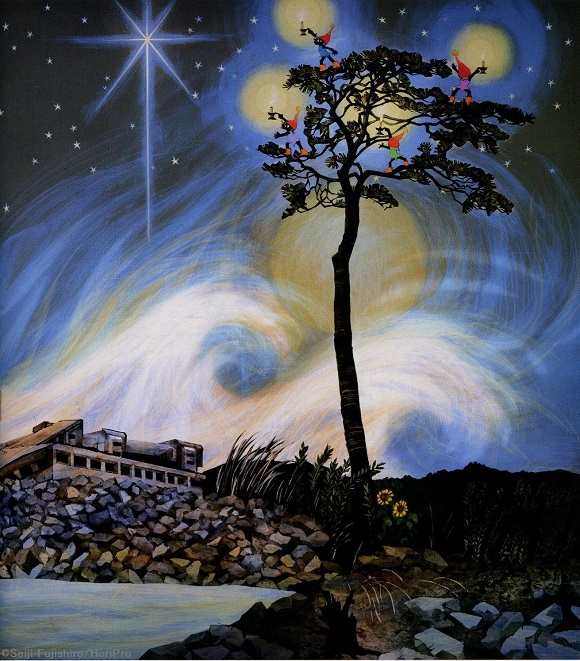
Often life-altering events can inspire incredible artistic endeavors, and while the Great East Japan Earthquake is a tragic day for many people, that tragedy can inspire amazing creativity. One particular 89-year-old is using his skills to turn melancholy scenes into hopeful invigorating masterpieces.
Already well-known for delighting children with his character Keroyon, the frog who drives a red convertible, Seiji Fujishiro is probably most famous for his shadow art. These brilliant pieces of work show amazing scenes populated by his signature silhouetted elvish characters. Recently, he has turned his attention to the affected areas of the Tohoku region and has created astounding art from some iconic images created by the disaster.
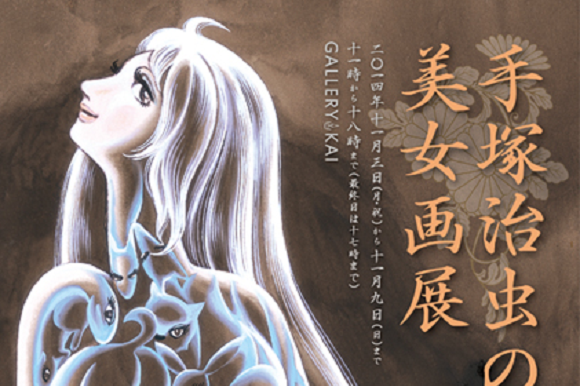
Back in the spring, we got an eyeful of a series of drawings from manga artist Osamu Tezuka, in which the multi-talented legend showed off his skill at drawing mice and snakes with sexy curves. Being the open-minded creator that he was, though, Tezuka didn’t limit his sensual sketching to rodents and reptiles, and next month fans will get to see what the God of Manga could do with the naked humans, at the Beautiful Women of Osamu Tezuka Exhibition being held in Tokyo.
Heads-up if you’re at work! Manga nipples coming after the jump!
Before the tragic day when the sushi restaurant in my neighborhood closed down, I went there often enough that a few of the guys behind the counter recognized me when I came in, and even remembered that I liked my tuna rolls heavy on the wasabi. A little bit of personal service always makes a meal more enjoyable, so while I’m sad my local place is gone, I’m happy for Twitter user Okappasama, who still has a kaitenzushi joint where she’s a regular.
Not only does the staff remember her favorite type of sushi, they recently whipped up something for her that you won’t ordinarily find on any menu: a special birthday sushi bear!
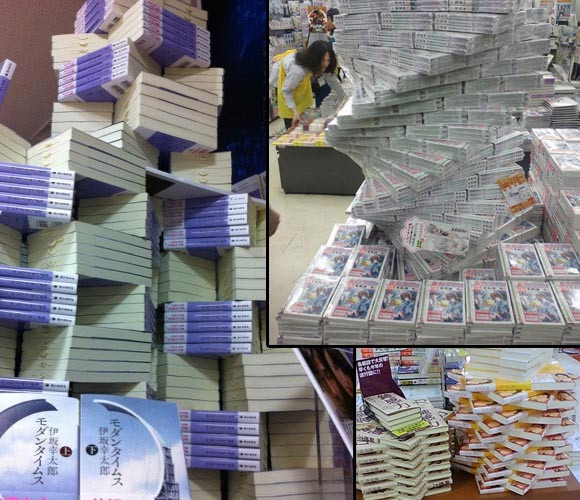
With bookstores in Japan overflowing with manga, novels and non-fiction, it takes a lot to stand out and get noticed. However, with the advent of the three styles of book stacking we’re going to show, it’s impossible for passersby not to stop and take a gander at these literary works.
With works like Domu and Akira to his name, screenwriter and manga-ka Katsuhiro Otomo is universally well-known and respected. He is, however, not exactly the most prolific artist in the world, often leaving fans waiting for years on end for his next project or collaboration.
So although we’re thrilled to announce his next work will in fact be completed by March of next year, you should know that it’s going to take a little traveling to get a good look at it. You see, the currently untitled Otomo public art piece will hang in all of its 24-square-meter (258 sq ft) glory in the lobby of the terminal building of Tohoku’s Sendai Airport.
Some of our readers may be aware of Pixiv, the popular Japanese online community that provides a forum for artists to share and receive feedback on their illustrated works. Well, we certainly think such a community is a meaningful use for the Internet, and now, we’re even more excited to hear that Pixiv will be putting on a real-life festival! It’s the “Pixiv Festival – where drawing is fuuuuuuuuun!!!!!!!!!!!!” scheduled to be held in Roppongi next month, and while the event is sure to provide plenty of opportunity for artistic action, it seems there’ll also be some very interesting food options available as well — yes, you’ll be able to sample dishes that have actually been recreated from illustrations shared on the site, so let’s take a closer look at some of the unique culinary creations that have been brought to life especially for the festival!
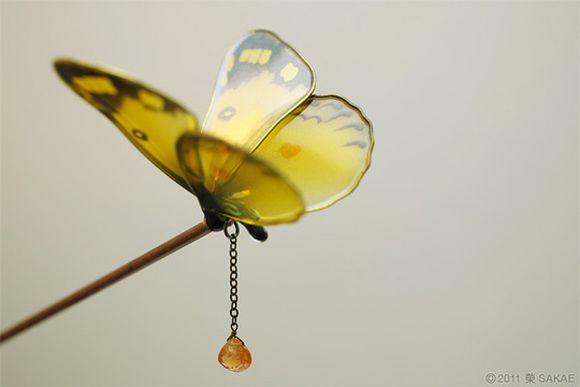
The traditional Japanese kanzashi hairpin is usually an elaborate affair meant to be worn in the hair when donning a kimono or yukata. Intricately detailed and beautiful, they’re like Japan’s answer to the corsage. But these particular kanzashi may just be too beautiful to ever wear at all on account of directing all the attention away from your kimono.
Sakae, a kanzashispecialty manufacturer, makes each kanzashi by hand from colored glass that’s been melted down and coated in resin to prevent breakage – and lord knows you wouldn’t want one of these shattering into a thousand pieces in your hair.
The use of vocaloids, artificial singers programmed on a computer, has created its own niche in online art. Thousands share their individually crafted songs using one of the dozens of synthetic voices available posting them to sites such as Niconico for the fun and entertainment of all.
This time, however, artificial performers of the present will be merged with artificial performers of the past in Vocaloid Opera AOI with Bunraku Puppets. I love it when a name perfectly explains what something is so I don’t have to, so let’s get right to looking at trailer for this human-free opera.
When you think about the media that artists can work in, ink, paint, stone, metal, wood, and glass all spring readily to mind. We could take an even broader view and include things such as film, sound, and even light. But even then, we’d still be overlooking the creations of Keisuke Umeda, who brings to life scenes of beautiful nature, disturbing juxtaposition, and offbeat humor through the medium of boxed bento lunches.
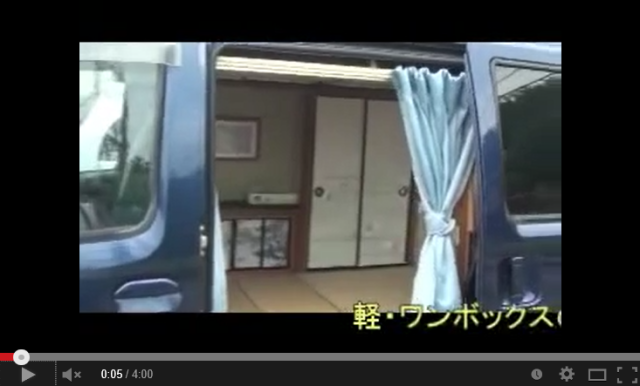
There are two paradigms you can aim for in designing a car. One is a great vehicle, accelerating, turning, and braking with speed and precision. The other is a great living or hotel room, with stylish interior appointments and spacious seating.
The owner of this van is obviously in the second camp, and has modified his ride so that it doesn’t look anything like a car on the inside, but rather a Japanese inn on wheels.


 Injuries on stairs in Tokyo highlight an overlooked design flaw
 Japan’s popular bead bonsai kit is as beautiful as it is gruelling to make
 Wisteria season starts early with blooming of Japan’s Great Wisteria in its beautiful garden
 Japan’s best conveyor belt sushi restaurant of seven years ago has now, finally, come to Tokyo
 Japan has new rules for bicycle riders, and these 14 things could get you a fine or a court date
 Haunted hospital near Mt Fuji re-opens after renovation at Fuji-Q Highland, and it’s terrifying
 The results are in! One Piece World Top 100 characters chosen in global poll
 Fried sandwiches arrive in Tokyo, become hot topic on social media
 Moon Prism Power ineffective against coronavirus as Tokyo permanent Sailor Moon restaurant closes
 Japanese Godzilla looks set to attack New York in teaser for Godzilla Minus Zero[Video]
 Mt. Fuji decorated with a 500,000-flower pink carpet is Japan’s ultimate spring view
 Lawson convenience store at popular tourist site is one of the most unusual in Japan
 Japanese trains in Sapporo might be better than those in Tokyo, thanks to one special feature
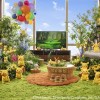 30 Pikachus want to share a Tokyo hotel room with you that has separate Grass, Water, Fire spaces
 Japanese government wants overseas anime market to roughly triple in 10 years, but are they crazy?
 Japan reportedly adding Japanese language skill requirement to most common foreigner work visa
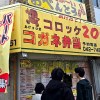 Japanese bento shop sells croquettes for 13 cents, but are they any good?
 Starbucks Japan releases FIVE new Frappuccinos in a day, and we try them all in 90 minutes
 Pokémon and Ikea Japan cross over into each other’s worlds with collaboration events
 Japan now has a special desk for people who work at home with a pet cat[Photos]
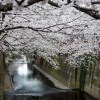 Famous Tokyo cherry blossom spot installs view-blocking screens to fight overcrowding[Video]
 Uniqlo announces new T-shirts for One Piece, Naruto and more for manga publisher’s 100th birthday
 Starbucks Japan releases new My Fruit³ Frappuccino at only 34 stores around the country
 Krispy Kreme releases Super Mario doughnuts in Japan for a limited time
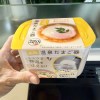 Japanese onsen egg maker from 100-yen store Daiso needs to be on your shopping list
 Survey asks foreign tourists what bothered them in Japan, more than half gave same answer
 Japan’s human washing machines will go on sale to general public, demos to be held in Tokyo
 Starbucks Japan releases new drinkware and goods for Valentine’s Day
 We deeply regret going into this tunnel on our walk in the mountains of Japan
 Starbucks Japan releases new sakura goods and drinkware for cherry blossom season 2026
 Studio Ghibli releases Kodama forest spirits from Princess Mononoke to light up your home
 Japan’s newest Shinkansen has no seats…or passengers [Video]
 Major Japanese hotel chain says reservations via overseas booking sites may not be valid
 Put sesame oil in your coffee? Japanese maker says it’s the best way to start your day【Taste test】
 No more using real katana for tourism activities, Japan’s National Police Agency says
 Haunted hospital near Mt Fuji re-opens after renovation at Fuji-Q Highland, and it’s terrifying
 The results are in! One Piece World Top 100 characters chosen in global poll
 Fried sandwiches arrive in Tokyo, become hot topic on social media
 Moon Prism Power ineffective against coronavirus as Tokyo permanent Sailor Moon restaurant closes
 Japanese Godzilla looks set to attack New York in teaser for Godzilla Minus Zero[Video]
 Manga/anime creator Kenya Suzuki arrested for importing child pornography from Europe
 Tokyo Station staff share their top 10 favorite ekiben
 Studio Ghibli releases the My Neighbour Totoro tea caddy, with a magical self-closing lid
 Starbucks teams up with the oldest of Japan’s Six Ancient Kilns to create a Bizen ware coffee mug
 Final Fantasy invites you to adventure in Fukushima with Fukushima Fantasy Chocobo fun[Video]
 We try 7-Eleven’s newly recreated Pork Ramen and are blown away by its level of perfection
 Japanese bento shop sells croquettes for 13 cents, but are they any good?
 Secret stairs at Tokyo Station dungeon come with a serious warning