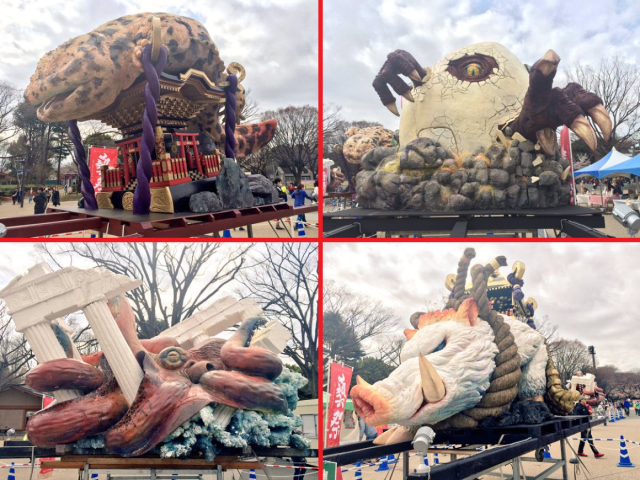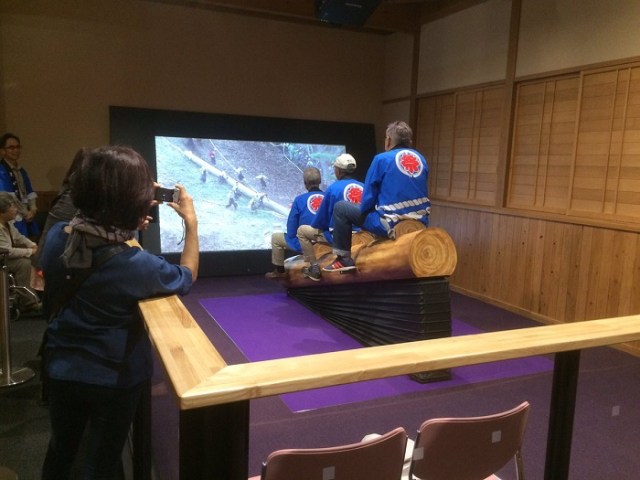
It’s known as one of the nation’s top three most bizarre festivals and has resulted in deaths when it’s held every six years, but now you can experience the ride first-hand at any time of year!
Bringing you yesterday's news from Japan and Asia, today.
festivals (Page 5)
It’s known as one of the nation’s top three most bizarre festivals and has resulted in deaths when it’s held every six years, but now you can experience the ride first-hand at any time of year!
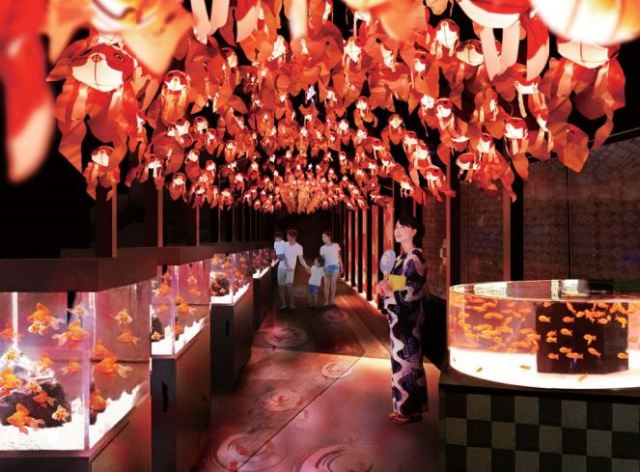
With lanterns, cocktails and one thousand unusual goldfish, this is the coolest place to hang out in your yukata this summer.
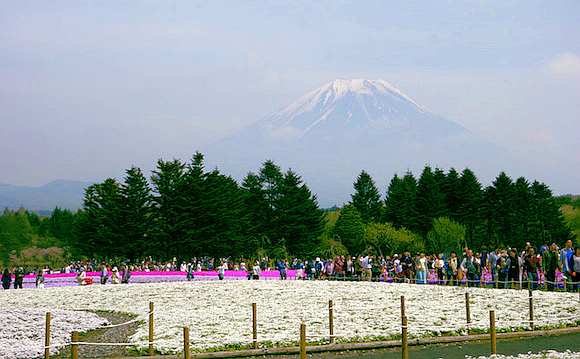
With its stunning scenery and fragrant beauty, this is one spring festival you don’t want to miss!

“The 100 what??” That was our initial reaction too, but the official list is just what it sounds like!
Tradition and community are great, but there’s one more thing this Nagano celebration gets a boost from.
Cloudy skies can’t keep these symbols of fertility down! Note: This post may not be safe for your workplace.
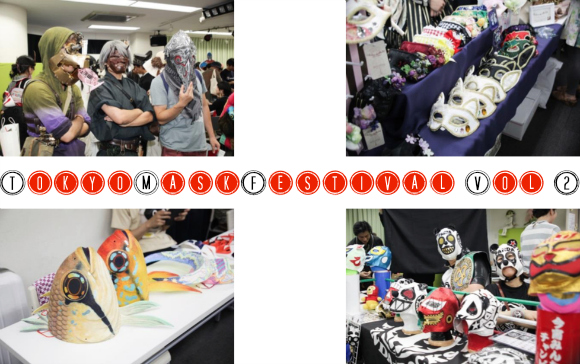
Author Victor Hugo once said, “Virtue has a veil, vice a mask,” but what if Japanese, contemporary, and fetish masks are your vice? You’ll want to check out Tokyo Mask Festival Vol. 2!
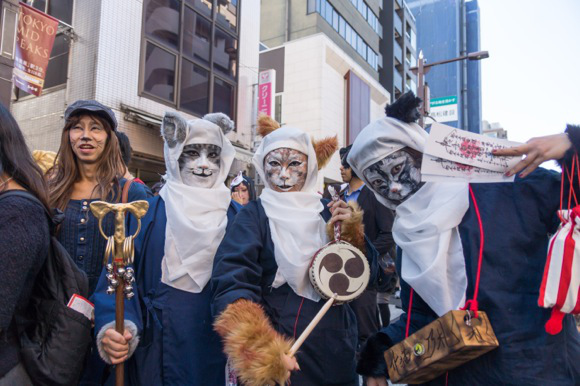
The bakeneko (“monstrous cat”) is but one of the many, many yokai of Japanese folklore. For centuries, Japanese people suspected that cats held mystical powers – due, it appears, both to cats’ aloof behavior and to the animals’ yokai-like physical features, such as their slit eyes and ability to move around silently. Even today, some elderly Japanese folks still harbor superstitions about cats.
One ability of the bakeneko, legend has it, is the ability to walk around on two legs (which we’ve actually seen demonstrated in real-life), which makes the yokai a fairly easy choice for cosplay. In fact, there’s a whole festival dedicated to bakeneko celebration and cosplay! And, before you ask, yes, of course we’re going to it.

There are many different reasons to visit Japan, but something that should be on everyone’s bucket list are the matsuri, or festivals. Summer is a big time for festivals, especially in August when the Obon festival is held, during which many people travel back to their hometowns in order to honor their family and ancestors. With so many families together in their hometowns, it is the perfect time for a matsuri full of songs, dancing, and long-standing traditions.
One of the biggest Obon celebrtions in all of Japan is the Awa Odori festival in Tokushima Prefecture, which over a million people attend each year. The dancers who are dressed in their traditional clothing and musicians that pound out the beat in tune with your heart are truly a sight to behold, but if you can’t experience the traditional festival in Japan, why not try to bring it to your country as one French journalist did?
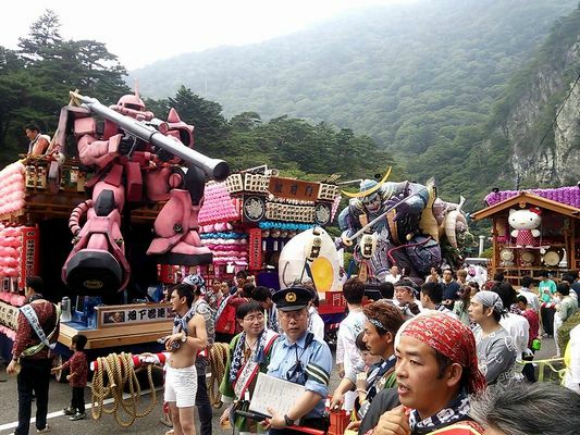
Another festival season and summer is coming to an end. The dragonflies are out and the days are getting shorter, which means fall will soon be upon us.
But before the fireworks fizzle away and the festival food stalls have packed up for good this year, one area in Japan decided to go out with a bang and surprise festival-goers with superb portable shrine, or mikoshi, recreations of some of Japan’s most popular characters, including one famous red mobile suit from the anime classic Gundam.
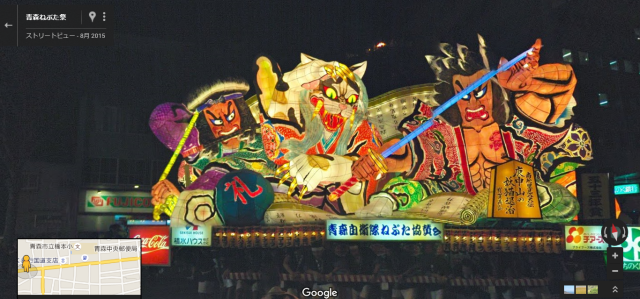
Just about every community in Japan puts on a local festival in the summer, but few are as spectacular as Aomori City’s Nebuta Matsuri. For almost a solid week, gigantic floats topped by lanterns shaped like samurai and dragons are paraded through the streets, accompanied by dancers and musicians.
But while Aomori is one of the largest cities in the largely rural Tohoku region of Japan, its relatively remote location in the northeastern corner of the country’s main island of Honshu means not everyone can make it out to see the festivities in-person. As long as you’ve got an Internet connection, though, you can get a taste of the fun with Google’s awesome Nebuta Matsuri Street View that lets you see the amazing floats even closer-up than spectators standing on the sidewalks the towering works of art are carried by.
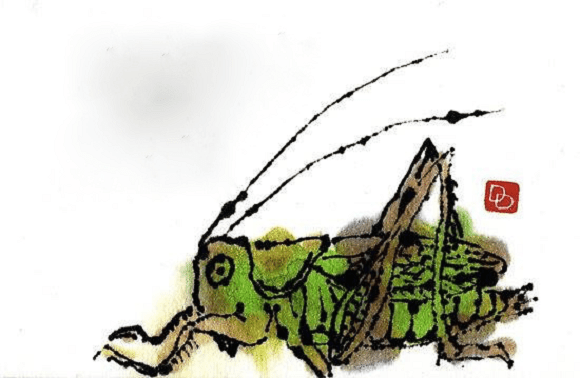
There’s no need to use toxic substances to kill off unwanted insects in Japan, because there’s a much more eco-friendly method they’ve been using for hundreds of years. Although it may not be scientifically proven, many people feel this is still the best way to get rid of everything from garden aphids to mosquitoes. And if the method has endured for centuries, it must be at least somewhat effective right?
This uniquely Japanese insect repellent is far cheaper than commercial insecticides, easier to implement, and you only have to use it once a year in spring or early summer. And the best part? It involves Japanese sake!
What’s the secret? We’ll let you know after the jump.
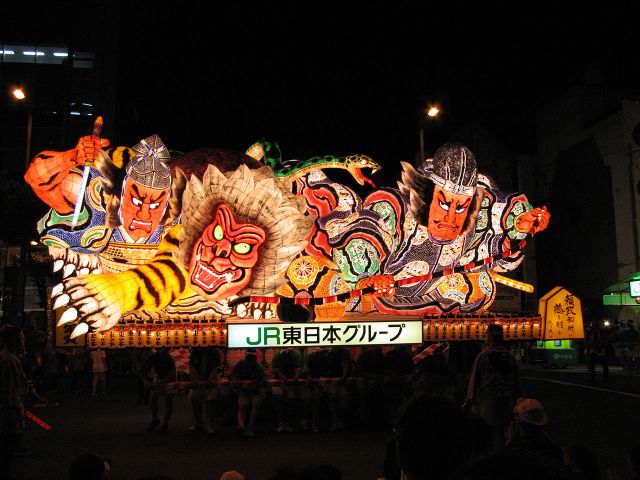
Aomori Prefecture’s legendary Nebuta Festival – which takes place in early August every year – has always been one of those big festivals on my Japan bucket list.
Even though the festival is one of the prestigious few festivals to receive the staggeringly long designation of Important Intangible Folk Cultural Property of Japan, we’re willing to bet the festival is largely overlooked by Western visitors. This is, probably, largely due to Aomori’s fairly remote location; it’s a real pain to get to from Tokyo, Osaka or any of the other major cities outside of Sapporo.
But then, what if that wasn’t the biggest reason foreigners aren’t totally aware of this great festival? What if the real reason was the festival’s lack of Star Wars characters?
Luckily, whether or not that’s the real case, that sore lack of Star Wars characters at the Aomori Nebuta Festival is going to change this year.
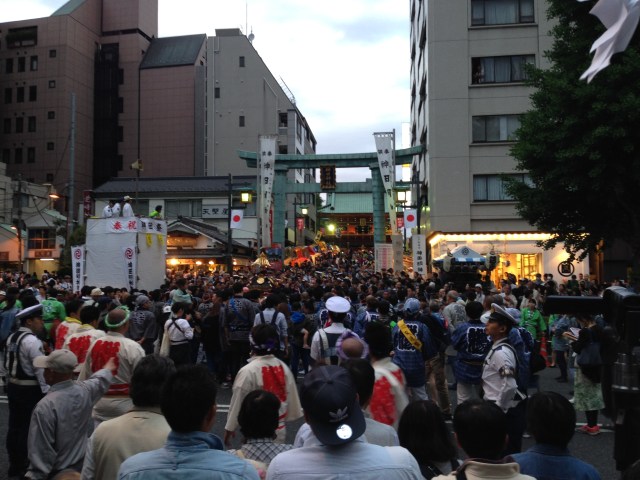
Even in a city as packed with people as Tokyo, some places, and times, are more crowded than others. So when and where can you find the largest, densest mass of humanity? Some would say the Yamanote loop line during the morning rush hour. Others would vote for Shibuya’s scramble crosswalk intersection on a Saturday night.
But before you go awarding the crown to either of those two candidates, take a look at the massive crowds that came out for the Kanda Matsuri festival last weekend.
When entering the grounds of a Shinto shrine in Japan, it’s customary to first stop by the water basin near the gate and rinse your hands, and sometimes your mouth, in order to cleanse them. Water isn’t the only classical element held to have purifying properties in Shintoism, though, since the same can be said about fire.
Obviously, worshippers aren’t called upon to put fire on their palms or inside their mouths. Instead, Shinto priests light pyres of charms and decorations during the Dondo Yaki ceremony, with the towering blazes regularly reaching 15 meters (49.2 feet) into the air.
I don’t think I’ve ever met anyone who moved to Japan and stayed for exactly two years. Most of the study and work opportunities that initially bring people here are 12-month programs, and while plenty of people decide that’s enough Japan for them, most people who manage to adapt and thrive during that first year reup for an even longer stay.
One such example is Canadian Thomas Simmons, who’s now been in Japan for four and a half years and counting. Given the country’s relatively small geographic size, you might think that’s enough time to see everything, but as the powerful video Simmons created about his experiences so far shows, he’s just getting started with his life in Japan.
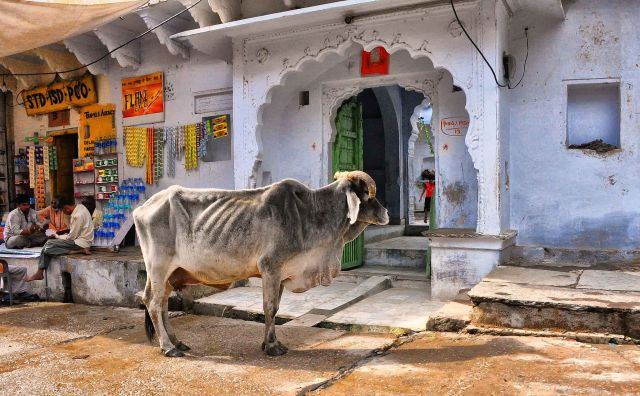
You’ve heard about India’s sacred cow, the Mother of Civilization, a gift from God that has become a part of Indian iconography, religion and culture. The cow protection movement began in 1882, and ended the slaughter of the animals in what was then British India. The cow is revered because it is unique in that it offers five products to humans — milk, curds, ghee butter, urine and dung — all of which are useful to everyday life in India. In addition, the beast of burden has traditionally been used to help plow the fields and pull carts for transportation. If you’re one of those people who likes to dress up your dog, or cat, or buy them their own kotatsu, then we can only imagine what you’d do for a pet cow if you had one! You’ll have no problem understanding the high regard Indians place on the gentle bovines.
Because we at RocketNews24 love all animals, cows included (although some of us delight in their taste while others of us would rather give cow cuddles), we can totally understand the pampering, dressing up, and general all-round generosity the Indians heap upon their beloved cows. We just hope cats don’t catch on to any of this.
Just how far will Indians go to pamper their bovine friends? Glad you asked! Our bovine journalist is about to reveal some fascinating facts about cows in India.
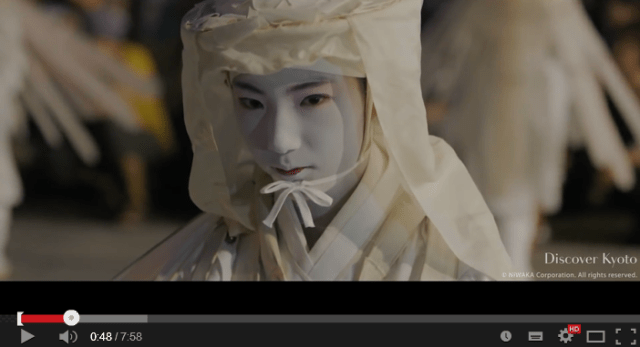
Many neighborhoods in Japan have festivals during the summer, often centered around the local shrine. They generally include processions, musical performances, and Shinto rituals, with the festivities lasting a day, or maybe two if they stretch throughout the weekend.
Kyoto’s Gion district, though, does things on a grander scale. The Gion Matsuri (Gion Festival) starts on July 1 and runs for the entire month, with some sort of event happening almost every day. And while most non-residents can’t clear out enough of their schedule to sped a few solid weeks in Japan’s former capital, this beautiful video gives the highlights of the event.

A little over a year ago, one of my good friends in Tokyo got a job teaching philosophy at a university in Kagoshima, the prefecture at the southernmost tip of the island of Kyushu. Being that he’s now a seven-hour series of train rides, or a two-and-a-half-hour flight, away, we don’t get together so often anymore, but on the plus side, now I have a reason to take a trip to Kagoshima.
Well, actually, I’ve got about a dozen reasons to take a trip there, if you add in all of the nature trails, hot springs, scenic coastline, and more shown in this video of some of Kagoshima’s most achingly beautiful travel destinations.
 Uniqlo announces new T-shirts for One Piece, Naruto and more for manga publisher’s 100th birthday
 Japanese kindness restores our faith in humanity after a highway bus accident in Tokyo
 Krispy Kreme releases Super Mario doughnuts in Japan for a limited time
 Japan’s ministry of economy reminds us to “use sound judgment” before buying toilet paper
 Ghibli Museum building becomes a cuddly cushion
 7-Eleven Japan releases a crazy new viral sandwich: Chocolate Sprinkles and Whipped Cream
 How many doughnuts can you pack in a Mister Donut all-you-can-pack deal?
 Awesome Ghibli Howl’s Moving Castle figure is also a puzzle and an organizer[Photos]
 Kyoto’s newest Shinkansen souvenir: Canned cakes filled with matcha and cherry blossoms
 What happens when you use a facial massage roller for two weeks straight?
 Starbucks Japan releases new My Fruit³ Frappuccino at only 34 stores around the country
 Tokyo government organizes food truck event to clear out delinquent/homeless teen gathering area7-Eleven Japan releases a crazy new viral sandwich: Chocolate Sprinkles and Whipped Cream
 Nine amazing off-the-beaten-path cherry blossom spots in Japan for yaezakura and shidarezakura
 Japan now has a “for foreign tourists only” Mt. Fuji sightseeing train[Video]
 Stunning central Japan wisteria festival is like a purple fantasy straight out of a Ghibli movie
 Studio Ghibli releases the My Neighbour Totoro tea caddy, with a magical self-closing lid
 Japanese onsen egg maker from 100-yen store Daiso needs to be on your shopping list
 Create a tiny Ghibli anime world on your bookshelf with new miniature papercraft art kitsKrispy Kreme releases Super Mario doughnuts in Japan for a limited time
 Starbucks Japan unveils new sakura cherry blossom collection for hanami season 2026
 Train station platform ramen store closes its doors on half a century of history in Tokyo
 Studio Ghibli releases Catbus pullback keychain that runs like the anime characterStarbucks Japan releases new My Fruit³ Frappuccino at only 34 stores around the countryJapanese onsen egg maker from 100-yen store Daiso needs to be on your shopping list
 Nine great places to see spring flowers in Japan, as chosen by travelers (with almost no sakura)
 Starbucks Japan releases first-ever Hinamatsuri Girls’ Day Frappuccino
 Cherry blossoms begin blooming in Japan with record-early starts for sakura season
 Studio Ghibli adds new Mother’s Day gift sets to its anime collection in Japan
 Virtual idol Hatsune Miku redesigned with look that adds new elements and brings back old ones
 Survey asks foreign tourists what bothered them in Japan, more than half gave same answer
 Japan’s human washing machines will go on sale to general public, demos to be held in Tokyo
 Starbucks Japan releases new drinkware and goods for Valentine’s Day
 We deeply regret going into this tunnel on our walk in the mountains of Japan
 Studio Ghibli releases Kodama forest spirits from Princess Mononoke to light up your home
 Starbucks Japan releases new sakura goods and drinkware for cherry blossom season 2026
 Japan’s newest Shinkansen has no seats…or passengers [Video]
 Major Japanese hotel chain says reservations via overseas booking sites may not be valid
 Put sesame oil in your coffee? Japanese maker says it’s the best way to start your day【Taste test】
 No more using real katana for tourism activities, Japan’s National Police Agency says
 7-Eleven Japan releases a crazy new viral sandwich: Chocolate Sprinkles and Whipped Cream
 How many doughnuts can you pack in a Mister Donut all-you-can-pack deal?
 Awesome Ghibli Howl’s Moving Castle figure is also a puzzle and an organizer[Photos]
 Kyoto’s newest Shinkansen souvenir: Canned cakes filled with matcha and cherry blossoms
 What happens when you use a facial massage roller for two weeks straight?
 Why appetizers are giving tourists and restaurant owners in Japan a headache
 The Hayao Miyazaki anime we never got – New art book reveals Ghibli legend’s unrealized concepts
 In the name of the moon, Sailor Moon feminine pads will absorb your menstrual flow!
 Starbucks Japan releases new My Fruit³ Frappuccino at only 34 stores around the country
 Daiso has giant new branch in middle of Tokyo’s Shinjuku neighborhood (and another beneath it)
 Japan now has a “for foreign tourists only” Mt. Fuji sightseeing train[Video]
 Want to wear a student uniform to Tokyo Disneyland? Uniform rental shop opens just outside park