After spending a year in college studying in Tokyo, I moved back to Los Angeles for about two years before coming back to Japan for work. Having always prided myself on my familiarity with Japanese slang (partly to distract myself from my terrible penmanship when writing kanji characters), I was surprised to find out how many new terms had sprung up in just the 22 months I’d been away.
At the same time, it turned out that a few of the vocabulary words I’d picked up while studying abroad had since passed their expiration dates and become obsolete. This wasn’t a one-time transition, either, as language is constantly evolving, and today we bring you a list of eight words that’ll at best make you sound like a senior citizen, and at worst simply won’t be understood by anyone under the age of 25.




 Ichiraku Ramen-inspired ramen sets from Naruto anime pay homage to Naruto, Sasuke, and Sakura
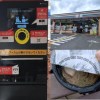 7-Eleven Japan now has ramen machines…but only at 41 stores
 “They’ve got be kidding me.” – Mayor in Japan fed up with off-season Mt. Fuji hikers needing rescue
 Tinder just opened a convenience store in Japan, aimed at adults only
 “Disaster”: 2018 Kanji of the Year unveiled by Buddhist monk at Kiyomizudera temple in Kyoto
 Man tells Nintendo HQ “I’m going to blow you all the hell up,” gets arrested by Kyoto cops
 Secret staff cafeteria in Tokyo is a hidden gem you won’t find in travel guides
 Starbucks Japan adds a new Frappuccino and Milk to the menu, but are they worth the calories?
 New bounty system starts in Japan, rewards reports of illegal employment of foreigners
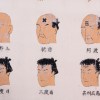 Criminals of Japan’s Edo Period Were Often Punished by Getting Face Tattoos
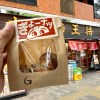 Japan now has gyoza doughnuts, and they taste like no other doughnut we’ve tried before
 Starbucks Japan releases two new “chunky” drinks… and matching gel designs for our nails
 Mt. Fuji hot spring inn gets even more beautiful after dark with Firefly Festival
 Does one of Japan’s favorite chocolate brands work with the Pringles chocolate hack?
 Japanese criminals are now using crabs to hunt for burglary targets
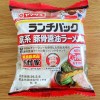 Japan releases new ramen sandwiches… that don’t taste like ramen
 Japan enters Golden Week vacation period, survey shows one in three plan to ride it out at home
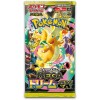 Japanese Pokémon card shop grabs scissors as part of its plan to keep scalpers away
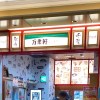 This train station bento boxed lunch shop has been in business for nearly 100 years
 The average age of Japan’s hikikomori shut-ins is getting older, survey shows
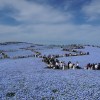 Japan’s 5.3 million beautiful Hitachi Nemophila flowers are now in full bloom[Photos]
 Wisteria season starts early with blooming of Japan’s Great Wisteria in its beautiful garden
 New Kyoto Converse sneakers celebrate Japan with traditional kimono fabrics for your feet
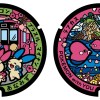 Brand-new Pokémon manhole covers coming to help the recovery of a disaster-stricken part of Japan
 Japan’s awesomely beautiful Alpen Route snow corridor is now open
 Japan’s best conveyor belt sushi restaurant of seven years ago has now, finally, come to Tokyo
 Japan’s new Pokémon jackets give you the look and powers of the Kanto starter trio
 Injuries on stairs in Tokyo highlight an overlooked design flaw
 Japan’s human washing machines will go on sale to general public, demos to be held in Tokyo
 Starbucks Japan releases new drinkware and goods for Valentine’s Day
 We deeply regret going into this tunnel on our walk in the mountains of Japan
 Starbucks Japan releases new sakura goods and drinkware for cherry blossom season 2026
 Japan’s newest Shinkansen has no seats…or passengers [Video]
 Major Japanese hotel chain says reservations via overseas booking sites may not be valid
 Put sesame oil in your coffee? Japanese maker says it’s the best way to start your day【Taste test】
 No more using real katana for tourism activities, Japan’s National Police Agency says
 Japan reportedly adding Japanese language skill requirement to most common foreigner work visa
 Man tells Nintendo HQ “I’m going to blow you all the hell up,” gets arrested by Kyoto cops
 Secret staff cafeteria in Tokyo is a hidden gem you won’t find in travel guides
 Starbucks Japan adds a new Frappuccino and Milk to the menu, but are they worth the calories?
 New bounty system starts in Japan, rewards reports of illegal employment of foreigners
 Criminals of Japan’s Edo Period Were Often Punished by Getting Face Tattoos
 Starbucks Japan releases two new “chunky” drinks… and matching gel designs for our nails
 “Hey, Japanese taxi driver, take us to the best seafood restaurant in Noboribetsu!”
 Huge display of drones and fireworks together coming to Osaka this June
 Don’t miss the Tokyo Tower City Light Fantasia ~Summer Landscape 2026~ event during your travels
 War in Iran causing dark development for potato chip packages in Japan
 Japan now has gyoza doughnuts, and they taste like no other doughnut we’ve tried before
 Japan releases new ramen sandwiches… that don’t taste like ramen
 Pokémon retro black-and-white Game Boy art T-shirts are on the way from Uniqlo[Photos]
 Mt. Fuji hot spring inn gets even more beautiful after dark with Firefly Festival