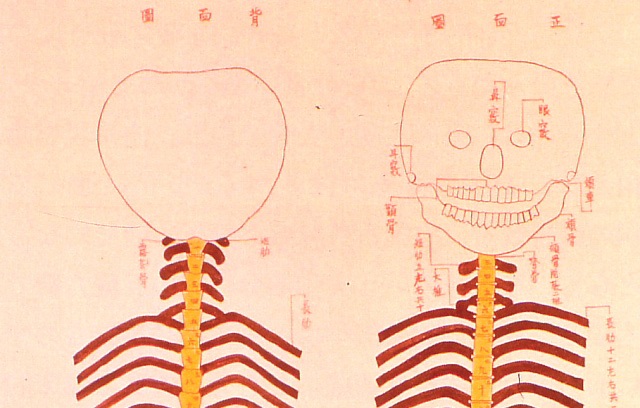
The Edo Period was a time of great change for Japan, in just about every way possible. Perhaps one of the areas of biggest change, though, was science and medicine, thanks to the numerous scholars who spent years learning not only from Western sources but also from their own work.
One of the pioneers of medicine in the Edo Period was Toshuku Neguro, an ophthalmologist who sketched the first Japanese diagram of the human skeleton. While it was likely a fairly gruesome job, Neguro’s sketches are somehow almost…cute?!






 Pokémon and Ikea Japan cross over into each other’s worlds with collaboration events
 Tokyo teahouse serves up a sakura matcha dessert you won’t find anywhere else
 Pokémon Centers across Japan cancel April events after stabbing in Tokyo
 Fading Tokyo – Searching for signs of the Showa era as local neighborhoods evolve[Photos]
 Tokyo turns its phone booths into free Wi-Fi hotspots, and here’s how to use them
 Hayao Miyazaki gifts autographed Ghibli anime cel to president of France[Photo]
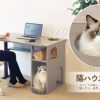 Japan now has a special desk for people who work at home with a pet cat[Photos]
 Totoro Fund line of beautiful artwork and apparel lets you help the real-world Totoro Forest
 Fast food sukiyaki: One of the greatest things about autumn/winter in Japan!
 Japan has seven lucky taxis in Tokyo, and we just boarded one of them
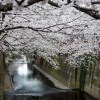 Famous Tokyo cherry blossom spot installs view-blocking screens to fight overcrowding[Video]
 Uniqlo announces new T-shirts for One Piece, Naruto and more for manga publisher’s 100th birthday
 Tokyo’s best museum for foreign travelers finally reopens after being closed for four years
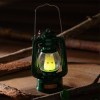 Totoro and Calcifer become little light-up lanterns for Ghibli-style excursions or at-home decor
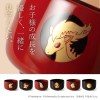 Pokémon lacquerware series expands for Year of the Horse with new handcrafted design[Video]
 Krispy Kreme releases Super Mario doughnuts in Japan for a limited time
 Picturesque Tokyo park plays host to millions of flowers and soap bubbles this spring
 Tokyo subway and almost all Tokyo train lines now accepting credit card tap payments
 Final Fantasy invites you to adventure in Fukushima with Fukushima Fantasy Chocobo fun[Video]
 Starbucks Japan unveils new sakura cherry blossom collection for hanami season 2026
 Train station platform ramen store closes its doors on half a century of history in Tokyo
 Starbucks Japan releases new My Fruit³ Frappuccino at only 34 stores around the country
 Studio Ghibli releases Catbus pullback keychain that runs like the anime character
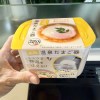 Japanese onsen egg maker from 100-yen store Daiso needs to be on your shopping list
 Nine great places to see spring flowers in Japan, as chosen by travelers (with almost no sakura)
 Survey asks foreign tourists what bothered them in Japan, more than half gave same answer
 Japan’s human washing machines will go on sale to general public, demos to be held in Tokyo
 Starbucks Japan releases new drinkware and goods for Valentine’s Day
 We deeply regret going into this tunnel on our walk in the mountains of Japan
 Studio Ghibli releases Kodama forest spirits from Princess Mononoke to light up your home
 Starbucks Japan releases new sakura goods and drinkware for cherry blossom season 2026
 Japan’s newest Shinkansen has no seats…or passengers [Video]
 Major Japanese hotel chain says reservations via overseas booking sites may not be valid
 Put sesame oil in your coffee? Japanese maker says it’s the best way to start your day【Taste test】
 No more using real katana for tourism activities, Japan’s National Police Agency says
 Hayao Miyazaki gifts autographed Ghibli anime cel to president of France[Photo]
 Japan now has a special desk for people who work at home with a pet cat[Photos]
 Totoro Fund line of beautiful artwork and apparel lets you help the real-world Totoro Forest
 Fast food sukiyaki: One of the greatest things about autumn/winter in Japan!
 Japan has seven lucky taxis in Tokyo, and we just boarded one of them
 What’s the best Rumiko Takahashi anime of all time? Fans decide, pick best characters too【Survey】
 Godzilla-shaped ice cream on sale in Tokyo near the sight his most adorable rampage
 This upcycled Kyoto train cafe is the ultimate kawaii spring experience
 Cosplay like a cool cat with an ultra-realistic, giant cat head from Japan!
 Float all of your troubles away with a boat ride down the Shimanto River in Kochi Prefecture
 Starbucks Japan unveils new sakura cherry blossom collection for hanami season 2026