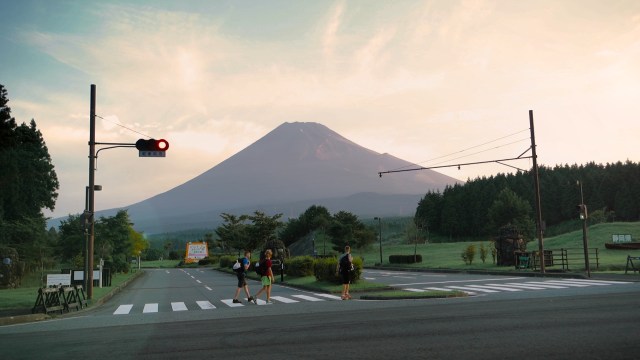
Tell someone you climbed Mt. Fuji, and they’ll ask “Where did you start from?”, because there are paved roads that can drop as much as half-way up the mountain. Of course some say you haven’t climbed Fuji unless you started from its base, but even that wasn’t enough of a challenge for these three foreign outdoorsmen, who decided to start their hike from miles away from Fuji at the seashore, then journey from Japan’s lowest point to its highest, making this awesome video along the way.
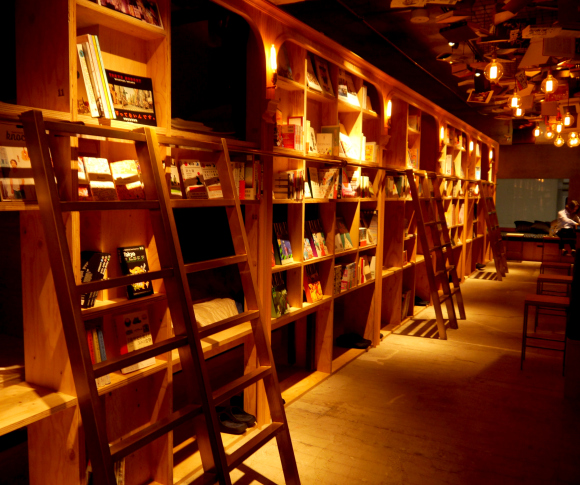
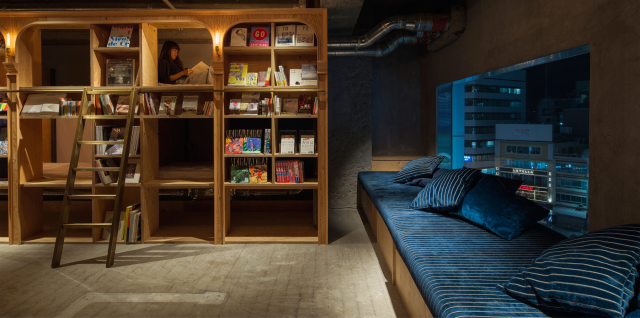
Ever since we heard about the opening of a bookstore-themed hotel with sleeping quarters built into its wooden bookshelves, we’ve been keeping a close eye out for updates, and were actually lucky enough to snap up a reservation to stay at the hotel on opening night!
After emerging from the beautiful space this morning, we can happily say it’s one of the most atmospheric places to stay in Tokyo. Actually, we wouldn’t mind shacking up here permanently! Come with us as we take you through all the gorgeous features and unusual details after the break.
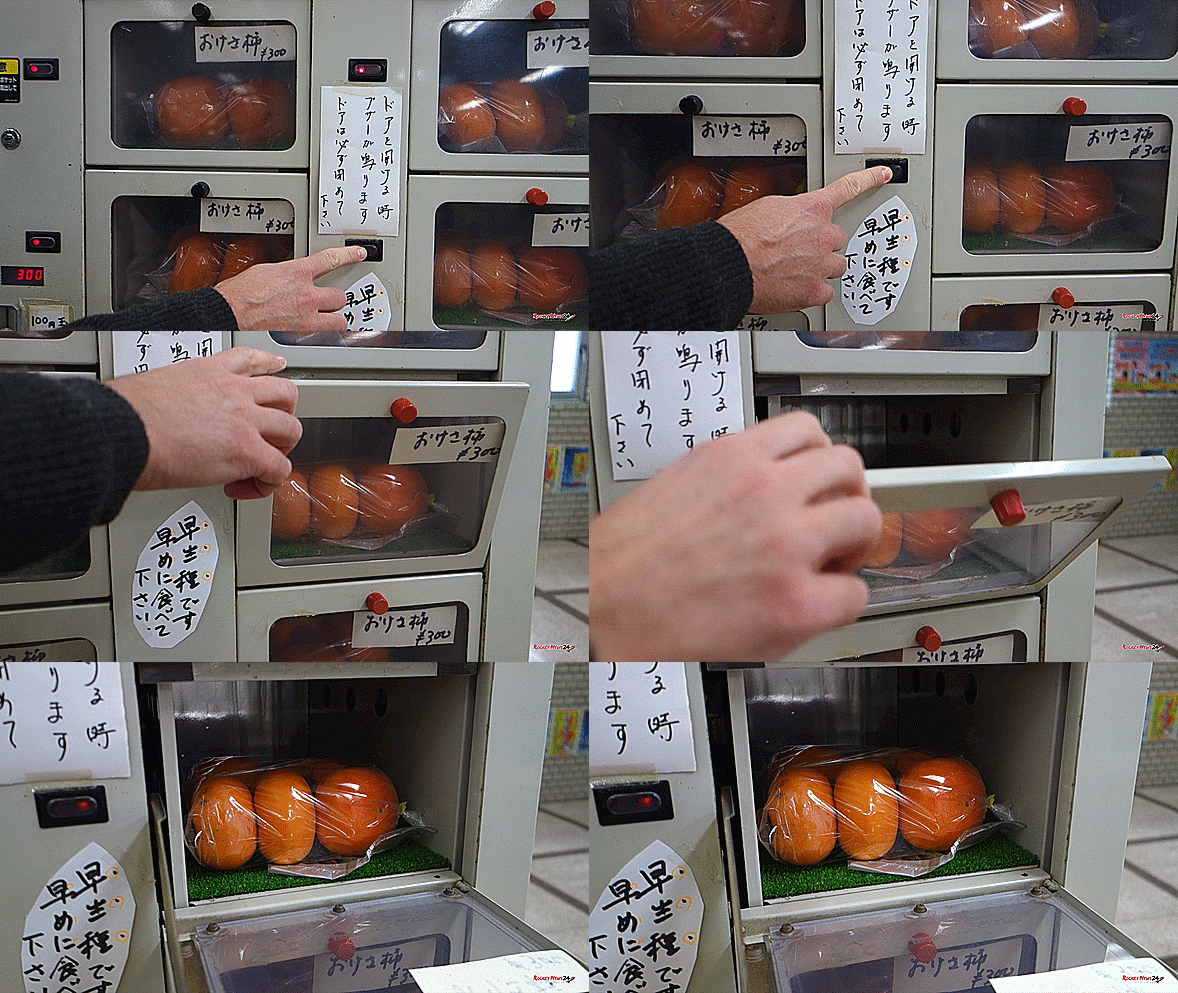
One of the many things we love about Japan is its impressive variety of vending machines. We’ve seen everything from orange juice that looks like soy sauce to cans of hot, clam-packed miso soup make its way to the hands of customers through the wonders of mechanised distribution.
Recently, we stumbled on a machine we’d never seen before, and one that’s unique even by Japanese standards. Meet the persimmon vending box that delights customers on Sado Island with a rare variety of fruit that’s only grown locally, away from mainland Japan.
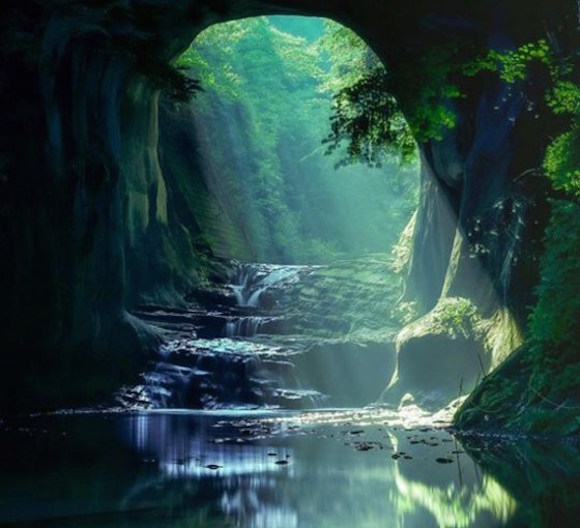
There are many well-known areas of beauty all around Japan, but sometimes you stumble upon something off the beaten path that simply takes your breath away.
That’s what happened to one person in Japan, who came across a waterfall in a tunnel of sunlight, filled with the same muted hues as a scene from a fantastical animated movie. Upon sharing the atmospheric photograph above on Instagram it received thousands of likes, with people all over the country eager to learn where the secret waterfall was hidden.
It might look like something from the foggy mists of a far-flung island many miles from Tokyo, but the beautiful scene is actually located just a short one-hour drive from the bustling metropolis. We decided to make our way there, and we’ve marked out the route so you can visit it too!
Though it may not seem like it, Japan is actually a fairly sizable country, with a lot of ground for sightseers to cover. It’s so big, in fact, we imagine it’d be difficult to a regular tourist to see all of it.
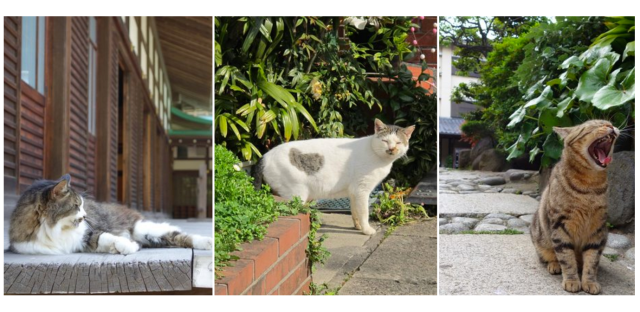
But what if you grew up in Japan and spent all your free time traveling around the country? Well, in that case, we bet you’d get to see a whole lot more of it, and for one Japanese Internet user, that exactly describes their life—but with one very cool addition. It turns out this anonymous traveler loves to take photos of cats at their various destinations.
Check out the awesome and adorable photo album below!
Aren’t the words “free entry,” “costs nothing,” and “0 yen” exciting to hear? I think we can all agree that there’s nothing better than a good deal, especially when that deal happens to be completely, 100% free.
While attractions marked as free may set warning bells ringing for some people, Japan has plenty of high-quality, worthwhile places to visit that are such a blast, you actually wouldn’t mind paying money for admission—except that they really do cost absolutely nothing to enter!
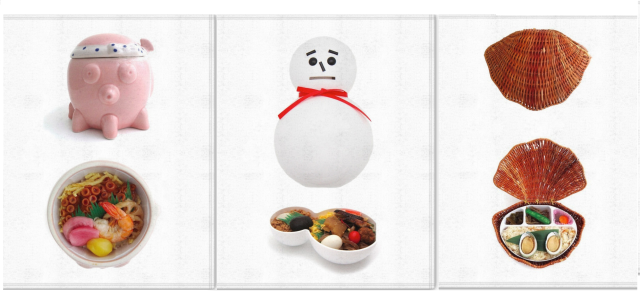
Japanese often say that a good view makes a meal taste better, so it goes without saying that a cute-looking lunchbox would also enhance the contents inside. From meals served inShinkansen-shaped containers or rabbit-faced boxes that can be reused as coin banks, to lunch boxes that play music or have collector’s items hidden inside, Japan’s ekiben take Japanese food to a whole new level.
Today we’d like to tell you about “Ekiben”, a little book by Aki Tomura which introduces the best and most unique train station lunch boxes in Japan. We’ve chosen just a few to highlight from this gorgeously photographed, pocket-size book. The word Ekiben is a combination of two Japanese words: eki (station) and bento (lunchbox), so make your next train trip a gourmet ride with these bento available at various JR stations—just waiting for you to buy, smile, and devour.
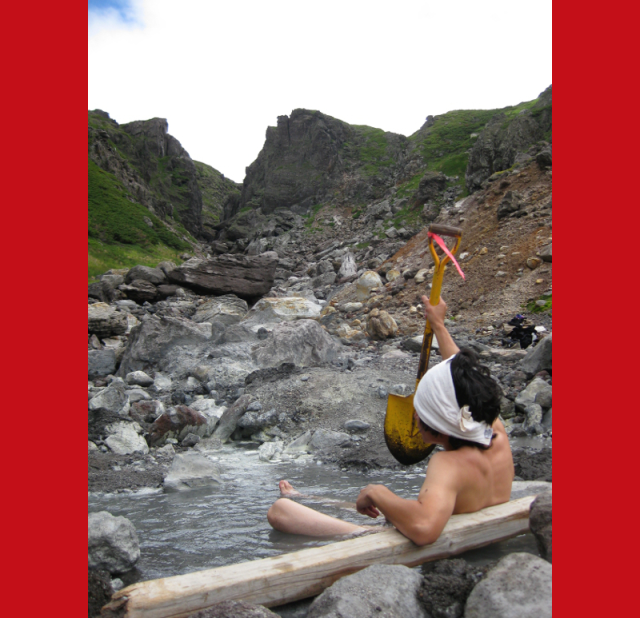
Two of the best ways to experience the pleasures of rural Japan are a long hike and a leisurely dip in a hot spring, or onsen, as they’re called in Japanese. With the country’s chains of volcanic mountains, there are plenty of spots where you where you can do both in the same day, with onsen resorts often not too far from where mountain trails start or end.
But instead of booking a room in an inn with a hot spring, you can do something even better in this part of Hokkaido by digging your own onsen!
Any proper itinerary for a trip across Japan should include stops in its three most famous Shinto shrines: Hiroshima’s Itsukushima Shrine, Kyoto’s Heian Shrine, and the Meiji Shrine in Tokyo. Those, however, are just the tip of Japan’s iceberg of breathtaking sacred Shinto spots.
Even if you’ve got no pressing interest in Japan’s indigenous religion, its shrines are often sites of breathtaking natural and architectural beauty, and here are four that, while off the beaten path, are not to be missed.
While Japan’s highest mountain itself is the primary attraction, it’s not the only thing to see in the Mt. Fuji area. There’s also the Fuji Five Lakes, which would be beautiful enough to warrant a visit even if they didn’t have the famed peak serving as a dramatic backdrop.
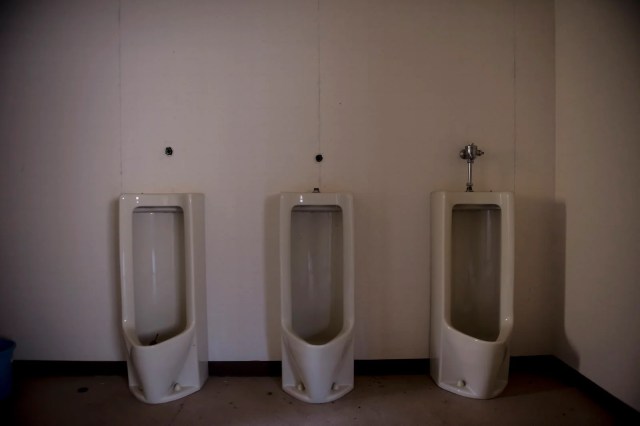
But while travelers are happy to see the mountain and lakes alike, one thing none of them look forward to is a puddle of piss on the men’s room floor of a local visitor’s center. That’s why one facility has signs asking visitors to mind their aim when using the urinals, but while the Japanese text is a politely worded reminder, the English version seems to be implying that the reader’s penis really isn’t so impressive.
Have you ever wondered what the most spectacular views in Japan are? Allow us to enlighten you!
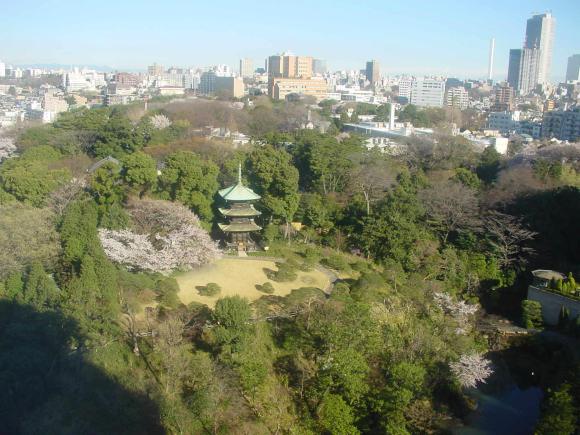
Recently, we told you about Japan’s top three night views according to the Night View Summit 2015. You may have also heard about Japan’s Three Scenic Spots, one of the many lists of the top three this or that in Japan. So, what’s the deal with all these lists? And who designates them? Find out while checking out some of the best scenery Japan has to offer.
Did you know that each of Japan’s 47 prefectures has a designated monster that represents their region? The larger-than-life beings were born from the “Gotouchi Kaiju” (“Local Monsters”) multimedia project helmed by Professor Hiroshi Sagae, who’s worked on a number of kaiju-centric films such as Godzilla Millenium, Ultraman Saga and Gamera the Brave.
Now there’s a special crowdfunding campaign that’s calling on the masses to support the plight of the monsters as they strive to protect nature and promote greenery in their towns. Patrons who contribute to their favourite beast will be rewarded with cards, T-shirts or even a 3-D kaiju figurine but best of all, the funds raised for each prefecture will go towards supporting environmental projects in the region.
Every country has its own culture and unique customs that come with it. Understanding the social etiquette of the country before visiting can help to make the experience less overwhelming.
In China, you might be surprised to find that burping is considered a way of complimenting the chef or that a gift will be refused several times before it is accepted.
Here are 13 customs to know before traveling to China.
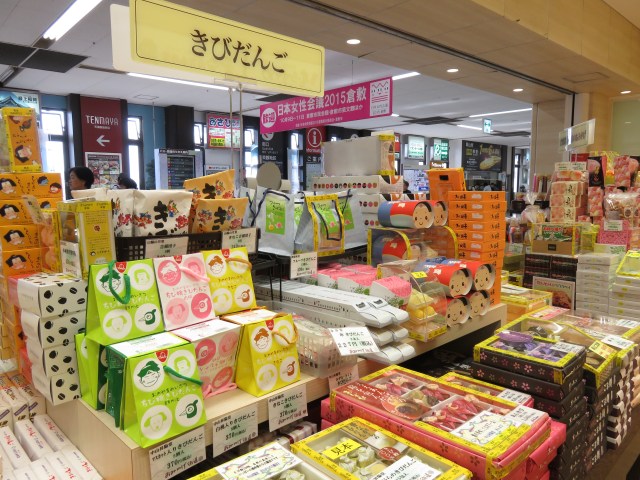
Believe it or not, train stations are one of the best places to buy gifts in Japan. Train station omiyage (gifts brought back from your travels) are usually edible, representative of the local culture, and are well-received by everyone from colleagues at work to friends or neighbors.
Whereas in the west we tend to keep a person’s personality and their likes in mind when buying a gift, thankfully in Japan, it’s much easier—just buy what’s most popular! In convenient Japan, you’ll find most of the decisions already made for you, so all you have to do is decide how many pre-giftwrapped boxes you want of each item, and you’ll soon be on your way. You can even wait until you’re on the train to buy them from the vendor pushing their cart up and down the aisles on the Shinkansen.
While initially the array of train station omiyage may seem baffling (hundreds of choices!), in this article we whittle it down to the most popular picks; the things that anyone would love to receive. We’ll start in Hokkaido up in the north and move down the archipelago station by station, highlighting the most popular gifts sold at each bullet train station. At the end, we also offer some suggestions on what to purchase if you’re looking for souvenirs from Japan to take abroad.
Last summer, we heard about what sounded like the perfect place for lovers of travel and literature: a hotel in Tokyo designed like a bookstore and filled with reading material. It might sound like a fictitious flight of fancy, but Book and Bed Tokyo is very much real, and with its grand opening just days away, not only have pictures have surfaced of the unique accommodations, we now know how much it will cost to stay there and a little more about what kind of books it will have.
Japanese taxis are pretty nice. They’ve got those cool doors that swing open and shut at the touch of a button, and the lace doilies they usually have across the rear parcel shelf add a nice touch of class.
Still, we’re finding ourselves feeling a little jealous of taxi patrons in Peru, where one company isn’t just providing swift transportation, but entertainment with a fleet of cabs equipped with Nintendo Wii U game consoles for passengers to play in the back seat during their ride.
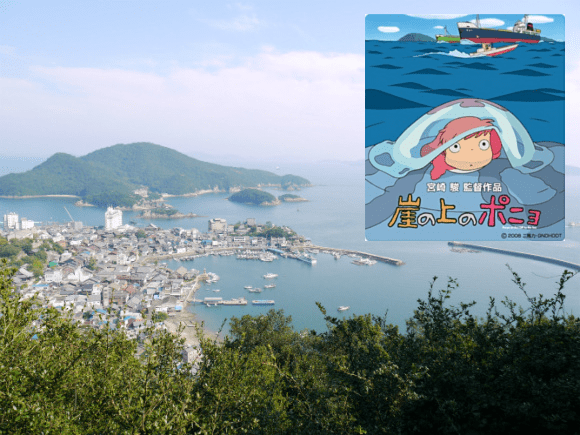
If you’ve seen Ponyo, Studio Ghibli’s adorable movie about a fish girl who wants to be human, then the above location may seem pretty familiar. That’s because it was taken in the port town of Tomonoura, where Hayao Miyazaki and his team spent months getting the inspiration and imagery to create their next animated film.
As massive Ghibli fans, we had to take a look at the town for ourselves and see what real-life Ponyo looks like. Read on to check out the beautiful scenery for yourself, and see the effect that Ponyo has had on the town, as well as the effect the town had on Miyazaki.
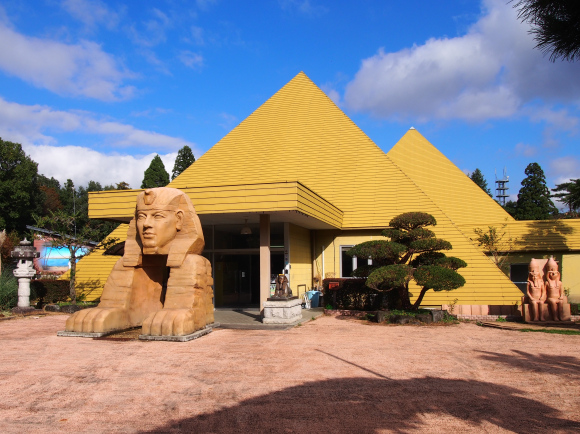
The Egyptian pyramids stand strong in the scorching heat of the desert, as they have for over 4,500 years. It is said that the techniques that went into building them were well beyond those of human civilization at the time. They are mysteries wrapped inside of enigmas that continue to fascinate us from afar.
And apparently there is also a pyramid in Tochigi Prefecture, which really cuts down on the travel expenses for those of us in Japan wanting to bask in their wonder. One such spendthrift adventurer was RocketNews24’s own Masanuki Sunakoma, who went to investigate.
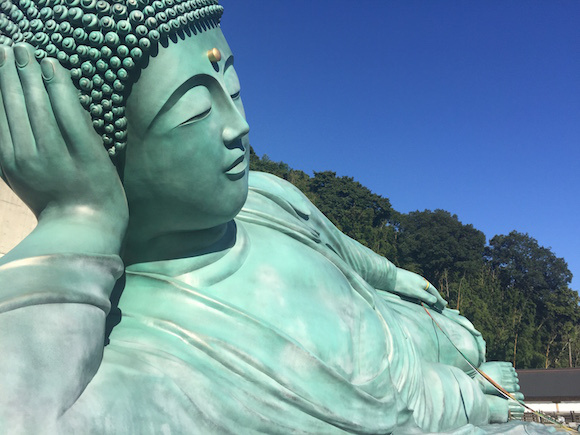
Fukuoka Prefecture is a major tourist destination in Japan, drawing people form all over the country all year round. But what’s unusual about the prefecture is that, despite its great many visitors, it doesn’t have any particularly famous sightseeing spots. Most people come for the food alone—a fact which should give you an indication of how good it is.
That’s why our reporter, Takashi Harada went in search of something worth gawking at in the otherwise wonderful land of Fukuoka and came across something that every visitor ought to see: the “World’s Largest Buddha statue” nestled deep in its mountains.
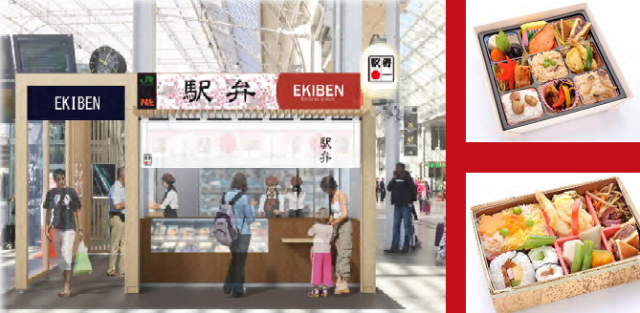
In just about every major train station in Japan, you’ll find a stand selling boxed lunches calledekiben. A combination of the words eki (“station”) and bento (“boxed lunch”), ekiben serve as a tasty, convenient meal for travelers to dine on as they watch the scenery slip by outside their window.
Given that trains are terrestrial transportation, and that Japan is an island nation, until now you’ve generally had to come to Japan in order to get your hands on authentic station bento. That’s changing soon, though, with the opening of an ekiben stand in a rail station in Paris.