Just in time for the peak summer travel season, website TripAdvisor has released its annual list of the highest-rated spots in Japan from its foreign users. With 30 amazing locations on the list, you’ll want to start your journey as soon as possible if your goal is to see them all, so let’s dive right in and take a look at this year’s picks.
culture (Page 47)
Recently a certain greeting has become popular over Twitter in Japan. According to internet legend these two sentences will cause someone from Osaka to “punch you in the face.”
It sounded like an outrageous claim and yet people seem to be latching onto it. The story goes that by approaching someone from Osaka with “Heee, Kimitte Osaka Hito nanda. Yoroshikudenganamangana” will cause them to lose their minds with rage.
Has this Twitter user stumbled upon an exposed nerve in the fabric of Japanese society, or is this just another drop in the bucket of specious internet claims? We conducted a small experiment to find out.
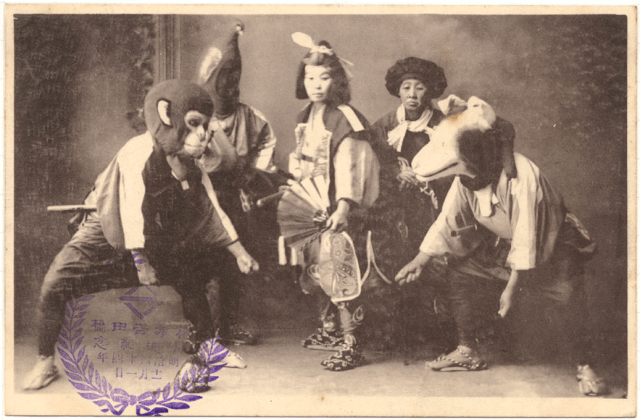
With the rise of otaku culture Japan is in its golden age of anime events, which means that cosplay is bigger than ever. But it turns out that even before there were Internet forums, prop suppliers, and even dedicated themed cosplay photo studio complexes, people in Japan were dressing up in fantasy costumes and posing for the camera.
As a matter of fact, this photo from more than a century ago shows that the roots of cosplay predate Japanese animation itself. But with no anime conventions or social media outlets through which to show off their outfits, why did this group bother? Suffice to say the reason for this photo shoot is about as unexpected as the costumed scene itself: a giant monkey about to sumo wrestle a biped dog.

When you first set foot in Japan, it’s hard not to be impressed by the efficiency and social order. The streets are clean, trains run on time, and the people are quiet and polite, yet possess enough of the bizarre to be intriguing (cosplay, line-ups for chicken ramen-flavored ice cream or Lotteria 5-pattied tower burger anyone?).
Living in Japan, or even just visiting, can be a life-changing experience. No one returns to their country the same person as when they left. Here are some of the things that make such an impression on foreigners, they cause us to think a second time, and alter the way we think, act, or view the world. In short, they prompt us to make life changes. Just when you thought you knew it all…
When you start learning another language, like, say, Japanese, it’s common to come across certain words that sound like English words, but aren’t. For example, the Japanese word “hai” which means yes, sounds a lot like the greeting “hi” in English. Another example might be that “ohayou” meaning good morning sounds a lot like the US state of Ohio.
But, naturally, this goes both ways. There are also plenty of examples of Japanese speakers finding “Japanese” meaning in English words that a native English speaker would never think of…
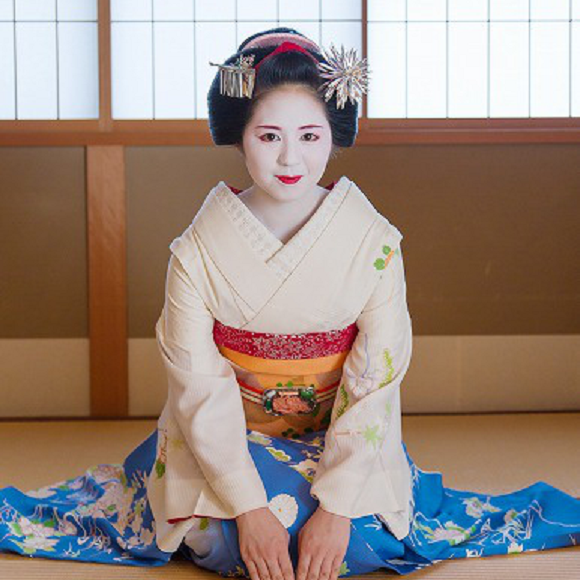
Just as with full-fledged geisha, it’s customary for maiko, as geisha apprentices are known, to wear a layer of white face powder, called oshiroi. But those who’ve seen one of Japan’s traditional entertainers close up often marvel at their smooth, healthy skin, remarking that they would be just as beautiful with all of those cosmetic coverings washed away.
But in much the same way that their polished speech and refined mannerisms are the result of years of training, maiko also have a careful routine they follow to keep their skin looking as delicate and pleasing to the eye as it does.

As a reader of RocketNews24, chances are you already have a pretty big soft spot for Japan. You may even already be living in the Land of the Rising Sun or have plans to fly out just as soon as circumstances allow.
But sometimes, even when we love a place with every fibre of our being, we just can’t stay forever. Family anxiously awaiting our return; work commitments; financial constraints and more mean that, at some point or other, many of us have to wave goodbye to Japan and return to our respective homelands.
Some of the things people miss about Japan will be immediately obvious, but others tend to sink in only a few weeks or months after returning home. Today, we’re taking a look at 21 of the little things, in no particular order, that Japan does so uniquely or so incredibly well that foreigners really start to pine for them once they finally say sayonara and head home.
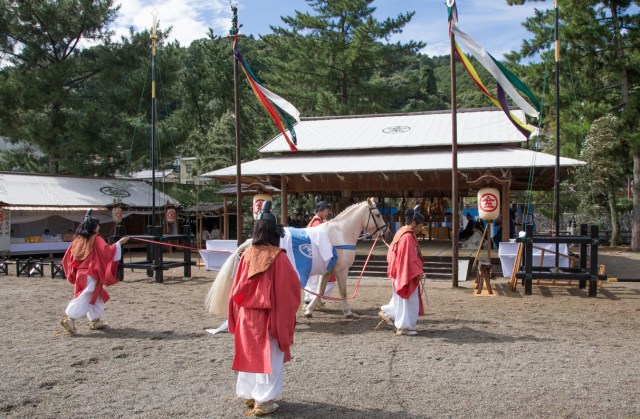
Somewhere around the 500th step on the long approach to Kompira-san shrine in Kagawa Prefecture, you’ll find a small stable housing two special horses. They are pretty as a picture, but don’t get any ideas about hopping on for a ride, feeding them a little carrot, or even giving them a friendly pat.
These thoroughbreds are shinme, the steeds of the gods, and they are not for mere mortals like us.
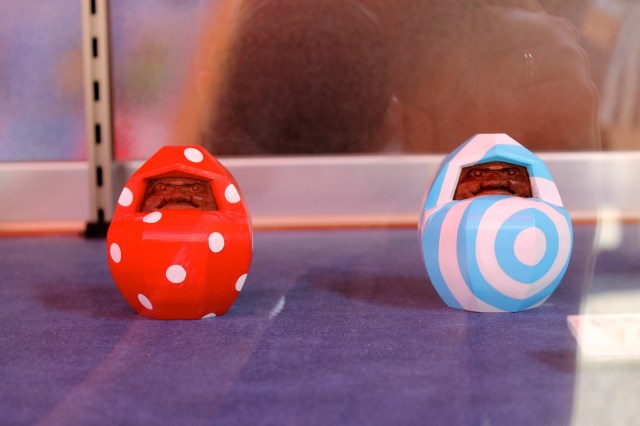
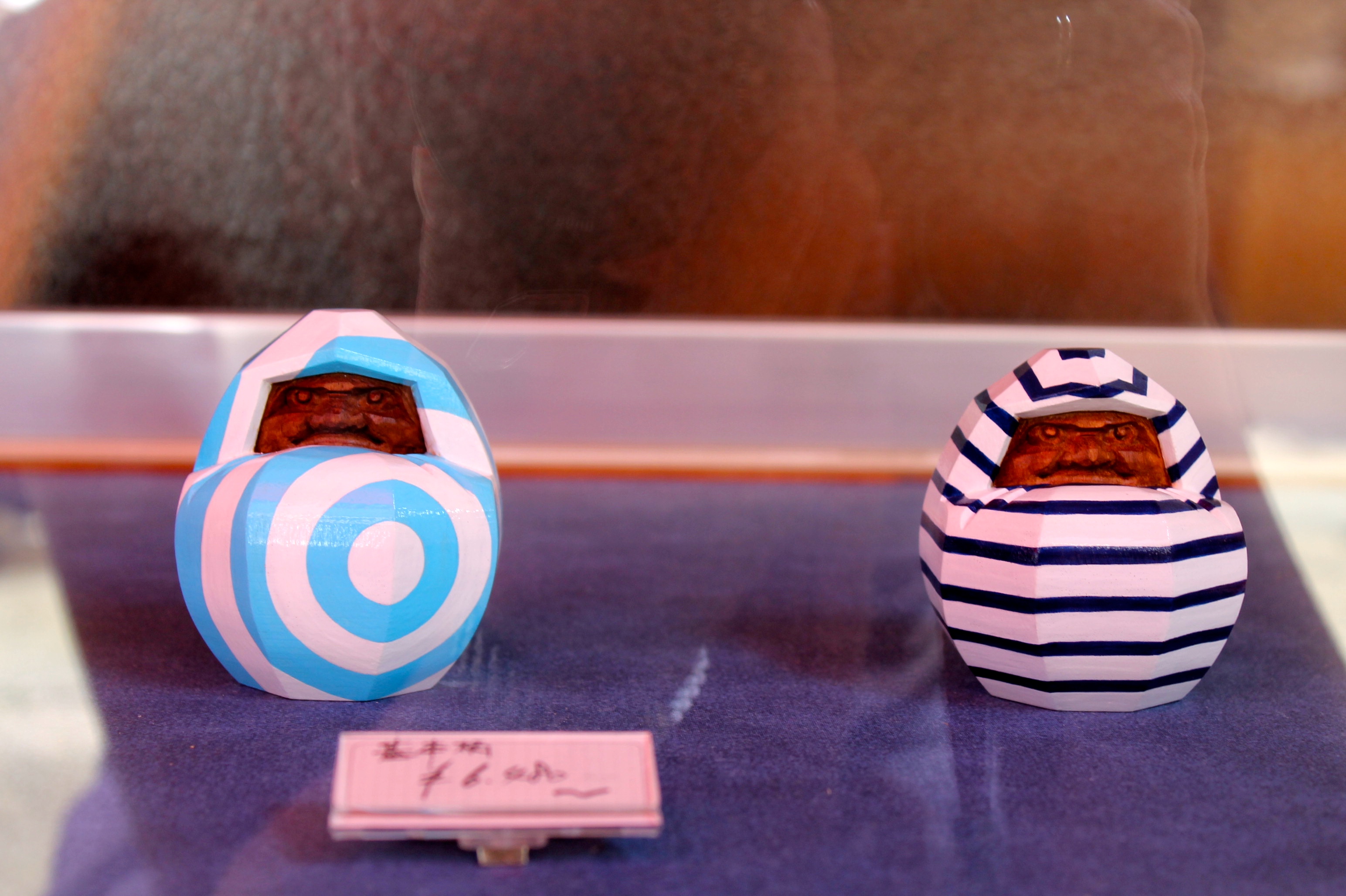
Daruma are a kind of roly-poly wishing doll in Japanese Buddhism. You draw one eye in while making a wish, and then fill in the other when your wish comes true. Given their sweet purpose and blob-like shape, traditional daruma are already pretty charming, but a woodcarving shop in Kagawa Prefecture has found a pop makeover makes them even more attractive, so much so that there is a 3-year waiting list to get one!

Recently, we brought you the news that you can now view an online animated sketchbook version of works by famous Japanese Ukiyo-e artist Hokusai. But what if you’re not content just looking at beautiful art online? What if you could see it every time you look down at your feet? Well, with these awesome printed sneakers from TeeFury.com, you can get some culture into your wardrobe while still looking cool!
Oh, and as an added bonus, they’ve stuck Godzilla’s ugly monster mush into the design, too!
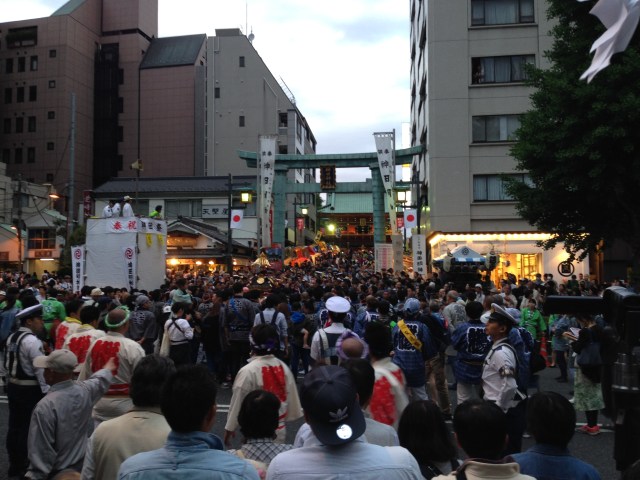
Even in a city as packed with people as Tokyo, some places, and times, are more crowded than others. So when and where can you find the largest, densest mass of humanity? Some would say the Yamanote loop line during the morning rush hour. Others would vote for Shibuya’s scramble crosswalk intersection on a Saturday night.
But before you go awarding the crown to either of those two candidates, take a look at the massive crowds that came out for the Kanda Matsuri festival last weekend.
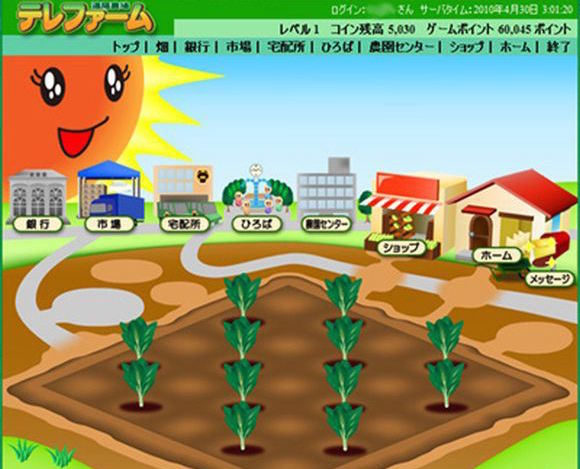
Remember back in the day when all of your older relatives and the kids you knew from school but never speak to any more would send you invites to play Farmville? Remember how seeing a new notification on your Facebook toolbar that just turned out to be yet another invitation to play f’$%ng Farmville would fill you with impotent rage?
Well think about how different your reaction might have been if your “friends” hadn’t been backhandedly asking you to help them raise their not-actually-existent virtual ducks and cabbages, but were in fact asking you to help them put real, actual food in their mouths.
One Japanese startup, Telefarm, is hoping that the future is online games that reward players for good performance with actual products delivered to their door. And they’ve been running a farming simulator prototype for a little over a year now to test that model’s feasibility.
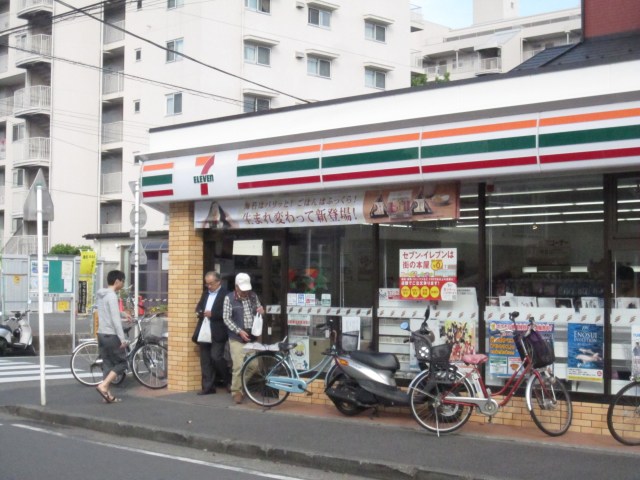
Japan has a reputation for outstanding customer service, and as such you’ll usually find courtesy and pleasantness on both sides of retail transactions. As polite as clerks are, most shoppers are just as respectful towards the hard-working individuals who’re ringing their purchases up.
Still, not every customer is a joy to deal with, and one young women working at a convenience store thought she was encountering an extremely rude male customer who refused to be served by her. As it turns out, though, the man she’d mistaken for a chauvinist was simply following his own particular code of chivalry.
While people in Japan put up decorations to celebrate different holidays, most of them are placed inside the home, such as the dolls for Girls’ Day/Hina Matsuri in March or the vegetables displayed during Obon in the summer. Out in public, though, though, you’d be hard-pressed to tell one Japanese holiday from another, with the exception of Children’s Day/Kodomo no Hi on May 5.
That’s because when Children’s Day rolls around, all you have to do is look up at all of the beautifully awesome carp streamers flying overhead,
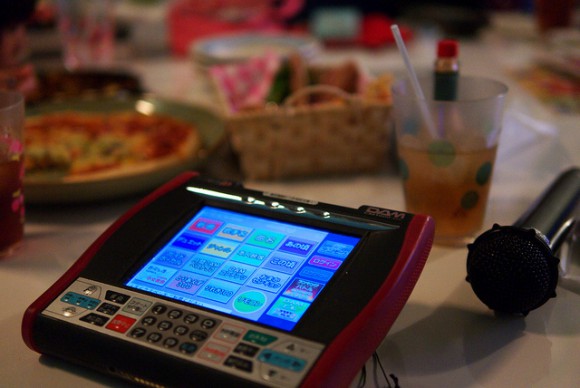
Karaoke in Japan tends to be a little different from in the west, and it comes with its own set of rules and etiquette that it’s a good idea to learn if you want to keep being included in karaoke parties.
Whether it’s your first time ever singing in (semi-)public or you’re a seasoned karaoke veteran back home, these six tips for not being a total karaoke bore will help make your singing sessions super special (and not at all humiliating…).
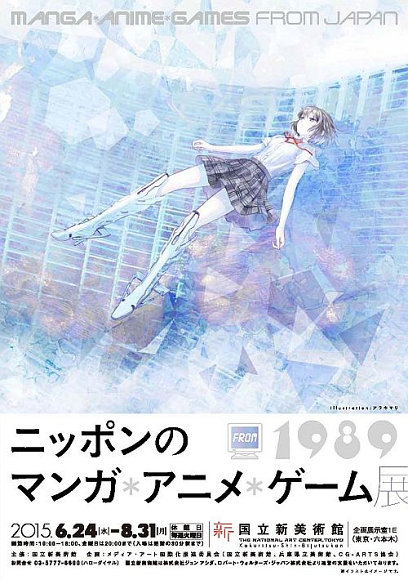
On any given day in a Tokyo summer, you can expect the weather to be hot, rainy, or a sticky mixture of the two. As such, it’s usually a good idea to have a couple of indoor activates in mind in case you need a break from the sweltering heat.
Thankfully, Japan’s capital is filled with museums, and one will be holding a special exhibition on the cultural impact of anime, manga, and video games. We’ve been looking forward to this event for a while, and now there’s even a partial list of titles that are scheduled to be highlighted.
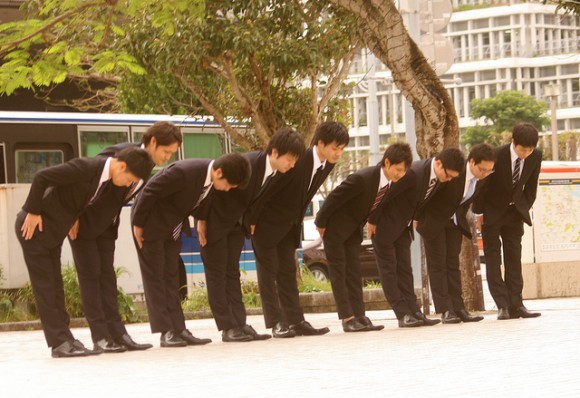
One of the first things you notice when you visit Japan is how nice and polite everyone seems to be. Shop staff bow to you, people greet you in the hotel lobby, even the guy at the combini sprints across the store to open up the second register when there’s more than one person waiting to be served.
But spend any prolonged amount of time here and you’ll realise that there are plenty of rude people here too (just like in the rest of the world…). And there are even a few niceties we in the west generally perform as a matter of habit that just aren’t part of the Japanese way of doing things.
So just how are Westerners unintentionally schooling the Japanese in manners?
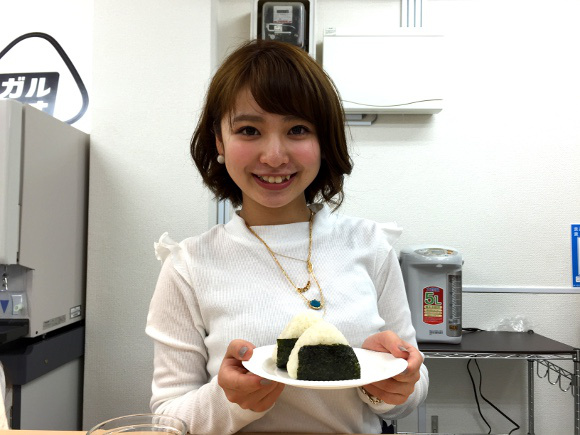
Onigiri are the perfect Japanese snack food. Portable and (generally speaking) healthy, they consist of a small ball or triangle of rice containing one of a huge variety of fillings, wrapped in seaweed or coated with some kind of seasoning. While most of the onigiri you can buy at convenience stores here in Japan are probably filled and shaped by machine, it’s traditional to roll ’em yourselves by making a squeezing motion with your hands. And now you can combine your love of onigiri with your love of cute idol girls by heading down to “Galmusu”, a new cafe where, for a small fee, a cutie will squeeze your rice balls for you right in front of your eyes!
We sent one of our Japanese reporters to investigate this new form of edible performance art!
Oh, but before you read on, we should probably mention one thing: our reporter usually can’t stand anyone handling his food…

Buddhism and Shintoism share space pretty peacefully in Japan, partially thanks to a division of duties. Shinto shrines, for example, handle weddings, while Buddhist temples are the locations of funerals and graveyards.
These days, though, a few Buddhist temples are helping singles find someone to marry at one of those Shinto weddings, though, as one sect of Buddhism in east Japan has branched out into organizing matchmaking parties.

As RocketNews24 readers, you are probably a bit more savvy than most about what Japanese food is, but for many, the concept doesn’t extend far beyond sushi. Despite its recent elevation to UNESCO Intangible Cultural Heritage status and its potential for international popularity, washoku still lacks global recognition and understanding.
That’s about to change, however, if newly launched project Peace Kitchen has their way, and we might all be better off for it.
MOST POPULAR
Today
 Studio Ghibli unveils new anime stationery collection, with a Spirited Away River God memo stand
 Japanese sweet potato ice cream season! Häagen-Dazs and Muji take different paths to our hearts
 My night trapped in Nagoya’s flood: what do you do when Japan’s trains shut down?
 Emperor of Japan poses for photo with Studio Ghibli’s No Face [Video]
 Japanese convenience store is very focused with its new bento…maybe TOO focused
 New Gundam Base superstores coming soon in the U.S., with one opening this month
 Three Daiso ideas for a super-cheap but still cool (or cute) Halloween look
 Car-floating sheets selling well to cope with increasing flood risk in Japan
 Only two Yoshinoya branches in all of Japan are on a train platform, and this is one of them
 Tokyo cafe challenges customers to play with their food? Challenge accepted!
Weekly
- New Gundam Base superstores coming soon in the U.S., with one opening this month
 Bear spotted near most popular hiking trail on Tokyo’s most popular hiking mountain
 Making the latest social media snack sensation in Japan, Dot Butter
 Family Mart releases 47 convenience store socks and stickers, one for every prefecture in Japan
 Get more room in your luggage with new clothing compression machines at Haneda and Narita airports
- Japanese sweet potato ice cream season! Häagen-Dazs and Muji take different paths to our hearts
 OC Japan Fair returns to California packed with all kinds of Japanese culture
 Can hanging a handy fan on your crotch keep you cool in the Tokyo summer? SN24 investigates
 Pokémon Adidas crossover sneaker line releases in Japan, gives your feet Pikachu hugs [Pics]
 7-Eleven Japan’s Ramen Machine is a viral hit, but there’s one glaring problem
Monthly
 Japan’s final Penguin Suica train cards have already shipped, and when they’re gone, they’re gone
 Studio Ghibli unveils new anime calendars and diary planners for 2027
- Family Mart releases 47 convenience store socks and stickers, one for every prefecture in Japan
 Japan approves foreign resident visa renewal fee increases of up to 967 percent, starts soon
 Japan tripled its departure tax to fund tourism but is using the money on cherry blossoms and bears
 Solo travel in Japan: Hidden beer garden in Tokyo is a haven for single visitors
 Kyoto temple bans visitors from wearing kimono
- New Gundam Base superstores coming soon in the U.S., with one opening this month
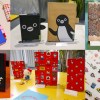 Hobonichi unveils new 2027 planners, diaries and stationery with One Piece, Suica Penguin, Hello Kitty and a must-buy Mini Techo
 Farewell Final Ceremony announced for Tokyo’s life-size Gundam statue, will stream live
Yearly
 Japan announces sudden 400-percent increase in visa fees for foreigners entering the country
 Japan’s human washing machines will go on sale to general public, demos to be held in Tokyo
 Studio Ghibli has a new anime out, and there’s only one place in the world where you can see it
 Starbucks Japan releases new drinkware and goods for Valentine’s Day
 Starbucks Japan releases new sakura goods and drinkware for cherry blossom season 2026
 Japan’s newest Shinkansen has no seats…or passengers [Video]
 Tokyo subway installing new ticket gates that don’t accept payment through Suica or other IC cards
 Japanese ninja certification exam attracts 131 candidates from Japan and abroad
 Salomon releases Japan-exclusive Mt. Fuji hiking gear that doubles as an amazing souvenir
 Put sesame oil in your coffee? Japanese maker says it’s the best way to start your day【Taste test】
RECOMMENDED STORIES
 New Gundam Base superstores coming soon in the U.S., with one opening this month
 Three Daiso ideas for a super-cheap but still cool (or cute) Halloween look
 Car-floating sheets selling well to cope with increasing flood risk in Japan
 Only two Yoshinoya branches in all of Japan are on a train platform, and this is one of them
 Tokyo cafe challenges customers to play with their food? Challenge accepted!
 Studio Ghibli releases new anime socks that pay tribute to characters from four different movies
 The number of centenarians living in Japan tops 100,000 for the first time
 Family Mart releases 47 convenience store socks and stickers, one for every prefecture in Japan
 Tokyo’s Square Burger claims it’s a viral hit with foreign tourists who’ve given it near-perfect Google reviews
 JAL first class cakes can be bought for a bargain, but are they as bougie as they seem?
 Gang of angry monkeys surrounds and attacks Japanese man in hot spring town
 Should this Japanese game developer be annoyed with “similar” release by other studio?
 Starbucks Japan unveils Mitsuimo Milk, a new drink that celebrates the taste of autumn
 Fox spotted in Tokyo’s 23 wards, Japanese Internet wonders if it’s a shapeshifting spirit [Video]
-