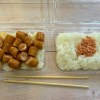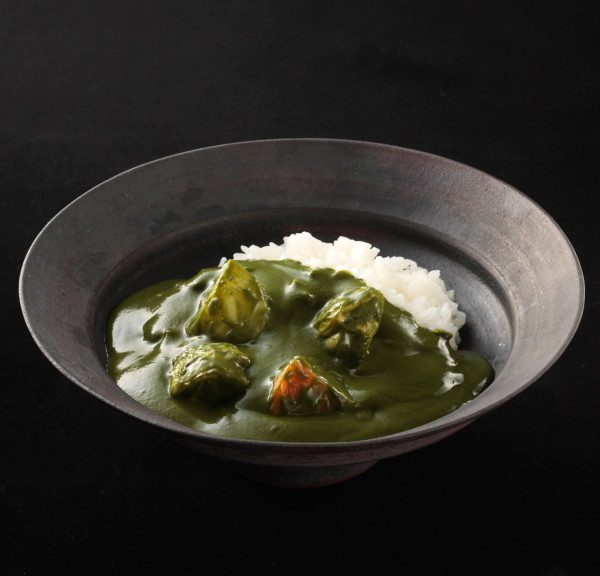
We’ve come across a fair amount of oddly colored curries in our gastronomic quests through Japan. From bright blue to jet black, we thought we’d seen them all until we cam across green. You’ve probably seen green curry from India before, but unlike saag paneer, this one isn’t filled with spinach. Believe it or not, the leafy hue of this savory dish comes from matcha green tea.

A few of Japan’s most popular pastimes aren’t exactly what some other societies would consider socially acceptable, or even comprehensible, as hobbies. It’s perfectly acceptable to say your hobby is “drinking” or “taking baths,” and while those are both common activities the world over, in other countries most people stop putting their enthusiasm for the first front and center after graduating from college, and the second is seen as more of a necessity than an entertainment option.
Japan’s love for alcohol and bathing, though, is immense, as evidenced by the thousands of bars, pubs, and hot spring resorts that cover the country. Now, some are claiming there are health benefits to combining the two by mixing a little booze into your bath.
Not a whole lot has changed since the development of the bicycle around two centuries ago. Near the end of the 19th century we moved away from those bicycles with the absurdly large front wheel and that seemed to be enough.
Sure there have been massive strides in performance technology and certain novel variations such as the recumbent and tandem bikes, but the fundamentals were pretty much kept intact. Now, a Japanese group has come up with a revolutionary redesign of the bicycle which they hope brings joy to riders and all who are around them. Unfortunately many who saw the commercial for it felt the opposite.
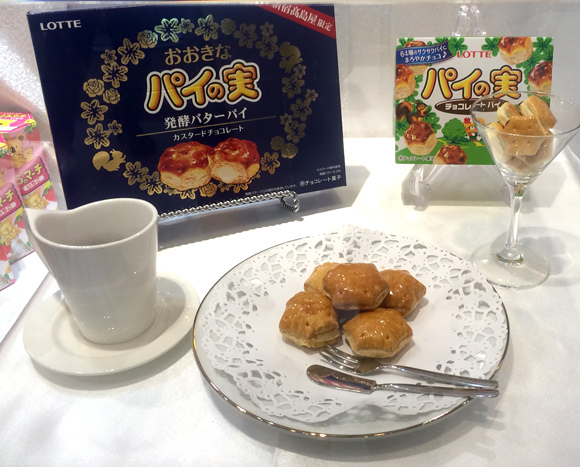
Major snack manufacturer Lotte’s “Pie no Mi” (literally, nuts from a pie tree) is a favorite, long-selling snack in Japan, available in any convenience store or super market. The standard version of the simple yet tasty treat is made from countless thin pastry layers filled with a smooth chocolate filling baked to a crisp, flaky consistency. And if that doesn’t already sound good enough, they’ve now come up with a special, extra-large version of the pies. But like so many other limited edition sweets, the “giant” pies are proving to be quite difficult to come by, something that our very own Mr. Sato from the Japanese RocketNews24 site has found out the hard way.
Fed up with the overly broad usage of the word ‘otaku’, one Japanese Twitterer decided to divide otaku up into six different categories with varying levels and types of obsession. From the humble fan to the god of nerds, where do you fit in?
Japan is well-known for its low crime-rate. Only a select few are permitted to own firearms, theft is rare, and the country’s violent crime statistics are among the lowest in the world.
But while you’ll almost never hear of a drive-by shooting in Japan, it turns out that members of the public in one Osaka town have been living in fear recently after a band of rambunctious scallywags took to cruising the streets at night and pelting pedestrians with eggs from the window of a moving car, at one time even stocking up on as many as 50 eggs with which to launch their reign of tamago terror.
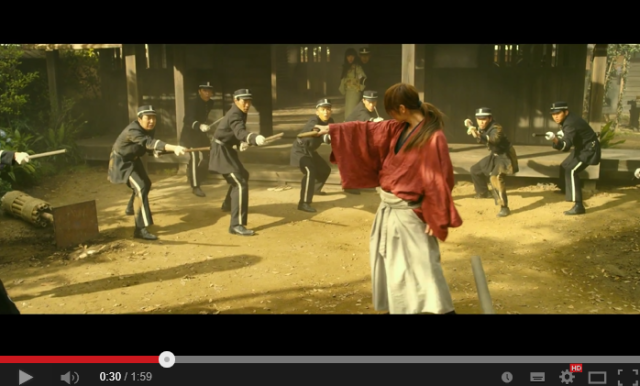
Lupin III isn’t the only anime character coming to life on the big screen this summer. Building off the success of the first live-action adaptation of comic artist Nobuhiro Watasuki’s immensely popular tale of samurai redemption, the cast of Rurouni Kenshin returns for not one, but two sequels before the leaves change color in the fall.
Releasing two films in such rapid succession is a bold move, but if this newly released trailer is anything to judge by, the producers’ confidence isn’t misplaced.
While some couples in Japan opt for traditional Japanese-style wedding ceremonies, most choose to get married in the Western fashion. The nuptials are usually held in a secular wedding hall, but much of the décor and pageantry from Christian ceremonies carries over, such as statues of angels, readings from the Bible, and singing choirs.
Fittingly, most Japanese brides wear a wedding dress for their special day. One key difference, though, is that in Japan hardly anybody buys their dress.
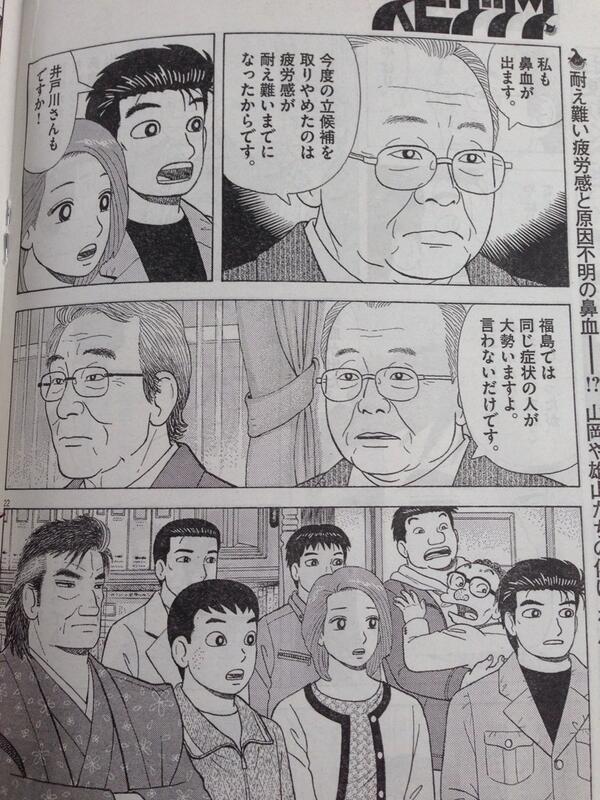
A chapter of Tetsu Kariya‘s Oishinbo manga series is garnering public outcry after being published in Shogakukan‘s Big Comic Spirits magazine on Monday. The manga chapter follows a group of newspaper journalists who are exposed to nuclear radiation within a plant in Fukushima. After the character’s exposure, they complain of nosebleeds and exhaustion, ailments that are reaffirmed by a character named Katsutaka Idogawa, based on a real-life former mayor of the town of Futaba in Fukushima Prefecture. The reporters also complain of censorship, an issue possibly inspired by Tokyo Electric Power Company’s real-life actions.


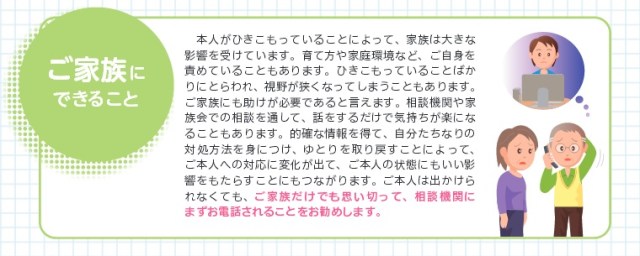
The social phenomenon of hikikomori, where people are compelled to remain confined in their own homes, is not new anymore. What is new, however, is the looming issue of what happens when a hikikomori’s parents become elderly or die.
Recently a scattering of cases has begun involving people who have filed for government support after their parents have died. And with estimates of the hikikomori population hovering around one million in Japan, experts are suggesting this is just the tip of the impending iceberg.
One group called Nadeshiko No Kai out of Nagoya is looking to take the bull by the horns and is nearly ready to issue a manual – the first of its kind – for hikikomori to aid them in becoming independent once their parents are no longer able to help.
Pets are pretty great: they are cute, funny and occasionally do crazy things. It doesn’t hurt that they just love us so much (probably more than we deserve, most of the time). You’ve probably heard of helicopter parents, but what about helicopter pets? If you don’t believe me, check out this video. This dog is so sweetly over-protective that it’s bound to inject some happy into your day.
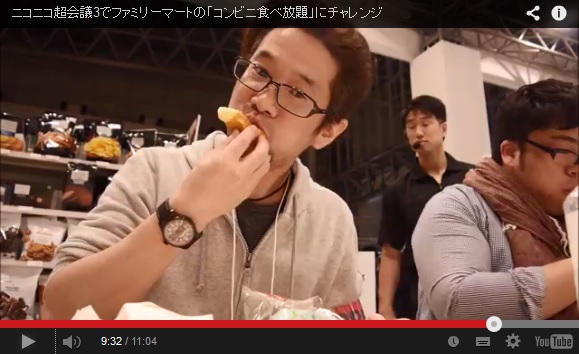
Imagine if you had ten minutes to run amuck in a convenience store and could eat whatever you wanted and as much of it as you could. Now imagine it’s a Japanese convenience store where the unwritten rule is: If you can’t find something you want to eat, you aren’t hungry.
Our well-seasoned convenience store correspondent Mr. Sato had just gotten such an experience recently in the FamilyMart booth at Niconico Super Party III, but discovered that an all-you-can-eat convenience store experience isn’t without its difficulties.
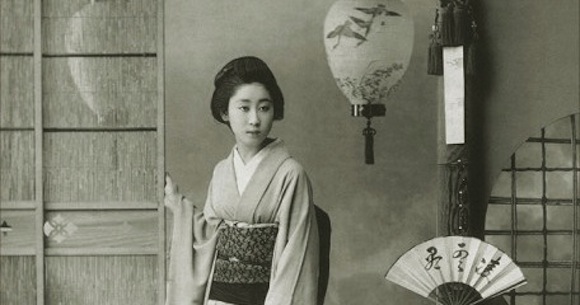
While the origins of the modern pageant are firmly rooted in 19th century America and P.T. Barnam’s popular photo competitions, Japan apparently didn’t take long to get on the bandwagon. The first beauty pageant was held in Japan in 1891, with a vote on Tokyo’s most beautiful geisha, and we just happen to have the winner and four runners-up in photo form for you here today.
Burger King has raised some eyebrows with its latest menu addition in China, called the “PooPoo Smoothie.”
The drink as similar to a Taiwanese boba tea, or bubble tea, and has pulp-like “pearls” inside that are supposed to “explode in your mouth upon consumption,” according to the Daily Meal.
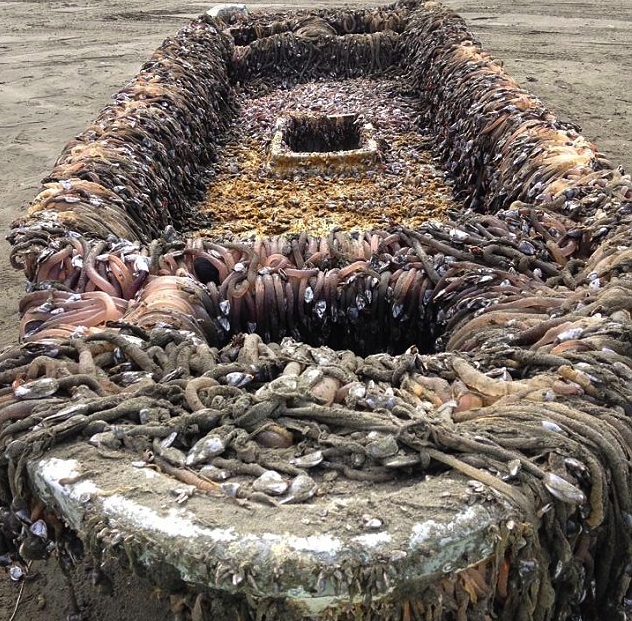
A small boat thought to have journeyed across the Pacific Ocean from Japan after the March 2011 tsunami has washed up in Washington this week. The boat, which is encrusted with unusual-looking barnacles, is believed to have travelled an incredible 6,500 kilometres (4,559 miles) across the ocean in the three years since the tsunami and earthquake disaster struck east Japan.
State officials are checking the boat, which drifted ashore in Ocean Shores on Monday, to confirm its origin. It’s the second boat to wash ashore in Washington state in two weeks.
YouTube isn’t all cat videos and aspiring singers, you know; it’s actually filled with genuinely creative and talented folks. As proof, we present to you a Japanese guy’s channel dedicated to brushing his teeth with guns.
In today’s fast-moving world of entertainment television and movies, many productions have been made possible with the advent of computer-generated images (CGI). A lot of movies and TV shows wouldn’t be conceivable without a little help from the green screen. That’s why it’s so rare today to see some production crews go back and do it “old-school”.
A small production in Taiwan has shared the secrets behind their “movie magic” in a short video, and it’s something that you really have to see, if only because it’s sure to put a big smile on your face.
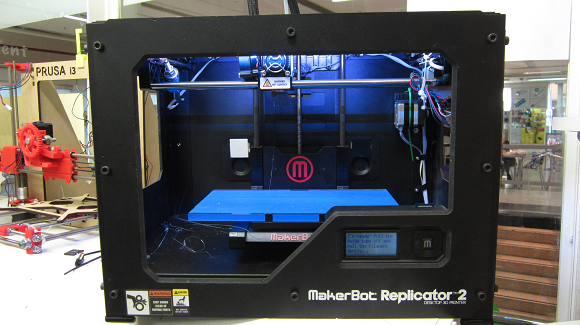
Three-dimensional printers are the wave of the future. They are already changing the way some products are manufactured and what can be printed is now only limited to our imagination. Most people are thinking small, but a company in China is thinking big, as big as a house…actually, literally a house! Once these houses pass the requisite safety checks, a massive number of people could be living in 3-D printed houses in only a few short years!
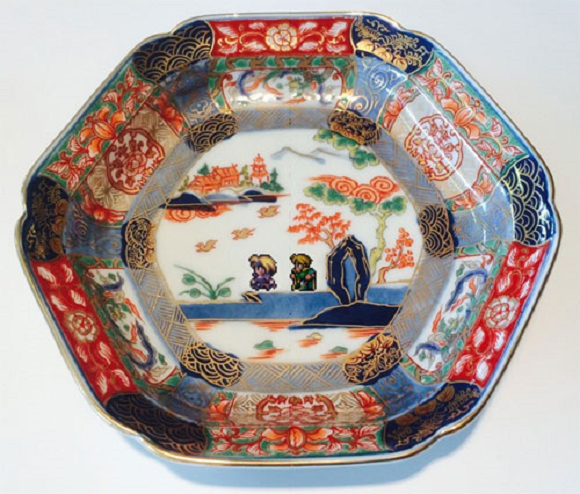
Almost all of the nice tableware in my apartment are pieces that my wife brought with her when we moved in together. As a bachelor, most of what was in my cupboards came from the 100-yen shop, with the exception of one pricy whiskey glass I bought when I decided that even if there was no one around to see me do it, I really shouldn’t be drinking straight from the bottle.
Of course, this scrimping on cutlery and dishes meant more money to throw into buying video games. I may have considered upping my eager budgets for such things if I’d seen these awesome plates and cups from fabled game publisher Square Enix.
That is, until I saw their astronomical price tags.
While some of us get to spend our days taking selfies, slurping on Starbucks and shopping at designer stores, others are not quite so lucky.
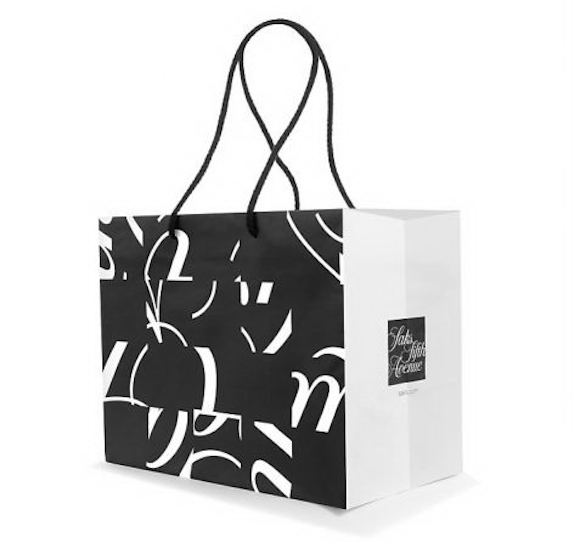
In a crushing reminder of the disparities and injustice that exist in our world, a woman shopping at luxury New York department store Saks Fifth Avenue has discovered a note at the bottom of her bag written by a man imprisoned in a forced labour camp in China, pleading for help contacting his family and the United Nations.