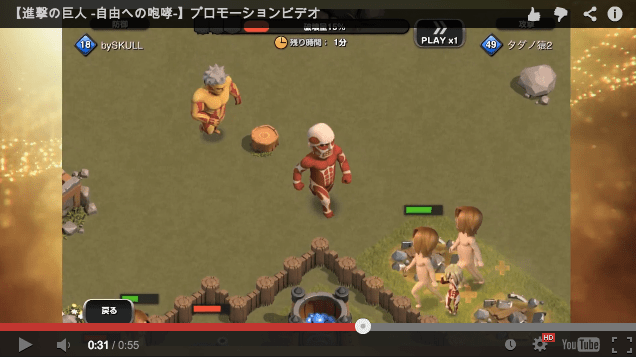
Japanese mobile game publisher Mobage began streaming a promotional video for its Shingeki no Kyojin ~Jiyū e no Hōkō~ (Attack on Titan: Howl Toward Freedom) game for smart phones on Wednesday. The promotional video tells players that they must fight against enemies outside of the Wall Rose using forbidden weapons.
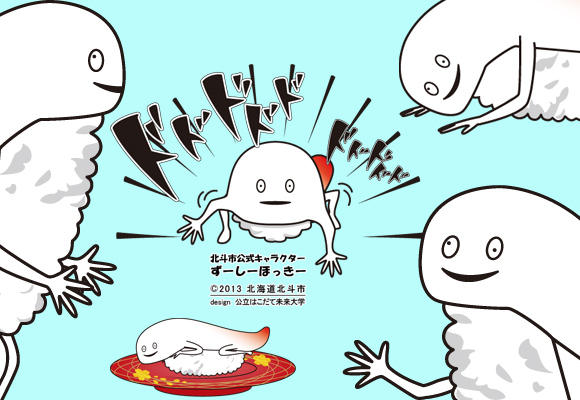
Last November, residents of Hokuto City in Hokkaido elected Zuuushiiihokkiii, the somewhat malformed anthropomorphic piece of surf clam sushi. His limited motor skills and cries of “Hokihokihokihokiii!” seemed to have plucked a particular heart-string among the locals.
Even beyond the northern city, this ball of rice and clam is shaping up to be Japan’s breakout yurukyara (regional mascot) of 2014. While development on the official Zuuushiiihokkiii costume is still underway, some exciting news has emerged from the new mascot’s PR team.
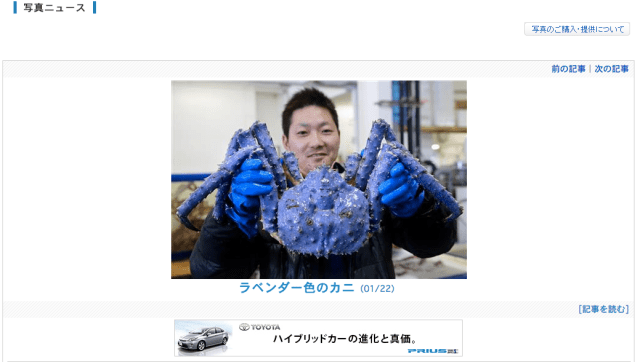
On 18 January, a shipment of crabs from Russia arrived at a port in Japan, some of which were bought up by wholesaler Marusan Mikami Shoten. After opening up their haul of red king crabs (an expensive favorite of Japanese seafood lovers) workers were surprised to see one of the large arthropods was shaded a rich lavender color all over.
There are certain things almost everyone who moves to Japan seems to like. The food? Tasty and healthy. Public transportation? Clean and punctual. But Japanese TV? Let’s just say there’s a reason Internet access is one of the first things new arrivals in the country look to outfit their apartments with.
It turns out this lukewarm reaction to the country’s programming isn’t just a foreigner thing, either, as some 75 percent of Japanese citizens polled by the Asashi Shimbun newspaper also said that TV has become boring. Today we look at why.
Perusing Japanese Twitter feeds, you’re likely to come across the word “nau” at the end of a sentence. This word has the same meaning as the phonetically similar “now” in English. It’s used to simply state what the tweeter is doing at that given moment. Examples include “Unko Nau” (pooping now) or “Jishin Jiko Nau” (physical injury now).
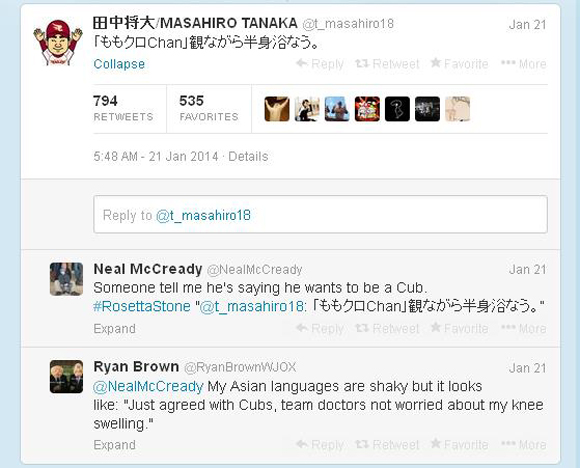
Even Nippon Professional Baseball star Masahiro Tanaka, fresh off his perfect season got in on the action and tweeted out what he was doing nau. However, when you’re a pro-pitcher rumored to be imminently signed to a Major League Baseball team, an innocent little tweet can create unusually big ripples.
For modern society to function, there is a line that must be protected. When it does its job, it’s often taken for granted, but should that line break down, fear and panic will shortly follow. The line must hold at all costs.
However, the line cannot be too thick, lest it rob humanity of the joy it needs to continue as a species. For the line to do all that it must, it must be precariously thin, yet unbreakably strong.
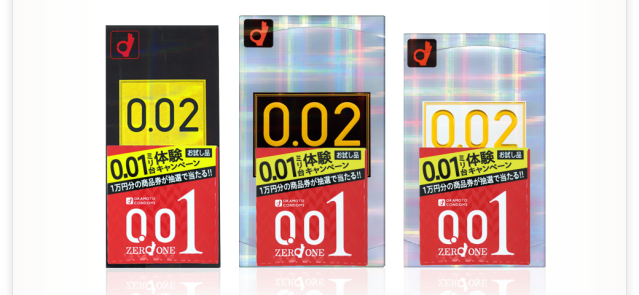
What’s that, you ask? Is this thin line the police, who separate the law-abiding and criminal elements of society? No. We’re talking about Japan’s thinnest condom here.
Growing up in Southern California, I was no stranger to long road trips, whether up the coast to visit relatives, or out to Las Vegas to visit the craps tables. Along the way I’d pass many freeway rest areas, with amenities whose quality ranged from “a good place to use the bathroom as long as you cover your nose” to “a good place to use the bathroom, as long as you have a friend with you to make sure you don’t get shanked by a hobo.”
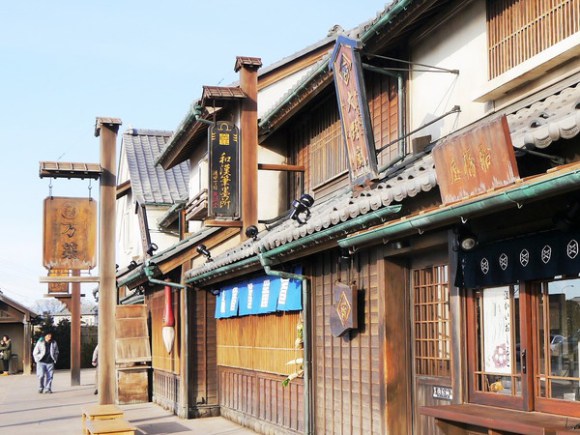
So imagine my surprise when I moved to Japan to find that its highway rest stops (called “parking areas” by Japanese motorists) are spotless. Plus, they’re often great spots to munch on regional specialties or pick up local souvenirs. And if you happen to visit one particular parking area, you can even go back in time.
Japanese culture is filled with gift giving, and no gift is more common than the omiyage. Usually translated as “souvenir,” omiyage is a bit broader in usage, encompassing all sorts of travel gift situations. Taking a trip somewhere? Make sure to bring back omiyage for your coworkers. Have friends coming from overseas? You might want to give them some omiyage to remember their trip by. And of course, if those same friends offer to show you around their country, it’s only polite to bring them an omiyage as a show of thanks, if you take them up on their offer.
But what kind of Japanese omiyage from Japan is most likely to be a hit with foreigners? Japanese Internet users offered the following suggestions.
China has some interesting matchmaking and dating practices. There are love hunters who track down potential wives for China’s richest bachelors and there are “leftover women,” who are criticized for being older than 27 and unmarried.
In some cases, when a male dies too young, families have “ghost marriages,” exhuming female corpses and marrying the pair.
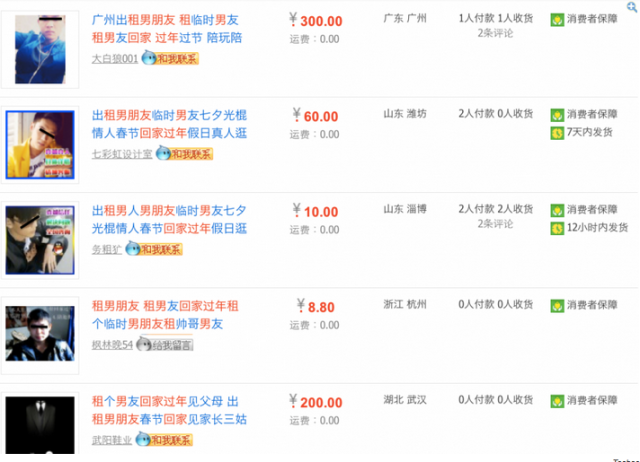
So, it’s natural for many young Chinese to want to allay their parents’ anxiety over their single-dom. And now they can take to Alibaba-owned online retailer Taobao, tweets George Chen at South China Morning Post. That’s the equivalent of shopping for a date on Amazon or eBay.
One of the weird, fascinating things about Japan that makes many foreigners giggle is the presence of so-called “love hotels.” In many Japanese cities, you and your lover can rent a hotel room for either a few hours of fun (less expensive) or overnight for a whole lotta fun (more expensive). Often, love hotels will have a particular theme in decor throughout the building, which may even vary room to room. To get an idea of just how crazy the decorations can be, check out this photos collection of some of the most outrageous love hotel rooms Japan has to offer.
If you’re curious to learn more about the differences between a typical hotel room and a love hotel room, however, YouTuber Sharla in Japan has uploaded a video documenting her stay at a love hotel with a friend. Sharla wants everyone to know that you don’t have to go to a love hotel with your significant other or for clandestine nooky; it can be just as fun to go with your pal or use the places as a cheaper accommodation alternative! Hear more about what Sharla has to say and watch her fun video after the jump!
Among the Japanese language’s many unique loanword mashups is nominikeshon, a hybrid of “nomi / drinking” and the English “communication.”Nominikeshon is a term that gets applied to the common Japanese business practice of workers from the same company going out together for a beer (or six) after work, and hopefully strengthening their bond along the way.
But even if you’ve technically punched out, if you have to spend time with your boss, with a large chunk of it used to talk shop, couldn’t you make the argument that you’re still working? In which case shouldn’t you get paid for drinking with your coworkers?
The Japan Mother’s Society, as the name implies, is a non-government organization committed to providing information and support to assist Japanese women with the difficulties of raising children in our modern age. Along with consultation and events designed to raise awareness about parenting issues, the organization has also been involved in volunteer activities helping to bring a little joy and levity to the children of families who have lost their homes due to earthquakes or other natural disasters.
Surprisingly, Shinji Morimatsu, the head of the Japan Mother’s Association, is not a mother, nor even a woman. Adding to the incongruity is the fact that the 49-year-old Morimatsu now stands accused of being a wife beater.
Coming from abroad to live in Japan, there’s a lot to love–and there’s a lot to be frustrated about as well. One thing that nearly everyone loves about Japan though is the trains! With many of us coming from rural areas where you either drive or walk, being able to hop on a train pretty much any time anywhere can sometimes feel nearly miraculous. Tired? Distracted? Had too much to drink? Raining? None of that matters, because you’re on a train!
And we’re not the only ones who think so either. Today we’ve compiled a list of foreign residents’ favorite things about trains in Japan. Check them out and see if your favorites made the list!
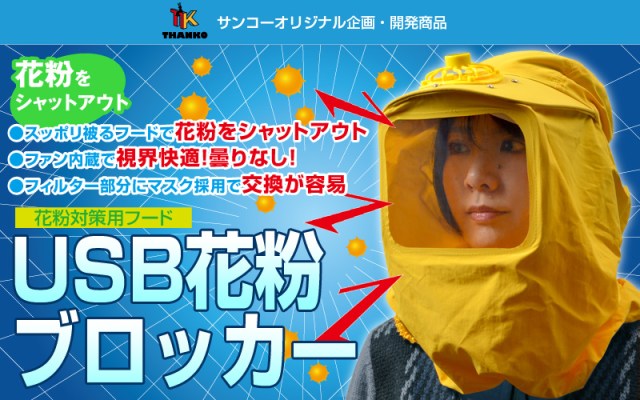
We’ve covered many products developed by Thanko – that company always seems to have clever ideas and is never afraid to flirt with madness – in the past. Their upside-down desk, and upside-down cushion both look very tempting, whereas their more ambitious products such as camera glasses and the Fanbrella seem inherently flawed with poor battery performance.
Whether Thanko’s newest release, the USB Pollen Blocker crosses the crazy train tracks remains to be seen.
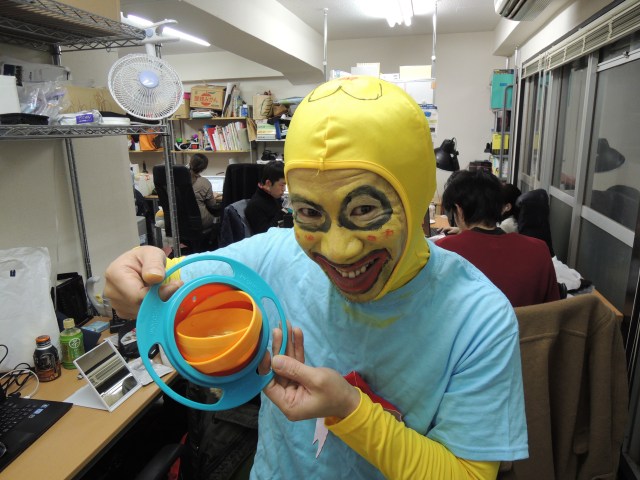
It’s a little known yet unsurprising fact that Mr. Sato loves a nice bowl of potato chips. However, much to the chagrin of his colleagues, he loves them so much that he begins to flail his limbs around wildly when he gets some.
After brushing the crumbs off the keyboards and shopping around online, the rest of the RocketNews24 staff found Gyro Bowl. For only 2,480 yen (US$24) this German-engineered bowl boasts a full 360° of spill prevention. All that combined with Mr. Sato’s inherent love of orange spinny stuff made this purchase a no-brainer. When the bowl arrived it was time to fire up the cameras and see how Gyro Bowl held up to Mr. Sato’s chip dance of joy.
There are only three reasons one could possibly fathom going to any establishment that’s known in American English as a “dive”: Cheap beer, cheap beer, and greasy burgers.
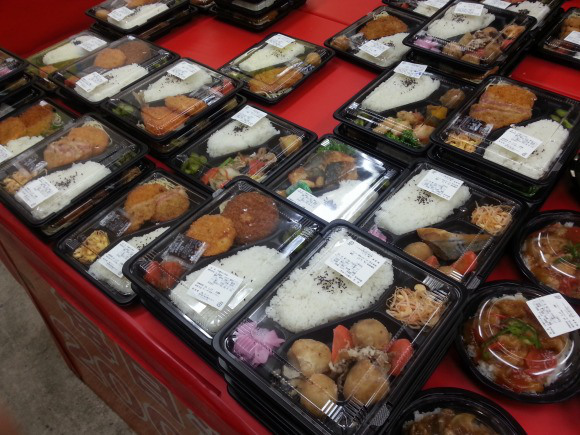
Now apparently you can add a fourth reason: Cheap, delicious bento lunch boxes, thanks to whispered-about bento shop, Kitchen Dive. With just a handful of locations around Tokyo, we’d never actually seen one in the flesh before and almost thought they were some apocryphal legend; some cruel prank older, wiser salarymen were playing on the newbies, maybe (“Oh yeah, there’s a shop selling 200 yen bento. Right around the corner. Caaaan’t miss it.”).
Finally, we spotted an honest-to-goodness, 24-hour Kitchen Dive in the unassuming Kameido area of Tokyo and the 100 yen coins in our pockets practically flew out of their own accord.
Japan has fared pretty well in the realm of professional sports these days with more and more Nippon Professional Baseball players popping up in the Major League and the recent rise in men’s and women’s soccer.
Even on the streets young Japanese people are pushing their bodies to the limit and creating awe inspiring athletic dance routines and working their way onto the world stage. The following are four such people, Taisuke Nonaka (B-boying), Yohei Uchino (flatland BMX), Kotaru Tokuda (freestyle football), and ZiNEZ (freestyle basketball).
This winter has seen some astonishingly low temps and heavy snow even in places that normally enjoy mild winter weather. In fact, the chilly weather has even stopped one finicky feline from pursuing her favorite pursuit: meowing to be let out and then meowing to be let back in.
More than likely, you’ve heard of the legend of the ninja, the stealthy hired hands and spies for regional warlords in feudal Japan. But considering how popular ninjas are in the modern world, from video games to ninja-themed American bars, it can be pretty hard to separate historical fact from fiction. And today we have three stories for you about this secretive bunch that may help to give a little more light to the mythos surrounding ninja and the truth behind some of these larger-than-life tales. Click below to read three anecdotes (of varying veracity) about what made ninjas into the legend they are today!




 Pokémon and Ikea Japan cross over into each other’s worlds with collaboration events
 Can a downtown Tokyo super sento bathhouse beat a hotel for a one-night stay?
 Beautiful Ghibli earrings allow you to finally reunite two of the studio’s star-crossed lovers
 Starbucks Japan closing only Shinkansen platform branch for popularity-triggered renovations
 Licca-chan dolls released in North America for first time in nearly 60 years
 Two food hacks take Japan’s convenience store fried chicken to amazing new sandwich heights
 Totoro Fund line of beautiful artwork and apparel lets you help the real-world Totoro Forest
 Japan’s prime minister exchanges Dragon Ball kamehamehas with president of France[Video]
 Stay at a Japanese capsule hotel in Tokyo for less than US$20 a night
 Step back in time with Japanese-themed rooms at rare vintage love hotel in Osaka【Video】
 Tokyo’s best museum for foreign travelers finally reopens after being closed for four years
 Pokémon lacquerware series expands for Year of the Horse with new handcrafted design[Video]
 Famous Tokyo cherry blossom spot installs view-blocking screens to fight overcrowding[Video]
 Tokyo subway and almost all Tokyo train lines now accepting credit card tap payments
 Fading Tokyo – Searching for signs of the Showa era as local neighborhoods evolve[Photos]
 Tokyo turns its phone booths into free Wi-Fi hotspots, and here’s how to use them
 Studio Ghibli adds new My Neighbour Totoro 2026 Corn Gift to its anime store for Mother’s Day
 Japan now has a special desk for people who work at home with a pet cat[Photos]
 Uniqlo announces new T-shirts for One Piece, Naruto and more for manga publisher’s 100th birthday
 Train station platform ramen store closes its doors on half a century of history in Tokyo
 Starbucks Japan releases new My Fruit³ Frappuccino at only 34 stores around the country
 Studio Ghibli releases Catbus pullback keychain that runs like the anime character
 Krispy Kreme releases Super Mario doughnuts in Japan for a limited time
 Japanese onsen egg maker from 100-yen store Daiso needs to be on your shopping list
 Nine great places to see spring flowers in Japan, as chosen by travelers (with almost no sakura)
 Survey asks foreign tourists what bothered them in Japan, more than half gave same answer
 Japan’s human washing machines will go on sale to general public, demos to be held in Tokyo
 Starbucks Japan releases new drinkware and goods for Valentine’s Day
 We deeply regret going into this tunnel on our walk in the mountains of Japan
 Studio Ghibli releases Kodama forest spirits from Princess Mononoke to light up your home
 Starbucks Japan releases new sakura goods and drinkware for cherry blossom season 2026
 Japan’s newest Shinkansen has no seats…or passengers [Video]
 Major Japanese hotel chain says reservations via overseas booking sites may not be valid
 Put sesame oil in your coffee? Japanese maker says it’s the best way to start your day【Taste test】
 No more using real katana for tourism activities, Japan’s National Police Agency says
 Two food hacks take Japan’s convenience store fried chicken to amazing new sandwich heights
 Totoro Fund line of beautiful artwork and apparel lets you help the real-world Totoro Forest
 Japan’s prime minister exchanges Dragon Ball kamehamehas with president of France[Video]
 Stay at a Japanese capsule hotel in Tokyo for less than US$20 a night
 Step back in time with Japanese-themed rooms at rare vintage love hotel in Osaka【Video】
 Fading Tokyo – Searching for signs of the Showa era as local neighborhoods evolve[Photos]
 A Kyoto factory vending machine sells gourmet mystery meals at bargain prices
 The etiquette rules for visiting Shinto shrines in Japan
 Criminals of Japan’s Edo Period Were Often Punished by Getting Face Tattoos
 Japanese government planning higher ticket prices for foreign tourists at Tokyo National Museum
 Got a question for Haruki Murakami? Website lets you ask the author directly, and in English, too
 Final Fantasy invites you to adventure in Fukushima with Fukushima Fantasy Chocobo fun[Video]