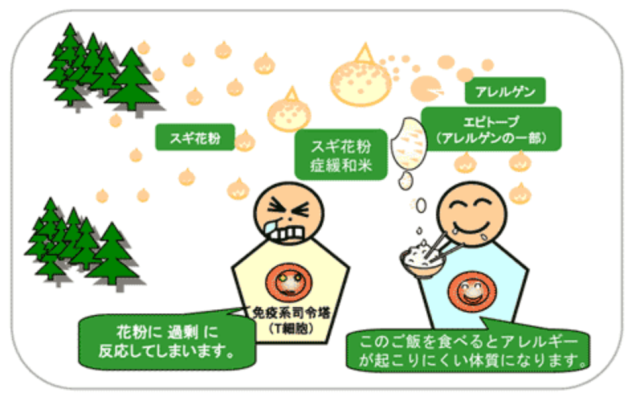
Good news for all those who live in Japan and suffer from pollen allergies! Scientists have genetically modified rice in an attempt to desensitize the body to that nasty Japanese cedar pollen that causes all of the sneezing, mask-wearing and eye-watering every spring. Just think, eating some of this special rice everyday could relieve you from all of your hay fever woes!
While out shopping the other day, I picked up a bag of prewashed rice. The grocery store was having a sale, so it was just as cheap as the unwashed kinds, and I figured, “Hey, there’s no advantage to having to rinse it myself is there?”
But as it turns out, the water left over after you wash the rice, called togijiru in Japanese, is actually pretty useful, as shown by these five ways you can reuse it instead of just dumping it down the sink.
Preparing a delicious bowl of rice is an absolutely essential part of Japanese cuisine, and fortunately for most amateur cooks today’s modern rice cookers have made that task as simple as pressing as button.
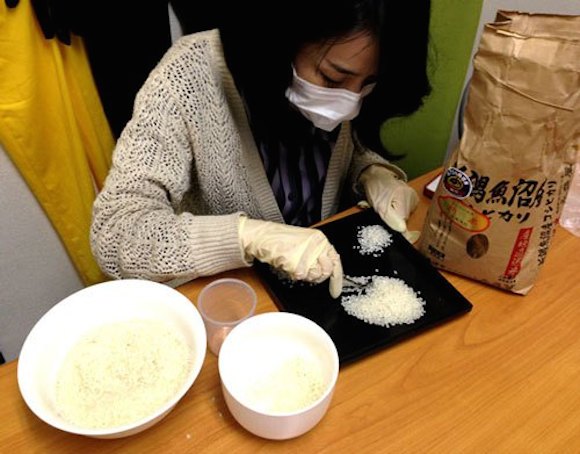
While these handy machines can whip up a tasty bowl of rice with little to no effort, we wanted to try out a time-consuming cooking method we learned from the popular food-themed manga Oishinbo. In it, one of the main characters painstakingly examines and sorts each grain of rice to prepare what is described as “a taste you won’t forget in 15 years.” But is all that hard work worth it?
All of Japan was thrilled when traditional Japanese cuisine, or washoku in Japanese, became a registered UNESCO Intangible Cultural Heritage in December last year. And one thing that is for certain when it comes to Japanese food is that we Japanese love our rice with a passion. We have various brands and classes of rice, with differing flavors and prices depending on where it’s grown, much like what you might expect with fine wine, and we all have our favorites. It’s simply an irrefutable fact that rice holds a very central place in Japanese cuisine and in the hearts of the Japanese as well.
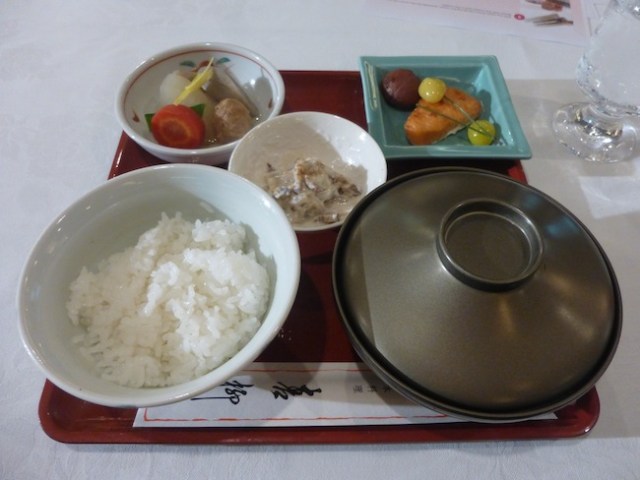
Yes, there’s nothing quite like the sensation of inhaling the scent of steaming hot freshly cooked rice when you open the rice cooker, and as fond as we are of rice, we were delighted to have the opportunity this week to attend a reception for foreign media titled “Celebrating Worldwide Recognition of Washoku and Rice“. And when we heard that it included being served a traditional Japanese meal by a master chef from a renowned Japanese restaurant and also a chance to try making some unique sushi rolls ourselves, we knew this was definitely a reception we couldn’t miss!
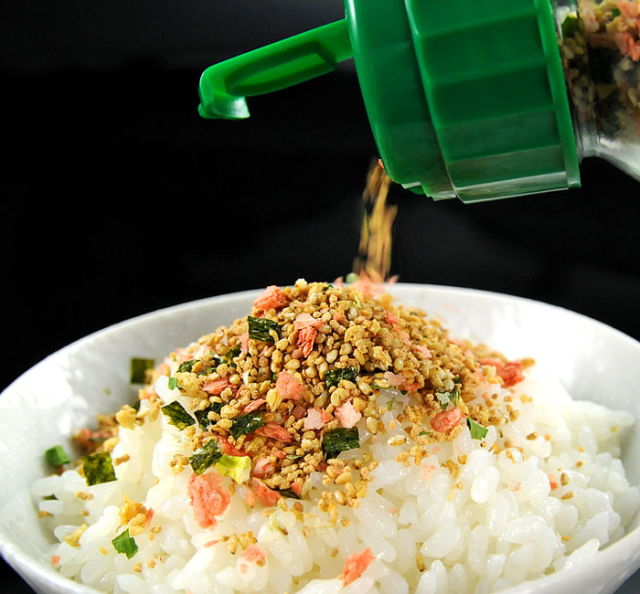
In Japan, almost every traditional meal is served with white rice. Sometimes, though, even Japanese diners find themselves craving something a little more flavorful, and when they do, they reach for a container of furikake (lit. “sprinkle over”) flakes to liven up their rice.
Dried fish like salmon or bonito are the most common kinds of furikake, but just like every region of Japan has its own special Kit-Kats, different parts of the country also have their own unique furikake, and today we’re taking a look at seven of the most tempting.
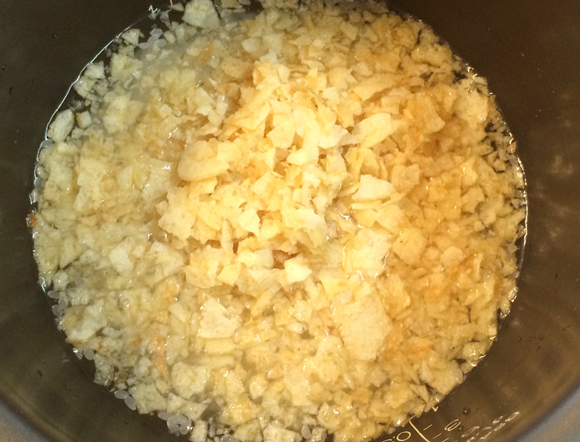
We’re suckers for a good rice cooker recipe and get even more excited when all you have to do is plop a few ingredients into the machine. So we were really happy when we found this super easy rice cooker recipe for “potato chip rice” from successful Japanese chef, Masahiro Kasahara, in his self-titled book, Masahiro Kasahara’s 30-minute Japanese Meals. With only three ingredients (four if you count the water), we were equally parts intrigued and wary as we set out to recreate his bizarre dish.
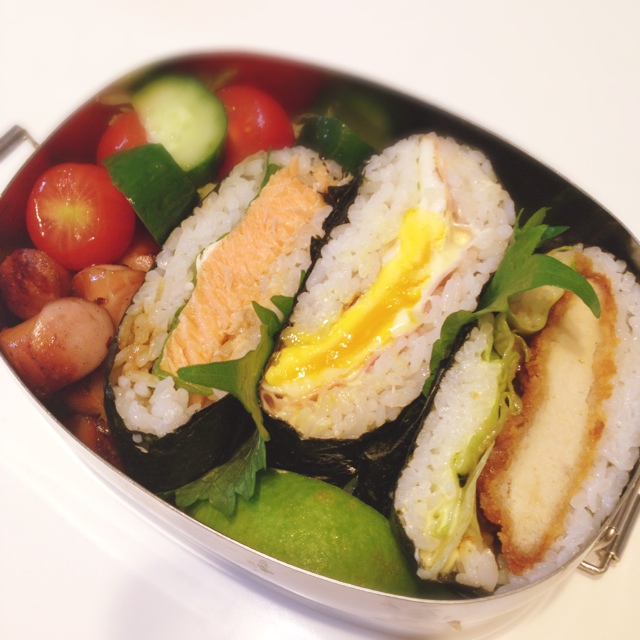
Onigiri are rice balls, and they’re basically the Japanese version of sandwiches. They’re a fast, convenient snack that you can eat without getting your hands messy, and they’ve been a staple of Japanese lunches since medieval times. But now there’s a hip new version that’s trying to take over from the long-established practice of molding the rice by hand.
Tokyo and Osaka are only about 2.5 hours away by bullet train, so perhaps you wouldn’t think they’d be that different. But while Kanto (Tokyo, Yokohama, Chiba) holds the image of a glittering metropolis, Kansai (Osaka, Kyoto, Nara) is full of the old, historical aspects of Japan. The most commonly cited difference is the dialects of the two regions. For example, dame in Kanto-ben is akan in Kansai-ben, both meaning something like “wrong, no good.”
So when Japanese people were polled about their food habits, it wasn’t so surprising that the two regions answered very differently.
In Japanese cuisine, one of the easiest dishes to prepare is ochazuke, or a bowl of rice mixed with tea. While you can spruce it up with things such as plum, salmon, or spicy cod roe, the rice and tea are really all you need.
But while almost all Japanese people enjoy an occasional ochazuke session, some foreigners find it a little unnatural to pour what’s generally a beverage over their food. The whole thing becomes even less attractive if you’re not a particularly big fan of the Japanese green tea that’s normally used.
So if you’re interested in gradually easing yourself into ochazuke, maybe you’d prefer to start with a less astringent beverage, like cola.
Food always seems to taste better right after getting in some exercise. Unfortunately, sometimes a long workout leaves you feeling starving and exhausted, which is a problem when you then have to go foraging for food after you leave the gym.
While I still haven’t found a gym that’ll reward you with a protein-packed steak for breaking your bench press max, or a pool that’ll hook you up with some sashimi after 1,000 meters of backstroke, there actually is a town in Japan that’ll give you a sack of rice for completing a 5K run. The only catch is, you’ve got to carry it with you during the race.
For most of the year, the tiny town of Inakadate in Aomori Prefecture doesn’t get a lot of visitors. With only some 8,000 residents, most of whom make their living through agriculture, there’s not much to do there, unless you feel like staring at the farmers’ fields.
Every summer, though, droves of visitors come to do just that, as Inakadate’s rice paddies transform into gigantic works of art. And this year is no exception.
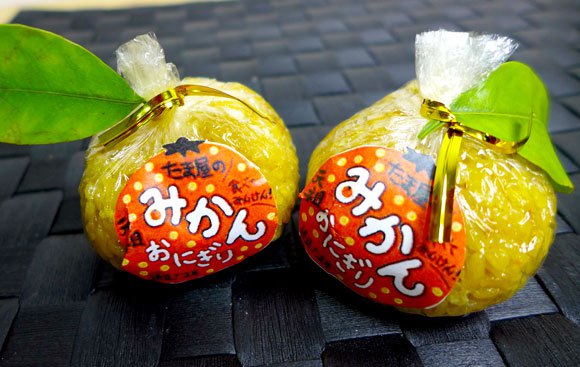
Ehime Prefecture on the western coast of Shikoku is known all through Japan for its tasty mikan, or satsuma oranges. Although the fruit is delicious enough on its own, the people of Ehime love to think up new ways to enjoy the fresh taste of a local orange. In the past, we have seen funny-shaped oranges and even citrus-flavored fish, but now there’s a new way to get some vitamin C in your life: orange-flavored rice balls.
We dropped by a shop near the hot springs that inspired Hayao Miyazaki’s Spirited Away which sells the rice balls. But these little delicacies are only available for a limited time, so click below to find out more about this surprisingly delicious culinary creation!
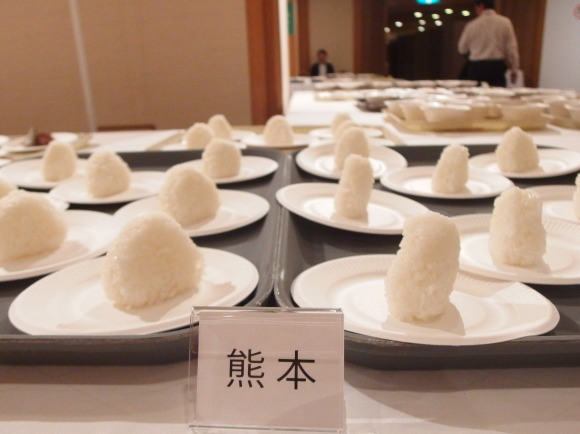
One of our reporters recently drew the enviable assignment of visiting this year’s Nippon no Umai, an annual event sponsored by Kirin that brings the best of Japan’s regional delicacies together under one roof. With so many tasty options on display, those of us not lucky enough to attend the tasting session, held at the super swanky Imperial Hotel in Tokyo, would have to settle for living vicariously through our correspondent’s report after he returned.
We were a little underwhelmed when we asked what he’d eaten, and his answer was “white rice with salt!” but we soon came to understand why he was looking quite so content.
Ah, election season in Japan! While for other countries this might mean a deluge of angry black-and-white TV commercials, in Japan it mostly means street-side speeches.
Last week, Prime Minister Abe swung by Fukushima City in Fukushima Prefecture to support local candidate Masako Mori, who’s the current minister of the Consumer Affairs Agency. And what did he talk about?
Something every guidebook mentions about table manners in Japan is that, while almost every restaurant and home keeps a bottle of soy sauce on the table, it’s there to add to things like sashimi and grated radish, and not to be poured on white rice.
This isn’t to say that people in Japan always eat their rice plain, though. A recent Internet popularity poll pitted four of the country’s top rice toppings against each other in a battle royale.
Say ‘sushi’ and you automatically think ‘Japan’. But a recent taste test by the experts suggests that the perfect sushi may not be 100 percent Japanese. Read More
You, Me, And a Tanuki is a weekly featured blog run by Michelle, a Californian who is currently one of only two foreigners living in Chibu, a tiny fishing village on one of the Oki islands in Japan. Check back every weekend for a new post or read more on her website here!
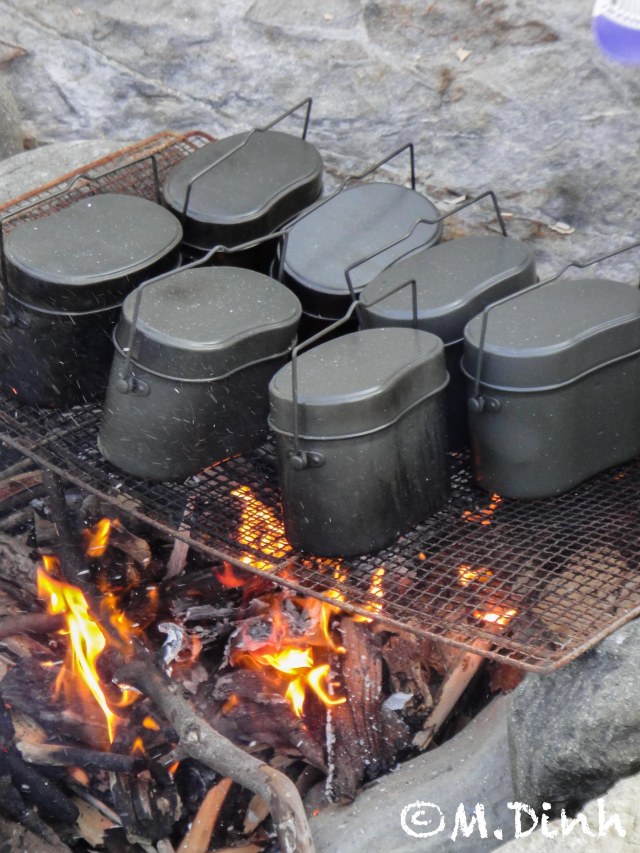
When I went on a camping trip last summer with the junior high students that I regularly teach, there were many things that surprised me. For example, we lit fireworks (sometimes firing them at each other), took a night walk to a creepy overgrown shrine, and stabbed snails at the bottom of the sea.
But the thing that caught my interest the most was the way they cooked rice while camping.
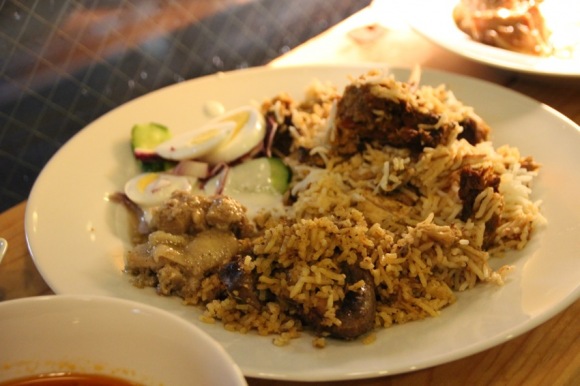
We Japanese love rice; we’re quite obsessed with rice, in fact. We all have our favorite brand of rice, depending on the specific type of rice and the location it was grown (yes, location is very important and can greatly affect the price of the rice), and some people shell out a fortune to buy super-expensive “high-end” brand rice. But not many Japanese people are familiar with biryani, the spicy flavored rice common in India and some Muslim countries as well.
One of our reporters at the Pouch site recently had the chance to taste some excellent biryani right in the middle of Tokyo and shares with us her experience. Her report follows below. Read More
What with the recent troubles and disputes in China concerning the Senkaku islands, and with many of the fervent anti-Japanese demonstrations often escalating into violence, Japanese both at home and abroad are understandably feeling a little delicate right now.
Japanese-owned stores and factories in China have borne the brunt of many nationalists’ anger, suffering considerable damage to property, and a number of Japanese businesses with locations in China are incurring significant losses.
With this in mind, we here at RocketNews24 are doing our bit to cheer Japan up and get back some of that lost pride.
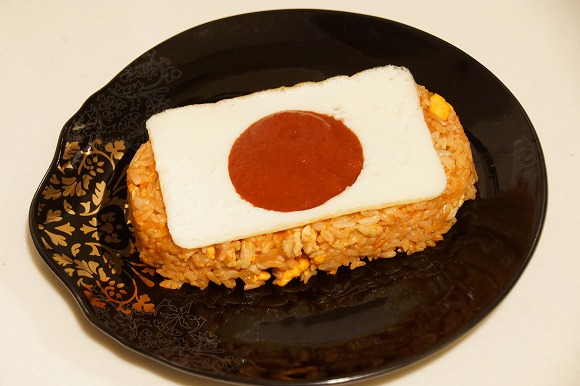
As well as buying plenty of Japanese-produced goods to give the economy a helping-hand, we’ve decided to add a dash of patriotism to our plates and bring you a recipe for possibly the most patriotic, yet easy to make, dish ever: Land of the Rising Sun Omu-Raisu (omelette rice).
So grab a frying pan, put on your apron, and let’s cook up a little cheer for Japan! Read More
On August 31, Greenpeace uncovered a study backed by the US Department of Agriculture (USDA) involving feeding genetically modified (GM) rice to children in Hunan province, China.
Chinese officials in Hunan immediately denied that the study had taken place but a few days later, a representative from Tufts University in the United States confirmed that they had indeed tested a new strain of GM rice on Chinese children in rural areas of Hunan.



 Uniqlo announces new T-shirts for One Piece, Naruto and more for manga publisher’s 100th birthday
 Krispy Kreme releases Super Mario doughnuts in Japan for a limited time
 Japanese kindness restores our faith in humanity after a highway bus accident in Tokyo
 Ghibli Museum building becomes a cuddly cushion
 Japanese politicians working to promote plastic model culture as a cultural asset
 Deer are appearing in Osaka City, may have wandered there from Nara[Video]
 7-Eleven Japan releases a crazy new viral sandwich: Chocolate Sprinkles and Whipped Cream
 Is Sapporio’s Snow Festival awesome enough to be worth visiting even if you hate the snow? [Pics]
 “Online streamer” tops dream job poll for young Japanese kids, older kids not so interested
 Expo 2025 mascot Myaku-Myaku to release tastefully erotic photo book
 Starbucks Japan releases new My Fruit³ Frappuccino at only 34 stores around the country
 Tokyo government organizes food truck event to clear out delinquent/homeless teen gathering area
 Nine amazing off-the-beaten-path cherry blossom spots in Japan for yaezakura and shidarezakura
 Japan now has a “for foreign tourists only” Mt. Fuji sightseeing train[Video]
 Stunning central Japan wisteria festival is like a purple fantasy straight out of a Ghibli movie
 Studio Ghibli releases the My Neighbour Totoro tea caddy, with a magical self-closing lid
 Japanese onsen egg maker from 100-yen store Daiso needs to be on your shopping list
 Create a tiny Ghibli anime world on your bookshelf with new miniature papercraft art kits
 Starbucks Japan unveils new sakura cherry blossom collection for hanami season 2026
 Train station platform ramen store closes its doors on half a century of history in Tokyo
 Studio Ghibli releases Catbus pullback keychain that runs like the anime character
 Nine great places to see spring flowers in Japan, as chosen by travelers (with almost no sakura)
 Starbucks Japan releases first-ever Hinamatsuri Girls’ Day Frappuccino
 Cherry blossoms begin blooming in Japan with record-early starts for sakura season
 Studio Ghibli adds new Mother’s Day gift sets to its anime collection in Japan
 Virtual idol Hatsune Miku redesigned with look that adds new elements and brings back old ones
 Survey asks foreign tourists what bothered them in Japan, more than half gave same answer
 Japan’s human washing machines will go on sale to general public, demos to be held in Tokyo
 Starbucks Japan releases new drinkware and goods for Valentine’s Day
 We deeply regret going into this tunnel on our walk in the mountains of Japan
 Studio Ghibli releases Kodama forest spirits from Princess Mononoke to light up your home
 Starbucks Japan releases new sakura goods and drinkware for cherry blossom season 2026
 Japan’s newest Shinkansen has no seats…or passengers [Video]
 Major Japanese hotel chain says reservations via overseas booking sites may not be valid
 Put sesame oil in your coffee? Japanese maker says it’s the best way to start your day【Taste test】
 No more using real katana for tourism activities, Japan’s National Police Agency says
 Deer are appearing in Osaka City, may have wandered there from Nara[Video]
 7-Eleven Japan releases a crazy new viral sandwich: Chocolate Sprinkles and Whipped Cream
 Is Sapporio’s Snow Festival awesome enough to be worth visiting even if you hate the snow? [Pics]
 “Online streamer” tops dream job poll for young Japanese kids, older kids not so interested
 Expo 2025 mascot Myaku-Myaku to release tastefully erotic photo book
 Japanese publisher sparks backlash over plan to have anime voice actresses pose for bikini photos
 Japan now has a “for foreign tourists only” Mt. Fuji sightseeing train[Video]
 How to make curry in a rice cooker with zero prep work and no water[Recipe]
 Death Note pop-up store opening in Japan, but not with the spotlight on Light or L【Photos】
 Japanese candy company make tearful, heartfelt apology for raising their prices… by US$0.07
 Studio Ghibli answers Spirited Away fan questions, reveals exciting facts and trivia behind the film
 Princesses, fruits, and blacksmiths: Study reveals the 30 most unusual family names in Japan
 Japan’s ministry of economy reminds us to “use sound judgment” before buying toilet paper
 Ramen restaurant in top Tokyo tourist neighborhood skips price gouging, but how does it taste?