bugs (Page 3)

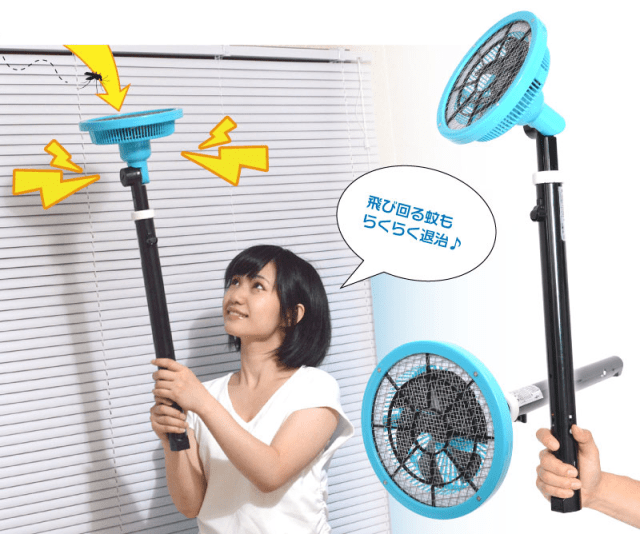
Home-made “bombs” aren’t lethal, let you swap insect invaders for a pleasant smell.
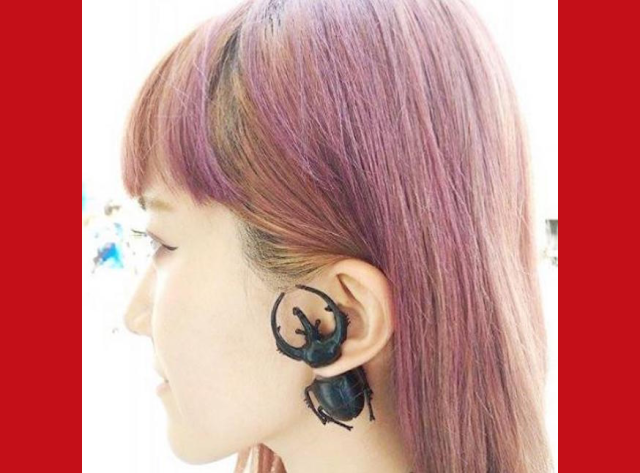


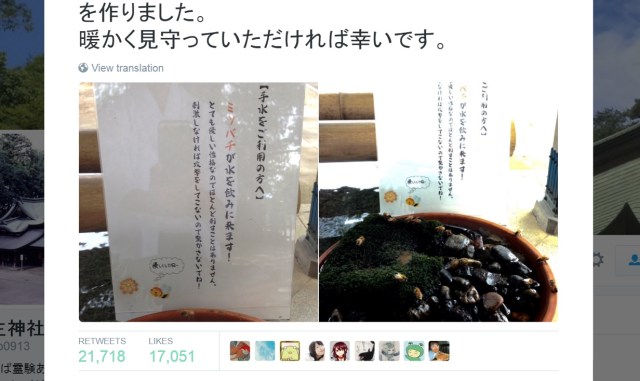
A shrine in Ibaraki Prefecture, Japan shows consideration for all of its patrons, from the humans to the bees!
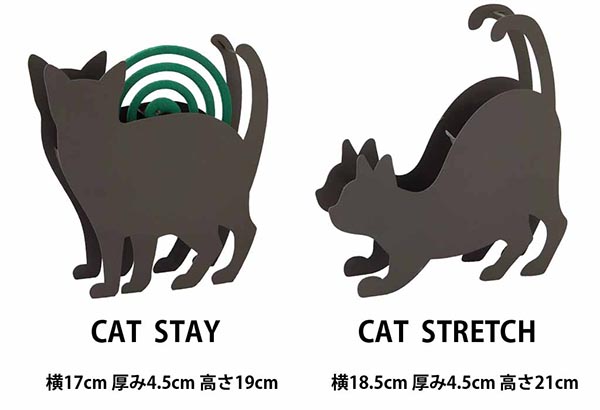
An online retailer offers stylish new coil stands to keep insects out of your barbecue and impress friends at the same time.
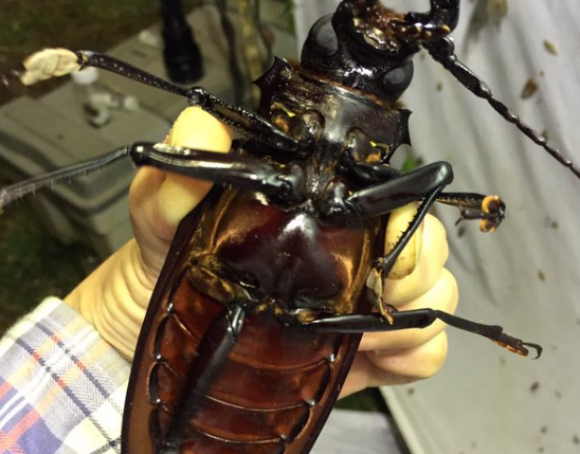
A bug enthusiast’s dream and your average person’s worst nightmare, this rare titan beetle discovery has set Japanese Twitter abuzz.
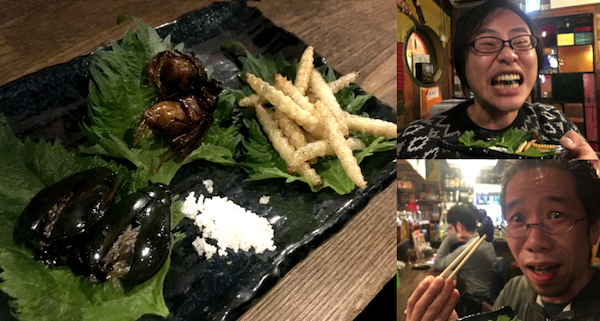
Tired of sushi standbys like tuna and salmon? An annual event in Tokyo recently served up mealworm nigiri and black wasp gunkan, plus a host of other bug-based foods and drinks.
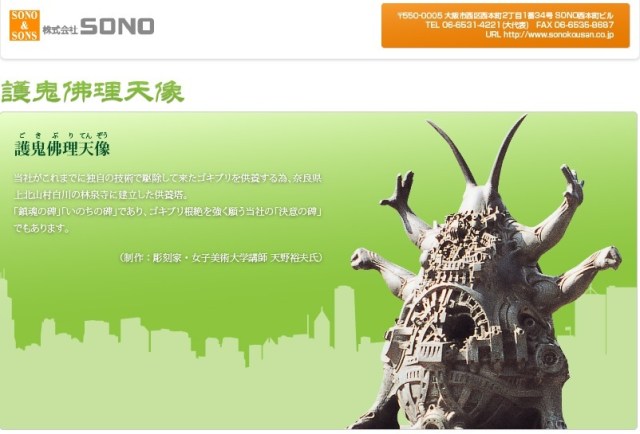
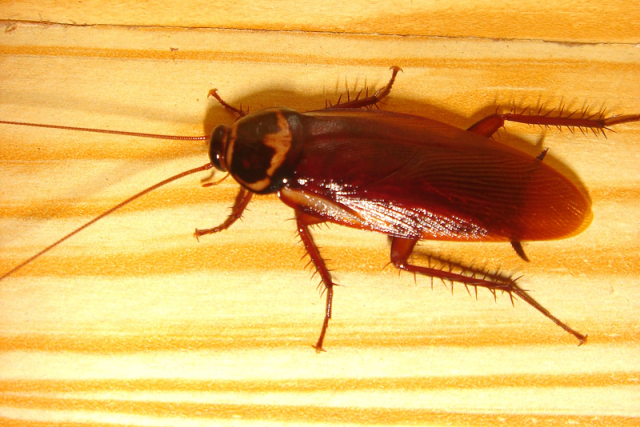
Sono & Sons is a building maintenance company that also specializes in pest control. Their SEARCH (We Safeguard our Environment with Alpha Roach Control Helper) system promises to leave any roach intruding on the sanctity of your home dead as Dillinger.
Despite their cold efficiency as slaughtering cockroaches, Sono & Sons also owe them a debt of gratitude. After all, roaches played a large role in building the company. So out of respect, they commissioned a memorial statue for all the cockroaches who have succumbed to their poisons and filled the company’s bank account as a result. They spared no expense either because everyone online is agreeing that it’s one cool statue.
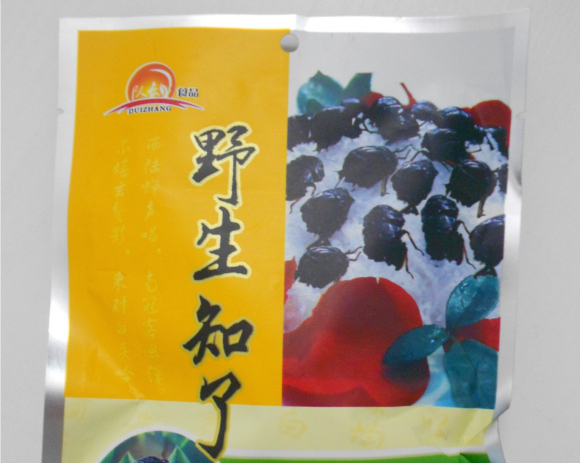
Some things are inseparable from a Japanese summer: fireworks festivals, face-melting heat and humidity, young men and women awkwardly courting in yukata, and of course the deafening roar of cicadas. Here, the vociferous critters just provide the soundtrack to summer, but did you know that in some places, they are on the summer menu too?
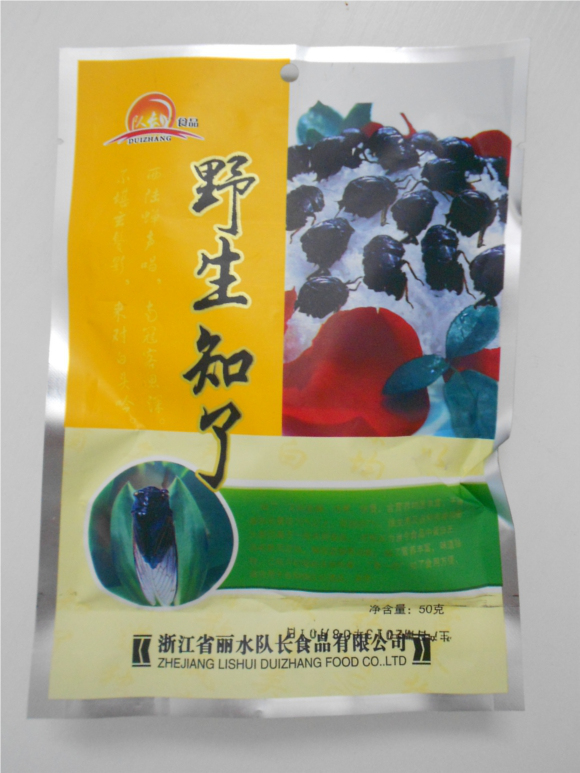
Our intrepid Japanese reporter Ponkotsu did and he sent off to the cicada-producing center of Lishui in China’s Zhejiang Province for a bag of bugs to taste test.
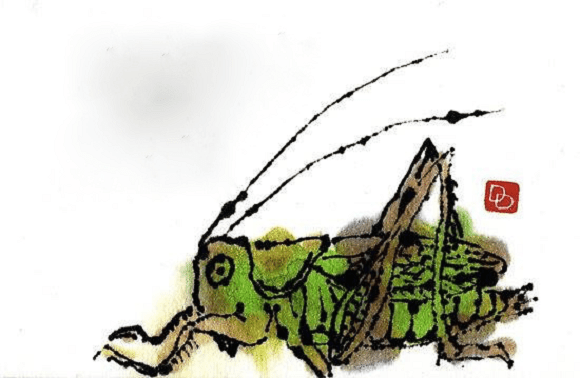
There’s no need to use toxic substances to kill off unwanted insects in Japan, because there’s a much more eco-friendly method they’ve been using for hundreds of years. Although it may not be scientifically proven, many people feel this is still the best way to get rid of everything from garden aphids to mosquitoes. And if the method has endured for centuries, it must be at least somewhat effective right?
This uniquely Japanese insect repellent is far cheaper than commercial insecticides, easier to implement, and you only have to use it once a year in spring or early summer. And the best part? It involves Japanese sake!
What’s the secret? We’ll let you know after the jump.
MOST POPULAR
Today
 Tokyo train station will play Godzilla theme song as new departure melody
 Experimenting with making hot sandwiches in the microwave with a device from Japan’s 3COINS
 Osaka man arrested for running little pet shop of horrors with dangerous crocodile
 Video released of Pikachu’s real-world trip to space! [Video]
 Family Mart releases 47 convenience store socks and stickers, one for every prefecture in Japan
 Starbucks Japan serves up new Coffee Espresso Cream Frappuccino for Nighttime Dolce Coffee range
 Shibuya goes hard on Halloween, announces countermeasures to prevent chaos on the streets
 My Neighbor Totoro calendar for next year can be yours right now at Donguri Kyowakoku
 Starbucks Japan unveils new Halloween goods with secret glow-in-the-dark details
 Tokyo government announces removal of all public phones from city’s Toei subway stations
Weekly
 Japan announces new permanent residency guidelines, foreigners must earn more than average Japanese person
 Studio Ghibli’s Calcifer is ready to light up your home as a magical-looking candle lamp [Photos]
- Family Mart releases 47 convenience store socks and stickers, one for every prefecture in Japan
- Tokyo train station will play Godzilla theme song as new departure melody
 Make-your-own-Totoro plushie workshop event coming to Ghibli Park park this fall
- Osaka man arrested for running little pet shop of horrors with dangerous crocodile
 Starbucks Japan says sayonara to the Filone for new sandwiches and a Pumpkin Soupuccino
 Casio collaborates with a Kyoto foil master for a luxurious one million yen G-SHOCK
 Foreign tourist numbers drop in Osaka, despite record-setting highs from U.S. and Korea
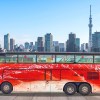 Japan’s first-ever conveyor-belt Sushi Bus announces Tokyo tour start date, reservations now open
Monthly
- Japan announces new permanent residency guidelines, foreigners must earn more than average Japanese person
- Family Mart releases 47 convenience store socks and stickers, one for every prefecture in Japan
 Starbucks Japan unveils new Pokémon collaboration with Pikachu Latte and exclusive goods
- Studio Ghibli’s Calcifer is ready to light up your home as a magical-looking candle lamp [Photos]
 Lady Gaga and Family Mart team up for a Japanese convenience store work video [Video]
 New Gundam Base superstores coming soon in the U.S., with one opening this month
 Studio Ghibli releases new plush mascot character collection with a focus on friendship
 Studio Ghibli releases new onigiri rice ball-shaped lunch bag for Kiki’s Delivery Service fans
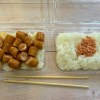 Do Japan’s new single-minded convenience store bento show depressing poverty or satisfying focus?
 How to watch Studio Ghibli’s new anime in Japan, with a special after-dark outdoor screening for Halloween
Yearly
 Japan announces sudden 400-percent increase in visa fees for foreigners entering the country
 Japan’s human washing machines will go on sale to general public, demos to be held in Tokyo
 Studio Ghibli has a new anime out, and there’s only one place in the world where you can see it
 Starbucks Japan releases new drinkware and goods for Valentine’s Day
 Starbucks Japan releases new sakura goods and drinkware for cherry blossom season 2026
 Japan’s newest Shinkansen has no seats…or passengers [Video]
 Tokyo subway installing new ticket gates that don’t accept payment through Suica or other IC cards
 Japanese ninja certification exam attracts 131 candidates from Japan and abroad
 Salomon releases Japan-exclusive Mt. Fuji hiking gear that doubles as an amazing souvenir
 Japan reportedly adding Japanese language skill requirement to most common foreigner work visa
RECOMMENDED STORIES
 Starbucks Japan serves up new Coffee Espresso Cream Frappuccino for Nighttime Dolce Coffee range
 Shibuya goes hard on Halloween, announces countermeasures to prevent chaos on the streets
 My Neighbor Totoro calendar for next year can be yours right now at Donguri Kyowakoku
 Starbucks Japan unveils new Halloween goods with secret glow-in-the-dark details
 Tokyo government announces removal of all public phones from city’s Toei subway stations
 Starbucks Japan releases new seasonal chilled cup tea latte with surprising accents in flavour
 If anyone needs us, we’ll be in the cardboard Japanese snack house we just built [Photos]
 Starbucks Japan releases new Halloween Frappuccino for 2026, inspired by a cat in a mystery forest
 Wendy’s Japan goes big with new limited-edition Mega Wendy’s, but is it worth the calories?
 Make-your-own-Totoro plushie workshop event coming to Ghibli Park park this fall
 Tokyo no-map-app walk! Getting lost with Mr. Sato on the way to Kishimojin
 Japan announces new permanent residency guidelines, foreigners must earn more than average Japanese person
 Yogurt and Japanese koji fungus is Japan’s latest food trend, but how does it taste? [Taste test]
 Sendai Bank gifts babies their weight at birth in money upon opening a new bank account
-