Two months into his job, the feline Palmerston is already looking to expand his outreach to a global scale.
Japanese language (Page 16)

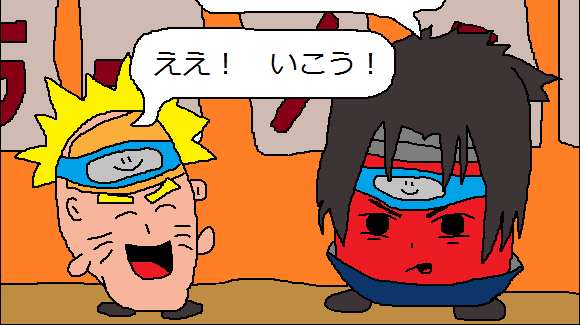
Read about the adventures of Narutoe – a ninja toe – and his friend Sauceke – a jar of tomato sauce.
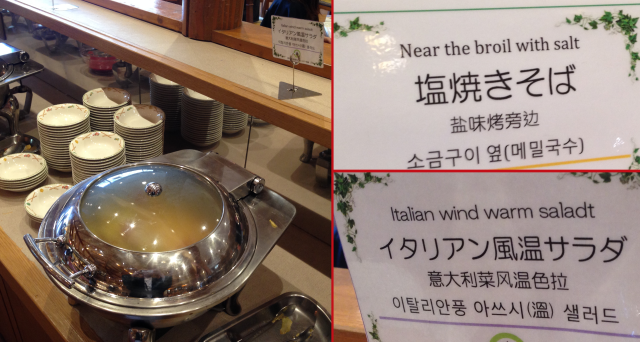
Is there a better way to start your day than with a nice plate of Italian wind saladt and “near the broil with salt?”

If you’ve ever wanted to learn Japanese through horribly-drawn manga, then today’s your lucky day!
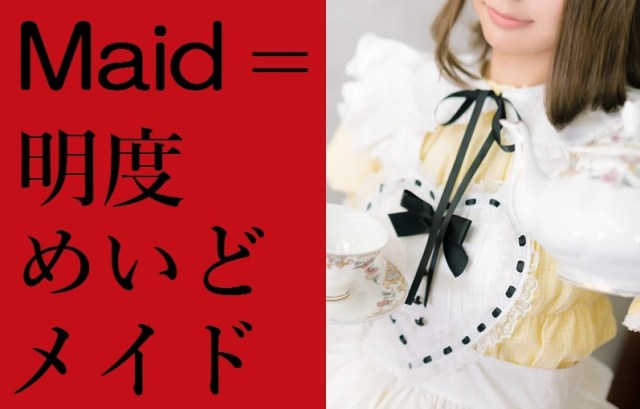
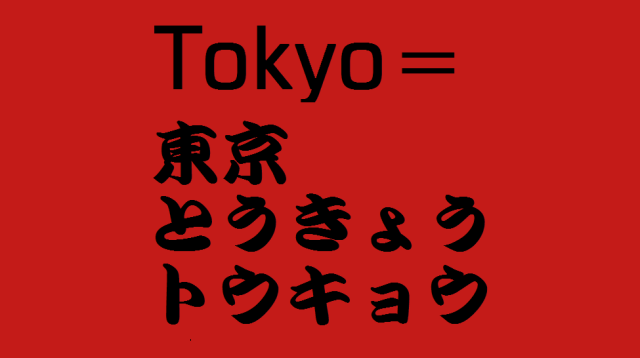
We’re back and ready to take on the third, and most puzzling, type of Japanese text: katakana.
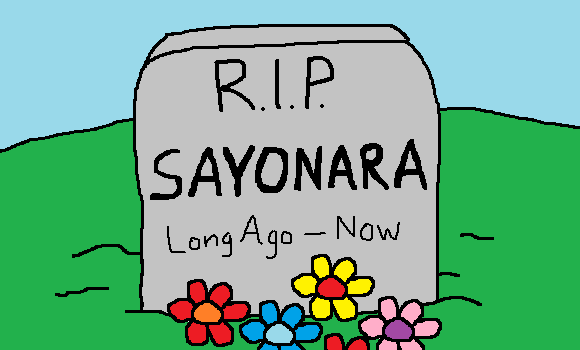
Sure, Pizza Hut, but do you English?
Offbeat learning aid has Japanese travelers cracking up even before the aliens makes their appearance.

Believe it or not, there’s a Japanese Way of taking photos. We’ve compiled some cultural guidelines as well as language tips to help you take happy snappies on your next trip to Japan!
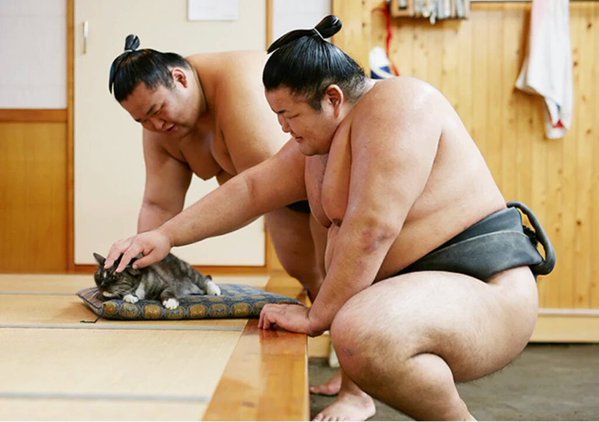
Learn about this sad sumo jargon while enjoying a few photos of sumo wrestlers petting cats!
We asked expats living in Japan if they thought that simply living here has made them a better person. Find out the results: the good, the bad and the ugly!
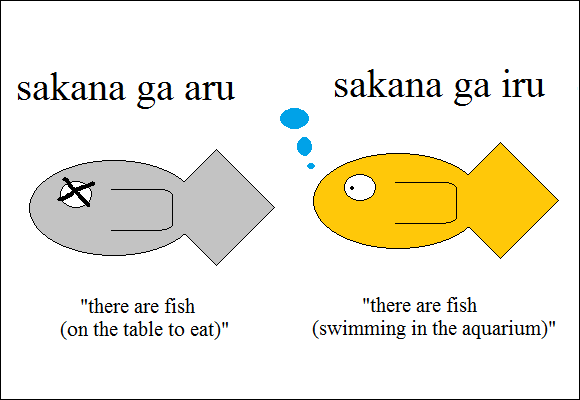
Master these and you can convince anyone you’re a native Japanese speaker…over the phone anyway.

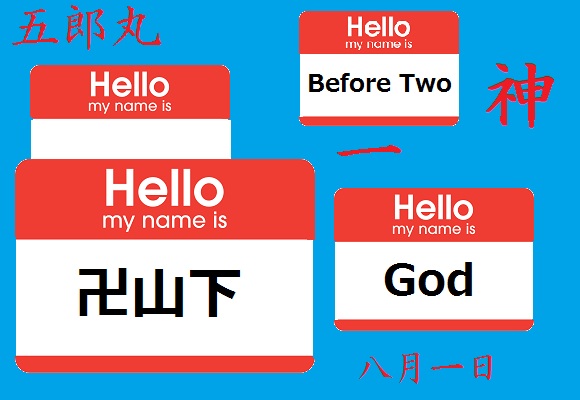
English language proficiency is a tricky subject with Japanese people. There’s always an excuse about why they can’t understand it, from, “I’ll never use English,” and “It’s not interesting,” to the catch-all, “It’s too hard.” Well, it’s a good thing the Ministry of Education isn’t looking to adopt any new fonts for their textbooks as a little-known computer font developed back in 1998 is gaining some notoriety for being absolutely impossible to read by native Japanese. You might be able to read it, but can your Japanese friends?
MOST POPULAR
Now
 Japanese trains in Sapporo might be better than those in Tokyo, thanks to one special feature
 Lawson convenience store at popular tourist site is one of the most unusual in Japan
 Schoolkids learn life skills through shopping field trips at street markets in Kochi Prefecture
 Downtown Tokyo’s meaty monster Kaibutsu ramen will challenge your stomach, thrill your taste buds
 Mr. Sato discovers his inner beaver with a 16-inch chocolate “twig” at Tokyo Station
 Star of Studio Ghibli’s Kiki’s Delivery Service now comes as a doll with four cute accessories
 Tokyo Station’s perfect breakfast spot might just be this izakaya Japanese-style pub
 Japanese kindness restores our faith in humanity after a highway bus accident in Tokyo
 Squat toilets’ popularity fading as parents call for them to be abolished in Japanese schools
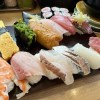 Randomly running into a great sushi lunch like this is one of the best things about eating in Tokyo
Weekly
 Japan reportedly adding Japanese language skill requirement to most common foreigner work visa
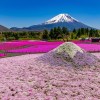 Mt. Fuji decorated with a 500,000-flower pink carpet is Japan’s ultimate spring view
 Pokémon and Ikea Japan cross over into each other’s worlds with collaboration events
 Starbucks Japan closing only Shinkansen platform branch for popularity-triggered renovations
 You can assemble a well-balanced team of Pokémon, them eat them, thanks to Japanese cake chain
 30 Pikachus want to share a Tokyo hotel room with you that has separate Grass, Water, Fire spaces
- Lawson convenience store at popular tourist site is one of the most unusual in Japan
 Man bites woman at cherry blossom park in Japan, dies shortly after
 7-Eleven Japan’s new baked-in-store sweet treat is only available in three parts of the country
 Peanuts and Coke becomes a viral hit in Japan, but is it a trend worth joining?
Monthly
- Japan reportedly adding Japanese language skill requirement to most common foreigner work visa
- Pokémon and Ikea Japan cross over into each other’s worlds with collaboration events
 Japan now has a special desk for people who work at home with a pet cat[Photos]
 Famous Tokyo cherry blossom spot installs view-blocking screens to fight overcrowding[Video]
 Uniqlo announces new T-shirts for One Piece, Naruto and more for manga publisher’s 100th birthday
 Train station platform ramen store closes its doors on half a century of history in Tokyo
 Starbucks Japan releases new My Fruit³ Frappuccino at only 34 stores around the country
 Krispy Kreme releases Super Mario doughnuts in Japan for a limited time
 Japanese onsen egg maker from 100-yen store Daiso needs to be on your shopping list
- Mt. Fuji decorated with a 500,000-flower pink carpet is Japan’s ultimate spring view
Yearly
 Survey asks foreign tourists what bothered them in Japan, more than half gave same answer
 Japan’s human washing machines will go on sale to general public, demos to be held in Tokyo
 Starbucks Japan releases new drinkware and goods for Valentine’s Day
 We deeply regret going into this tunnel on our walk in the mountains of Japan
 Starbucks Japan releases new sakura goods and drinkware for cherry blossom season 2026
 Studio Ghibli releases Kodama forest spirits from Princess Mononoke to light up your home
 Japan’s newest Shinkansen has no seats…or passengers [Video]
 Major Japanese hotel chain says reservations via overseas booking sites may not be valid
 Put sesame oil in your coffee? Japanese maker says it’s the best way to start your day【Taste test】
 No more using real katana for tourism activities, Japan’s National Police Agency says
RECOMMENDED STORIES
 Star of Studio Ghibli’s Kiki’s Delivery Service now comes as a doll with four cute accessories
 Tokyo Station’s perfect breakfast spot might just be this izakaya Japanese-style pub
 Japanese kindness restores our faith in humanity after a highway bus accident in Tokyo
 Squat toilets’ popularity fading as parents call for them to be abolished in Japanese schools
 Randomly running into a great sushi lunch like this is one of the best things about eating in Tokyo
 Gravure model NFT series wants to attract online investors, real-world visitors for hot springs
 Pringles Chocolate, but with a Japanese twist, is the snack hack you should be trying right now
 New Japanese KitKats come in sakura flavour, with poetic symbolism for success
 Senkoji: The Japanese temple that’s more like a theme park to heaven and hell
 W.T.F. Japan: Top 5 strangest kanji ever 【Weird Top Five】
 Cowboy Bebop creator’s Samurai Champloo anime to become live-action series from Hollywood studio
 Now you too can imprison a wizard with real-life “Frozen” handcuffs
-
