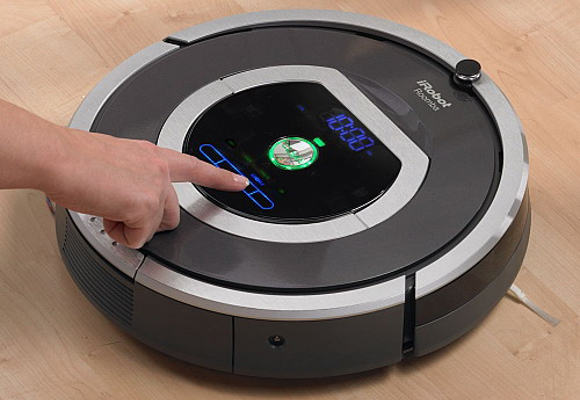
If your child has a better relationship with the robotic vacuum cleaner than with you, then you might have a problem.
Bringing you yesterday's news from Japan and Asia, today.
work (Page 3)
If your child has a better relationship with the robotic vacuum cleaner than with you, then you might have a problem.
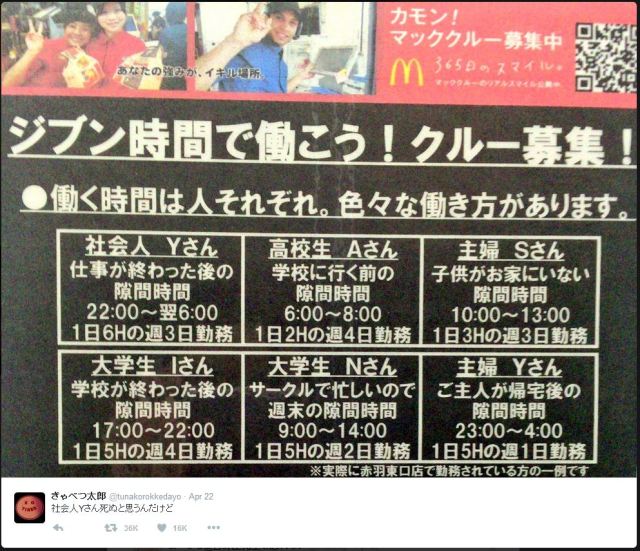
Work part time for McDonald’s Japan and join the ranks of housewives, students, and Y-san: the saddest person you’ll ever meet.
Read More
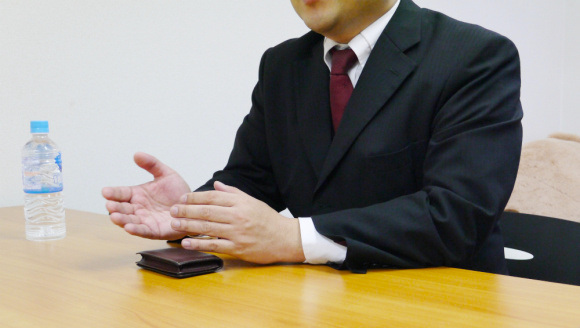
Full-time butlers are pretty hard to come by these days, so when we had the chance to meet one such professional in Japan, we leapt on the chance to ask him a bunch of questions to ask about his role—like how come they don’t wear coattails anymore?

With December less than two weeks away, Japanese companies are beginning to make preparations for their annual bounenkai (end-of-year) and shinnenkai (New Year) parties. Even if they’re the kind of people who sometimes duck out on after-work drinks with the boss, most Japanese employees are painfully aware that skipping the biggest corporate celebrations of the year is tantamount to career suicide.
Because large-scale events usually require more space than your average drinking party, many Japanese companies have recently been moving away from typical sit-down enkai banquets and are holding more Western-style events where staff are encouraged to move around freely and interact over a few drinks.
But according to a recent survey, these Western-style work socials are overwhelmingly unpopular in Japan. Here are the top seven reasons why.
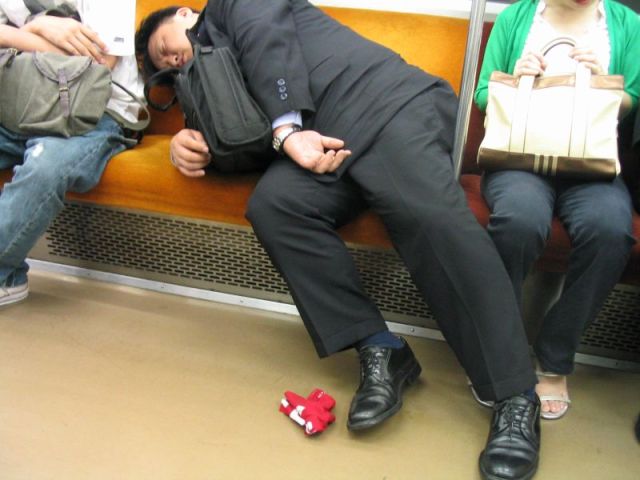
It’s no secret that Japan may be headed for a bit of a labor crunch, as the population ages and many older workers reach retirement age with fewer young up-and-comers to replace them. And, while the Japanese government seems reluctant to take measures to replenish the shrinking workforce with foreign laborers, non-Japanese workers are nevertheless entering Japanese corporations and workplaces in record numbers.
But Japanese offices are also notorious for their long hours, slow pace of advancement, and frequent, long meetings. Traditional Japanese companies seem stuck in an old-school work culture even as companies in the rest of the world offer increasingly progressive work-life balance programs, workplace perks, and office hours.
With this stark contrast in mind, our Japanese sister site tracked down seven non-Japanese workers to get their for-realsies impressions of what it’s actually like to work at a Japanese company.

For many young people in Japan, August means summer vacation, festivals and free time. For fourth-year university students however, it means time to start interviewing for jobs. The job-hunting process in Japan is long, grueling and very systematic, culminating in interview after interview for the jobless, soon-to-graduate, young adults.
Interviews can be nerve-wracking for even the most experienced candidates, but Japanese companies don’t always ask the most predictable questions. In fact, some of their questions can be downright weird. Many of these oddball interview questions, however, may not actually be legal.
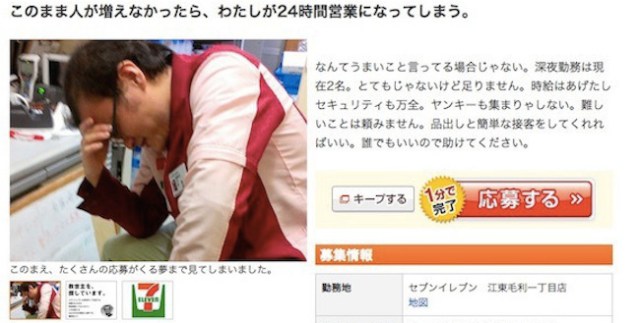
If you are unemployed and living in Japan, we may have found a perfect job for you. No experience is necessary, it’s a pretty safe gig and you won’t have to do anything too difficult. You will, however, be a savior, a hero, and a knight in shining armor for one overworked, stressed-out, and understaffed, 7-Eleven store manager in Tokyo.

Ijime, or bullying, is sadly as much a part of Japanese school life as it is in any other country. In Japan, too, each school has a sort of social hierarchy, where the “cool kids” often pick on or exclude the nerdy/unsporty kids, and everyone gets shuffled around until the “stronger” kids are on the top and the “weaker” kids are on the bottom.
But in a society like Japan, where group mentality is so important, you’d be mistaken for thinking that after high school everyone just flutters off to become their own special snowflake and cast off the mental wounds of a tough adolescence.
In other words, if someone was bullied in school, there’s a chance they’ll keep on being bullied by the same people right on through their working days if they stay in the same town. So how does this “high school hierarchy” continue to affect the lives of adults in Japan?

There are many “symbols of Japan”–from Mt. Fuji to Akihabara, the country has numerous faces to the outside world. But regardless of what comes to mind when you think of the country, there’s a good chance that you’ll stop by one of its many convenience stores on the way to your destination. In many ways, the army of small shops that squat on half the corners from Hokkaido to Okinawa are the perfect symbol of the country. But it looks like the convenience stores of Japan are now facing a serious problem: They can’t find enough employees!
The Japanese work environment might qualify as a something of a business paradise because Japanese workers so rarely take a day off. They are instead known to put in tons of free overtime and often don’t use “sick leave“. There is even a word in Japanese for “death from overwork”: karoshi.
Despite the health risks, many won’t take the day off if they are feeling a little under the weather. But what do Japanese people consider “a little sick” and “really sick”? A survey was conducted aiming to answer that question. Do their answers line up with your own, or would you file them away under “only in Japan”?
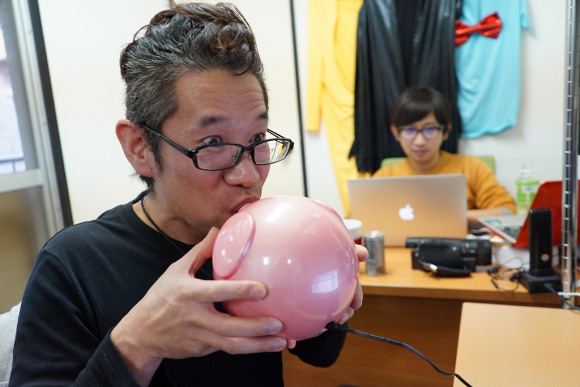
Picture the scene. It’s 5pm on a Friday evening and you really, REALLY need (and deserve) a cold beer to reward yourself after a hard week’s work. But what’s that? Oh no! The boss wants you to do overtime!? Argh!
If this scenario sounds like the ninth circle of hell to you, fret not! RocketNews24 is here to bring you a genius new “life hack” which will enable you to achieve a state of blissful inebriation right underneath the boss’s nose, without even having to leave your desk! (Disclaimer: RocketNews24 is not responsible for any loss of earnings or reputation that may result from practicing this “experiment”. This post is for entertainment purposes only. Ahem.) Okay, Mr Sato, let’s see how it’s done!
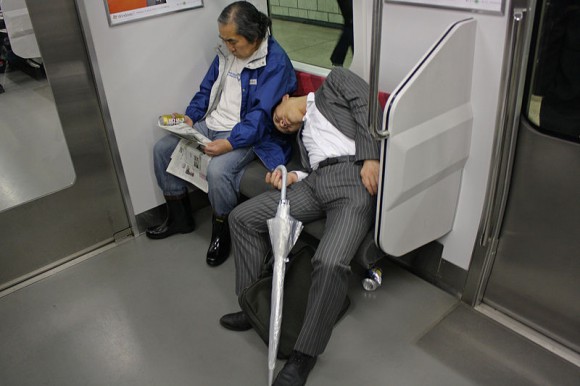
It’s a stereotype about Japan that most people are familiar with – the Japanese work hard, give their lives to the company, and stay at work until after the boss has gone home. It’s a country where karoushi, or death from overwork, is a commonly-used buzzword. While some people might argue that the Japanese don’t actually work any harder than those in the west, it certainly seems that they’re working longer hours than the rest of us.
But as a consequence, how much sleep are they getting?
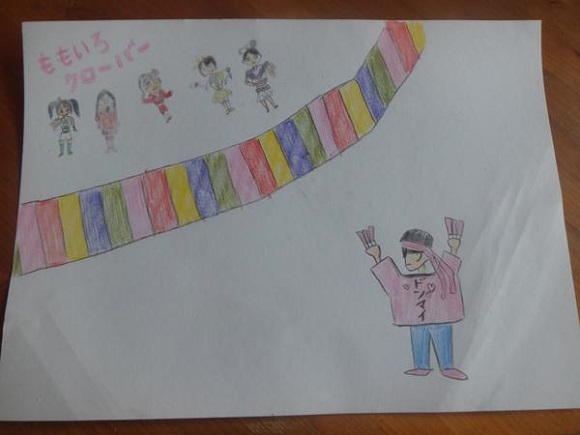
Some say that puns are the lowest form of humor–we say those people have no sense of humor! Of course, that’s not to say that all puns are comedic genius, a fact easily proven by turning on any used car lot commercial, but we love a good pun.
While not all puns are created equal, we have to say that our favorite puns often come from children. There’s something perfectly surreal about a child’s fumbling of language–but of all the puns we’ve seen, this might be one of the best…

When crazy ideas work, they can be genius. And if that little spark of genius makes our working day just that little bit easier to get through, it’s got to be applauded and shared.
So, without further ado, we bring you the foot hammock. With benefits for your physical and emotional well-being, there’s never been an easier way to rest your body and your mind while at work.
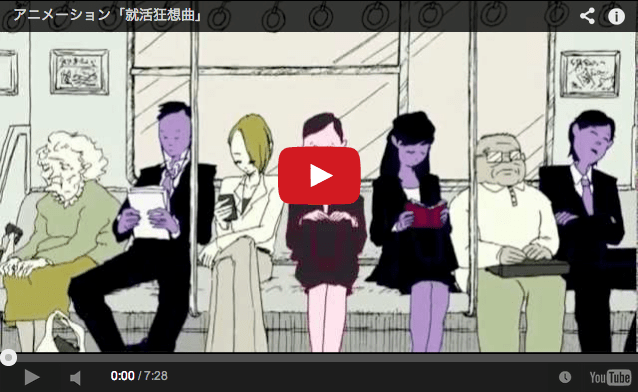
During Japan university students’ final year, many go through a long, physically and mentally draining process of finding a job before they graduate; a process known as “shuukatsu.” Students don matching black suits and attend job fairs, company briefing sessions and employment seminars en masse in the hopes of obtaining a job offer, or “naitei.” Young people often complain about the soul-sucking system and how difficult it can be to land a job offer without completely abandoning your personality along the way.
Recently, an animated short film has been making waves among Japanese netizens for the horror movie-like way it portrays the difficult and often depressing job hunting process in Japan.
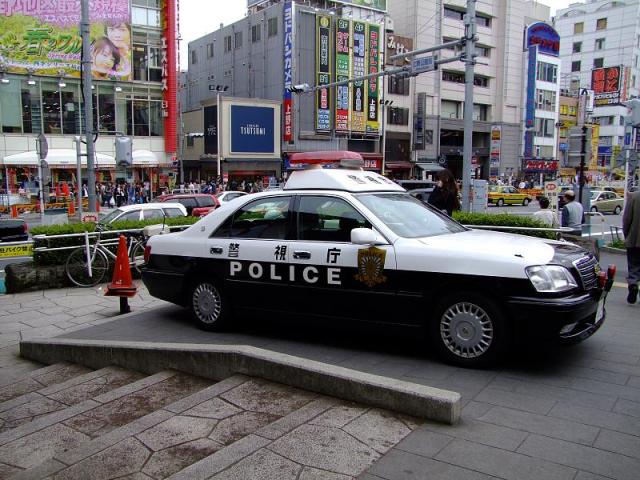
An investigation into the suicide of a police officer in a Tokyo police station has found that harassment from a superior contributed to his death. While the chief is now facing disciplinary action, it has again highlighted the problem of abuses of authority in Japanese workplaces, also known as ‘power harassment’, or pawahara in Japanese.

To all of our lovely women readers out there – have you ever felt betrayed by another female friend? Perhaps you were deceived and taken advantage of. Perhaps the coworker you trusted as your confidant was surreptitiously spreading scandalous rumors about you behind your back. Whatever the situation was, it was sure to have been an unpleasant experience.
A recent survey on popular Japanese site Mynavi Woman asked its female readers the same question as above. Dozens of women shed light about backstabbing friends and unbelievable scenes from the past. Have any of the following situations ever happened to you?
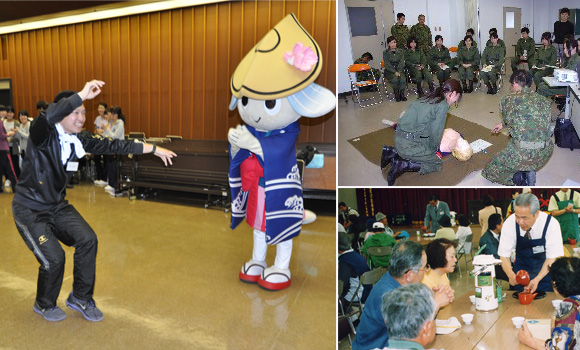
There appears to be a generational shift in the workforce of Japan recently. New additions to companies labelled as “monster recruits” in the media, along with a reported 30% of new employees quitting in three years, are leading organizations to look into new ways to protect their human resource investments. Many of the following training methods have been carried out for decades but have been steadily growing in popularity among Japanese companies.

Long before we had color television, microwave ovens, mobile phones and the all-mighty Internet, many things had to be done manually and took more time and effort to accomplish. While you may be reading RocketNews24 on your computer or mobile gadget now, the latest news and information used to be only available on handwritten sheets many moons ago.
In many cases, improvement and changes to traditional methods bring greater convenience to the masses, but gone with the olden ways of things are fascinating jobs that once existed to make life easier for the people of their era. How do you think people woke up on time for work before alarm clocks were invented?
 Japan approves foreign resident visa renewal fee increases of up to 967 percent, starts soon
 Japan tripled its departure tax to fund tourism but is using the money on cherry blossoms and bears
 Tokaido Lumière Express: Stay overnight inside the Shinkansen from Osaka to Tokyo
 McDonald’s Japan reveals exclusive new Tsukimi moon viewing collection for 2026
 Nike x One Piece collection brings Devil Fruits to sneakers and streetwear in Japan
 Data suggests increased bear sightings have led to a decrease in mountain climbers across Japan
 Nephew of Studio Ghibli director Hayao Miyazaki serves up Totoro Shaved Ice in Tokyo
 Ministop brings bulked up Okinawan-style rice balls to mainland Japan for one week only
 Starbucks Japan adds new Customisation Bar to stores, with free ways to hack your food and drink orders
 Domino’s puts a new spin on moon viewing with Tsukimi dango-inspired tarts in Japan
 7-year-old boy left behind on Mt. Fuji by his own dad
 Sushi Bus: Japan’s first conveyor-belt bus lets you eat sushi while sightseeing around Tokyo
 Studio Ghibli unveils new interactive stationery dioramas that bring anime movies to life on your desk
 Anime fans can now wear a Seiko watch inspired by Japan’s One Piece ShinkansenJapan tripled its departure tax to fund tourism but is using the money on cherry blossoms and bearsNike x One Piece collection brings Devil Fruits to sneakers and streetwear in Japan
 7-Eleven Japan brings back best-selling flat croissant that became a hit on social media
 Studio Ghibli composer Jo Hisaishi just set three Guinness Records
 Foreign hiker on Mt. Fuji loses consciousness and dies, becoming climbing season’s second fatality
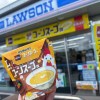 We recommend not buying one pack of Japan’s new convenience store corn soup-flavor fried chicken
 12-year-old British girl who went missing in Tokyo found safe after visiting anime sites around Yokohama7-year-old boy left behind on Mt. Fuji by his own dad
 Air-conditioned dress shirts arrive in Japan to save working professionals from sweltering heatSushi Bus: Japan’s first conveyor-belt bus lets you eat sushi while sightseeing around Tokyo
 Pokémon Center Online designates first Pokémon items that will require Japanese ID card to buy
 Japanese toilet aims to attract foreign tourists but not everybody is happy about it
 Tokyo’s newest viral dessert is like a Japanese parfait inside a bread bun [Taste test]
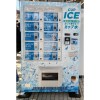 New Japanese vending machine at Shinkansen station sells cups of ice on platform
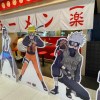 Study finds hundreds of people in Indonesia legally named after Naruto, Inuyasha, other anime stars
 Japanese vending machine sells freshly squeezed lemon juice with a futuristic light show
 Japan announces sudden 400-percent increase in visa fees for foreigners entering the country
 Japan’s human washing machines will go on sale to general public, demos to be held in Tokyo
 Studio Ghibli has a new anime out, and there’s only one place in the world where you can see it
 Starbucks Japan releases new drinkware and goods for Valentine’s Day
 Starbucks Japan releases new sakura goods and drinkware for cherry blossom season 2026
 Japan’s newest Shinkansen has no seats…or passengers [Video]
 Tokyo subway installing new ticket gates that don’t accept payment through Suica or other IC cards
 Japanese ninja certification exam attracts 131 candidates from Japan and abroad
 Salomon releases Japan-exclusive Mt. Fuji hiking gear that doubles as an amazing souvenir
 Put sesame oil in your coffee? Japanese maker says it’s the best way to start your day【Taste test】
 Data suggests increased bear sightings have led to a decrease in mountain climbers across Japan
 Nephew of Studio Ghibli director Hayao Miyazaki serves up Totoro Shaved Ice in Tokyo
 Ministop brings bulked up Okinawan-style rice balls to mainland Japan for one week only
 Starbucks Japan adds new Customisation Bar to stores, with free ways to hack your food and drink orders
 Domino’s puts a new spin on moon viewing with Tsukimi dango-inspired tarts in Japan
 We recommend not buying one pack of Japan’s new convenience store corn soup-flavor fried chicken
 Amid foreign sex tourist rise, Japanese government considering outlawing paying for prostitution
 Dragon Ball Z theme park, financed by Saudi Arabia, to be built in France
 Police in Japan looking for who’s responsible for dumping 80 loaves of bread on side of road [Video]
 Pikachu and other Pokémon evolve into hydration types with Thermos drinkware collaboration [Pics]
 Winnie the Pooh cosplays as Yuzuru Hanyu for new plushie collaboration
 Sushi Bus: Japan’s first conveyor-belt bus lets you eat sushi while sightseeing around Tokyo
 Japan’s double-decker portable rice cooker/bento maker is better than ever with new version
 Turn octopus, spaghetti, and more of your favorite foods into crackers with Senbei Maker 2