As you may have heard, the Japanese population has taken a turn for the older…and the smaller. In fact, it has even topped a list of five countries facing “extinction” according to Sputnik Japan. The statistics have got a lot of people talking online, and we’re here to share all the tongue-wagging with you!
That might not sound like a shocking headline for those of us whom have been taught to brush right after every meal from an early age. But recent reports from the past decade have been suggesting something different.
Articles from the Mayo Clinic, Colgate, and New York Times among others have been advocating waiting 30 to 60 minutes after eating to brush. Apparently the delayed brushing movement has gotten so strong that parents Japan are beginning to complain to schools making children brush their teeth right after lunch time.
So the Japan Society of Pediatric Dentistry (JSPD) issued a statement telling everyone to not believe the hype and that it’s actually in your best interest to brush right away.
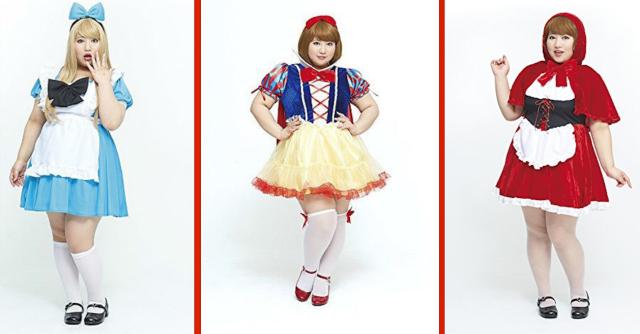
Over the past couple of years there has been something a revolution in the perception and treatment of chubby girls in Japan. With the coining of the term “Marshmallow Girl,” plus-sized girls across Japan have been gaining confidence and options in the fashion world. There is now a fashion and beauty magazine dedicated to these girthy girls and even an idol group!
Although the fashion world is slowly coming around to providing for these larger-than-average young ladies, there are still holes in certain sectors, like cosplay. “Marshmallow girls” can rejoice, however, as a special line of plus-size costumes is due to be released this fall.
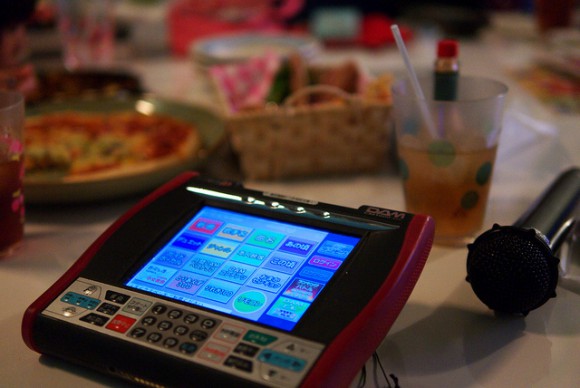
Karaoke in Japan tends to be a little different from in the west, and it comes with its own set of rules and etiquette that it’s a good idea to learn if you want to keep being included in karaoke parties.
Whether it’s your first time ever singing in (semi-)public or you’re a seasoned karaoke veteran back home, these six tips for not being a total karaoke bore will help make your singing sessions super special (and not at all humiliating…).
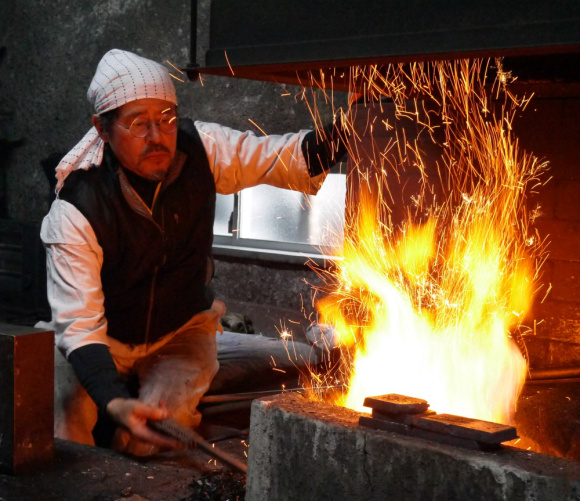
You could say that the traditional Japanese sword, or katana, symbolizes the strength and beauty of the Japanese spirit. We see these swords quite often in comics, anime and movies, but how well do we really know the spiritual and cultural elements they embody?
To find out, we went to a true expert to learn about the fascinating and mysterious world of Japanese swords. Join us for an in-depth interview with master katana maker Norihiro Miyairi!
“On that day, the writers of RocketNews24 received a grim reminder. We lived in the shadows of the Titans and had to become the Titans themselves to live in these cages we called the Internet.”
Free Attack on Titan face packs?! Of course we had to try it! We even made some customizations in an attempt to give Satosshi a run for his money, but alas, it seems that none of us have attained his level of Rocket-ness as of yet. Check out our titanic beauty experience after the break!
You can probably describe about 90 percent of fast food with some combination of the words “convenient,” “greasy,” and “delicious.” In the case of Japanese hamburger chain Lotteria, though, you’ll want to make an addition to your vocabulary list: “crazy.”
Oh, sorry, looks like a typo slipped through. That should actually be “crazy!!!”
Lotteria is sort of the playground daredevil of the Japanese fast food scene. On just about any given day, you’ll find at least one item on the menu that seems to have been created not so much because it’s a good idea, but so that the restaurant can say, “Hey guys! Look at what I can do!” Every now and again, though, Lotteria gets its batch of crazy sauce just right, which is why it’s bringing back the awe-inspiring Burger with Everything on It.
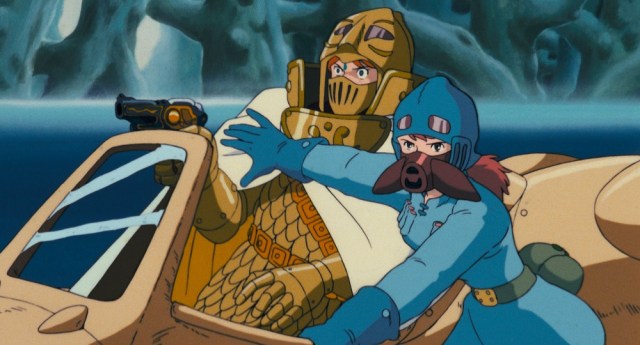
How much of a Hayao Miyazaki purist are you? Have you never once set your Spirited Away DVD to the English-dubbed audio? Do you cringe at the thought of watching Castle in the Sky Laputa with its reworked soundtrack? Do you actually pronounce warrior princess Nausicaa’s name with the “shi” sound it contains when rendered in Japanese text?
Even if you answered yes to all those questions, it’s unlikely you’ve got as much love for the Studio Ghibli cofounder as Evangelion creator Hideaki Anno. Why? Because for Anno, even movies directed and written by Miyazaki himself don’t have enough Miyazaki-created content.
Push-buttons at a pedestrian crossing are a pretty standard safety feature at most intersections.
But how long does a push button need to be? And we’re not talking about the length of time waiting once you press the push button, but the length of the actual push button…
Remember when you were a little kid, and your parents would take you to the park to play? Not only were you having fun, you were developing important motor skills as you ran around, did somersaults, and swung on the monkey bars. Maybe when you got a little older and more coordinated, you’d even play catch with your mom and dad.
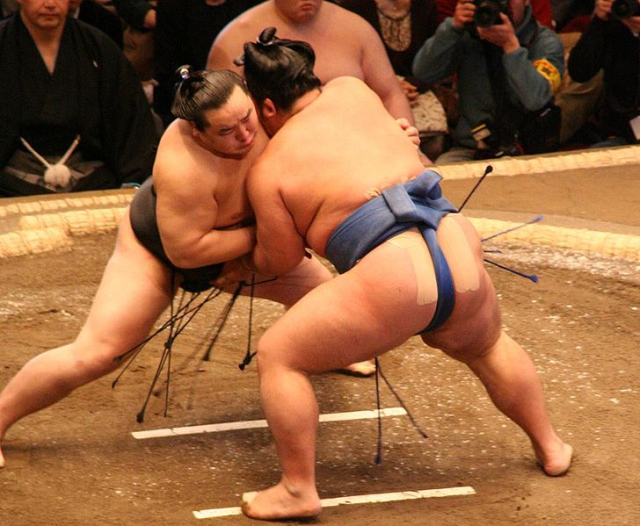
But did your parents love you enough to have a couple of sumo bouts against you?
The Walking Dead actor Norman Reedus posted his reaction to reports that director Guillermo del Toro said their Silent Hillsgame project is not going to happen.
With some jobs, the risks are obvious. Want to be an F1 racer? Driving cars at unsafe speeds is pretty much the extent of your work responsibilities. Firefighter? Be prepared to get up-close and personal with dangerous flames, because after all, the position isn’t called “fire-mediation-and-peacekeeping-liaison.”
Working the gate at a fan event for a video-sharing website seems like it should be relatively safe, though. That’s not always the case, though, as one man found out when he became a human speed bump standing against a crowd of stampeding fans at the recent Niconico Chokaigi.
Who’s ready for the hot and humid summer? We’re approaching the second half of spring here in Japan, so that means it’s almost time to get out those Cool Biz clothes and your sweat towels, because this summer is bound to be as uncomfortably muggy as always.
Starbucks has your back this year though. Later this month they’ll be releasing the “Starbucks Frozen Drink Maker” – a reusable mug that doubles as a super simple frozen coffee mixer. It’s easy, it’s cold and it’s delicious. Let’s take a look!
On April 15, representatives from Gifu Prefecture’s Chubu Gakuin University and its affixed junior college reached an agreement with Japan’s major retailer Aeon that will allow university students to earn credits while working part-time in paid internships. The deal was born out of a desire to provide students with more practical work experience while at the same time strengthening ties to the surrounding community.
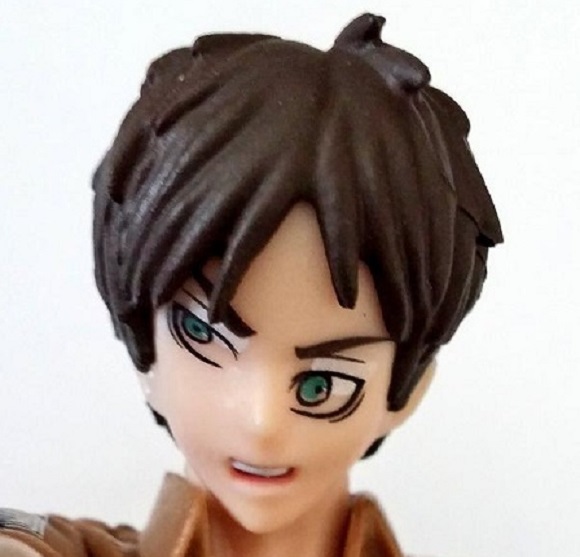
Despite the Attack on Titan franchise being massively popular on an international scale, why is it that the toy companies just can’t seem to get the darn character figurines right?
We’ve already seen the shoddy Levi figure that surfaced last year, and now there appears to be another disappointing officially licensed Eren model on the market, too. And we have to say, we really can’t blame one fan for lamenting the poor quality of her new toy at all…
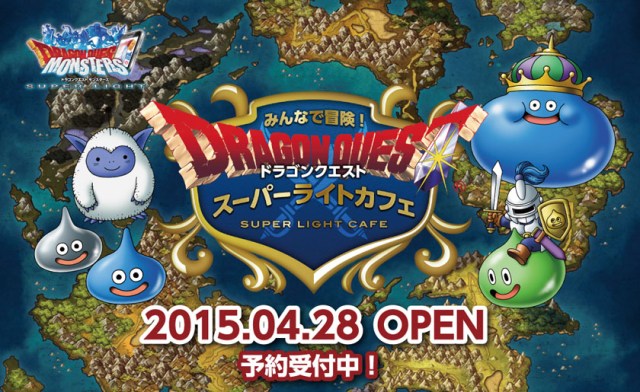
Beating on smiling blue slimes for single points of experience and coins of gold is taxing work. So for those famished dragon questers and/or warriors in the Tokyo area Square Enix and TBI are set to open the Dragon Question Super Light Cafe (DQSL Cafe).
The cafe is expected to be modeled after the Dragon Quest world and feature dishes based on its characters. This may be the only time that you can nibble on a metal slime (risotto) and sip on a killing machine at the same time. But there are more secrets to be had here as well! Command?
Remeber Gudetama, the lazy eggcharacter from Hello Kitty owner Sanrio? Well, it turns out that the unmotivated egg with an extremely unmascot-like personality has gained quite a following in Japan. Apparently, his soft appearance and to an even greater extent, his lazy disposition, which prompts him to mutter phrases like “I have no strength” and “I can’t feel motivated enough to do anything” have earned him considerable popularity. In fact, he’s popular enough to have had his very own character cafe for a limited time in the past, and recently, he’s been collaborating with Dotonbori, a chain of restaurants that serves okonomiyaki, which are Japanese pancakes containing various ingredients such as cabbage, meat and seafood.
That’s right, at Dotonbori, you can use actual eggs to add realistic Gudetama faces to your food. Now, that sounded like too much fun to pass up, so our reporters from our Japanese sister site went to one of the Dotobori shops and actually tried it! Read More
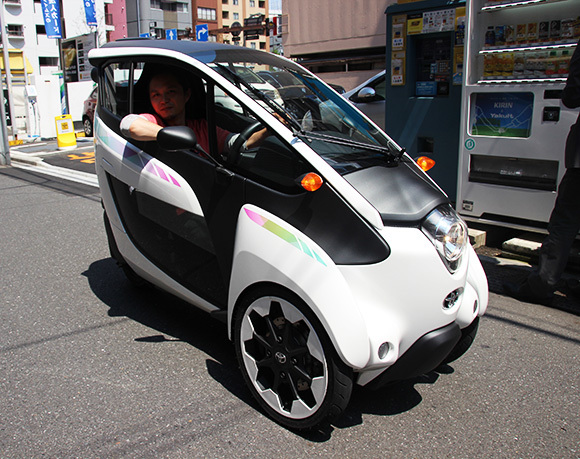
Not quite a car, not quite a motorcycle, the Toyota i-Road is a three-wheeled electric vehicle designed just for urbanites. Small, sleek and ultra slim, on paper the i-Road seems like the perfect solution to Tokyo’s traffic jams and woefully limited – not to mention expensive – parking.
But what’s it like to actually drive one of these things? Our Japanese team headed out to try an i-Road for themselves. Check out their video after the jump!
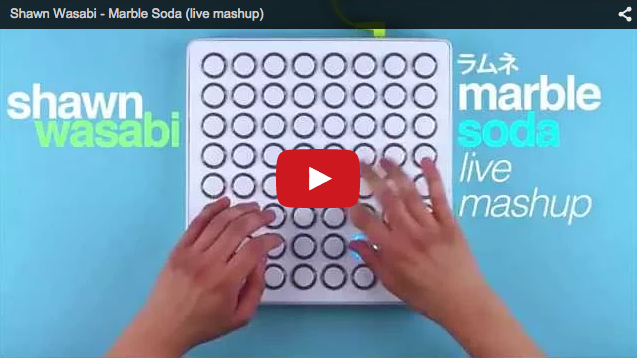
Shawn Wasabi mashed up a list of his favorite songs and sound effects to create the original track “Marble Soda.” Wasabi uses a Midi Fighter by DJ Techtools to assign 153 different sounds used during the song. Among them are “Fushizen Na Girl” by Perfume, “PONPONPON” by Kyary Pamyu Pamyu, “Prelude” from Final Fantasy VII, and Pikachu’s iconic “Pika!”
You could argue that it’s silly for the heroines of Sailor Moon to wear heels, seeing as how, like clockwork, they’re required to head into battle against dangerous monsters once a week. But while the Sailor Senshi are the defenders of humanity, they’re also five fashionable young girls, so you can see how they (or series creator Naoko Takeuchi) would be reluctant to go with, say, combat boots instead.
If you’re a Sailor Moon fan living in the real world, though, fighting evil probably doesn’t figure into your footwear choices, leaving you free to step out in these heels inspired by the Sailor Senshi, or the sensible flats modeled after their feline mentor Luna.







































Norman Reedus comments on Silent Hills’ reported cancellation
Apr 27, 2015
The Walking Dead actor Norman Reedus posted his reaction to reports that director Guillermo del Toro said their Silent Hillsgame project is not going to happen.
Read More