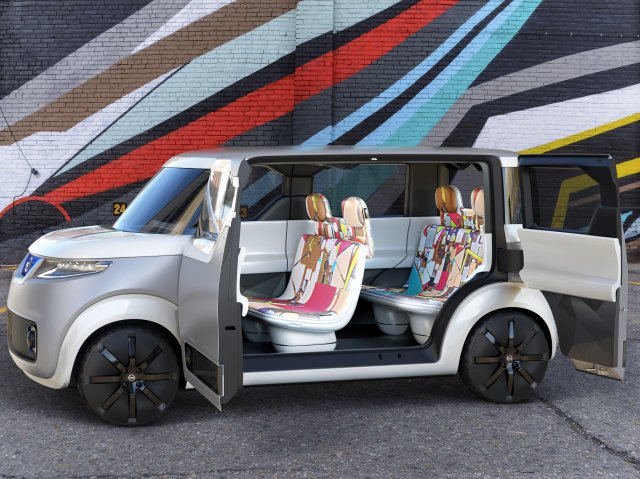
Chances are you’ve never looked at a tractor and thought, “Man, that’s cool!” But then, chaces are you haven’t seen one like Yanmar’snew limited edition tractor, currently on display at the Tokyo Motor Show. The tractor is stylish, functional, and looks like it might transform into a giant robot, should an enemy attack you.
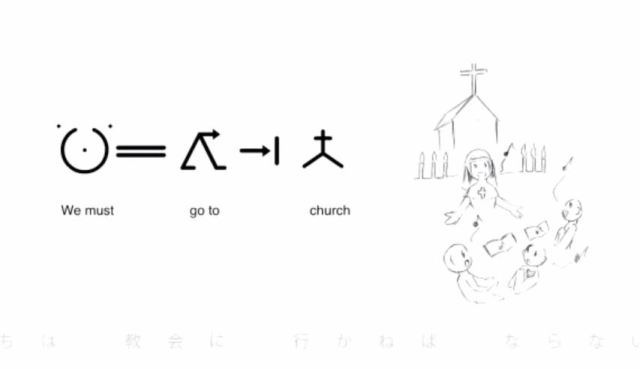
Yukio Ota is a legendary graphic designer in Japan. As the creator of the green “running man” pictogram that features on the nation’s emergency exit signs which have since spread to Europe, Canada and the Asia-Pacific, Ota is a frontrunner when it comes to developing images that convey a thousand words.
Now the designer of the exit sign is making headlines for his long-term project that aims to have the world using a universal language by 2065. Called the Lovers’ Communication System, or LoCoS, the standardised system based on pictographs has the power to overcome language barriers and revolutionise the world of communication as we know it.
Given a map, could you name an iconic dish from every country in the world? We’re guessing probably not.
Some foods are now so famous globally they practically stand as symbols for their country as a whole (think “sushi” and you think “Japan”), while others are instantly recognizable on smaller regional or local scales (unless you’re familiar with Icelandic culture or study Viking lore, you’ve probably never heard of “hákarl” before). If you’re fascinated by the intersection of food and culture, you’ll definitely want to check out this cool new infographic on the topic!
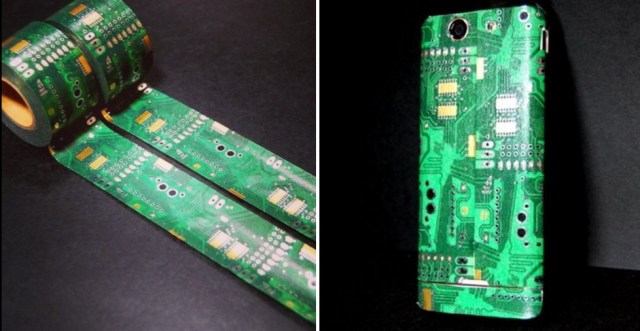
Are you tired of using plain old cream-colored masking tape for your masking needs? As you should be! Why keep using the same old drab colorless stuff when you have awesome options like this that will give any surface you apply it to the look of an electric circuit? Nazca Electric Circuit Masking Tape will snazz up any surface, your accessories, and more!
In Japan presentation is everything, especially when it comes to gift-giving and packaging. In fact, sometimes packaging can be a selling point all on its own, like with these mix-and-match Gogo no Kocha (“Afternoon Tea”) bottles by Kirin.
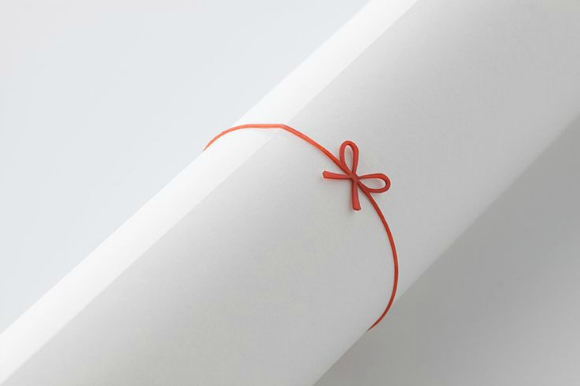
One designer has recently discovered a recipe for success by combining minimalistic art with stationery, another thing Japan tends to do extremely well. The design, featuring rubber bands with tiny bows on them, hit the market earlier this month and is being praised for adding some creative flair to an otherwise boring, everyday object.
One of the things Japan is known for is good design. You’ll see it in electronics, cars, home appliances, and home furnishings. There is a simple elegance to Japanese products that makes you break out into a little smile when you use them.
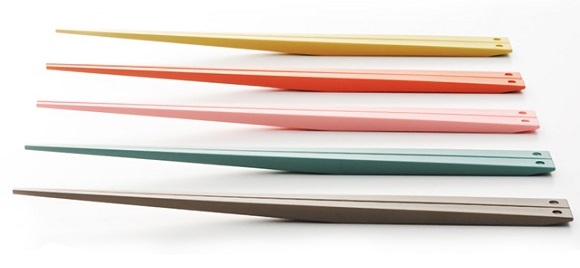
Looking at a pair of chopsticks, it doesn’t seem like there are any changes that need to made. They might be a little tricky to get the hang of, but they are mostly just two finger-held poles. That’s where this brilliant innovation comes in, though.
When you want to put your chopsticks down, you need to put them down on a rest so that you don’t get anything dirty. But what if they designed a chopstick that doesn’t need a rest?
Tokyo Governor Yoichi Masuzoe revealed the capital city’s new logo at a press conference in the nation’s capital on Friday, and the simple design, featuring the one-line catchphrase “&TOKYO”, is already in the spotlight for all the wrong reasons.
The logo unveiling was met with a heightened level of scrutiny following the plagiarism scandal which resulted in the withdrawal of the official Tokyo 2020 Olympics logo recently, and it turns out that netizens are now worried about a recurrence of events. The distinctive white ampersand enclosed in a circle has been discovered online in a similar black, white and red configuration currently in use by another organisation, an insurance and commercial litigation company in New Zealand.
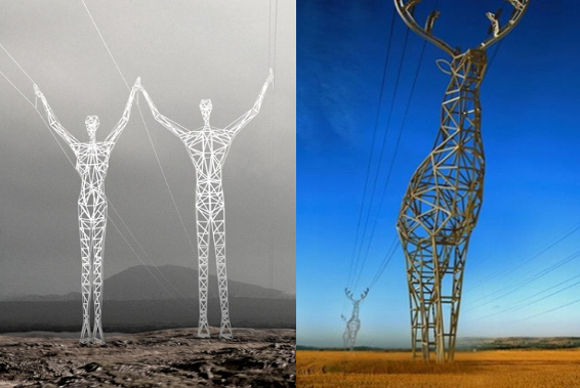
Whenever we see something that’s cute, huge and blows our minds, we generally look to Japan as the source behind the creation. While they’ve proved they can be design innovators in oversized sushi, and the creation of fluffy giant cats, there’s one area where Japan has a lot to learn from other countries, and its something that exists around the country in abundance: power lines.
Often seen towering over rice fields, propped up on the side of mountains and jutting out beyond the high rises, wouldn’t it be significantly more amazing if the ordinary-looking transmission tower had the occasional smiley face or pair of gigantic arms like a colossal Titan? We take a look at some amazing electricity pylon designs from around the world, in the hope that one day, Japan will turn its keen design eye in their direction.
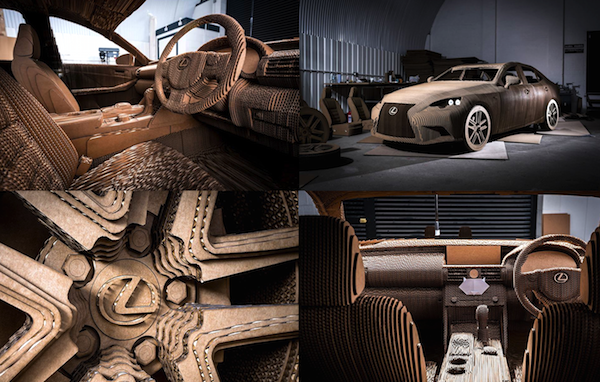
Lexus has always admired the skills of the craftsmen and women who work on their production lines in Japan. Known as takumi, these highly trained Japanese production workers hone their dexterity skills by learning to fold an origami cat in 90 seconds—using only their non-dominant hand.
Now, Lexus UK has unveiled a stunning tribute to these skilled workers by creating a life-sized replica of the Lexus IS, using 1,700 pieces of laser-cut cardboard in what they’re calling the “Origami Car”. Complete with an electric motor, the cardboard vehicle can actually be driven. With the cardboard seats and interior, it won’t be an entirely practical, or legal, ride, but it would certainly be a memorable one!
In the US, you don’t see a whole lot of people putting around on tiny scooters very often. The long highway commutes and high speed limits make your standard Vespa types pretty impractical for all but the most dedicated of Williamsburg hipsters.
It’s another story in Japan, though, where road commutes are comparatively shorter and speed limits within the city are only a little faster than a light jog anyway. Scooters are a common sight and come in tons of varieties, with two of Japan’s two-wheeled vehicle heavyweights, Suzuki and Yamaha, neck and neck for market share.
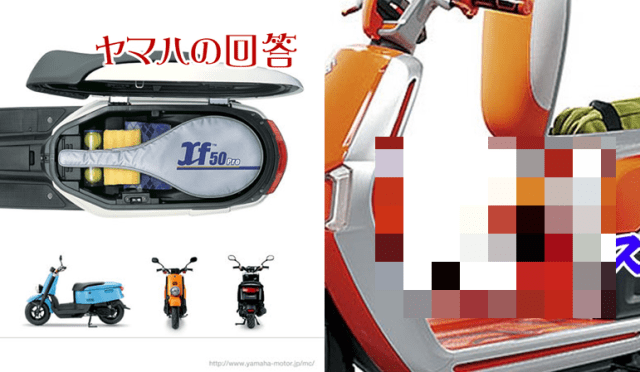
But it turns out that the two companies’ nearly identical scooter designs take a remarkably different tack when it comes to storage space. Tennis enthusiasts, especially, may want to take note:
There’s always been a strong connection between Japan and the George Lucas-helmed Star Wars franchise. From the samurai-influenced Darth Vader and Stormtrooper costume designs through to the film’s storyline, which borrows heavily from Akira Kurosawa’s 1958 film Hidden Fortress, Lucas himself is the first to admit he owes a lot of his creative inspiration to the Land of the Rising Sun.
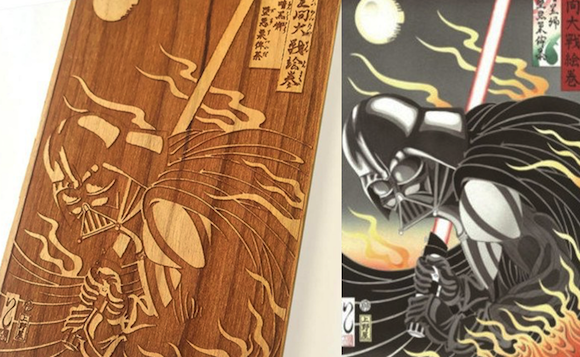
So it’s nice to see that Japan is reciprocating the love with a number of Star Wars creations of their own. From samurai-styled figurines to ukiyo-e woodblock prints, these Japanese-styled homages to the epic American film franchise are the perfect way to get ready for the December 18 release of Star Wars: The Force Awakens. And now you can carry the force wherever you go, with a gorgeous wooden iPhone 6 case that’s so beautiful even a Sith Lord would stand in line to buy one.
While visual arts and linguistics are both creative fields, skill with one isn’t necessarily a prerequisite for the other. After all, as long as you can look at three hues and pick the one best suited for the picture you’re painting, it doesn’t really matter if you know whether to call it fuchsia or periwinkle.
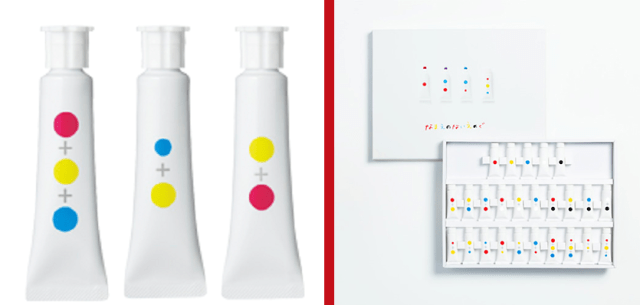
As a matter of fact, some would argue that coupling names and colors limits the imaginations of budding young artists, which is why these two Japanese designers have produced a set of paints for children that have no names on their labels, only splotches of their base component colors.
Moon watching parties and festivals abound the world over—and with good reason! There’s nothing quite like drinking in the light of a full moon, is there? It’s magical and fun in just the right proportions. And now, thanks to the Korean design company Tale, you can buy the perfect glasses for your next moon viewing party!
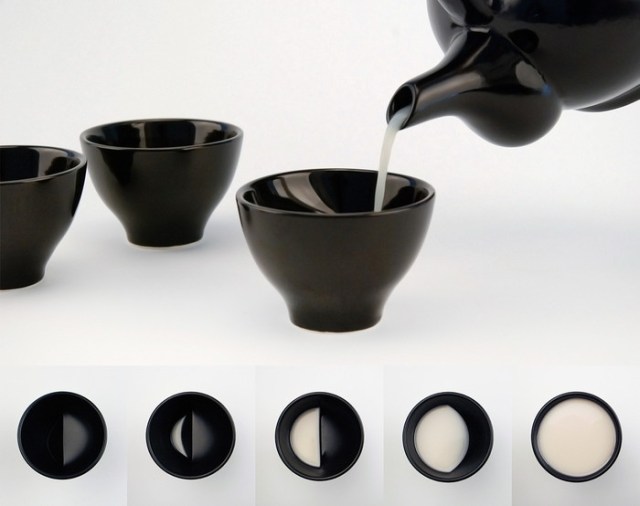
These beautiful Moon Glasses mimic the phases of the moon as they’re filled, going from a new moon to a full moon as your pour in your liquid of choice.
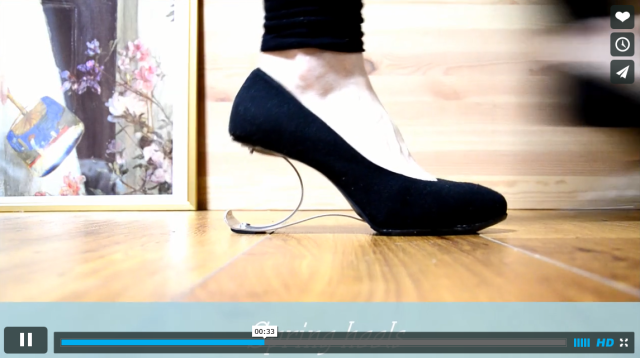
I’ve always been a little confused by high heels. It’s partially because I’m not so tall myself and don’t really have much of a height advantage to spare (even if my date is wearing flats), and partially because if I’m looking at a woman there are probably enough other things that are going to attract my gaze that she’s likely to ask me to stop staring at her long before I get to her shoes, no matter how nice they may look.
High heels seem like an even odder choice in Japan, where the reliance on public transportation means walking around for long stretches of time in shoes where comfort and mobility seem to have been afterthoughts in the design process. Still, many women in Japan step out in high heels as part of their plan to present a femininely fashionable or snappy professional image. Now, one Japanese designer is trying to help those women not only look good, but help their feet feel good as well with a revolutionary ergonomic redesign of high heels.
As you probably know, there was a bit of a problem with the first official Tokyo Olympics logo and accusations of plagiarism, resulting in the initial design being scuttled. The committee is now on the hunt for a new, original design, and, though the final submission guidelines haven’t been settled yet, it looks like they’ll be calling on the public to submit their ideas. In fact, it seems that the committee will remove pretty much all restrictions, allowing even children to submit.
Get your pencils and markers ready, because there’s a possibility that even you might get the chance to design the Tokyo Olympics logo!
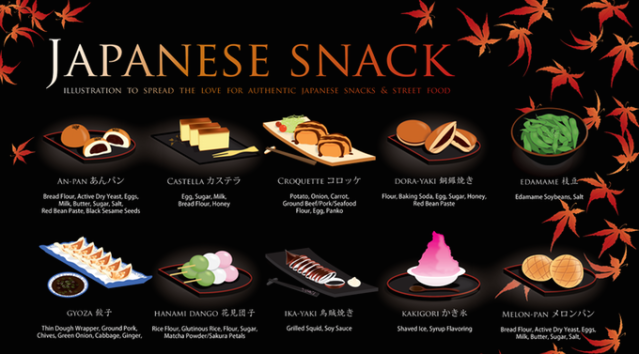
For those unaccustomed to Japanese food, even the most common edibles may seem quite odd and, well, unappetizing, at first glance. The first time you saw monjayaki, did you not think it looked a little…weird? Of course, not all Japanese cuisine is unappealing to the eyes, but even the delicious-looking food is still not widely known throughout the Western world.
A California-based Japanese food blogger is trying to change that. Gaining momentum from the success of her Ramen Poster, artist Fanny has come up with another hand-drawn infographic displaying some of her favorite Japanese street foods and snacks: The Snack Poster.
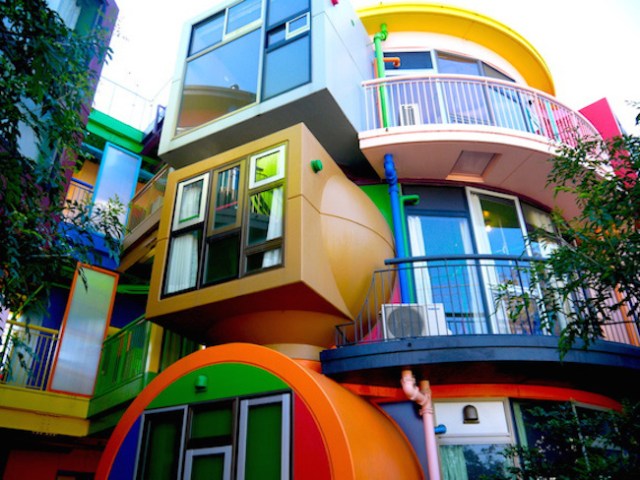
Incongruous in their grey surroundings, these multicoloured buildings looks like something in a children’s playground, or perhaps an outsized set of toy building blocks. But these colourful constructions are Reversible Destiny lofts—rental apartments in Tokyo’s Mikata City. And the inside of these eccentric properties is just as extraordinary and confusing as the exterior.
But what is “Reversible Destiny” anyway? And how is living in a playful apartment supposed to make you immortal? We sent a reporter from our Japanese sister site Pouch to find out.
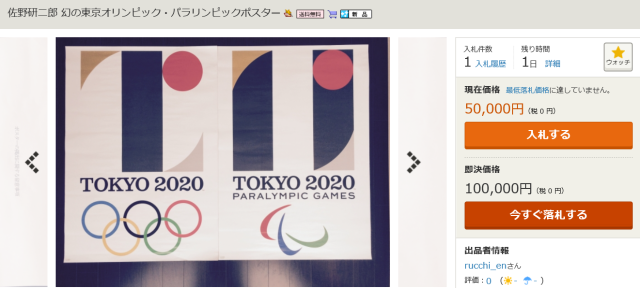
The organizers of the 2020 Tokyo Olympics are still wiping the egg from their faces over the controversy surrounding the event’s possibly plagiarized, definitely dropped logo. Not only is the Organising Committee scrambling to prepare a new emblem, it also has to deal with recalling all of the promotional items it had already produced bearing the now cancelled design.
But with the rather convincing accusations that designer Kenjiro Sano copied the emblem coming so late in the game, some of those promotional materials have already made their way into the hands of private parties who are now reselling the sure to be rare items at a premium in online auctions.
Bubble wrap lovers everywhere were dealt a blow this summer with the devastating news that the company behind the world’s favourite air-filled packaging was launching a new, unpoppable bubble wrap. Sealed Air Corp., the inventors of bubble wrap back in the 1950s, have come up with a new design for an air-filled wrap that doesn’t burst under pressure.
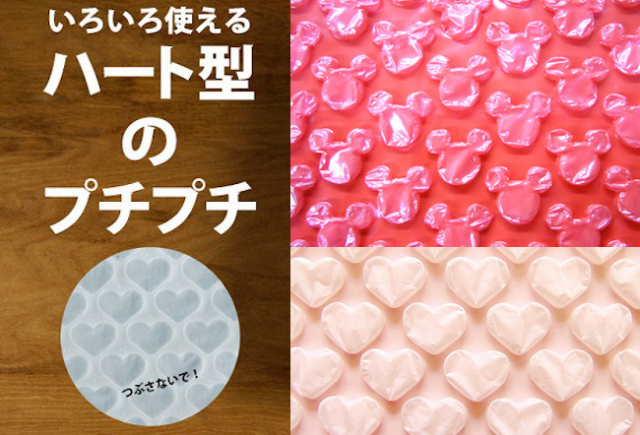
But here at RocketNews24, we probably won’t be buying regular boring old round bubble wrap ever again anyway, because we’ve discovered that Japan has bubble wrap shaped like hearts and Mickey Mouse heads.