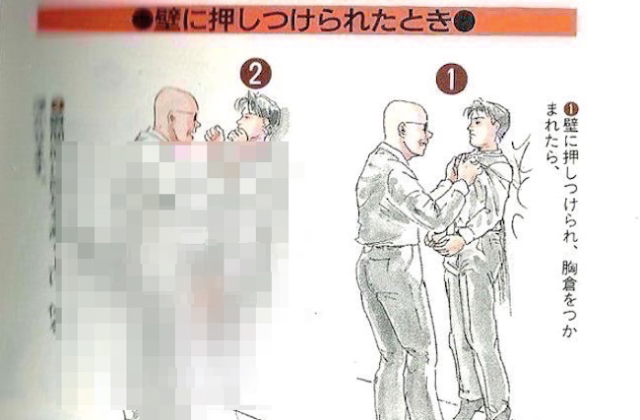
With the aggressive pick-up tactics of Julien “the most hated man in the world” Blanc all over the news this week, it only makes sense that we here at RocketNews24 do our part in educating readers about self-defense. And being as this is Japan, we thought we should start with a method for dealing with that particularly Japanese act of violence-infused wooing: the kabe-don.
A little over a year ago, one of my good friends in Tokyo got a job teaching philosophy at a university in Kagoshima, the prefecture at the southernmost tip of the island of Kyushu. Being that he’s now a seven-hour series of train rides, or a two-and-a-half-hour flight, away, we don’t get together so often anymore, but on the plus side, now I have a reason to take a trip to Kagoshima.
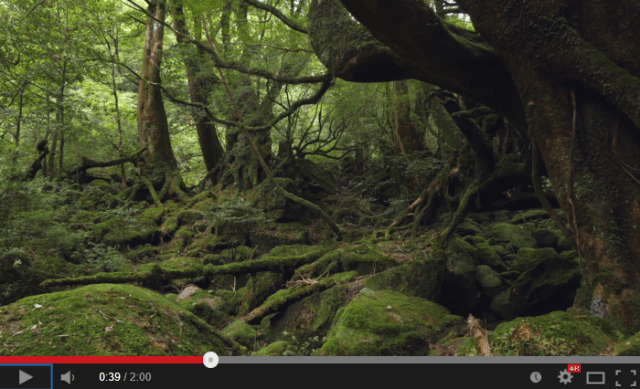
Well, actually, I’ve got about a dozen reasons to take a trip there, if you add in all of the nature trails, hot springs, scenic coastline, and more shown in this video of some of Kagoshima’s most achingly beautiful travel destinations.
Remember the Chinese character phase? Back in the early 2000s you could see Chinese characters everywhere from T-shirts to tattoos. While the trend still continues to some extent today, once people started realizing that you should probably double-check the meaning before going out in public, it has definitely slowed down.
Maybe Chinese symbols have a sort of stigma now, but that is not stopping major designers from branching out into the other styles of Japanese writing, namely katakana. This new trend is being used by brands all over the world, from Adidas to Stussy.
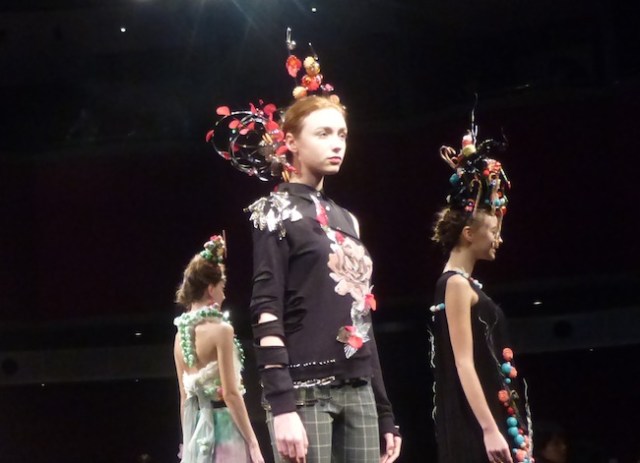
We’d like to think that all things sweet and beautiful have a certain universal appeal, regardless of country and culture. Japan is no exception, and the Japanese public certainly loves sweets in all shapes and sizes, so much so that the word pâtissier, French for “pastry chef,” has become an established part of the Japanese language. From that viewpoint, an event that brings delectable desserts, beautiful fashion and entertainment all together in one package is something of a dream experience, at least for this writer. And just recently, we were fortunate enough to attend exactly such an event — the Tokyo Sweets Collection 2014!
Join us as we take you along on a sweet journey through this unique show in which six renowned pastry chefs serve up heavenly plates of desserts in a fantastical setting complete with lights, music, dancing and models in beautiful clothes, all designed to tantalize not just your taste buds but all of your senses!
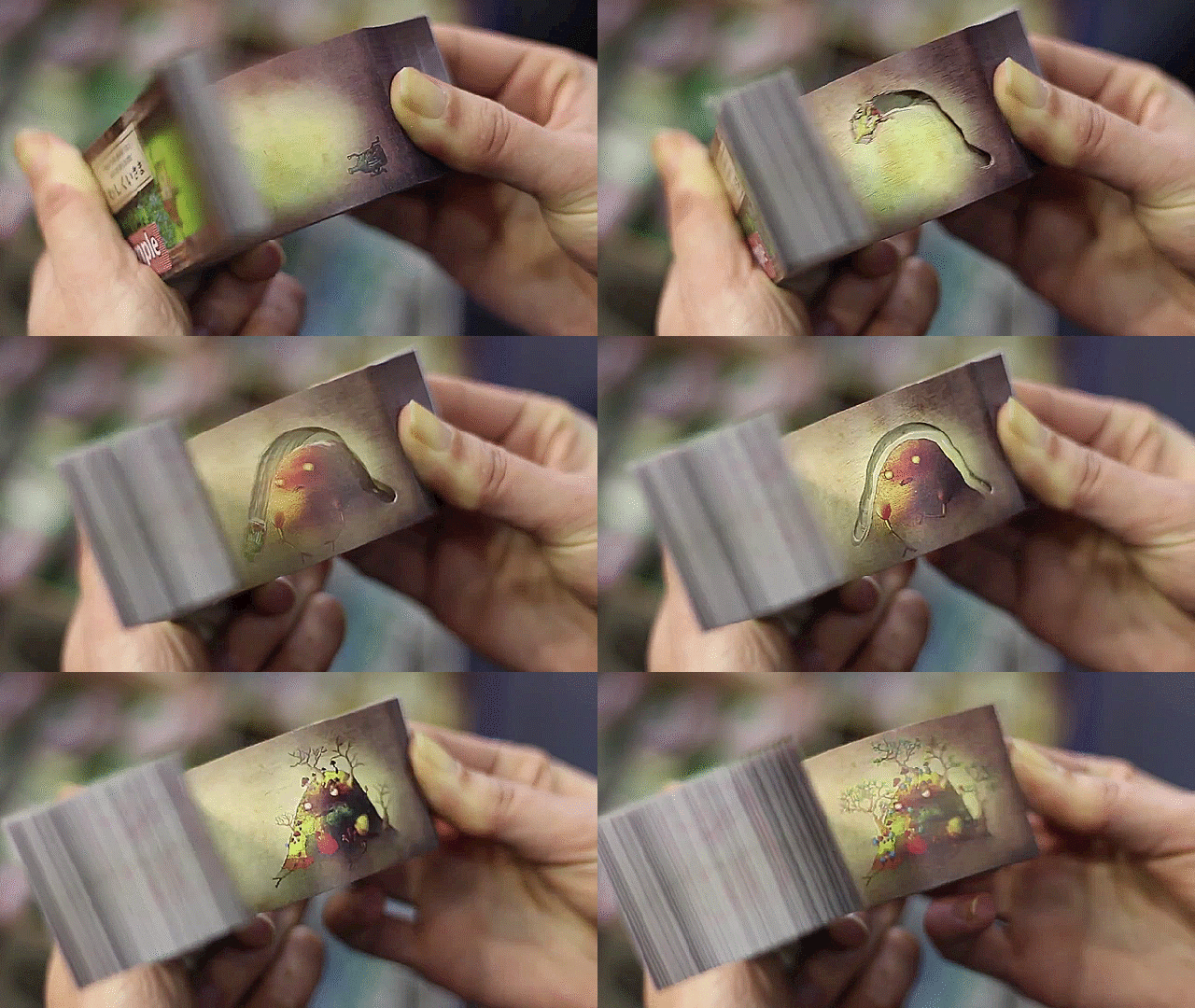
You’d think the art of flip book animation had seen its apex by now. The medium’s emotional limits have already been pushed by the works of Japanese comedian and surprisingly talented artist Tekken, and others have recreated famous anime almost perfectly, but it seems there isn’t much else to do with the medium of flicking pieces of paper to create a moving image.
Or so we thought, until witnessing a line of flip books by Japanese company Another Laboratory (Mohitotsu no Kenkyujo). These brief but beautiful works not only breathe life into the format but make it superior to film or computer animations through clever use of the book itself as part of the imagery.
An Osaka man convicted of rape three and a half years ago and sentenced to a 12-year prison sentence has been released after new evidence revealed the man’s accuser had provided false testimony.
The man – whom Japanese news outlets are not naming – was accused of raping the same woman in both 2004 and 2008, and sexually assaulting her once again later in 2008. The guilty verdict was apparently based largely on the woman’s testimony and that of at least one eyewitness, but the trial seems to have lacked any physical evidence provided by prosecutors.
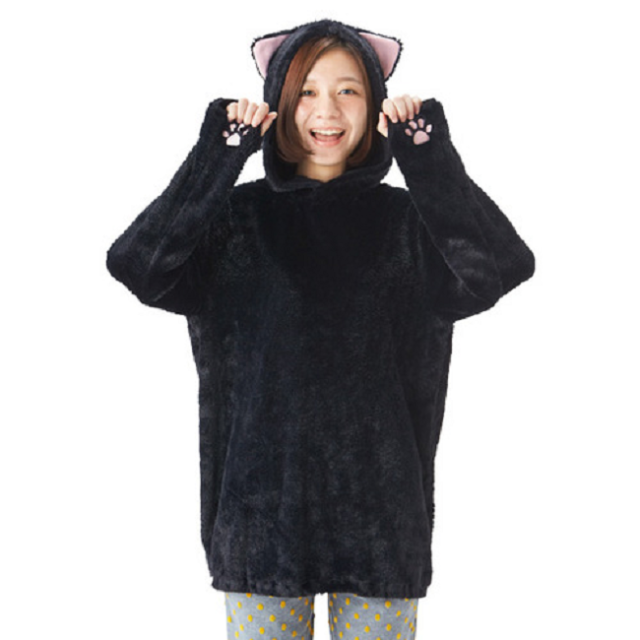
Between their furry coats and ability to stake out the warmest spots in the home, cats seem to be pretty skillful at warding off the cold. But while you can probably squeeze in next to your pets in front of the space heater, you can’t really borrow their coats, can you?
Of course, you won’t need to if you have a cute, cozy kitty pullover of your own.
Here at RocketNews24, we’re all about expanding our horizons. That means we’re always on the lookout for new places to visit, new burgers to eat, and most of all, new spheres of craziness for our intrepid Japanese language correspondent Mr. Sato to wade into.
Now, though, we’re ready for our beautiful, ambitious, tenacious, stylish, hygienic, innovative, trend-setting reporter to go someplace he’s never gone before: your home, in the form of charming Mr. Sato stickers that we’re giving away.
Read on to find out how to get your hands on a set.
Just in case you haven’t had a dose of creepy in a while, we bring this to you to keep you sober and careful in the future.
Being an adult female and an avid reader of news, I’ve come to realize over the years that there are a lot of creepy people in this world of ours. Within the past two years in Japan alone, for example, two stories that made headlines involved a man who was arrested for throwing cups of urine on women and another for kidnapping a girl to raise as his “ideal wife.” And now, another similarly creepy case has come to light, with four men being arrested in Tokyo for activities that I would rank pretty high on the creepy scale.
Mario Kart. We don’t know a single person who claims not to like it at least a little bit, and with its 22-year history and eight (11 if you count the arcade iterations) distinct outings to date, pretty much everyone has zipped around at least one of Nintendo’s crazy cartoony tracks at some point in their life.
News site MyNavi Woman recently polled gamers all over Japan about their most memorable Mario Kart experiences, 13 of which we’ve listed after the jump for your reading and reminiscing pleasure. Honestly, we don’t think there’s a single one here that didn’t have us nodding in agreement.
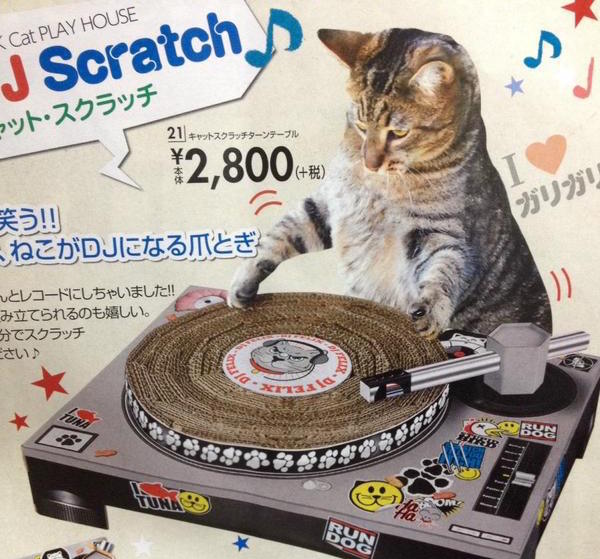
If the thought of a cat spinning tracks fills your heart with immense joy, then this will be the gift that keeps on giving this holiday season.
With a rotating turntable and a deck covered in trash-talking stickers, even demure felines can try their paw at scratching tracks, thanks to this hilarious cat DJ deck. Now any cat can be the cool cat who makes all the humans smile and all the kittens bounce.
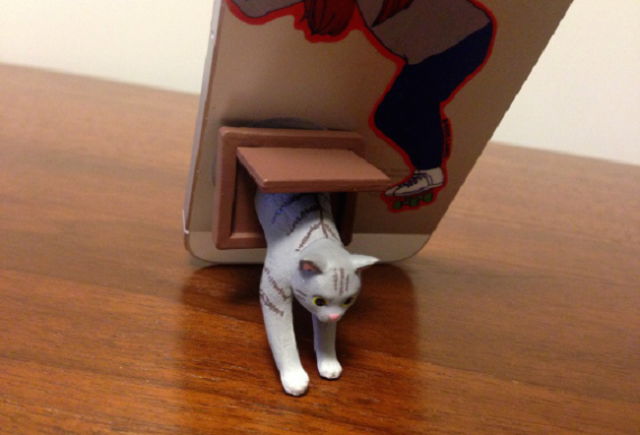
If you’re a proud cat owner, odds are you’ve got pictures of your favorite feline on your smartphone. We also know that plenty of people like to keep up on the latest developments on cat-relatedcuteness by surfing the Internet with said devices.
But if that’s still not enough, now you can keep your electronics upright with an adorable cat coming out of your smartphone.
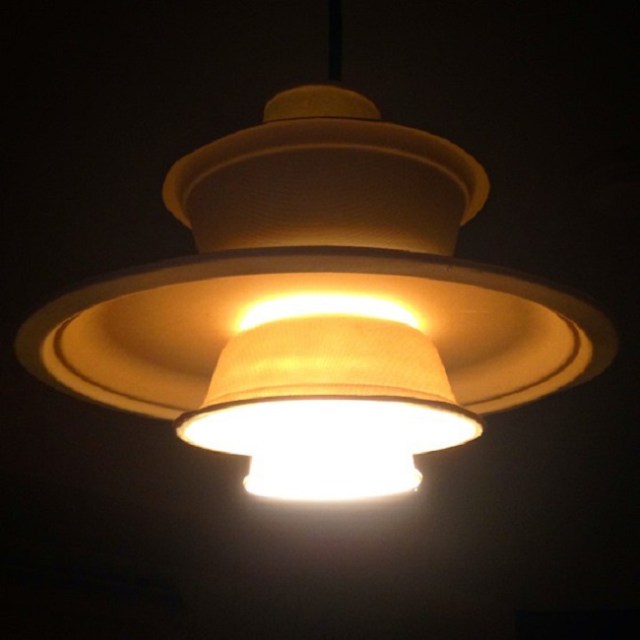
Apartments in Japan are a bit strange. Most don’t come with furnishings, which isn’t all that uncommon, but many also don’t even come with light fixtures. It comes as a bit of a surprise for foreigners in Japan when they walk into their brand new rental and aren’t able to turn on the lights…because there are none.
It’s not so bad when you have been living in Japan your whole life, and thus take the light fixtures with you whenever you move, but often times, it’s an extra cost of moving that you didn’t factor in. Since you own these lights, it seems like a good place to invest in something unique that will stand the test of time and it’s a chance to show some individuality in your own personal space.
For some, that means going the “eco” route and forking out the money for some really expensive, but long-lasting LED lights. For others, it might mean purchasing that stylish but expensive fixture you’ve been seeing in all the home decor magazines. But who says you have to spend a lot to be trendy? Here’s a handy DIY instruction guide for making your own Louis Poulsen PH 5 hanging light!
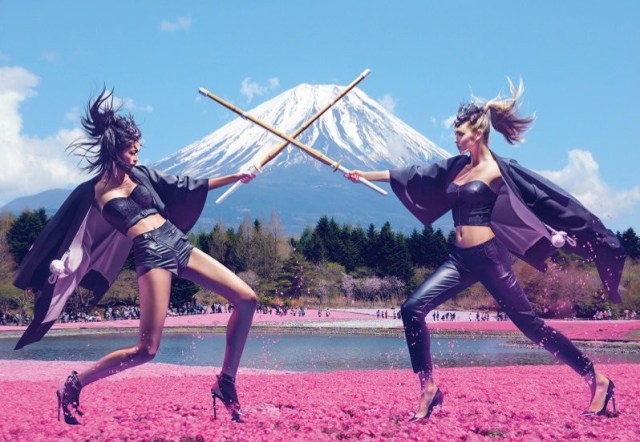
If you’ve ever visited Japan and fallen in love with its beauty and culture, prepare to be swept off your feet again with the latest ad campaign from Guess.
Shot by famed Chinese photographer Chen Man, the photos take us on a journey through cherry blossoms and tea houses, featuring girls with samurai swords and parasols.
On March 15, 2013, the Shibuya Station Toyoko Line above-ground train quietly shut down for good, to be replaced with a new section of subway track connecting Shibuya Station and the nearby Daikanyama Station. Converting the line from above-ground to underground was a massive operation, requiring a grand total of 1,200 engineers and countless man-hours.
But, even if you’d been living in Tokyo at the time, you probably wouldn’t have noticed the construction, because it all occurred during the train line’s off-hours… over the course of one single night.
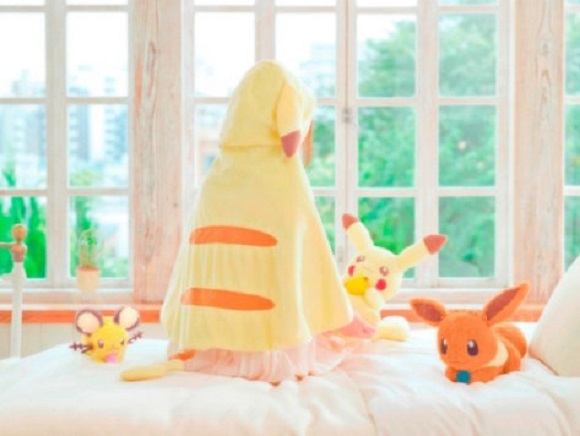
Beginning on December 20, residents of Japan can participate in a special Pokémon-themed lottery campaign at participating stores throughout the country. Although the event is officially targeting young adult women, we don’t see how anyone could resist the cute goods that are just waiting to be snatched up!
What was that famous saying again? Oh yeah–“Gotta catch ’em all!”
If you’re a gamer who’s too young to remember when Sega made consoles or having six buttons on a controller was a big deal, you might look back on 8-bit video game artwork and chuckle. With everything made out of blocky pixels, it’s impossible to create the sort of fine details that modern hardware easily renders to differentiate one character from another, isn’t it?
Maybe not, as one fan has put his old-school pixel art skills to use to recreate 50 different famous manga heroes, all in the style of the original Mega Man.
Girls, have you ever been put off from the army because their uniforms just aren’t cute enough? Well here’s your answer: a KanColle-inspired corset that’s made–to–order!
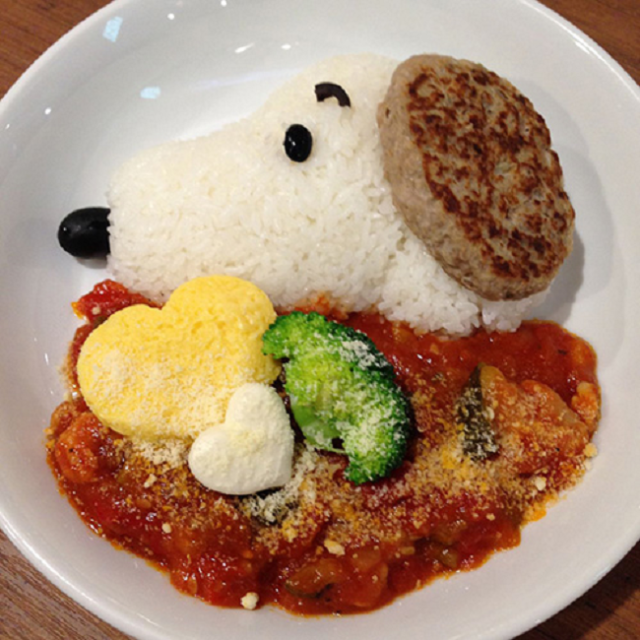
Japan is always up for a little entertainment with its meals. As a result, dotted around Tokyo you’ll find restaurants where you can dine on food inspired by cuteandcoolcharacters from animation, video games, and the like.
Usually, these fictional icons are Japanese in origin, but it turns out that Snoopy and the rest of the Peanuts gang have enough of a following for not just one, but two new restaurants collaborations in Tokyo.