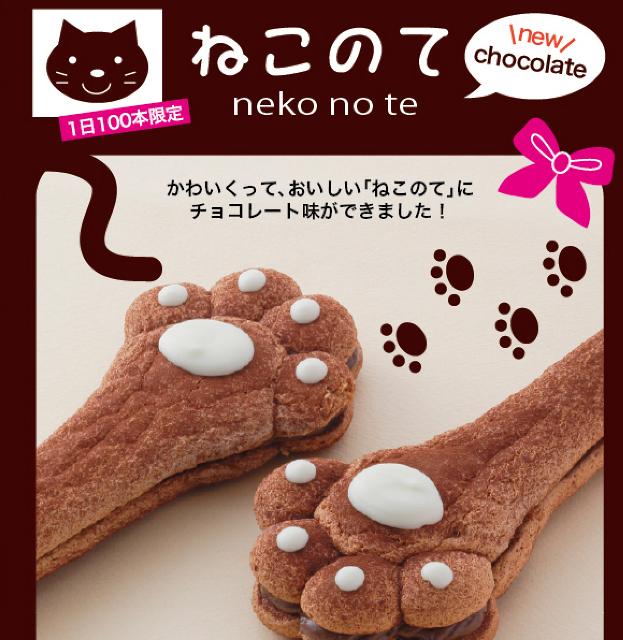
From now until 31 March you can get your hands on a Kuro Neko No Te (Black Cat Paw) pastry at a bakery in the Hotel New Hankyu Osaka. This is the second installation of the Neko No Te (Cat Paw) series of delectable pastries that started last year to celebrate the hotel’s 50th anniversary.
In many ways, Japan is a wonderland of desserts, a place with cherry blossom lattes, roasted tea parfaits, and even suicide-themed bean cakes. Still, the country is rather lacking when it comes to donuts. The indigenous Mr. Donut chain has branches all over, but while their products are indeed tasty, they’re usually a little on the bland side.
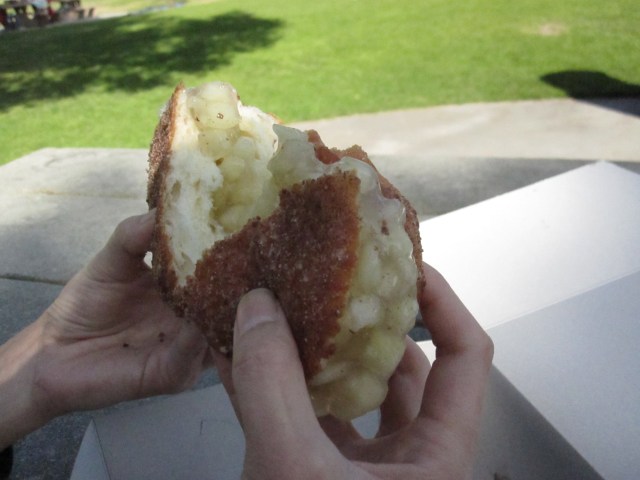
If you want the full-fledged flavor of an authentic donut, you’ve got to visit one of the American outfits in Japan, such as Krispy Kreme or Donut Plant. Unfortunately, Donut Plant locations are few and far between, and the lines at Japan’s Krispy Kremes are ridiculously long, so there’s no way for us to get our hands on the real deal without a bit of time and travel.
Since we’d already tossed subtlety out the window as far as flavor is concerned, we decided to do the same for the scale of our search for donut satisfaction. We hopped on a plane, leaving the Land of the Rising Sun and heading for the Land of the Ring-Shaped Cake, America.
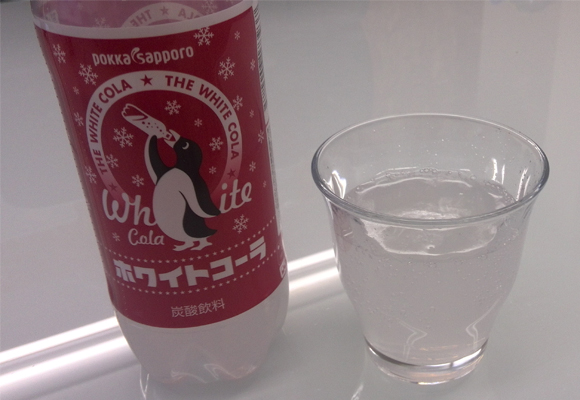
For decades Japan has had fleeting affairs with concoctions known as “White Cola” which is meant to be a twist on the age old formula that brings us the brown colas we all know and love. Now, it’s back again to celebrate the Sochi Olympics. From 4 February you can purchase a bottle of Pokka Sapporo White Cola for 147 yen (US$1.45).
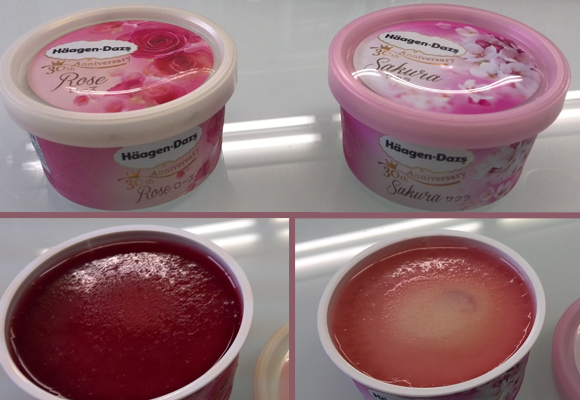
On 3 February, Häagen-Dazs Japan released two new flavors to celebrate their 30th anniversary: Rose and Sakura (cherry blossom). Although they were unusual flavors in the realm of ice cream, in the more than capable hands of Häagen-Dazs they’re sure to be great… right?
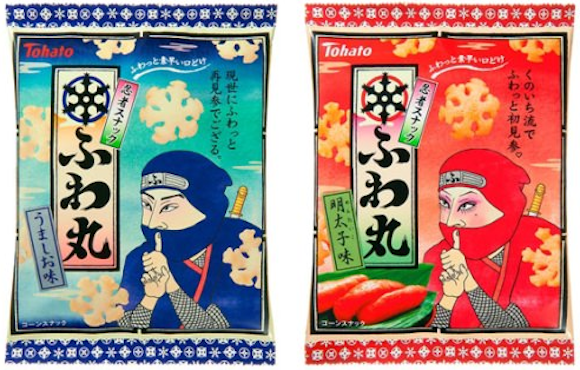
Heads up, snack fans! Japan’s Tohato foods has just announced a new brand that will hit shelves later this month. Called “Ninja Snack Fuwamaru“, they’re purported to melt away like a ninja into the night. Hmmm…
Today, we’d like to talk to you about Seo-yeon Park, a young woman living in South Korea. Ms. Park used to have a respectable position at a business consulting firm, but being an attractive young woman, she discovered that she could attract a large audience by posting videos of herself online. Many of the people watching can’t do the things she does, others can but feel they shouldn’t. Deep down inside, though, everyone who watches Park’s videos, in which she gives herself the pleasure and satisfaction most can only dream of, secretly longs to follow her unbridled example.
Eventually, Park’s online activities, which started out as a hobby, became so encompassing that she quit her job. Her online exhibitionism is now a full-time gig for which she has adopted the stage name The Diva.
As we’re sure you’ve already guessed, Park has crossed over completely into the world of producing Internet videos of herself eating piles of delicious food, and is making a comfortable living from it.
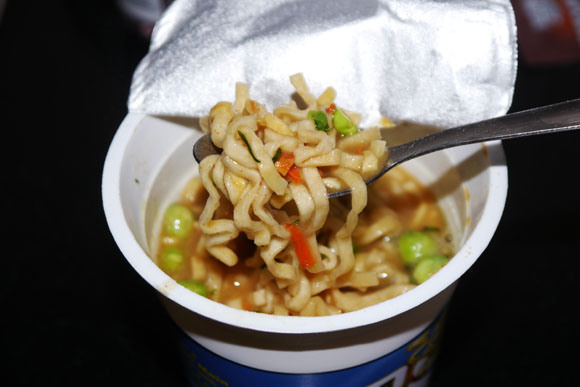
The world’s worst cup noodles are to be found in none other than the fair land of England, home of delicacies such as fish ‘n’ chips, bread and butter pudding, and spotted dick. At least that’s according to one Japanese exchange student to the UK, brought up on a diet of real cup ramen back in his home country. But surely ‘worst ever’ is a bit of an overstatement?! We sent one of our Japanese reporters to find out, and weren’t quite prepared for his epic reaction (we don’t think he was either).
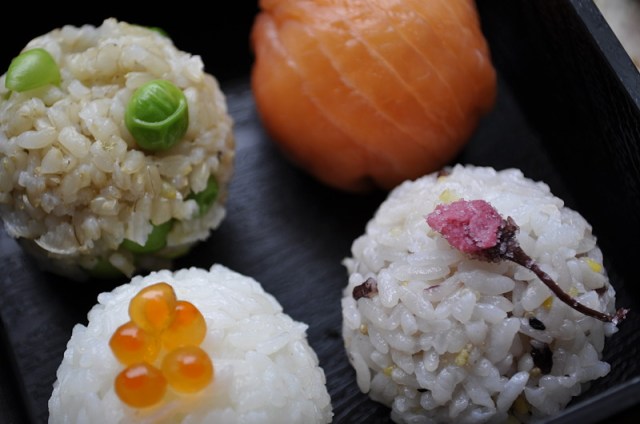
Though extremely simple, Japanese onigiri, those handheld balls of rice and seasoning, are simply delicious and addicting. Dating back over 1,200 years to the Nara Period, onigiri were created as a portable snack. Now, not only have rice balls transcended the humble kitchens of old-timey Japan and nestled their way into convenience stores across the nation, they’ve also made their way abroad. Mussubi is a delightful lunch shop in Paris that has brought onigiri and bento to the people of France. With elegant and fresh ingredients tiptoeing throughout the menu, this quaint shop has earn high praise from local residents.
There are plenty of Japanese foods that meet little to no resistance on the Western palate. Soba noodles and beef bowls tend to go down easily for new arrivals, and while the weirdness factor may take some time to get over, not too many people have complaints about the flavor of things like raw fish and cod roe.
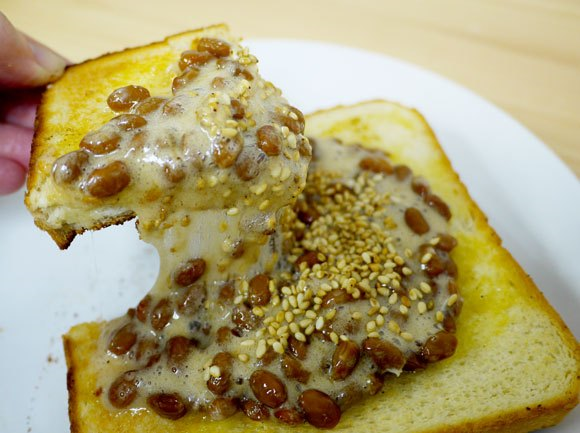
There is, however, one hurdle in Japanese gastronomic assimilation that is so high that some people never clear it: natto, or fermented soybeans. Recently, we took on the notoriously challenging (and smelly) natto with the help of a powerful ally, honey.
Is it spring yet? I know my southern Californian upbringing means I whine whenever the temperature is cold enough that I have to put on a jacket to go out, but I could seriously do with some warmer weather right about now. There’s all sorts of things to look forward to in the coming season, such as longer days, being able to spend more time outdoors, and the blooming of the sakura, or cherry blossoms.
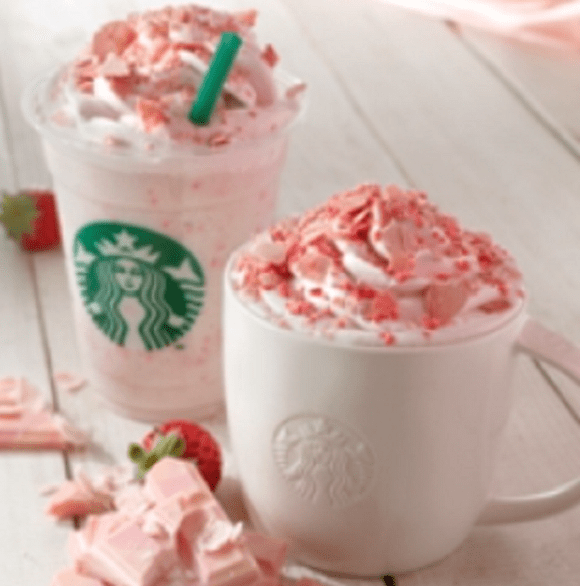
And just in case the deal needs any more sweetening, there’s also Starbucks’ springtime sakura beverage lineup.
A few years ago, I was hanging out with a friend in Tokyo. Being recently married meant that for the first time in several years I was living in an apartment more spacious and comfortable than a bunker, and I invited my buddy back to my place for a beer.
I called my wife to give her a heads-up that I was bringing home a guest, and when we arrived, I was surprised to see she’d gone down the block to the store and picked up a selection of snacks for our impromptu drinking session. In hindsight, this really shouldn’t have been so unexpected, as beer is almost always accompanied by food in Japan.
Our memories are a little hazy, but we seem to remember being taught, “When in Rome, drink as the Romans.” Taking this to heart, recently a group of foreign residents in Japan shared their favorite munchies to pair with Japanese beer.
Even as someone who can always appreciate a tasty hamburger, there’s a quandary I face whenever I go out to satisfy my beef-based sandwich needs. Your standard burger gives you plenty of protein from the meat, some nice carbs from the bread, and even a scattering of veggies between the buns, but it’s hard to get your fruit fix at a burger emporium.
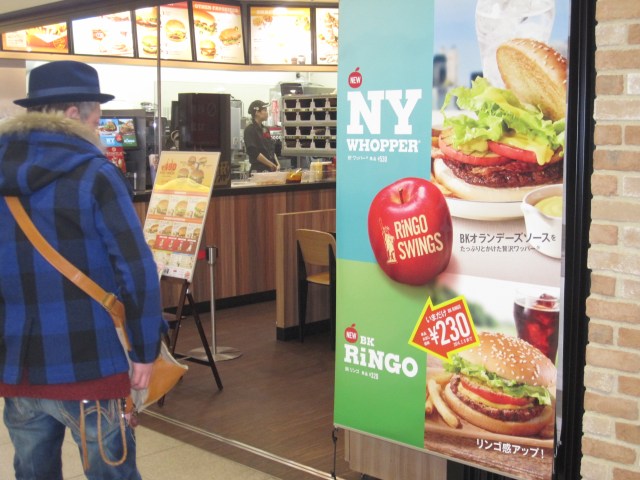
Or, more accurately, it was, until Burger King Japan started offering two hamburgers with slices of grilled apple. We traveled to one of Burger King’s branches in Yokohama to try both on the day of their release, but they weren’t the only discoveries waiting for us. So come along with us as we present the ABCs (apples, booze, and couches) that make Burger King different in Japan.
Curry is pretty much the ultimate Japanese comfort food loved by children, adults and picky eaters alike. And with data showing that Japanese people eat curry more than once a week, it has definitely become one of the country’s national foods despite its Indian-British origins. And one curry restaurant in particular, Curry House Coco Ichibanya or “Coco Ichi” to its patrons, is reaping the benefits of this curry craze, claiming about 80% of the market share! With more than 1,200 shops in Japan and 116 overseas franchises, it seems like nothing can stop this curry giant.
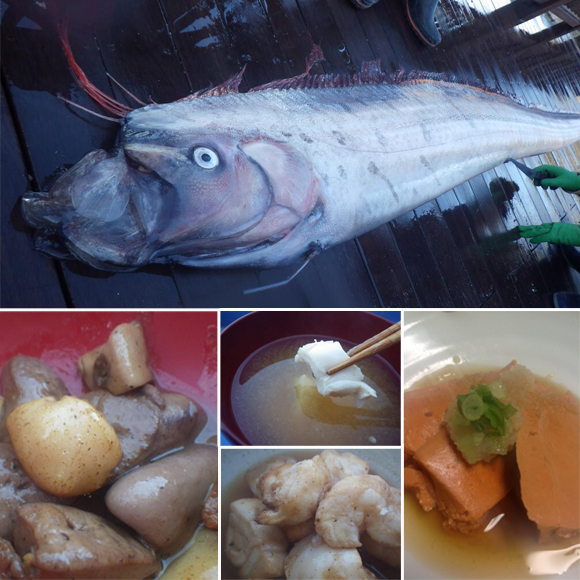
Every once in a while the Japanese media picks up on the story of an extremely long deep sea fish that washes up on its shores. Called an “oarfish,” it is long believed to be a harbinger of earthquakes.
But for one Twitter user it was a harbinger of an impressive four course meal. While out before sunrise, he stumbled along one of these allegedly supernatural fish washed up on shore. After contacting several marine institutes and finding none to claim the large fish, he tossed superstitions aside and acted on the belief that when life hands you an oarfish, you make oarfish fillets.
The Yomiuri Giants, one of two professional teams playing in Tokyo, are without question Japanese baseball’s version of the New York Yankees. With huge coffers from which to pay the kind of salaries to attract and retain the talent to be competitive year after year, the Giants are loved at home, admired in markets that don’t have a team of their own, and reviled in those that do.
However, the Giants most recent season ended in bitter disappointment with a game seven loss in the championship Japan series. Adding insult to injury was the fact that the defeat came at the hands of the Rakuten Golden Eagles, an upstart expansion team formed in 2005 that until recently was the league’s doormat.
Clearly, a shakeup is necessary to get the Giants back on the path to glory. Something extreme, like banning chewing gum during games.
When you think about it, there really aren’t that many situations in which it’s OK to smash food into someone else’s face. I racked my brain, and could only come up with the following two:
1. You’re a pie-throwing extra in a Three Stooges movie.
2. You and your spouse share the same slapstick sense of humor, and want to smush a slice of wedding cake into each other’s’ faces at your reception.
You know what doesn’t make the list? Scalding someone’s mug with piping-hot tofu, especially if you’re a high-ranking police officer.
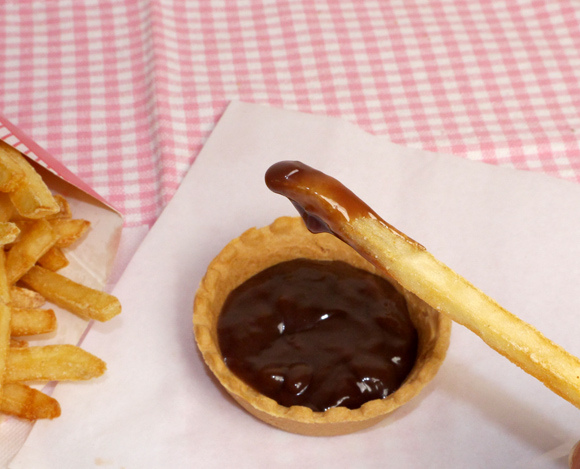
We all know that there are few combinations that are better than dipping your french fries in a vanilla shake. The hot, salty fries mixed with cold, sweet ice cream…it’s a match made in cheeseburger paradise. But fries and chocolate? Japanese fast food chain, Lotteria, is betting you’ll make the jump from shakes to chocolate syrup with their new menu item. We knew we had to send Mr. Sato out to give this crazy combo a try.
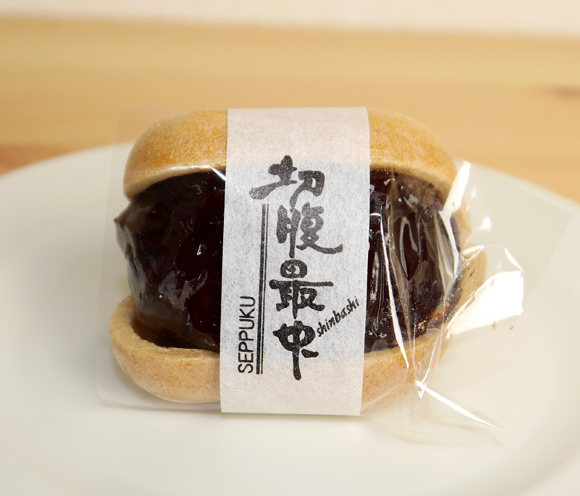
Among the many kinds of tasty sweets indigenous to Japan, you’ll find the monaka. Monaka consist of two wafers, traditionally sandwiched around a dollop of the sweet red bean paste called anko.
Different confectioners put their own unique spin on monaka, such as infusing it with citrus or mixing ice cream in the filling. But while we’ve eaten plenty of variations on the tasty treat, our intrepid reporter Mr. Sato recently brought back one we’d never heard of before: suicide monaka.
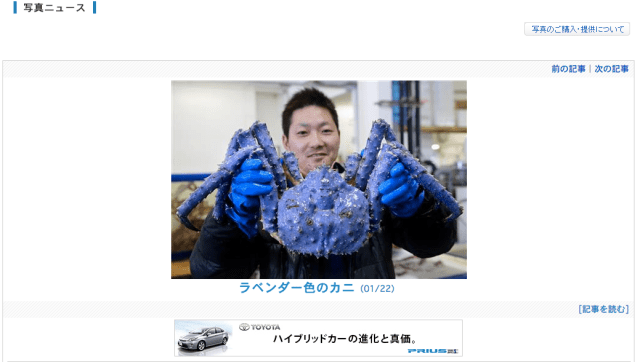
On 18 January, a shipment of crabs from Russia arrived at a port in Japan, some of which were bought up by wholesaler Marusan Mikami Shoten. After opening up their haul of red king crabs (an expensive favorite of Japanese seafood lovers) workers were surprised to see one of the large arthropods was shaded a rich lavender color all over.
Growing up in Southern California, I was no stranger to long road trips, whether up the coast to visit relatives, or out to Las Vegas to visit the craps tables. Along the way I’d pass many freeway rest areas, with amenities whose quality ranged from “a good place to use the bathroom as long as you cover your nose” to “a good place to use the bathroom, as long as you have a friend with you to make sure you don’t get shanked by a hobo.”
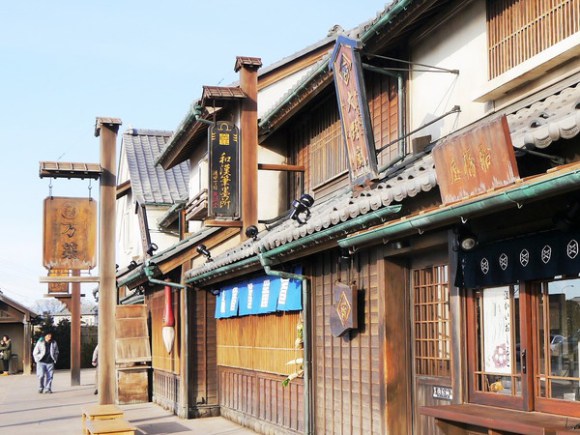
So imagine my surprise when I moved to Japan to find that its highway rest stops (called “parking areas” by Japanese motorists) are spotless. Plus, they’re often great spots to munch on regional specialties or pick up local souvenirs. And if you happen to visit one particular parking area, you can even go back in time.

 How are you supposed to wash a Japanese futon duvet at the laundromat?
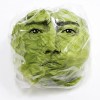 Face lettuce appears in Japan, with the face of Death Note’s Light Yagami, but why?
 Family Mart’s new Famima flagship in Tokyo has a hidden gem that most visitors miss
 Studio Ghibli adds new Ponyo glassware to its anime lineup for summer
 Pokémon Card Stores requiring facial recognition scans for entry in Japan in latest anti-scalper move
 Tokyo subway installing new ticket gates that don’t accept payment through Suica or other IC cards
 Japanese Shinkansen becomes an overnight hotel for three nights this summer
 Starbucks Japan releases a miniature display rack so you can create your very own store at home
 A roadside hair salon stall in China made us Norway’s Haaland for US$1, and warmed out hearts too
 Universal Studios Japan requiring consent form for adults-only horror attraction
 New Shinkansen luggage drop-off system begins in Japan, making train travel even easier
 99-year-old woman rescued while attempting to climb Mt. Fuji
 Which country’s foreign tourists spend the most money per-person in Japan? Hint: Not the U..S. or China
 Giant Evangelion Spear of Longinus to be installed at Japanese train station with Eva art trains
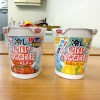 Cup Noodle releases cold-water instant ramen in Japan, but can it really be made with just cold water?
 Kodama Shinkansen trains on popular Japan route get a whole new look this winter
 Studio Ghibli has a new anime out, and there’s only one place in the world where you can see it
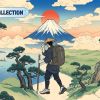 Salomon releases Japan-exclusive Mt. Fuji hiking gear that doubles as an amazing souvenir
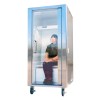 Japan now has human refrigerators inspired by Japanese vending machines
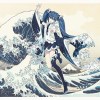 Hatsune Miku collaborates with Hokusai’s art in new Vocaloid ukiyo-e illustration series [Pics]
 Japan triples departure tax, foreign tourists and locals now must pay more to leave country
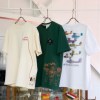 Studio Ghibli releases anime T-shirts that pay homage to one of Hayao Miyazaki’s most personal films
 Family Mart opens new “Famima” flagship store in Tokyo that’s like a tourist attraction
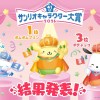 Sanrio Character Poll announces winners, Hello Kitty absent from top 10 in many countries
 Japan announces sudden 400-percent increase in visa fees for foreigners entering the country
 Japan’s human washing machines will go on sale to general public, demos to be held in Tokyo
 Starbucks Japan releases new drinkware and goods for Valentine’s Day
 Starbucks Japan releases new sakura goods and drinkware for cherry blossom season 2026
 Japan’s newest Shinkansen has no seats…or passengers [Video]
 Japanese ninja certification exam attracts 131 candidates from Japan and abroad
 Put sesame oil in your coffee? Japanese maker says it’s the best way to start your day【Taste test】
 Tokyo subway installing new ticket gates that don’t accept payment through Suica or other IC cards
 Japanese Shinkansen becomes an overnight hotel for three nights this summer
 Starbucks Japan releases a miniature display rack so you can create your very own store at home
 A roadside hair salon stall in China made us Norway’s Haaland for US$1, and warmed out hearts too
 Universal Studios Japan requiring consent form for adults-only horror attraction
 Japanese Coo-Che becomes a viral sensation, and everyone wants a taste
 Pokémon’s cozy city builder game inspires Cozy (Corner) cakes in Japan! [Photos]
 Which country’s foreign tourists spend the most money per-person in Japan? Hint: Not the U..S. or China
 Giant Evangelion Spear of Longinus to be installed at Japanese train station with Eva art trains
 Why is Taco Bell failing in Japan, even as the country falls in love with tacos?
 Studio Ghibli Laputa figure looks like it’s really flying thanks to cool visual trick
 61-year-old Kyoto man arrested for playing guitar and radio too loudly for seven years
 Starbucks Japan adds a new summer Frappuccino to the menu, but is it as refreshing as it looks?
 Kodama Shinkansen trains on popular Japan route get a whole new look this winter