As handy as online Japanese-to-English dictionaries are for looking up individual vocabulary words, automated translation programs tend to spit out much spottier results. A big part of the problem is how much more Japanese relies on context for meaning, which in turn means speakers can, and often do, abbreviate and omit whole words and phrases which human listeners can easily understand implicitly.
Automated programs, though, lack this ability, which means their translations are often missing vital elements needed for the sentence to make sense in English. It’s a problem software engineers and linguists are trying to address, but adding such soft logic to machines is a difficult endeavor.
In at least one case, though, the Google Translate team seems to have been too effective, as trying to convert a Japanese phrase meaning, “Goodbye, my beloved” into English produces a result that seems to have roughly 38 hours of backstory behind it.
Read More
















 Family Mart commits “reverse fraud” in new Giant All-Star Festival, and we couldn’t be happier
 New Tokyo sweets shop offers 648 different mochi ice cream dumpling combinations
 Godiva melts minds by releasing a new corn chocolate drink in Japan
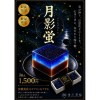 Shinto shrine’s night sky firefly sweets are Japan’s newest breathtaking, mouthwatering desserts.
 New Square Enix Cafe reveals Final Fantasy, Dragon Quest, Nier, and Fullmetal Alchemist menu items
 Retro fashion magazines from Tokyo’s street market remind Mr. Sato of a special gift from his dad
 Even at twice regular Daiso price, this handy item is still great for summer travel in Japan
 Ghibli’s No Face continues to demonstrate his generous character growth by dispensing soy sauce
 Body of missing American college student found in Kyoto mountains
 Colour Hunting: The hot new street photography trend changing how we see Japan
 Uniqlo reveals third round of massive 100-year-anniversary manga T-shirts for Jump’s Shueisha
 Kyoto public junior high school becomes first in Japan with a hoodie school uniform
 Japanese convenience store shows us how to dress for the rainy season
 Starbucks Japan unveils new Frappuccino showcasing “mottainai” culture
 Osaka is hosting a “hentai” event, but it’s probably not what you think
 Japanese rice cooker recipe gives us a tasty new way to enjoy vegetables and wieners
 Tokyo’s Pokémon Cafe reopens this month with brand-new sweets and Pikachu show
 What’s it like to join Tokyo’s walking-and-talking-with-strangers club for a day?
 Tokyo’s life-size Gundam anime mecha statue will be removed this summer
 Ichiraku Ramen-inspired ramen sets from Naruto anime pay homage to Naruto, Sasuke, and Sakura
 Kanji ice cream becomes a sell-out hit in Japan
 New official Ghibli anime food cookbook will teach you how to make Ponyo’s ramen and more
 Japanese convenience store Lawson launches new “mini supermarket” chain, L Minimart
 Japan’s real-world Pokémon hot spring’s first photos are here![Photos]
 Japan’s human washing machines will go on sale to general public, demos to be held in Tokyo
 Starbucks Japan releases new drinkware and goods for Valentine’s Day
 We deeply regret going into this tunnel on our walk in the mountains of Japan
 Starbucks Japan releases new sakura goods and drinkware for cherry blossom season 2026
 Japan’s newest Shinkansen has no seats…or passengers [Video]
 Major Japanese hotel chain says reservations via overseas booking sites may not be valid
 Put sesame oil in your coffee? Japanese maker says it’s the best way to start your day【Taste test】
 Japan reportedly adding Japanese language skill requirement to most common foreigner work visa
 Japan’s 5.3 million beautiful Hitachi Nemophila flowers are now in full bloom[Photos]
 Pokémon and Ikea Japan cross over into each other’s worlds with collaboration events
 Retro fashion magazines from Tokyo’s street market remind Mr. Sato of a special gift from his dad
 Even at twice regular Daiso price, this handy item is still great for summer travel in Japan
 Ghibli’s No Face continues to demonstrate his generous character growth by dispensing soy sauce
 Body of missing American college student found in Kyoto mountains
 Colour Hunting: The hot new street photography trend changing how we see Japan
 Lawson opens a new mini supermarket, and the lucky bags can essentially stock your kitchen
 Japanese rice cooker recipe gives us a tasty new way to enjoy vegetables and wieners
 Japan’s cheap beef bowl chain Matsuya opens gourmet Premium Matsuya with Kobe beef…inside Matsuya
 Osaka is hosting a “hentai” event, but it’s probably not what you think
 A Japanese toast sandwich remix: The toasted rice rice ball[SoraKitchen]
 Fukushima City on edge as resourceful and violent bear still not found
 Order a cocktail, support a senior with Shinjuku Day Service Mojito at a handful of businesses
 Uniqlo reveals third round of massive 100-year-anniversary manga T-shirts for Jump’s Shueisha
 Starbucks Japan unveils new Frappuccino showcasing “mottainai” culture