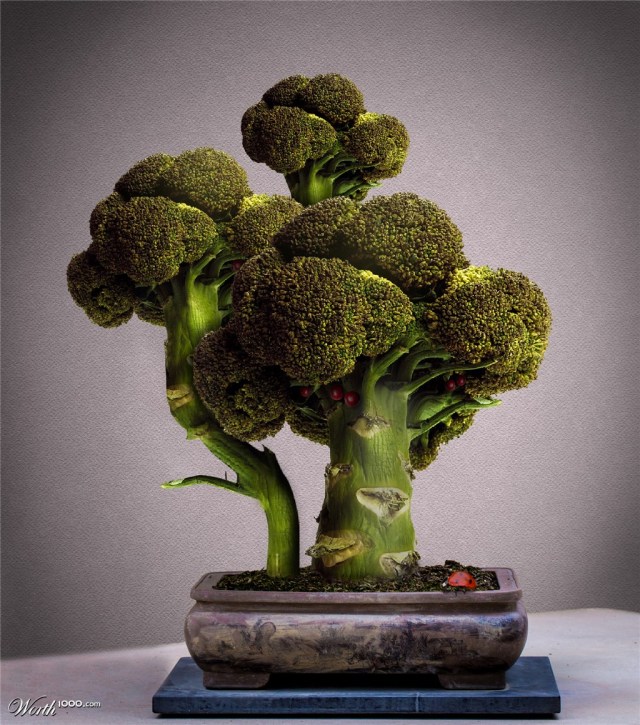
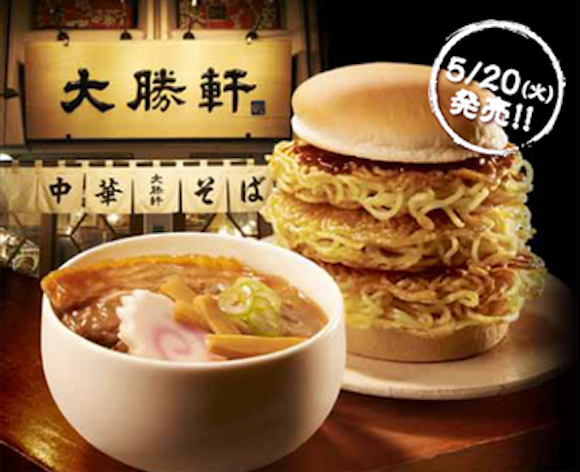
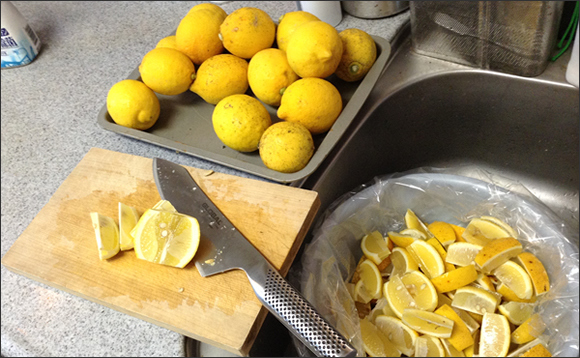
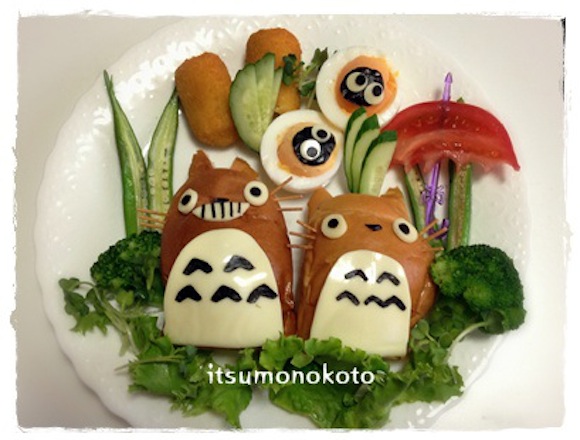
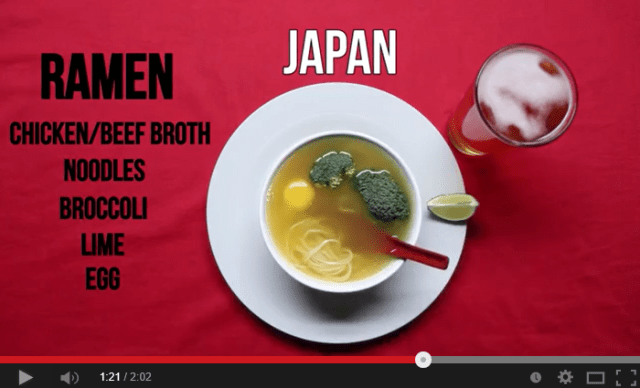
Bonsai and sushi are two of Japan’s most well-known cultural exports with fans all over the world. But while Japan may cling to the traditional presentation of these two icons, globalization has taken these Japanese icons and turned them into something new. Not just happy with tiny trees and raw fish on top of vinegar rice, these cultural hybrids have evolved into something far beyond their origins in the Japanese archipelago. Click below to see some very creative bonsai as well as some food that really stretches the definition of “sushi.”



 Japanese airlines set to cut fuel surcharges for international flights in September and October
 The Japanese city where ordering grilled chicken doesn’t guarantee you’ll actually get chicken
 Delta Airlines adds first nonstop flight between Japan’s Narita Airport and U.S. in seven years
 Study finds hundreds of people in Indonesia legally named after Naruto, Inuyasha, other anime stars
 Train continues to stop at rural station for lone schoolgirl until she graduates in March
 Studio Ghibli adds new Jiji’s baby plush toy to its anime merchandise range in Japan
 Beautiful off-the-beaten-path spot near samurai castle in rural Japan looks like a Monet painting
 Tokyo sweets store has a “350% Pudding Soft Serve”, and people are going wild for it
 Hello Kitty x Godzilla Happy Meals are coming to McDonald’s, but not in Japan [Video]
 Japanese figure skating star Yuzuru Hanyu and Winne-the-Pooh announce crossover merch line [Pics]
 Japanese toilet aims to attract foreign tourists but not everybody is happy about it
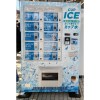 New Japanese vending machine at Shinkansen station sells cups of ice on platform
 Anime fan in Japan arrested for ordering and cancelling over 4.3 billion yen in anime merch
 Starbucks Japan teams up with Traveler’s Company for new stationery and goods collection
 Japan’s new beer glass is designed to force you to drink…water [Video]
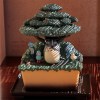 Beautiful Totoro bonsai figure needs no watering, makes soothing rain showers whenever you want
 End of a manga era as Weekly Shonen Jump’s circulation drops under one million
 This beautiful rural Japan river is a great alternative to touristy summer retreats [Photos]
 Studio Ghibli releases new Kiki’s Delivery Service Jiji music box for anime fans
 Tokyo subway installing new ticket gates that don’t accept payment through Suica or other IC cards
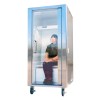 Japan now has human refrigerators inspired by Japanese vending machines
 Hatsune Miku collaborates with Hokusai’s art in new Vocaloid ukiyo-e illustration series [Pics]
 New Shinkansen luggage drop-off system begins in Japan, making train travel even easier
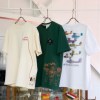 Studio Ghibli releases anime T-shirts that pay homage to one of Hayao Miyazaki’s most personal films
 Air-conditioned dress shirts arrive in Japan to save working professionals from sweltering heat
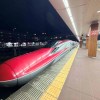 Japanese Shinkansen becomes an overnight hotel for three nights this summer
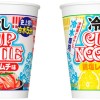 Cup Noodle unveils first-ever cold-water instant ramen in Japan
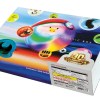 Pokémon Center Online designates first Pokémon items that will require Japanese ID card to buy
 99-year-old woman rescued while attempting to climb Mt. Fuji
 Japan announces sudden 400-percent increase in visa fees for foreigners entering the country
 Japan’s human washing machines will go on sale to general public, demos to be held in Tokyo
 Studio Ghibli has a new anime out, and there’s only one place in the world where you can see it
 Starbucks Japan releases new drinkware and goods for Valentine’s Day
 Starbucks Japan releases new sakura goods and drinkware for cherry blossom season 2026
 Japan’s newest Shinkansen has no seats…or passengers [Video]
 Japanese ninja certification exam attracts 131 candidates from Japan and abroad
 Salomon releases Japan-exclusive Mt. Fuji hiking gear that doubles as an amazing souvenir
 Put sesame oil in your coffee? Japanese maker says it’s the best way to start your day【Taste test】
 Studio Ghibli adds new Jiji’s baby plush toy to its anime merchandise range in Japan
 Beautiful off-the-beaten-path spot near samurai castle in rural Japan looks like a Monet painting
 Tokyo sweets store has a “350% Pudding Soft Serve”, and people are going wild for it
 Hello Kitty x Godzilla Happy Meals are coming to McDonald’s, but not in Japan [Video]
 Japanese figure skating star Yuzuru Hanyu and Winne-the-Pooh announce crossover merch line [Pics]
 Starbucks releases tear-jerking new video inspired by heartwarming encounters in Japanese stores
 This beautiful Okinawa beach gives you the best of both worlds when visiting the prefecture [Pics]
 Shinto shrine in downtown Tokyo announces cosplay ban
 7-Eleven Japan has a “Super Spicy! Taiwan Mince Cutlet” that’s fiery red… but how hot is it?
 Wagyu ramen for foreign tourists appears in Kabukicho, with a very high price tag
 Japan’s new beer glass is designed to force you to drink…water [Video]
 Pokémon donuts are coming to Krispy Kreme in the U.S. [Photos]
 Did you know? Only one Beard Papa’s in all of eastern Japan sells soft serve in a cream puff
 Japanese convenience store food gets turned into hyper-realistic stationery you can peel open