Happy Saturday, everyone! We hope you got through the week with all your bits and pieces still connected and without getting fired. But before you go off and start being nice to people now that you have a day off, let’s argue about food.
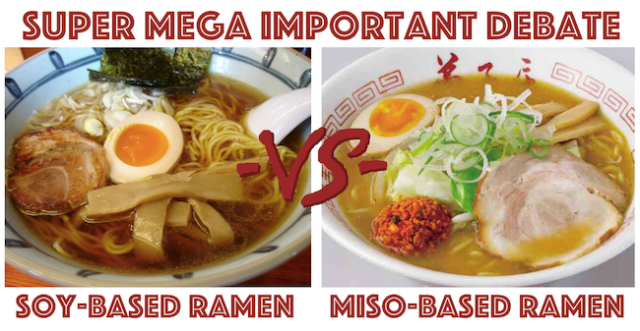
This week we’re talking about soy sauce-based ramen and miso-based ramen– two firm favourites in the world of delicious, soupy noodles and each with legions of fans. But of course, as Sean Connery and Christopher Lambert told us in the 1986 film Highlander, there can be only one, so pick a side and make your click count.
If you’ve been to Japan, you may have been told about the two most common table etiquette faux pas, both related to funerals and death. If you’re not very familiar with Japanese customs, these gaffes are way too easy to commit because on the surface, nothing seems obviously wrong with them.
Since we at RocketNews24 believe that unraveling the mysteries of Japanese culture is part of the fun of traveling and even living in Japan, in this article we’re going to explore strange new worlds, seek out new life and new civilizations, and boldly go where no gaijin has gone before: We’re going to reveal the meaning behind the mother of all lunch boxes: the funeral bento. It’s big, it’s bulky, it’s boisterous, and it’s drop-dead gorgeous.
This veritable feast in a box contains a seven-course meal which is big enough to share with the deceased. Yep, that’s right. Join us while we eat with the dead. Read on!
Sometimes our modern lives lack conflict. Let’s remedy that today by having a massive fight about something that doesn’t really matter.
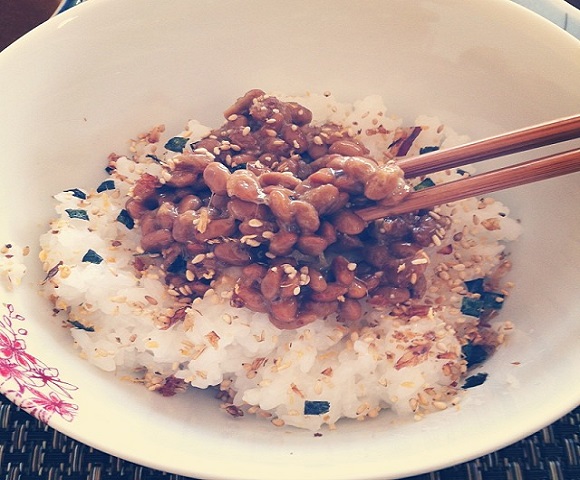
This week, we’re talking about the fermented soybeans known asnatto, and there’s one question we need you all to answer: is this dish “nom” or is itdecidedly “vom”?
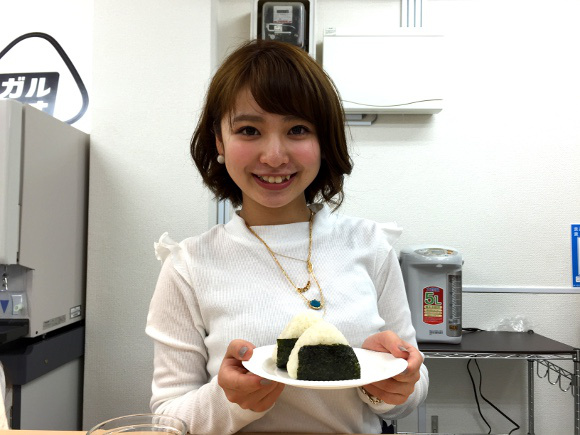
Onigiri are the perfect Japanese snack food. Portable and (generally speaking) healthy, they consist of a small ball or triangle of rice containing one of a huge variety of fillings, wrapped in seaweed or coated with some kind of seasoning. While most of the onigiri you can buy at convenience stores here in Japan are probably filled and shaped by machine, it’s traditional to roll ’em yourselves by making a squeezing motion with your hands. And now you can combine your love of onigiri with your love of cute idol girls by heading down to “Galmusu”, a new cafe where, for a small fee, a cutie will squeeze your rice balls for you right in front of your eyes!
We sent one of our Japanese reporters to investigate this new form of edible performance art!
Oh, but before you read on, we should probably mention one thing: our reporter usually can’t stand anyone handling his food…
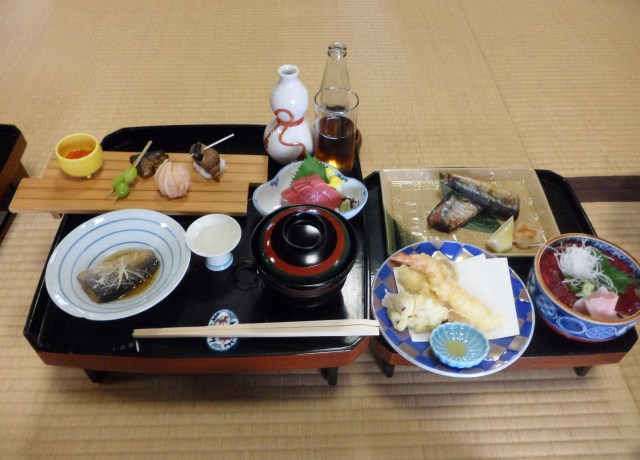
As RocketNews24 readers, you are probably a bit more savvy than most about what Japanese food is, but for many, the concept doesn’t extend far beyond sushi. Despite its recent elevation to UNESCO Intangible Cultural Heritage status and its potential for international popularity, washoku still lacks global recognition and understanding.
That’s about to change, however, if newly launched project Peace Kitchen has their way, and we might all be better off for it.
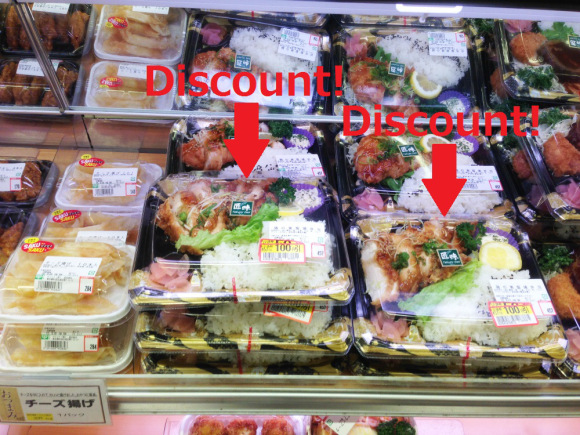
Today we’re going to tell you a super special tip for getting the most out of your local supermarket here in Japan. It’s actually something pretty simple, but that you might not know about if you always go during the day.
You see, you should totally go to the supermarket just before closing time. Why? Because when it gets close to closing time they start to discount their food!
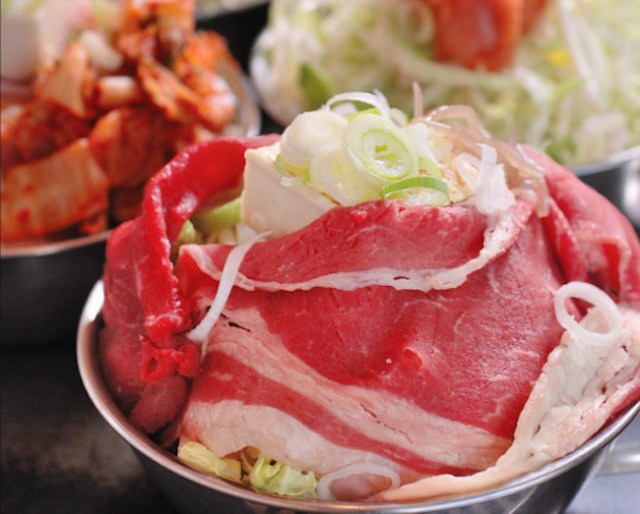
When people think of Japanese food, most think of sushi, sashimi or even some of the more popular Japanese comfort foods like okonomiyaki or udon noodles. If you’re a tourist, however, you’ve likely never experienced one of Tokyo’s most popular dishes: monjayaki. But don’t feel bad; even some Japanese people who don’t live in the Tokyo metropolitan area (75 percent of the population) have never tasted it. This is one reason why Tsukishima Monjadori, a street with over 100 monjayaki restaurants, ranks in the top five sight-seeing spots in the capital for Japanese tourists (FYI, the other four are Harajuku, Tokyo Disneyland, Odaiba and Tusukiji Fish Market).
Monjayaki is simple but complicated: it has just a few easy ingredients and can be made in under three minutes yet it requires instructions to make, and even eat, properly. It helps to know, for example, that monja is not usually eaten with chopsticks, and that there’s a good reason why.
Read on to learn more about this unexpectedly delicious fare: watch a how-to video showing you how to make it, check out photos that show you how to eat it, and get tips from a master monjayaki chef.
Slimy, sticky, and stinky – natto is a triumvirate of all the things picky eaters are likely to find unpalatable. While these fermented beans are actually incredibly good for your health (being rich in vitamins and fibre), they’re nonetheless something that even most Japanese people don’t like eating. But now there’s a new miracle product which claims to make natto perfectly tasty and edible, even for die-hard natto haters.
Onigiri, or rice balls, are one of the easiest ways to dabble in Japanese cooking. It’s almost as easy to make homemade onigiri as it is to buy from a store. The popularity of the simple rice ball is so great, there is even a store that sells one from each of the 47 prefectures.
In the RocketKitchen, our aim is to show you the best way to make fabulous Japanese dishes right in your own home. This time, we’re going to share with you foolproof way to create the best-tasting onigiri you’ve ever made. Hope you’ve got some rice cooking–it’s time to level-up that onigiri!
We all have our favorite foods, but have you ever thought about what you would choose to eat if you knew that would be your last meal? Would you want an exotic delicacy or would you rather have a familiar taste before you shuffle off this mortal coil?
A Japanese website recently polled a group of women to ask them what they would order for their last meal and we’ve got the results below the break.
“Comfort food” is traditional cooking that tends to have a nostalgic or sentimental connection, often one related to family or childhood: the grilled cheese sandwiches your mother used to make; the thought of your grandmother’s bread pudding makes your mouth water; the way the whole house would be filled with the intoxicating aroma of roasted turkey or ham at Christmas? Because of such memories, these foods comfort us, especially when we’re longing for home or feeling especially vulnerable.
Not surprisingly, the sentimental Japanese have their own comfort foods. While you might think they’d be waxing over the octopus tentacles of home, very few of the dishes we’re about to talk about have much to do with seafood. Many Japanese comfort foods have a rice connection and may even center around the unique relationship between mothers or wives and their role in family food preparation. And in Japan, make no mistake about it–her kitchen rules!
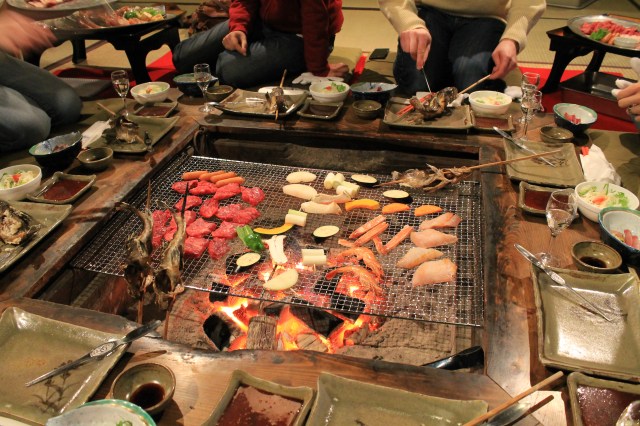
I recently had the opportunity to travel to the Noto Peninsula, an outcrop that sticks out from Japan’s main island of Honshu into the Sea of Japan. The area relies heavily on fishing and agriculture, and is famous for its delicious seafood and beautiful scenery.
Noto’s not so popular as a tourist destination in winter, but I went along on a trip to see what the place has to offer when it’s coooold outside. As it turns out, Noto out of season is about as chilly as I’d expected. But it was also very cool.
MOVIE LIFE KYOTO is a video series which aims to introduce Japanese culture to foreigners in a light-hearted and humorous fashion. With English narration and Japanese subtitles, they’re filled with little factoids and hilariously on-point observations that will be of interest to foreign visitors and a source of much ‘that’s so true!’ amusement for Japanese people, too!
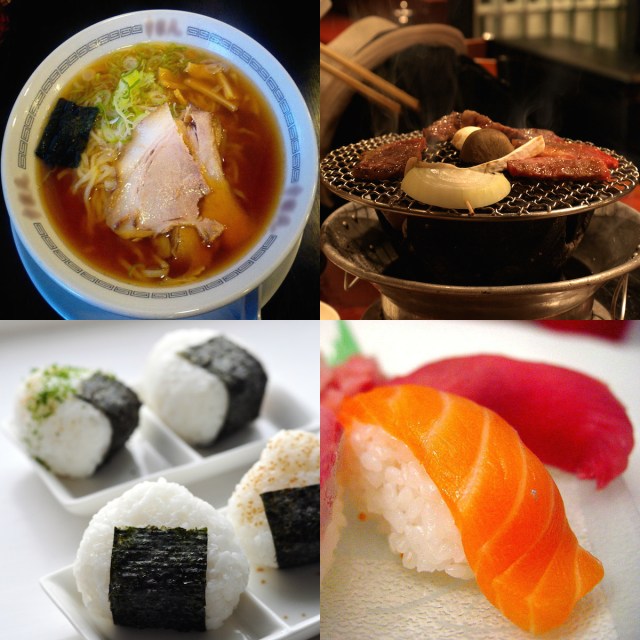
When you think of Japanese food, you likely think of sushi, ramen, or udon–all excellent choices! You might even find your mouth watering at thoughts of monjayaki or anko ice cream, but there may be a few that you’re not so familiar with. Today, we’re going to look at 12 lesser-known foods–and what one of our intrepid writers thought about them!
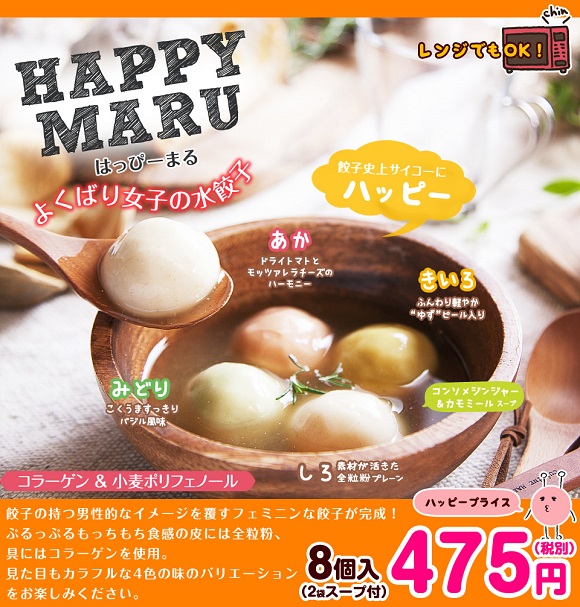
When you think of gyoza, those traditionally Chinese parcels of meaty, vegetable-y goodness that go so perfectly with a frosty mug of beer, do you imagine they’re more likely to appeal to dainty, health-conscious ladies, or undiscerning, ravenous salarymen? Whilst undeniably delicious, gyoza are generally seen as an unrefined food option – good for a quick stuffing, but hardly haute cuisine. That’s all set to change with the invention of “Happy Maru“, a range of colorful boiled gyoza “dumplings” infused with beautifying collagen and polyphenols for the health and beauty-conscious modern woman. But just what’s so different about them?
These days, Japanese food is pretty widely consumed in the west, even if sometimes the original taste gets slightly lost in translation. In general, though, even non-Japanophiles can be found enjoying a range of Japanese food, whether at home or out for dinner with friends. Sushi is no longer shocking, and “comfort foods” such as okonomiyaki, ramen, and yakiniku can all be enjoyed overseas. But did you know that apparently we’re still making five major mistakes when it comes to Japanese cuisine? Read on to find out if you’re a major offender who doesn’t know their ikura from their elbow!
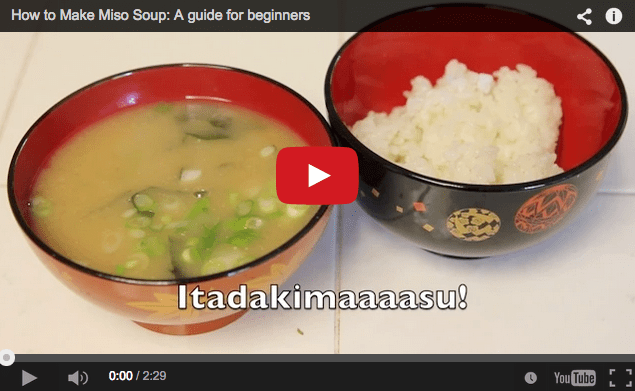
Miso is a fermented mixture of soybeans, barley, and rice that’s high in protein and rich in vitamins and minerals. The salty condiment is eaten daily by many people in Japan, leading some to believe that it is the secret behind their longevity. Others have dubbed it “one of the healthiest foods in the world.” It’s also extremely delicious (as if you needed another reason to add miso to your diet), and the easiest way to cook with this wonder food is by making miso soup.
Contrary to what I had originally assumed, the Japanese classic does not consist of only miso paste and hot water (please tell me I’m not the only one who thought this). After trying my original “recipe” for miso soup, I could tell something was off and enlisted the help of a 15-year-old high school student who laughed at my naivety. She was gracious enough to teach me the recipe her grandmother taught her and was happy to share it with all of you lovely RocketNews24 readers. So without further ado, here are a few simple steps to making delicious, authentic miso soup.
We recently had the opportunity to attend the delightful reception “Celebrating Worldwide Recognition of Washoku and Rice” aimed to present the appeal of rice and its importance in Japanese cuisine (washoku). In our first article covering the event, we gave you a round-up on the talks and demonstrations made by three guest speakers during the first part of the evening’s program, including the serving of a traditional Japanese meal prepared by a master chef. Now, it was time for us to get active and try our hand at a bit of sushi rolling!
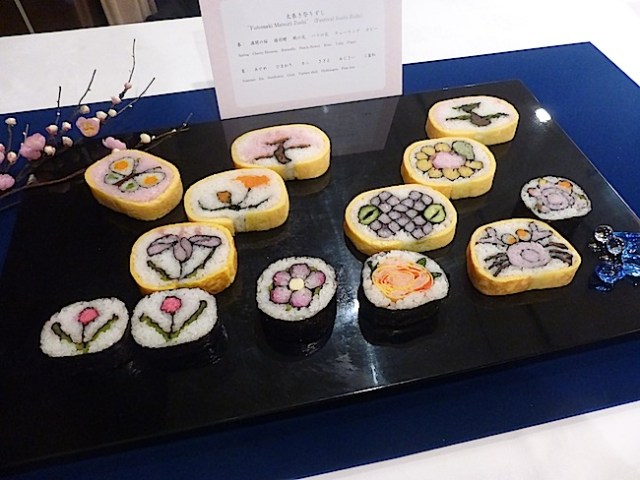
In this, the second and final article in this two-part series, we’ll attempt to create a special futomaki sushi roll known as Futomaki Matsurizushi (“thick roll festival sushi”) like the one made by Ms. Eiko Ryuzaki, president of the Chiba Traditional Local Cooking Study Group, in one of the presentations earlier that evening.
Okay, so we weren’t going to be able to create an entire plate of colorful festive futomaki rolls like the display in the picture above, but we were excited about the chance to make even just one pretty little roll! So, were we ready to get our hands sticky with rice? You can bet we were!
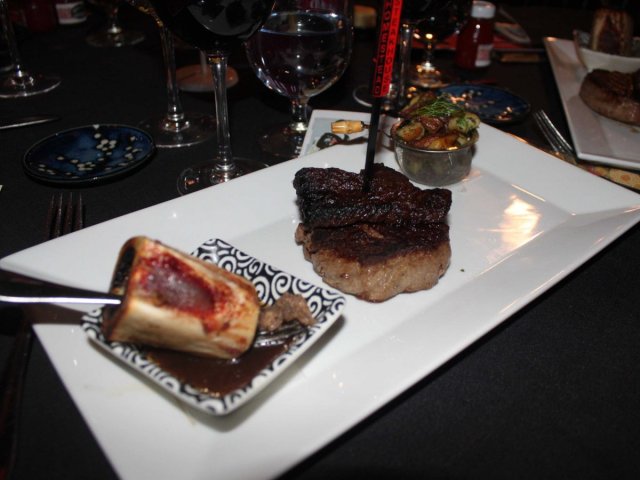
On Monday night about two dozen journalists, steak-enthusiasts and all-around hungry people gathered in a private room at Old Homestead Steakhouse in Manhattan’s Meatpacking District to enjoy an experience months in the making.
For the first time ever, Americans were about to dine on the highest quality Japanese Wagyu steak purchased at one of the country’s exclusive beef auctions. Greg Sherry, a co-owner of Old Homestead along with his brother Marc, traveled to Japan’s Gunma prefecture to bid on some beef and bring it back home.
Are there ever times when you feel really glad to have been born where you were? Maybe you’ve felt that way during a holiday, or while eating your favorite local food, but regardless, most of us have had those moments when we’re just plain thankful to be a citizen of a particular country.
Internet portal Mynavi Woman was curious to learn the specific situations and things that made Japanese people happy to be Japanese, and so in typical Mynavi fashion they opened up an internet survey in July to find out. Those results are finally in, and we’re happy to present to you the top 10 things that made Japanese respondents feel lucky to be nihonjin!




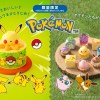 You can assemble a well-balanced team of Pokémon, them eat them, thanks to Japanese cake chain
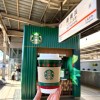 Starbucks Japan closing only Shinkansen platform branch for popularity-triggered renovations
 Japan reportedly adding Japanese language skill requirement to most common foreigner work visa
 Can a downtown Tokyo super sento bathhouse beat a hotel for a one-night stay?
 Japan named most sleep-deprived country for fourth year in a row, according to survey
 Sailor Moon’s Artemis is part of the Artemis II NASA mission control team[Video]
 Pokémon and Ikea Japan cross over into each other’s worlds with collaboration events
 Totoro Fund line of beautiful artwork and apparel lets you help the real-world Totoro Forest
 Sakura season arrives at McDonald’s Japan with new range of exclusive menu items
 Totoro sequel anime Mei and the Baby Catbus will screen at Ghibli Park this winter
 Tokyo’s best museum for foreign travelers finally reopens after being closed for four years
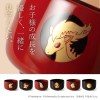 Pokémon lacquerware series expands for Year of the Horse with new handcrafted design[Video]
 Two food hacks take Japan’s convenience store fried chicken to amazing new sandwich heights
 Tokyo subway and almost all Tokyo train lines now accepting credit card tap payments
 Fading Tokyo – Searching for signs of the Showa era as local neighborhoods evolve[Photos]
 Famous Tokyo cherry blossom spot installs view-blocking screens to fight overcrowding[Video]
 Tokyo turns its phone booths into free Wi-Fi hotspots, and here’s how to use them
 Studio Ghibli adds new My Neighbour Totoro 2026 Corn Gift to its anime store for Mother’s Day
 Japan now has a special desk for people who work at home with a pet cat[Photos]
 Uniqlo announces new T-shirts for One Piece, Naruto and more for manga publisher’s 100th birthday
 Train station platform ramen store closes its doors on half a century of history in Tokyo
 Starbucks Japan releases new My Fruit³ Frappuccino at only 34 stores around the country
 Studio Ghibli releases Catbus pullback keychain that runs like the anime character
 Krispy Kreme releases Super Mario doughnuts in Japan for a limited time
 Japanese onsen egg maker from 100-yen store Daiso needs to be on your shopping list
 Nine great places to see spring flowers in Japan, as chosen by travelers (with almost no sakura)
 Survey asks foreign tourists what bothered them in Japan, more than half gave same answer
 Japan’s human washing machines will go on sale to general public, demos to be held in Tokyo
 Starbucks Japan releases new drinkware and goods for Valentine’s Day
 We deeply regret going into this tunnel on our walk in the mountains of Japan
 Studio Ghibli releases Kodama forest spirits from Princess Mononoke to light up your home
 Starbucks Japan releases new sakura goods and drinkware for cherry blossom season 2026
 Japan’s newest Shinkansen has no seats…or passengers [Video]
 Major Japanese hotel chain says reservations via overseas booking sites may not be valid
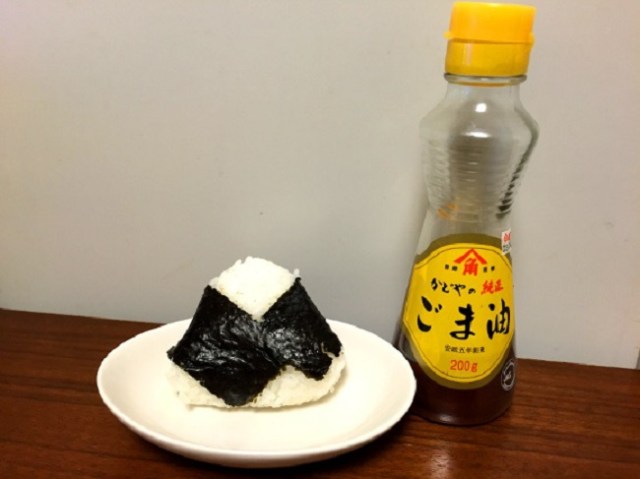
 Put sesame oil in your coffee? Japanese maker says it’s the best way to start your day【Taste test】
 No more using real katana for tourism activities, Japan’s National Police Agency says
 Sailor Moon’s Artemis is part of the Artemis II NASA mission control team[Video]
 Pokémon and Ikea Japan cross over into each other’s worlds with collaboration events
 Totoro Fund line of beautiful artwork and apparel lets you help the real-world Totoro Forest
 Sakura season arrives at McDonald’s Japan with new range of exclusive menu items
 Totoro sequel anime Mei and the Baby Catbus will screen at Ghibli Park this winter
 New Uniqlo x Pokémon collection coming to Japan this month!
 Ghibli Museum building becomes a cuddly cushion
 Practical Zelda Tears of the Kingdom merch is here to be Hyrule-helpful in your daily life【Pics】
 Slayers cafe opening in Tokyo and Osaka brings food of the fantasy anime to real life【Photos】
 A Kyoto factory vending machine sells gourmet mystery meals at bargain prices
 The tragedy of Mononofu, the functional two-and-a-half-story bipedal robot【Pics & Video】
 Pokémon Smart Bath Mats are amazingly cute, but there’s more to them than meets the eye【Photos】