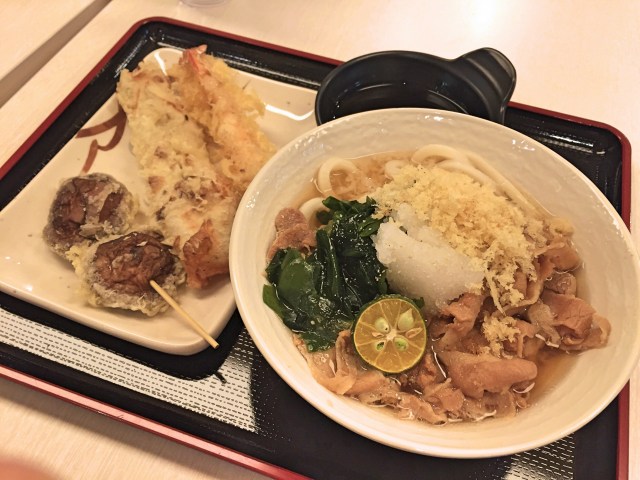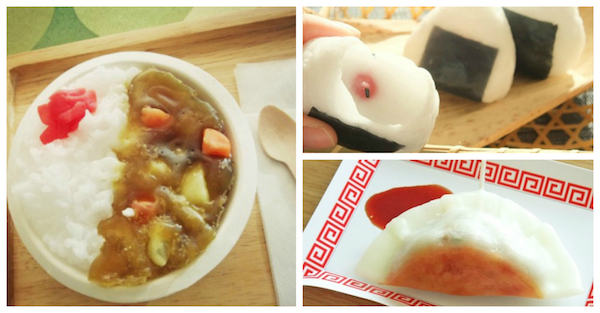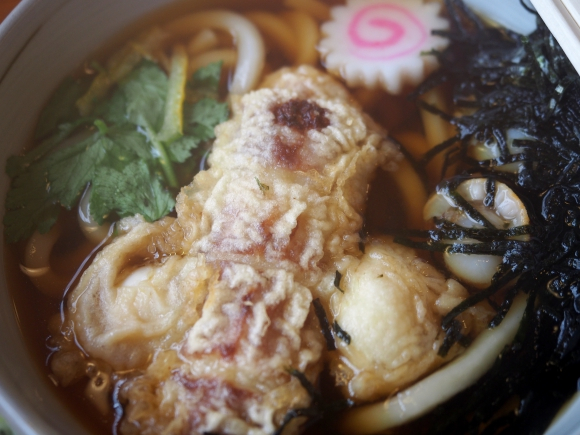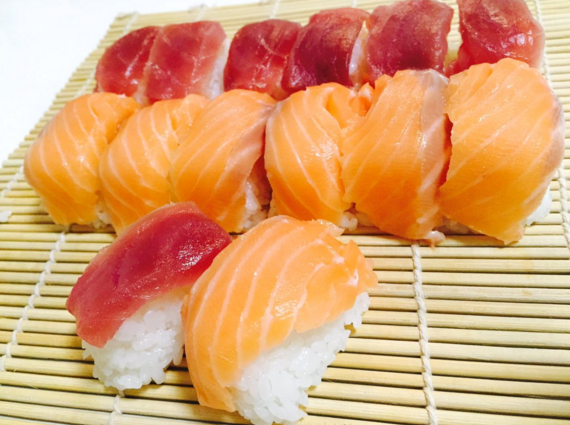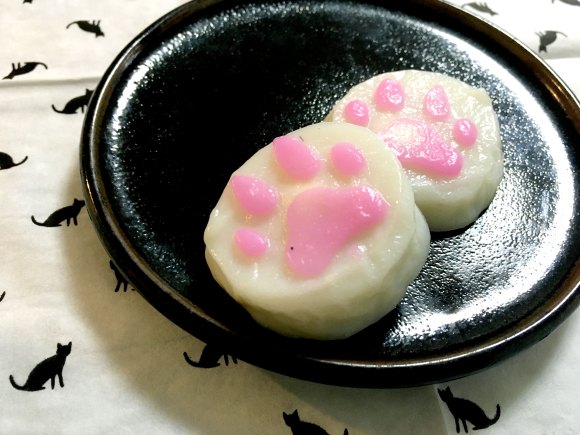
You’ll definitely want to give these paw-shaped fish cakes a squish before you bite into them!
Bringing you yesterday's news from Japan and Asia, today.
Japanese food (Page 25)
You’ll definitely want to give these paw-shaped fish cakes a squish before you bite into them!
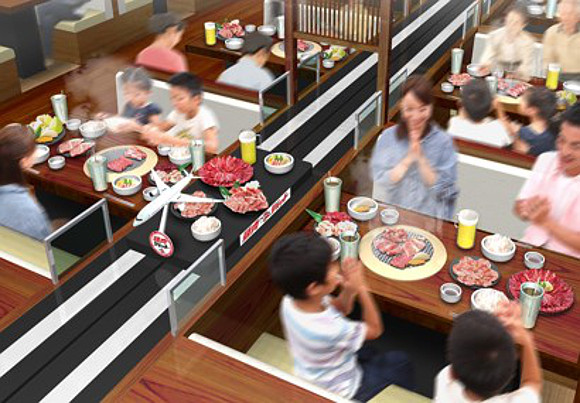
Complete with a touch panel ordering system, unusual menu items, and jet take-off sounds, this new restaurant is set to change the way we enjoy grilled meat forever!

Eating over 100 bowls of ramen in Japan in less than 6 months has turned Fanny Chu into a ramen connoisseur.
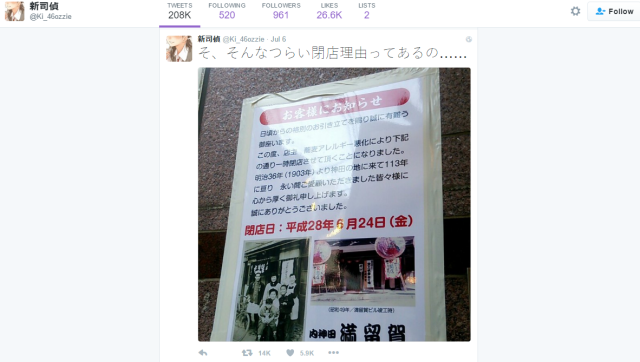
The poster explaining the reason for the closure of the family-run business is breaking hearts around the internet.
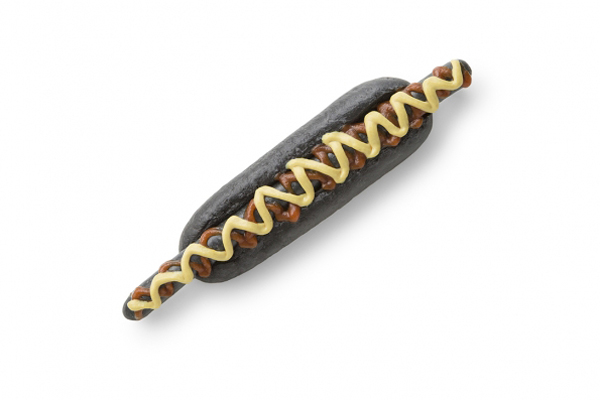
If you think your stomach can handle the element of surprise, you may want to try IKEA’s new ninja hotdog – and, yes, it is very black.
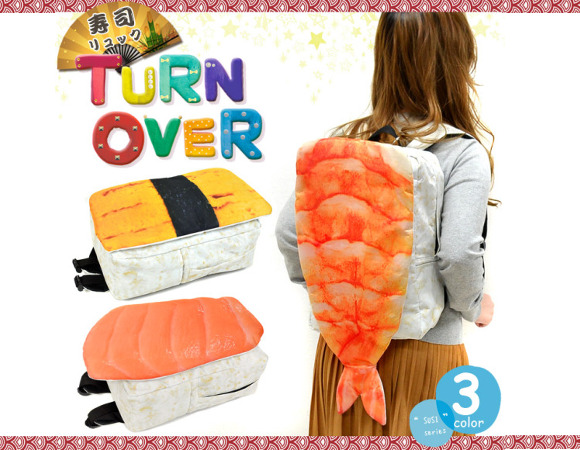
Bring the crazy spirit of Harajuku fashion culture to your wardrobe by adding a giant slice of raw fish to your outfit.
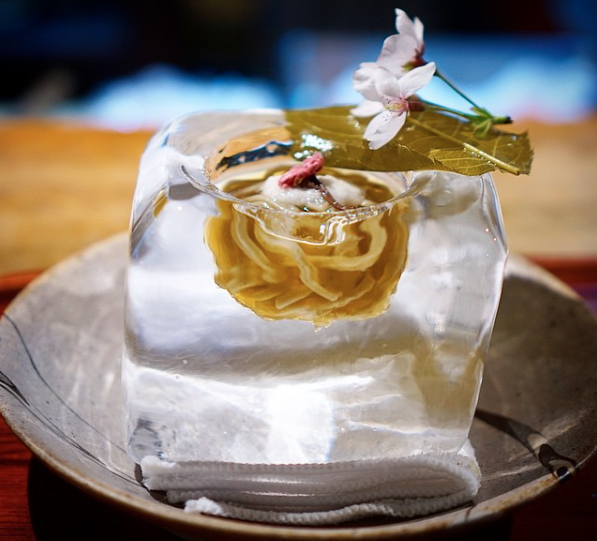
Sometimes there are restaurants you want to keep a secret all to yourself, and this is definitely one of them.
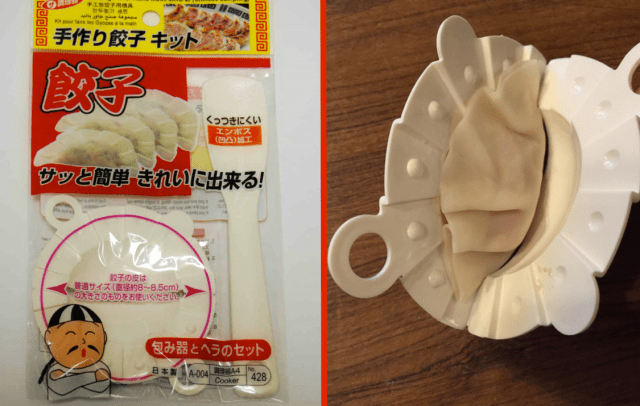
Fulfill your craving for gyoza dumplings anytime, anywhere with this popular device from Japanese 100 yen store chain Daiso.
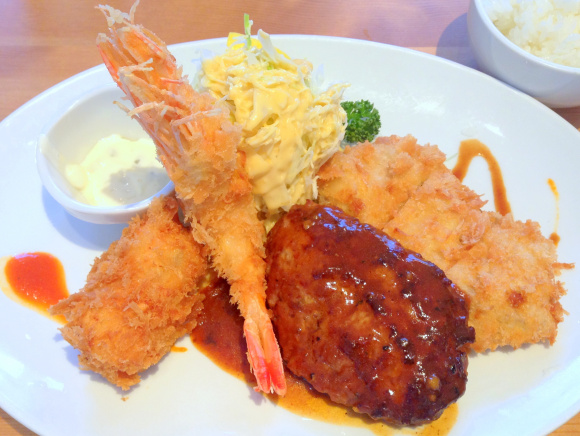
Want to eat like a big kid, only with more grace and style? This restaurant in Kyoto offers a “Kids’ Special – for Adults”! Naturally we had to go and scoff—er, try—it for ourselves…
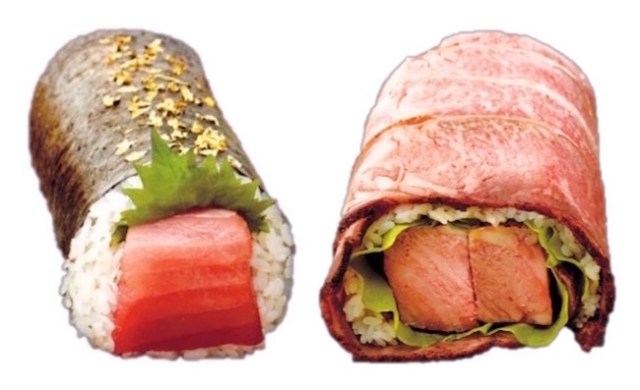
Let’s see what tempting (and pricey) Ehomaki rolls are on offer at Tobu Ikebukuro Department Store this year to celebrate the coming of spring on Setsubun day.
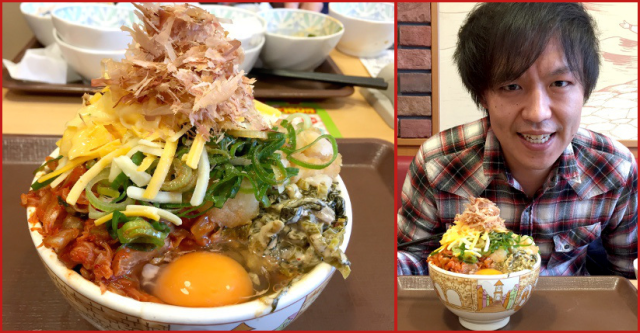
Gyudon, or beef bowl, restaurants offer a plethora of toppings to add to your meal and it can be hard to choose just one. So why not choose them all?
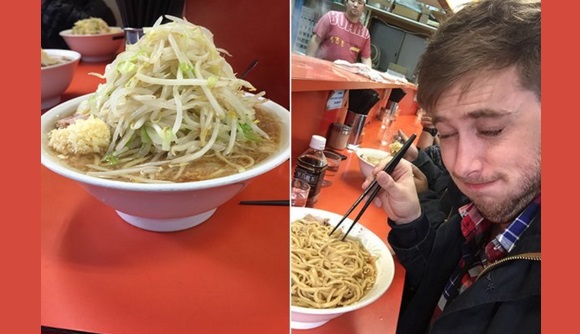
When a reporter for popular social news site BuzzFeed ate at Ramen Jiro recently, Japan’s netizens had plenty to say about it!
 New Studio Ghibli notebooks are a beautiful reason to write and draw by hand [Photos]
 Sushi Bus starts running in Japan, but is it a tourist trap or tourist must-do?
 Japan lodges formal complaint with China for calling Prime Minister Sanae Takaichi Sanae Takaichi
 Family Mart releases 47 convenience store socks and stickers, one for every prefecture in Japan
 Starbucks Japan releases new Halloween Frappuccino and drinkware, but are they worth buying this year?
 Tokyo train station will play Godzilla theme song as new departure melody
 Burger King serves up Pickleball Burgers in Japan, with a tasty nod to the number 11
 Experimenting with making hot sandwiches in the microwave with a device from Japan’s 3COINS
 Japan has convenience store fried chicken-flavor instant ramen, but does it taste like it says it does?
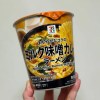 7-Eleven Japan now has Milk Miso Curry Ramen, but is that too much for one cup? [Taste test]
 Japan announces new permanent residency guidelines, foreigners must earn more than average Japanese personTokyo train station will play Godzilla theme song as new departure melodyFamily Mart releases 47 convenience store socks and stickers, one for every prefecture in JapanExperimenting with making hot sandwiches in the microwave with a device from Japan’s 3COINS
 Make-your-own-Totoro plushie workshop event coming to Ghibli Park park this fall
 Osaka man arrested for running little pet shop of horrors with dangerous crocodile
 Starbucks Japan says sayonara to the Filone for new sandwiches and a Pumpkin Soupuccino
 Casio collaborates with a Kyoto foil master for a luxurious one million yen G-SHOCK
 Foreign tourist numbers drop in Osaka, despite record-setting highs from U.S. and Korea
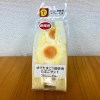 One of Japan’s best convenience store egg sandwiches is one you won’t find at the big three chainsJapan announces new permanent residency guidelines, foreigners must earn more than average Japanese person
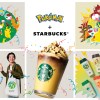 Starbucks Japan unveils new Pokémon collaboration with Pikachu Latte and exclusive goodsFamily Mart releases 47 convenience store socks and stickers, one for every prefecture in Japan
 Studio Ghibli’s Calcifer is ready to light up your home as a magical-looking candle lamp [Photos]
 Lady Gaga and Family Mart team up for a Japanese convenience store work video [Video]
 New Gundam Base superstores coming soon in the U.S., with one opening this month
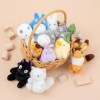 Studio Ghibli releases new plush mascot character collection with a focus on friendship
 Studio Ghibli releases new onigiri rice ball-shaped lunch bag for Kiki’s Delivery Service fans
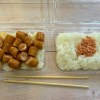 Do Japan’s new single-minded convenience store bento show depressing poverty or satisfying focus?
 How to watch Studio Ghibli’s new anime in Japan, with a special after-dark outdoor screening for Halloween
 Japan announces sudden 400-percent increase in visa fees for foreigners entering the country
 Japan’s human washing machines will go on sale to general public, demos to be held in Tokyo
 Studio Ghibli has a new anime out, and there’s only one place in the world where you can see it
 Starbucks Japan releases new drinkware and goods for Valentine’s Day
 Starbucks Japan releases new sakura goods and drinkware for cherry blossom season 2026
 Japan’s newest Shinkansen has no seats…or passengers [Video]
 Tokyo subway installing new ticket gates that don’t accept payment through Suica or other IC cards
 Japanese ninja certification exam attracts 131 candidates from Japan and abroad
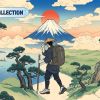 Salomon releases Japan-exclusive Mt. Fuji hiking gear that doubles as an amazing souvenir
 Japan reportedly adding Japanese language skill requirement to most common foreigner work visa
 Tokyo train station will play Godzilla theme song as new departure melody
 Burger King serves up Pickleball Burgers in Japan, with a tasty nod to the number 11
 Experimenting with making hot sandwiches in the microwave with a device from Japan’s 3COINS
 Japan has convenience store fried chicken-flavor instant ramen, but does it taste like it says it does?
 7-Eleven Japan now has Milk Miso Curry Ramen, but is that too much for one cup? [Taste test]
 Matcha ice cream discontinued by one of Japan’s favorite ice cream brands
 Starbucks Japan unveils new Halloween goods with secret glow-in-the-dark details
 New Sonic the Hedgehog figure costs 1 million yen, is made of Arita ware Japanese porcelain [Vid]
 Video released of Pikachu’s real-world trip to space! [Video]
 Giant wagashi cushions will turn your home sweet home into home sweet Japanese sweets home
 Pokémon Center apologizes for writing model Nicole Fujita’s name as Nicole Fujita
 If anyone needs us, we’ll be in the cardboard Japanese snack house we just built [Photos]
 Japan announces new permanent residency guidelines, foreigners must earn more than average Japanese person
 Shibuya goes hard on Halloween, announces countermeasures to prevent chaos on the streets