Tokyo’s Harajuku neighborhood means different things to different people. The beautiful people living the Japanese high life are drawn by the brand-name jewelers on the tree-lined Omotesando boulevard. Teens, meanwhile, flock to the narrow Takeshitadori shopping street to score up-to-date fashions that leave their parents scratching their heads in bewilderment.
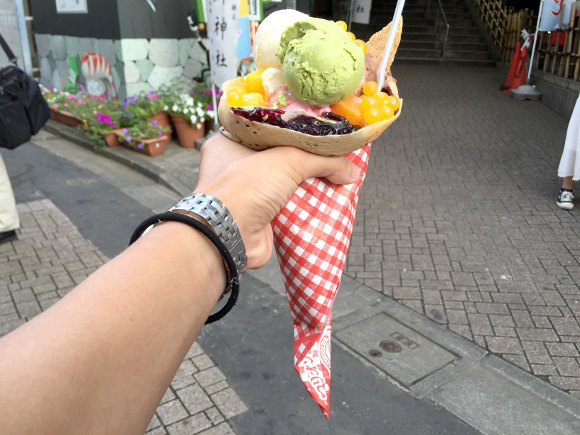
And for those with a sweet tooth, Harajuku is all about the crepes.
Our intrepid Japanese-language correspondent P.K. recently took a break from seeing how many slices of roast pork or boiled eggs he could cram in his stomach and instead decided to see how much dessert he could consume in a single serving, as he decided to max out a Tokyo crepe by ordering one with every available dessert topping.
Even if you’re not ordinarily a very artistic person, we bet you get a spark of inspiration when you’ve got a pancake on your plate. Who hasn’t drawn a doodle or sketched a smiley face in maple syrup, or at least initialed their flapjacks with the sticky, tasty condiment?
After all, tasty as they may be, pancakes look pretty dull if you don’t add any decoration…unless you’re dining at this restaurant in Japan where the pancakes come pre-decorated with images of Pikachu, Mario, and dozens of other anime and video game characters.
As a nearly 10-year resident of Japan, whenever I’m back to visit the States I love taking friends and acquaintances out to a nearby sushi bar and being easily the most knowledgeable sushi snob in the whole place. While my buddies are pouring over the weird fusion sushi – inevitably featuring fried shrimp sticking out at crazy angles like that spider-head monster in The Thing – I’m busy cramming the more delicately-flavored and exotic nigiri cuts into my gullet, rolling my eyes around in the back of my head and making exaggerated, mmmm, ohhh man, noises and sometimes giving the side-eye to the guy reluctantly prodding his uni nigiri like it’s going to come to life and slither off the table.
I’ve developed a taste for Japanese style-sushi, in other words, and I’m not afraid to be a jerk about it. But, back here in Japan, I’ll be damned if I don’t sometimes get intense cravings for a good ol’ California roll. Luckily, there’s a great place serving authentic American California rolls and other “Americanized” sushi in Okinawa, just a (relatively) short hop from Tokyo, and you can bet we went to try it out!
One of the first things that foreign visitors to Japan learn about Japanese cuisine is that white rice served by itself is meant to be enjoyed as it is, not soaked in soy or doused in dipping sauce. But many people who aren’t all that well-acquainted with Japanese food find the taste of plain boiled rice bland, and love to drizzle sweet and salty sauces all over in order to jazz it up a bit, even if it does make eating it with chopsticks ten times harder.
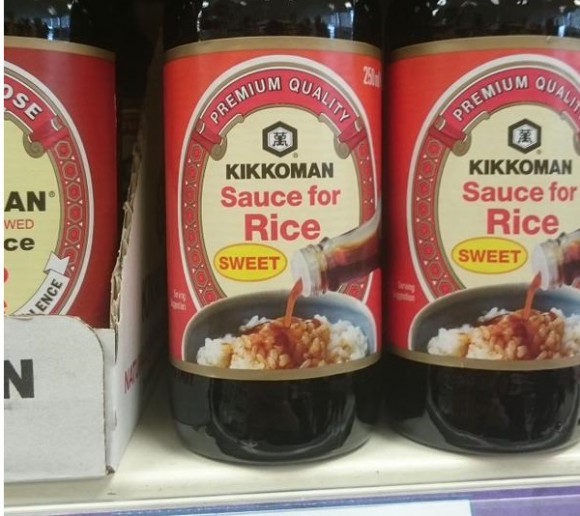
The UK is one place that probably isn’t known for having a high level of familiarity with Japanese food. Chains like Wagamama and Shoryu Ramen do exist, but they tend to play fast and loose with the definition of Japanese food, and as a result many British diners wind up getting their tastebuds in a bit of a tangle. But now, Japanese company Kikkomanis actually encouraging this desecrating behaviour by bringing out a new product in the UK market: Kikkoman Sweet Sauce for Rice! As you might expect, it’s raising eyebrows in Japan.
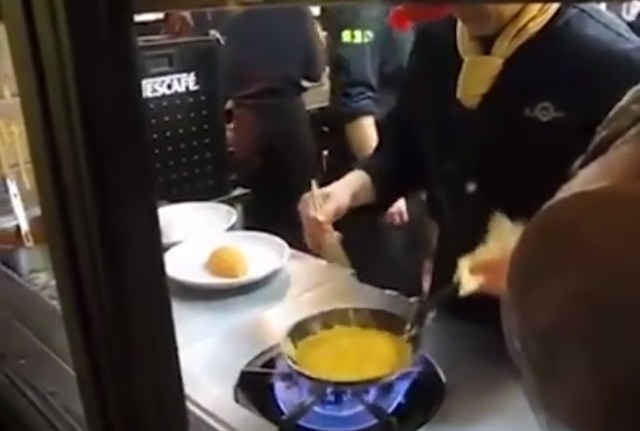
If any of you have ever tried your hand at making omurice– a Japanese rice omelette- then you’ll know it can get a bit tricky when trying to plate up. This chef, however, not only makes the process look super quick and easy, but he even turns the process into a mini performance as he shows off his skill!
Until recently, rice-loving Americans looking to add a little zing to their favorite grain would need to trek out to the nearest Asian grocery store to pick up a pack of furikake rice topping. But now, according to Japanese media, the toppings are gaining traction on the US west coast and is becoming more widely available.
Furikake consists of a mish-mash of ingredients that have been dried and powdered and, in Japan, is intended specifically and only to be sprinkled atop a steaming hot bowl of sticky Japanese rice; which explains why many Japanese people are reacting with shock at how the Americans are choosing to deploy the condiment.
Vegetarians traveling to Japan may find it difficult to find food that fits their dietary lifestyle. Fish seems to be in everything including the soup stock used to make miso soup. To make matters worse, many foods in convenience stores, bakeries or even Starbucks have misleading labels, and that “vegetable sandwich,” or “vegetable pizza” may actually have meat in it too! You can order foods like okonomiyaki or monjayaki with no meat, but you still can’t be sure it won’t come with shredded fish flakes on top that there isn’t fish lurking in the dashi-based sauces.
I always recommend to my vegetarian friends that rather than asking Japanese restaurants to make something special for them, it’s better to just order food that doesn’t have fish or meat (or dairy) in it from the beginning. Fish has always been a staple in the Japanese diet, but the eating of wild and domestic game was banned for over 1,200 years in Japan, and Buddhist tradition gave rise to a special vegetarian cuisine called shojin ryori. Even now, the traditional Buddhist meal called ozen (rice, miso soup, pickles, boiled/simmered vegetables and beans), is still served at funerals in Japan.
So traditionally, there is a lot of vegetarian food in the Japanese diet. You just have to discover it. And RocketNews24 is here to help! In this article we’ll introduce you to common Japanese dishes that can be ordered at almost any Japanese restaurant that have no meat, fish or animal products in them, so, let’s jump into Japanese vegetarianism 101.
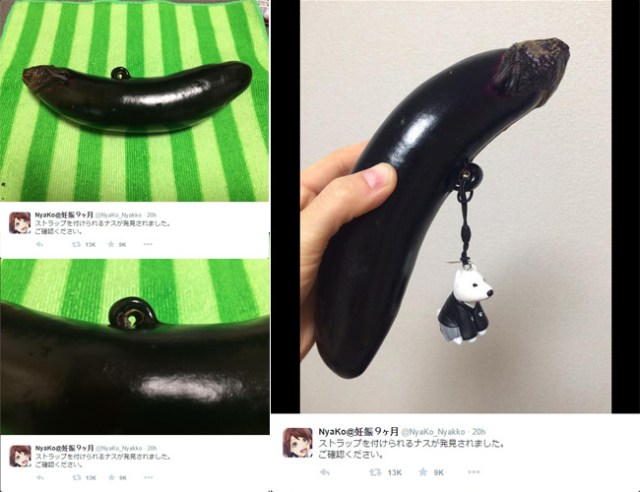
In Japan “straps” can be found everywhere. They’re like key chains, but with an elastic band. People primarily attach them to their mobile phones, but you can also spot them on anything else under the sun like gym bags or sleep apnea machines.
Now it seems that mother nature is getting in on the action by creating an eggplant with a loophole just right for attaching straps to. And attach straps is just what the lucky owner did.
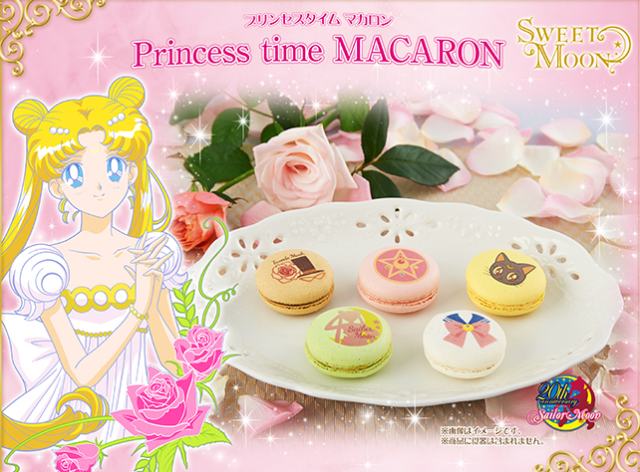
The recent release of fine porcelain Sailor Mooncups and saucers has anime fans ready to add a touch of elegance to their table. Of course, what’s tea time without some equally posh snacks, right? So if you’re looking to keep your refreshments in the same anime family, why not pair your pour of Darjeeling or Lady Grey with some Sailor Moon macarons?
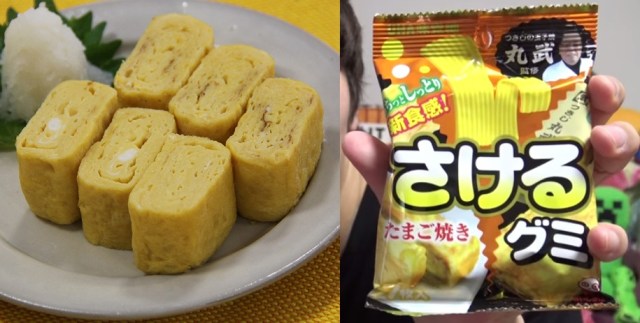
Tamagoyaki– best described as a fluffy, sweetened rolled omelette that’s often served chilled is a staple in typical Japanese bento lunches. A gummy candy flavor it is not…until now! Adding to an ever-growing list of odd flavors coming from Japan, tamagoyaki-flavored gummies are now a thing, and well-known Japanese YouTuber Hikakin has gotten his hands on these rare odd gems and given them a taste. The verdict? Watch and see for yourself!
There’s a restaurant in my neighborhood that I ate dinner at shortly after I moved to Yokohama. Since in those days I worked night shift, I walked through the door around 9:30 p.m., asked for a table for one, and ordered my food.
It turned out to be one of the blandest, least satisfying meals I’ve ever had, but that restaurant is still in business, more than a decade later, so the food can’t be that bad. In hindsight, I think the fact that it was about the 20th meal in a row I’d eaten alone was affecting my sense of taste. Spending too much time by yourself can mess with your head, and the social aspect of eating with a friend can really add a lot to your enjoyment of the meal, which is why a researcher in Japan says that if you’re going to be eating by yourself, you should put a mirror on the table.
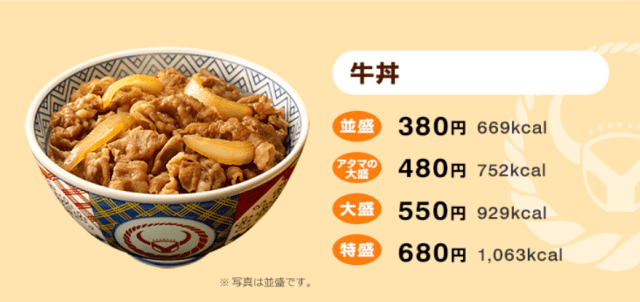
In a lot of ways, Japan’s equivalent to the hamburger is the beef bowl, or “gyudon” as the locals call it. Tasty, fortifying, and cheap, beef bowls are so prevalent and popular in Japan that they essentially have their own strata in the personal food pyramids of many college students and bachelors.
Realizing that much of its customers’ bodies are literally made out of beef bowls, Japan’s largest gyudon chain is now embarking on a research project to investigate what happens after three months of eating the dish.
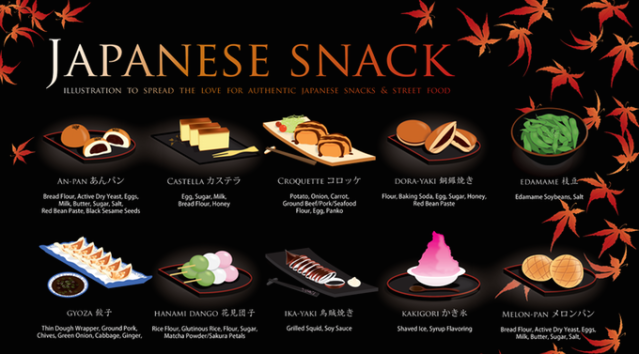
For those unaccustomed to Japanese food, even the most common edibles may seem quite odd and, well, unappetizing, at first glance. The first time you saw monjayaki, did you not think it looked a little…weird? Of course, not all Japanese cuisine is unappealing to the eyes, but even the delicious-looking food is still not widely known throughout the Western world.
A California-based Japanese food blogger is trying to change that. Gaining momentum from the success of her Ramen Poster, artist Fanny has come up with another hand-drawn infographic displaying some of her favorite Japanese street foods and snacks: The Snack Poster.
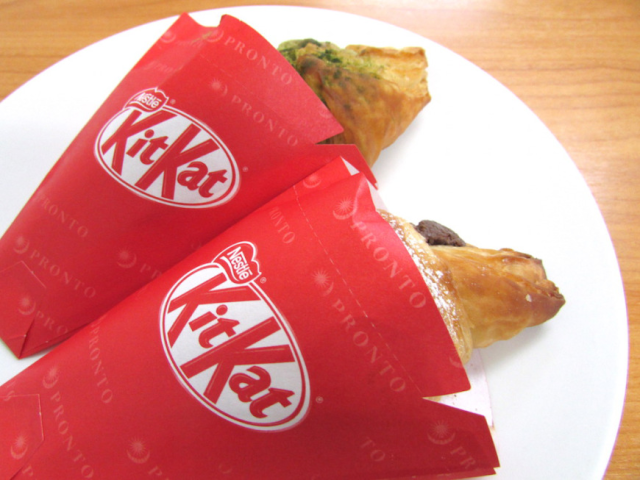
The delicious delights of being in Japan aren’t limited to the amazing sushi and tea. Being in the country also surprisingly gives you access to the world’s greatest variety of Kit Kat flavors and variations.
We’ve already seen the tasty confectionaries show up in cheesecake flavor and atop pizzas, and now the crossover between the chocolate wafers and baked goods continues as one of Japan’s most popular coffeehouses is now selling Kit Kat croissants.
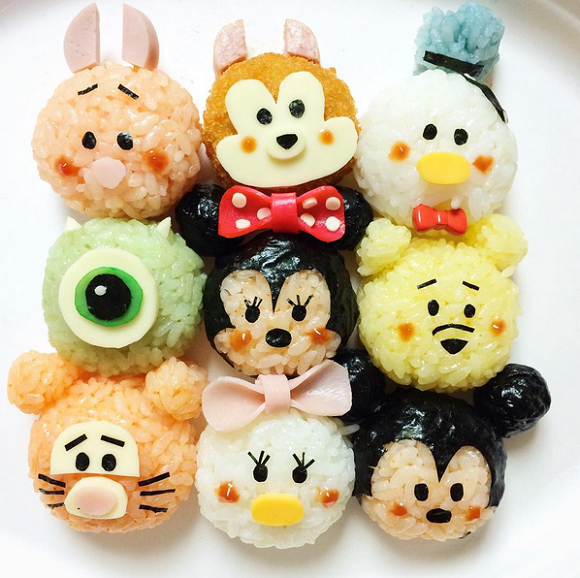
As we expect you already know, character lunch boxes or “chara-ben,” short for “character bento,” are all the rage in Japan. And their creators are rarely shy about sharing their awesome work, so you can find hundreds of examples of how to make lunch time more adorable on social media networks like Instagram and Twitter.
One of the biggest themes for chara-ben right now is Disney’s Tsum Tsum, a line of stuffed toys that has been adapted into a smartphone game by Line. There were so many great photos, we had to compile our favorite Tsum Tsum chara-ben shots from Instagram for you to check out. But don’t forget to grab a snack, because you’re definitely going to get hungry!
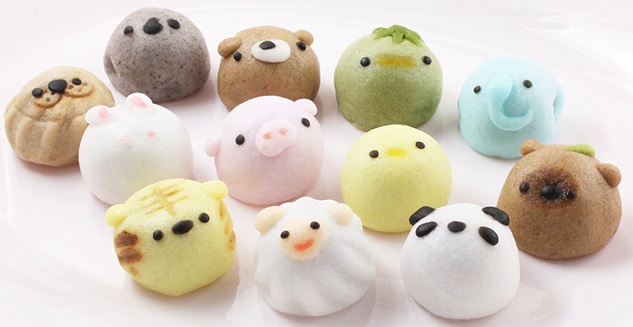
Namikoshiken is a Nagoya-based sweets store that’s been in business since 1927. They produce some of the most adorable animal-themed manju, buns with various filling like sweet bean jam, we’ve ever seen! With all that experience and a product this cute, it’s hardly a surprise they’re blowing up the Internet with photos of their manju spreading like wildfire online.
Kaitenzushi restaurants have come a long way. In the beginning, their system of having diners grab their own plates of sushi from a revolving conveyor belt was seen as a quirky technological novelty, or by more severe critics as a sub-par tarnishing of the proper sushi-eating experience.
Since then, though, kaitenzushi has become one of the most broadly beloved sectors of the Japanese restaurant industry, having grown so popular that certain operators are experimenting with unique new kaitenzushi niches. Now, one company is planning to take its revolving sushi restaurants into a bold new direction by revamping them so that the sushi doesn’t revolve.
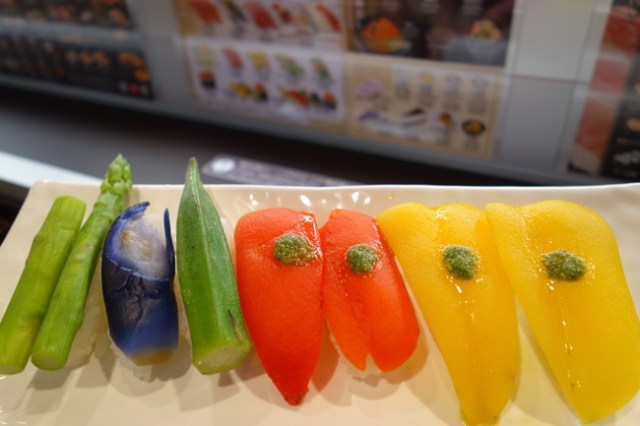
If you’re vegetarian or simply not a fan of raw fish, a visit to a sushi train restaurant with friends isn’t exactly going to fill you with joy. While the touch panel screens and the treat of watching your orders arrive on a conveyor belt is always entertaining, wouldn’t it be nicer if there were a few more fish-phobic options on the menu?
That’s exactly what a new chain of restaurants in Japan is offering, with vegetarian sushi, made with fresh, seasonal vegetables, and a host of other meat-based dishes, including ham and pork-topped sushi options, available for customers.
We paid a visit to Sushi Nova at their brand new location, the first of a hundred to hit Japan by 2019, and were incredibly impressed with what they had to offer.
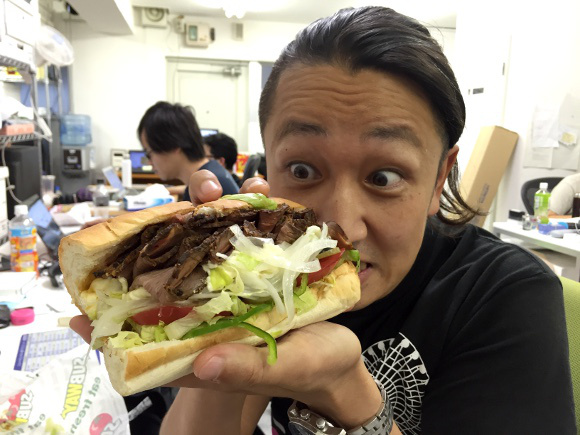
At Japan’s branches of Subway, what you might think of as more conventional sandwich toppings—like cheese or vegetables—wrestle for space on the menu with other optional extras, like a scoop of tuna mayonnaise or five prawns for 100 yen. And when a man like our very own reporter P.K. Sanjun sees that he can have his Subway sandwich topped with an extra five prawns, his first thought is: “I wonder how many prawns I could fit in one sandwich?!”
So when P.K. heard that there were actually secret toppings that you can order at Subway, and that one of those off-menu toppings was roast beef, he prepared his brain, and his stomach, for an extra-large order, and headed to Subway to find out: just how much beef can one Japanese sandwich hold?!
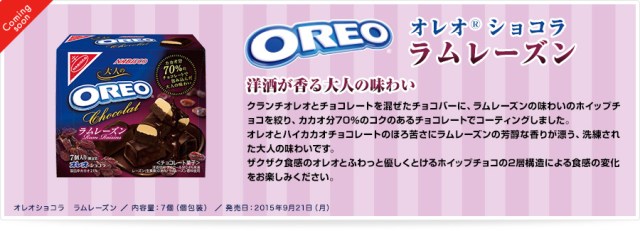
Despite the popularity of goodies like Kit Kats and Oreos around the world, most countries sell only the original flavors of such snacks with perhaps one or two flavor variations on the side. This area, however, is where Japan goes totally nuts with novel and often downright bizarre marketing campaigns to introduce the latest flavors of ordinary snacks—just ask anyone who’s ever had the courage to try wasabi Kit Kats or strawberry chocolate-covered shrimp chips!
Case in point, confectionery and baked goods company Yamazaki Nabisco has unveiled its newest flavor of the popular Oreo cookie: rum raisin.


 Starbucks Japan closing only Shinkansen platform branch for popularity-triggered renovations
 Can a downtown Tokyo super sento bathhouse beat a hotel for a one-night stay?
 Beautiful Ghibli earrings allow you to finally reunite two of the studio’s star-crossed lovers
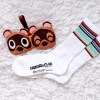 Animal Crossing plushie pouch towels and cozy socks show up at Family Mart convenience stores
 Pokémon and Ikea Japan cross over into each other’s worlds with collaboration events
 Cute anime railway girls keep passengers company on Tokyo Skytree train
 Japan’s prime minister exchanges Dragon Ball kamehamehas with president of France[Video]
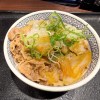 Which Japanese beef bowl chain’s near-identical demon grater onioroshi ponzu gyudon is the best?
 Our lonely reporter goes searching for Japan’s search-for-a-spouse vending machine
 Potato ice cream from Family Mart takes ice cream to a whole other level【Taste Test】
 Tokyo’s best museum for foreign travelers finally reopens after being closed for four years
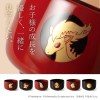 Pokémon lacquerware series expands for Year of the Horse with new handcrafted design[Video]
 Famous Tokyo cherry blossom spot installs view-blocking screens to fight overcrowding[Video]
 Tokyo subway and almost all Tokyo train lines now accepting credit card tap payments
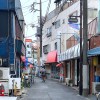 Fading Tokyo – Searching for signs of the Showa era as local neighborhoods evolve[Photos]
 Totoro Fund line of beautiful artwork and apparel lets you help the real-world Totoro Forest
 Two food hacks take Japan’s convenience store fried chicken to amazing new sandwich heights
 Tokyo turns its phone booths into free Wi-Fi hotspots, and here’s how to use them
 Studio Ghibli adds new My Neighbour Totoro 2026 Corn Gift to its anime store for Mother’s Day
 Japan now has a special desk for people who work at home with a pet cat[Photos]
 Uniqlo announces new T-shirts for One Piece, Naruto and more for manga publisher’s 100th birthday
 Train station platform ramen store closes its doors on half a century of history in Tokyo
 Starbucks Japan releases new My Fruit³ Frappuccino at only 34 stores around the country
 Studio Ghibli releases Catbus pullback keychain that runs like the anime character
 Krispy Kreme releases Super Mario doughnuts in Japan for a limited time
 Japanese onsen egg maker from 100-yen store Daiso needs to be on your shopping list
 Nine great places to see spring flowers in Japan, as chosen by travelers (with almost no sakura)
 Survey asks foreign tourists what bothered them in Japan, more than half gave same answer
 Japan’s human washing machines will go on sale to general public, demos to be held in Tokyo
 Starbucks Japan releases new drinkware and goods for Valentine’s Day
 We deeply regret going into this tunnel on our walk in the mountains of Japan
 Studio Ghibli releases Kodama forest spirits from Princess Mononoke to light up your home
 Starbucks Japan releases new sakura goods and drinkware for cherry blossom season 2026
 Japan’s newest Shinkansen has no seats…or passengers [Video]
 Major Japanese hotel chain says reservations via overseas booking sites may not be valid
 Put sesame oil in your coffee? Japanese maker says it’s the best way to start your day【Taste test】
 No more using real katana for tourism activities, Japan’s National Police Agency says
 Cute anime railway girls keep passengers company on Tokyo Skytree train
 Japan’s prime minister exchanges Dragon Ball kamehamehas with president of France[Video]
 Which Japanese beef bowl chain’s near-identical demon grater onioroshi ponzu gyudon is the best?
 Our lonely reporter goes searching for Japan’s search-for-a-spouse vending machine
 Potato ice cream from Family Mart takes ice cream to a whole other level【Taste Test】
 Ghost in the Sheel goes traditional with Japanese porcelain Tachikoma robots, only 50 to be made
 New hot spring found in Tokyo as 80-year-old bathhouse makes a happy discovery
 Hunter x Hunter teams up with accessory brand Samantha Vega for colorful character collections
 W.T.F. Japan: Top 5 kanji with ironic meanings【Weird Top Five】
 Uni Donuts are pretty in pink for a limited-time spring sakuramochi flavor
 Chrono Trigger comes to Japan’s capsule toy gacha machines
 Is it worth eating at Akihabara Ramen Center?
 How to speak Japanese like a gyaru【2024 edition】